%20%20--%3E%0A%3Csvg%20version%3D%221.1%22%20id%3D%22Layer_1%22%20xmlns%3D%22http%3A%2F%2Fwww.w3.org%2F2000%2Fsvg%22%20xmlns%3Axlink%3D%22http%3A%2F%2Fwww.w3.org%2F1999%2Fxlink%22%20x%3D%220px%22%20y%3D%220px%22%0A%09%20width%3D%2239px%22%20height%3D%2240px%22%20viewBox%3D%220%200%2039%2040%22%20enable-background%3D%22new%200%200%2039%2040%22%20xml%3Aspace%3D%22preserve%22%3E%0A%3Cpath%20fill%3D%22%23FFFFFF%22%20d%3D%22M38.5%2C7H28.2v26h10.3V7z%22%2F%3E%0A%3Cpath%20fill-rule%3D%22evenodd%22%20clip-rule%3D%22evenodd%22%20fill%3D%22%23FFFFFF%22%20d%3D%22M26.1%2C25.5c0%2C5.8-4.1%2C7.5-12.9%2C7.5C3.9%2C33%2C0%2C31.2%2C0%2C25.2v-1.1h11.6%0A%09v2.4c0%2C0.7%2C0.1%2C1.4%2C1.2%2C1.4c1%2C0%2C1.2-0.4%2C1.2-1.3v-0.9c0-1.6-0.9-1.6-3.5-2.2C2.2%2C21.7%2C0%2C19.7%2C0%2C15.3v-0.9C0%2C9.3%2C5.5%2C7%2C12.9%2C7%0A%09c10.2%2C0%2C12.8%2C2.6%2C12.8%2C7.4v1.8h-11v-2.9c0-0.6-0.4-1.1-1.2-1.1c-0.6%2C0-1.2%2C0.4-1.2%2C1.1v0.9c0%2C1.5%2C0.9%2C2%2C3.3%2C2.5%0A%09c8%2C1.6%2C10.5%2C3.3%2C10.5%2C7.5V25.5z%22%2F%3E%0A%3C%2Fsvg%3E%0A)
Paunovic brings unique experience, style to Chicago Fire's reboot
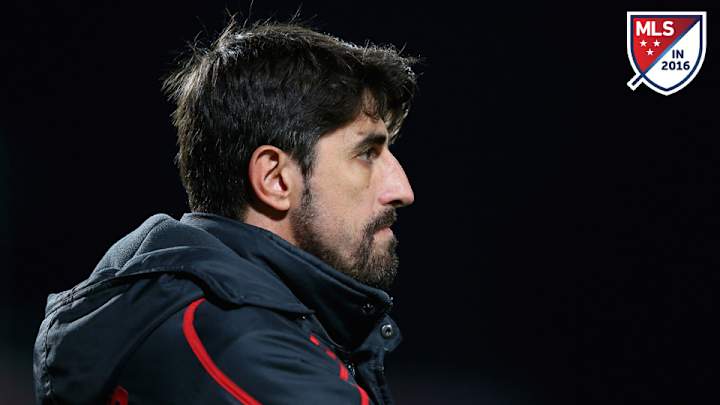
PORTLAND, Ore.—It’s nearly eight months to the day after Veljko Paunović led Serbia to an Under-20 World Cup, its second after triumphing in 1987 as a united Yugoslavia in the last tournament for which the nation qualified. Paunović, whose playing career included stints with Partizan Belgrade, Atlético Madrid and Hannover, now sits in the press box at Providence Park after choosing another former league, Major League Soccer, as his first foray into the club coaching world.
Paunović played for the Philadelphia Union in 2011, coming out of retirement after he turned down a contract with the New York Red Bulls two years earlier. In November 2015, the Chicago Fire announced that he would be the man tasked with reversing the 28-43-31 record over the past three seasons that have seen the team miss out on the playoffs each year.
“I think that this league is expanding and very fast becoming an important league worldwide,” Paunović tells SI.com. “I think that I have a lot of things to deliver to soccer in this country in order to develop and be what I think it will be in the coming years, one of the best leagues in the world.”
Early indications are that he’s moving in the right direction, with an undefeated preseason record of 5-0-1 leading up to the regular-season kickoff on Sunday.
Of course, it’s only preseason, but the Fire clearly needed a coach who could quickly change a club culture that has produced just one playoff team in the past six years. Paunović has some experience in this area, as one of the only coaches able to harness the technical prowess and innate footballing ability of a country from the war-torn Balkan region and turn it into an international trophy.
His champion U-20s, who beat the United States in a shootout and prevailed either in extra time or penalties in every knockout match, looked a lot like Yugoslav teams of the 1980s and ‘90s, just before the country’s breakup. Their possession style wasn’t far off from what you’d expect to see from Spanish-speaking nations, but their mentality was decidedly Eastern European: confident and unwavering.
“Serbia and the whole ex-Yugoslavian region always had great, great talent,” Paunović says. “I believe that only the mentality and belief—the faith—was an issue.”
Ethnic wars in the aftermath of the Cold War left the region in ruins as intra-national relations deteriorated. Every corner of Yugoslavia and its major cities were hit hard, but out of the strife rose a younger generation of citizens—and footballers—who weren’t alive during the dark period.
Their parents’ survivalist mentality remains, but it’s now coupled with the kind of hope that saw Bosnia-Herzegovina qualify for the 2014 World Cup at the top of its group.
“The new generations are coming with a different energy,” Paunović, 38, says. “They believe they can be good; you just have to give them the positive influence and guide them in that way that they can really achieve everything that they want, on the individual level or on the level of the club or the national team.”
That’s what Paunović brings to a Chicago team that hasn’t felt much hope in recent seasons. It’s nowhere near what war brings, but it’s the kind of mentality that needs a high-energy, intelligent coach to be reversed.
GALLERY: Critiquing MLS's 2016 uniforms
Critiquing the 2016 MLS uniforms
Chicago Fire
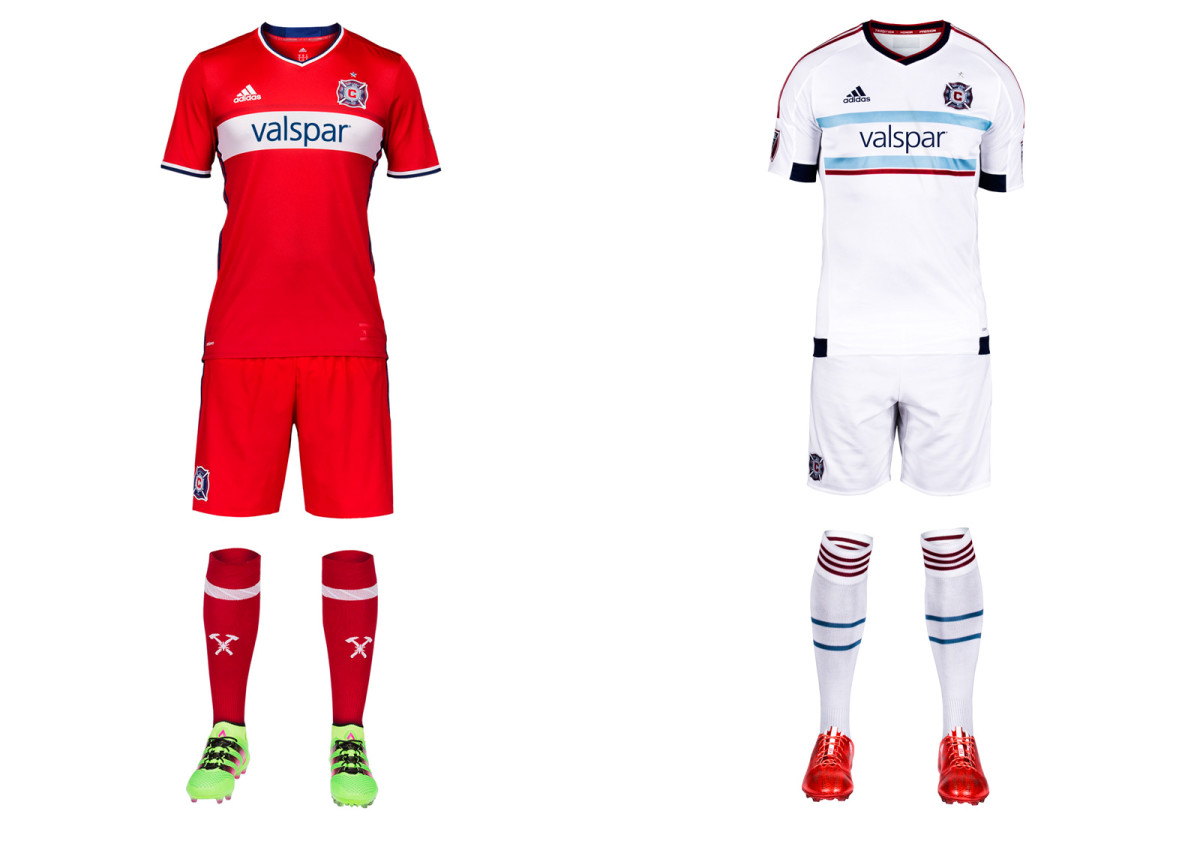
The optimism surrounding a new GM and head coach is accompanied by a welcome return to the red kit and single white hoop the Fire wore when winning trophies. Chicago was the first MLS team in mono-red and has dibs on a look that unfortunately became way too prevalent. The hoop on the new primary uniform is too thin, but otherwise it’s a crisp design that should be well received by fans, some of whom protested the red-and-blue offering worn in 2014-15. The all-white away kit featuring hints of the city flag carries over from last year.
Colorado Rapids
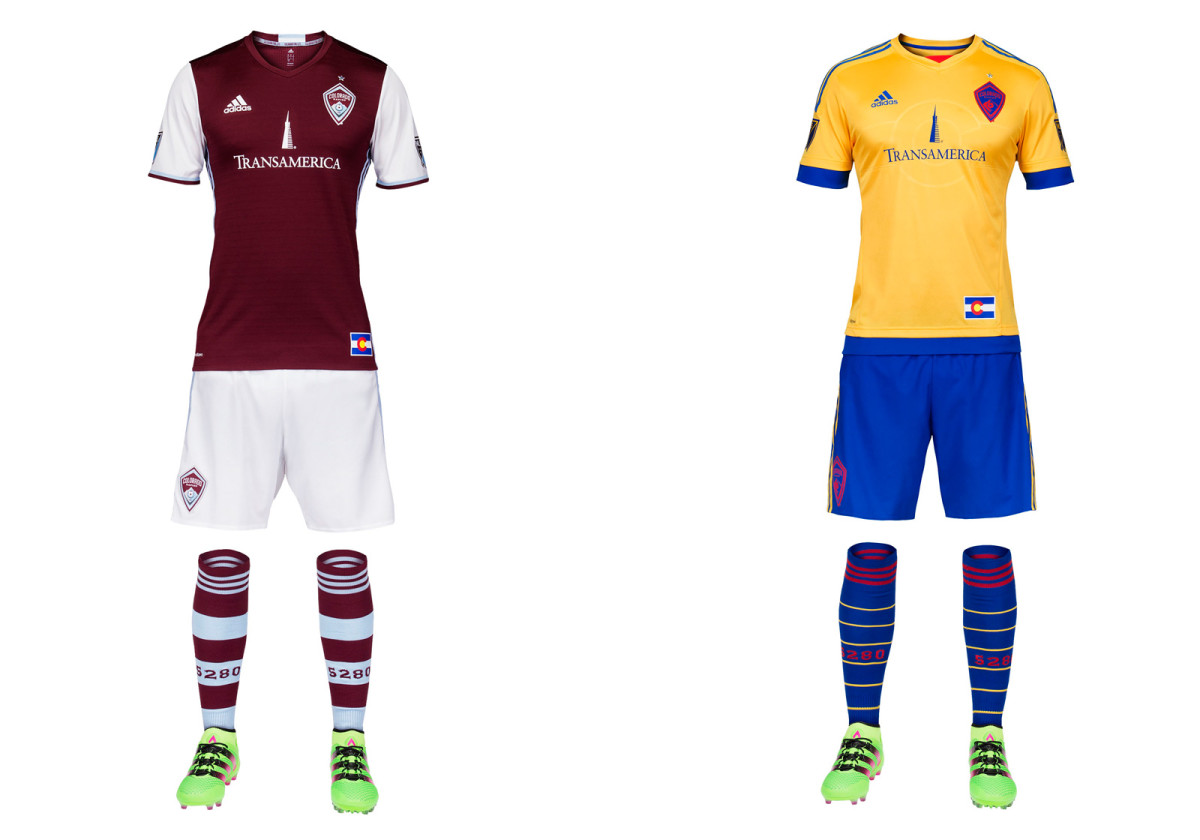
Colorado made just a few very subtle changes to its home uniform this year, and that’s fine. The three stripes moved from the shoulder to the side, there’s a bit of color on the cuffs and the hoops on the sock widened, which is awesome. The burgundy and white is elegant and immediately recognizable. The club's problem remains the logo, a skinny shield featuring a mountain (not rapids) similar to its NHL, NBA and MLB neighbors. It’s tough to suggest a fourth crest for a team that’s had trouble establishing an identity, but it might help. This one leaves no impact. Colorado’s sharp state flag-inspired away set carries over from 2015.
Columbus Crew SC
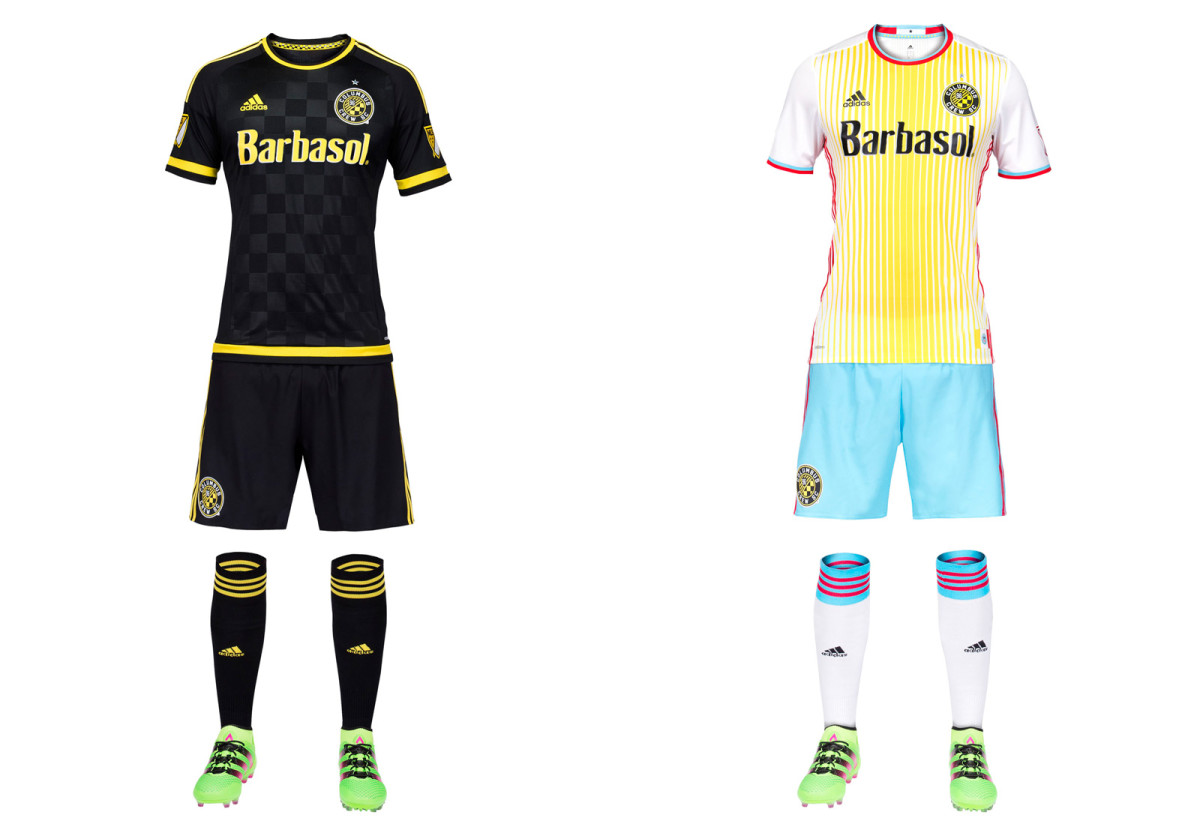
Once known as "America’s Hardest Working Team," Crew SC is trying too hard. For 17 years, Columbus was the only club in MLS, and one of the few in the world, to wear all-yellow. It was immediately recognizable, looked great on the field and was a genuine brand. Now it’s gone, replaced as the primary by last year’s away set. Mono-black is more closely associated with D.C. United. The new secondary is a shock to the system. Designed to reflect the yellow, white and red city flag, it’s certainly distinctive. Clubs are welcome to take chances with their away kits, but only if the overall brand holds steady.
D.C. United
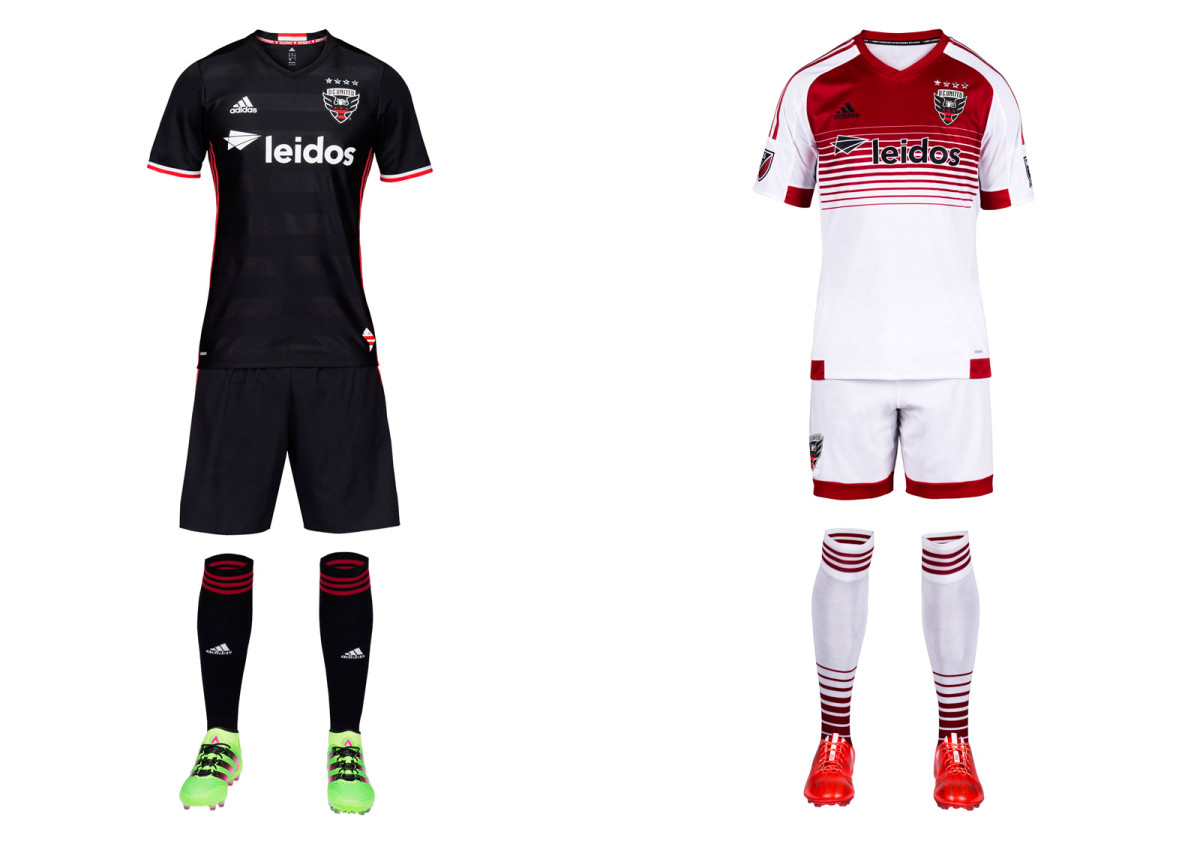
A new stadium in the nation’s capital (scheduled to open in 2018) is preceded by a new club logo, United’s first since 1998. We love the wings breaking through the shield and the redesigned font, but wish the stars on the city flag–which replaces the old ball and championship star–were a bit larger. They’re lost on the black background. The new home kit maintains the club’s classic, all-black brand and the sad absence of the white chest stripes that adorned the most iconic uniform in MLS history. There must be a way to bring those back.
FC Dallas
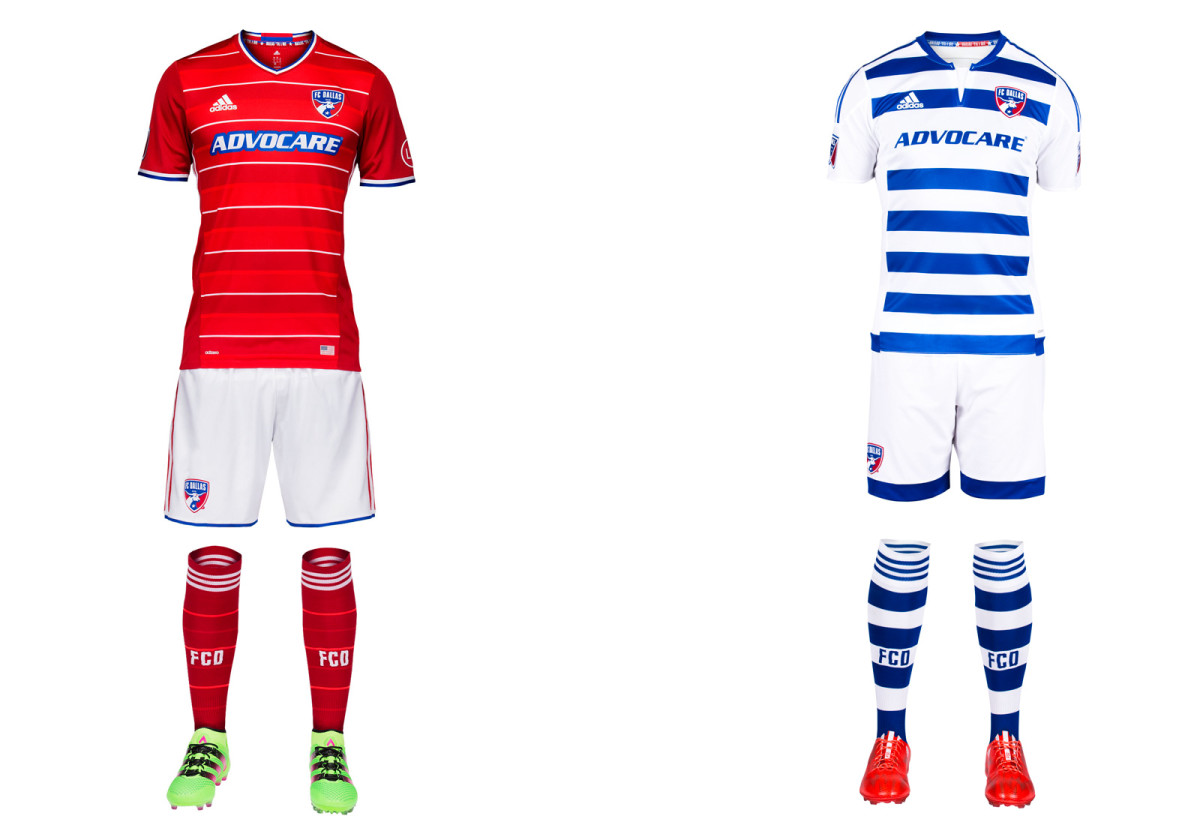
FCD’s new home kit is the nicest in club history. The hoops that accompanied the 2005 rebrand were a good idea but always poorly executed, and Dallas gave up on them two years ago. But the common mono-red look was a failure, leading to this year’s stylish primary. The pinstripe white hoops are sleek and distinctive and aren’t overwhelmed by Adidas’s panels and seams. The uniform pops with the addition of white shorts. Hopefully FCD takes the same approach with the blue-and-white secondary kit next year.
Houston Dynamo
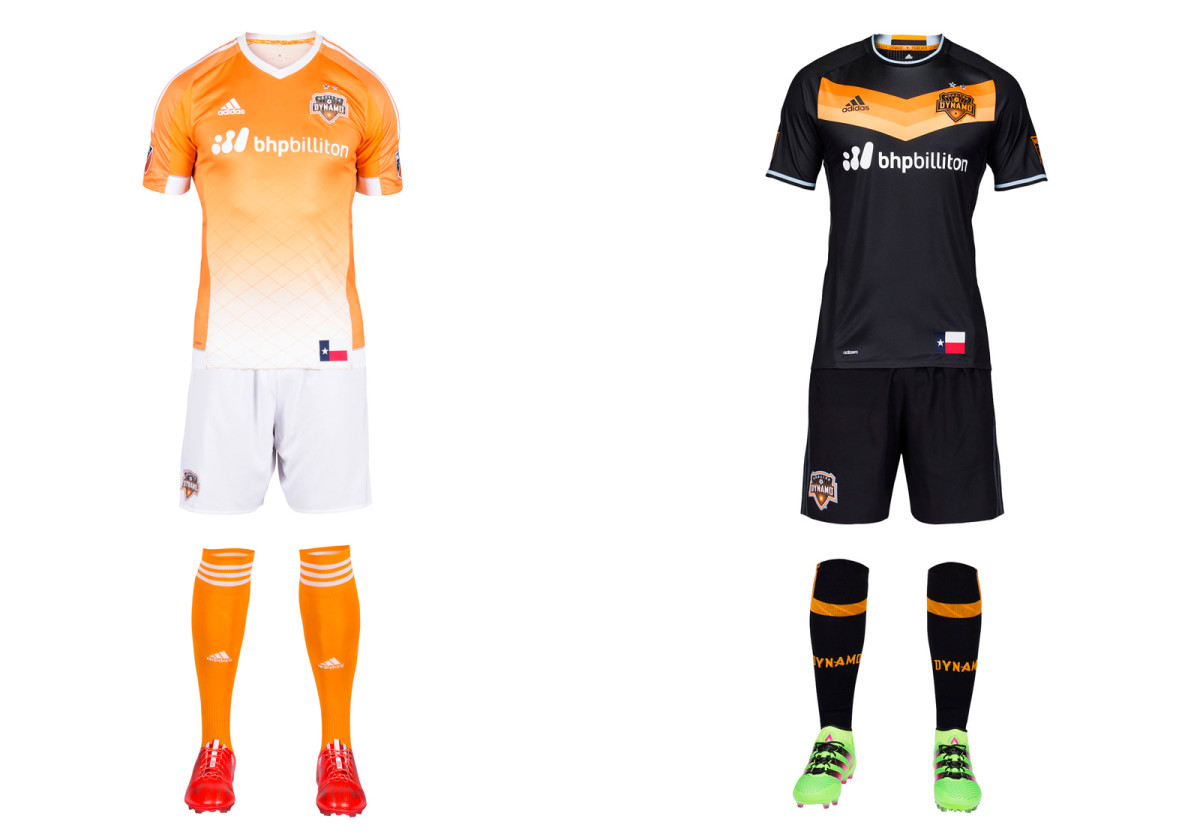
Houston’s new away uniform is a stunning departure from the traditional white. Black has been part of the club’s palette (check the logo). It now dominates the secondary kit save for a bright orange chevron on the chest reminiscent of the Astros’ famous “Tequila Sunrise” jerseys and the shirts Germany wore when winning the 2014 World Cup. We may not see the black too often at home (it’s hot and humid in Houston), but it should sell well. The orange fade on the primary set carries over from 2015. The Dynamo occasionally wear mono-orange, which is a mistake. The white shorts remain the way to go.
LA Galaxy
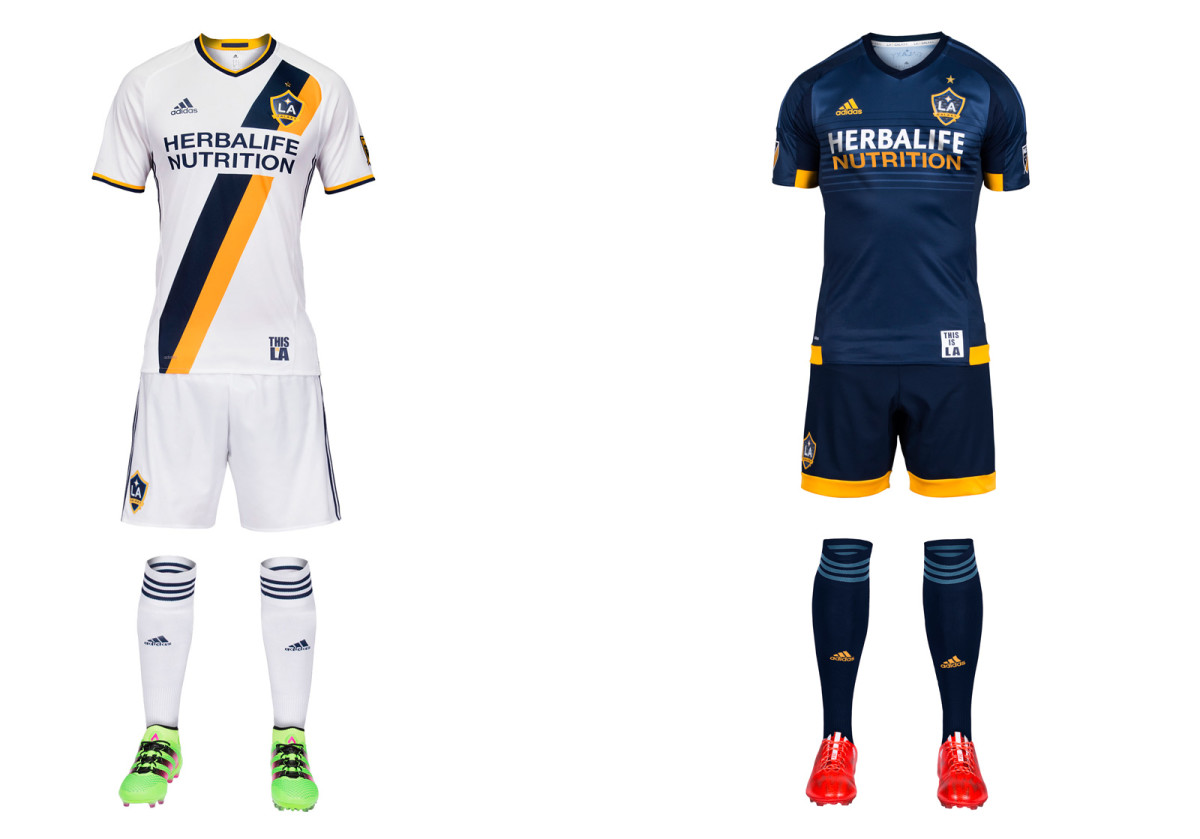
Credit to LA for sticking with the sash introduced in 2012. A club that started black-and-teal and progressed to yellow-and-green finally has an established look to call its own, and it’s a nice one. The new home uniform splits the sash into the modern team colors of blue and yellow, with corresponding flashes on the cuff and collar. It would be perfect save for the enlarged sponsor logo, which cuts too much from the middle of the shirt. The Galaxy carry over their classy blue away kit and thanks to the league's complex new championship star system they'll now wear one gold star above the crest, symbolizing five MLS titles.
Montreal Impact
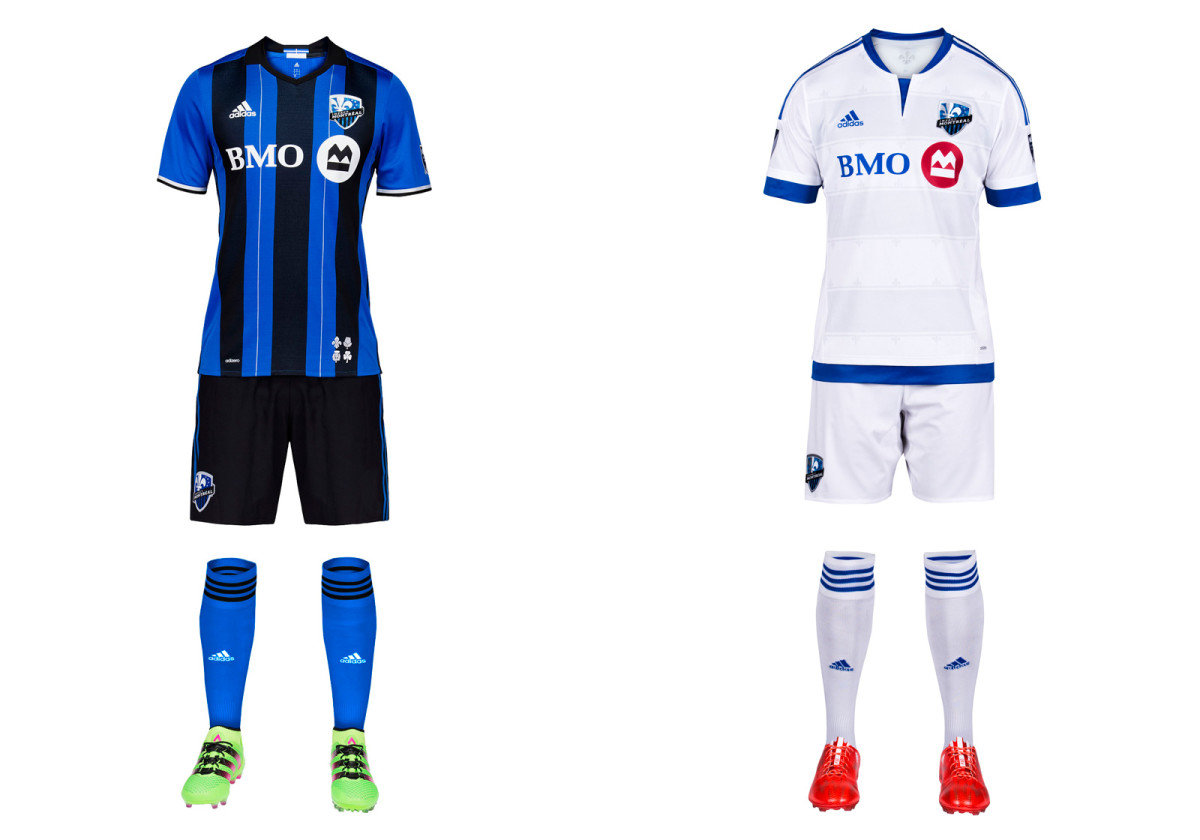
Finally! We never could understand why the Impact (launched in 1993) didn’t opt for their old school blue and black stripes when moving to MLS in 2012. There was history with the plain blue primary as well, but in the end it was just another anonymous monochromatic uniform in a league full of them. The stripes returned as a popular third option in 2013 and now have been elevated to their proper place as Montreal’s home kit. Black shorts, blue socks and silver highlights round out one of MLS’s most distinctive looks. Maybe the Impact can wear those shorts and socks on the road as well.
New England Revolution
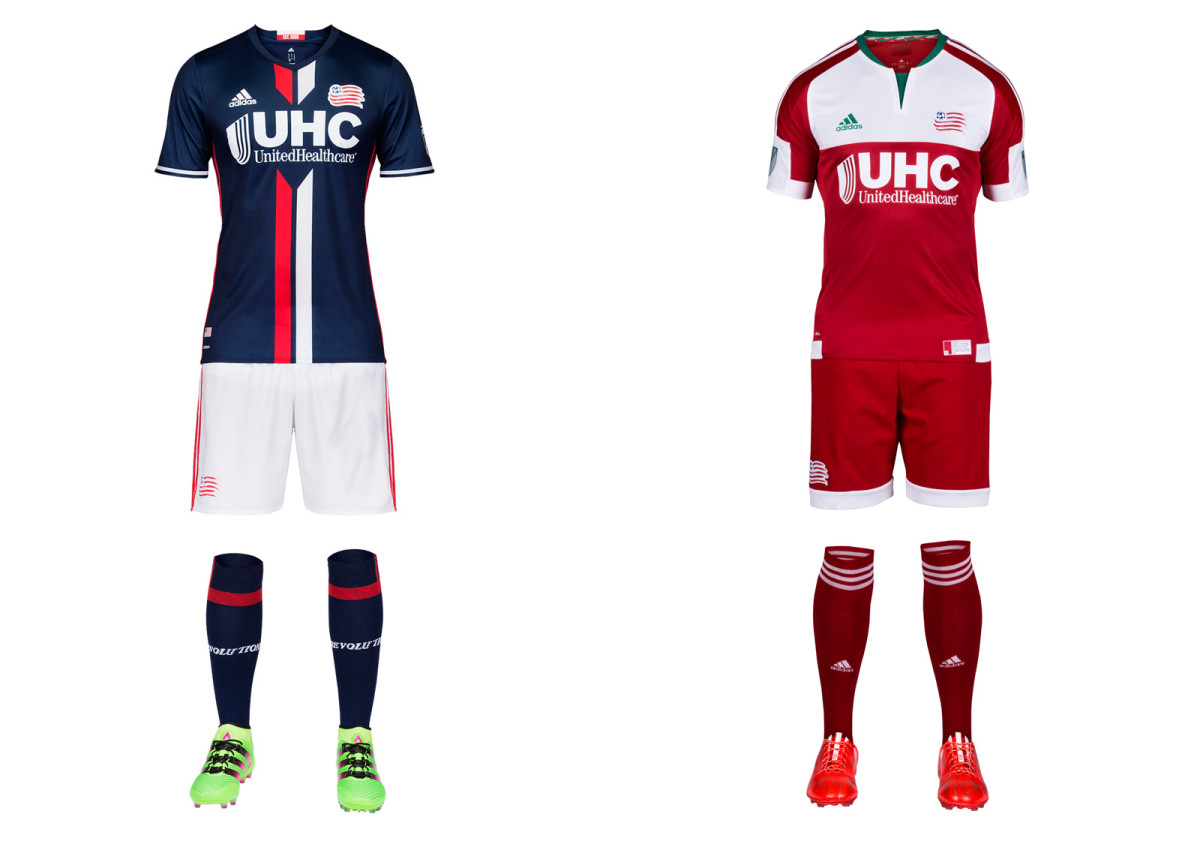
No team embraced the post-1996 regression to the bland like the Revs, who wore the most nondescript uniforms in MLS for years. That changed in 2014 with the addition of white shorts to the navy blue home kit. A total departure from the old all-white aways—a red homage to the old regional flag—followed last year. This season’s primary represents another step forward. The white shorts remain, thankfully, while a beautiful new jersey features red and white stripes down the center. The club said the look is inspired by American Revolution-era jackets. The secondary kit carries over. The inspiration there is commendable but the boxy execution is lacking.
New York City FC
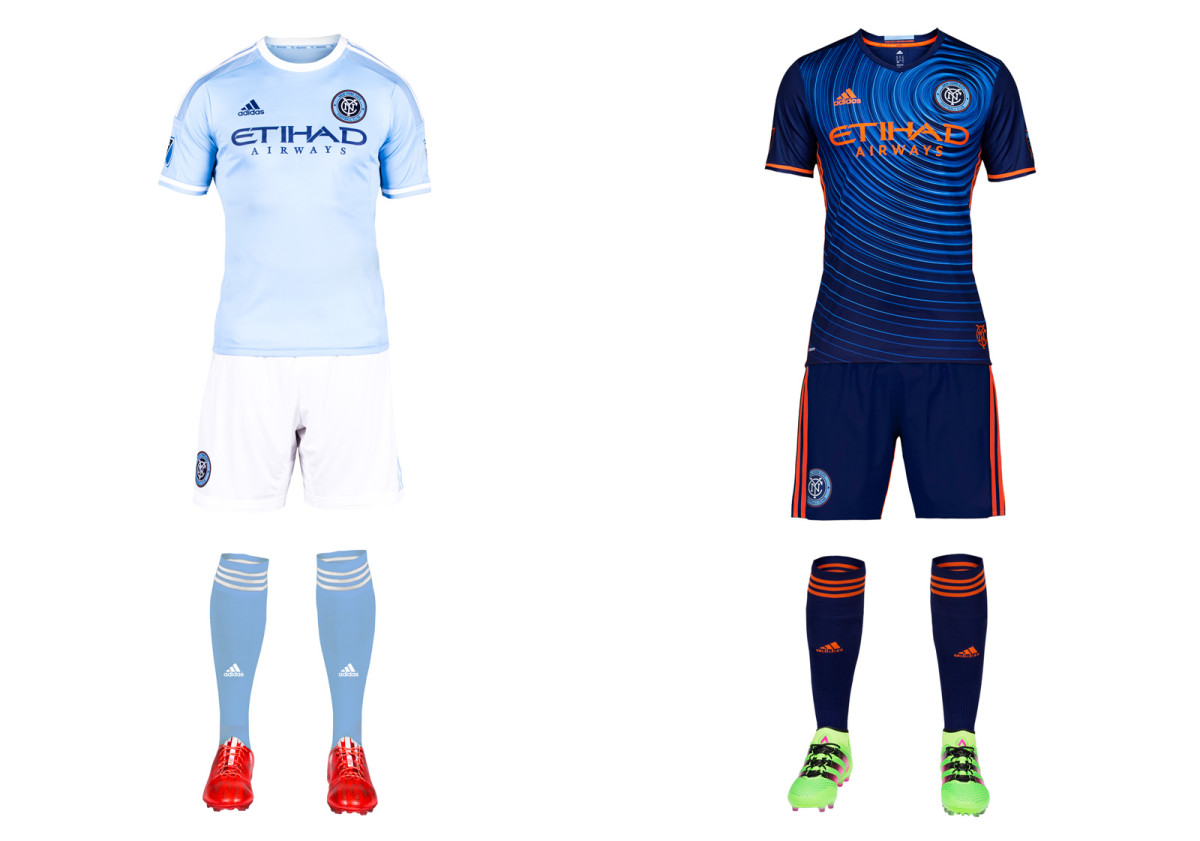
MLS didn’t need another all-black uniform, and NYCFC did the right thing by ditching last year’s away set in favor of something more aligned with the club’s colors and branding. What they came up with, however, will take some getting used to. The dizzying new secondary kit is anchored by a blue jersey with a “ripple pattern inspired by the energy of the five boroughs.” It’s unique, for sure, and while some won’t like it, secondaries don’t necessarily need to be timeless. Adidas also supplied orange shorts as an option, in case the mono-blue isn’t loud enough. NYCFC’s classy home uniform, which looks good even though Manchester City wore it first, carries over from its inaugural season.
New York Red Bulls
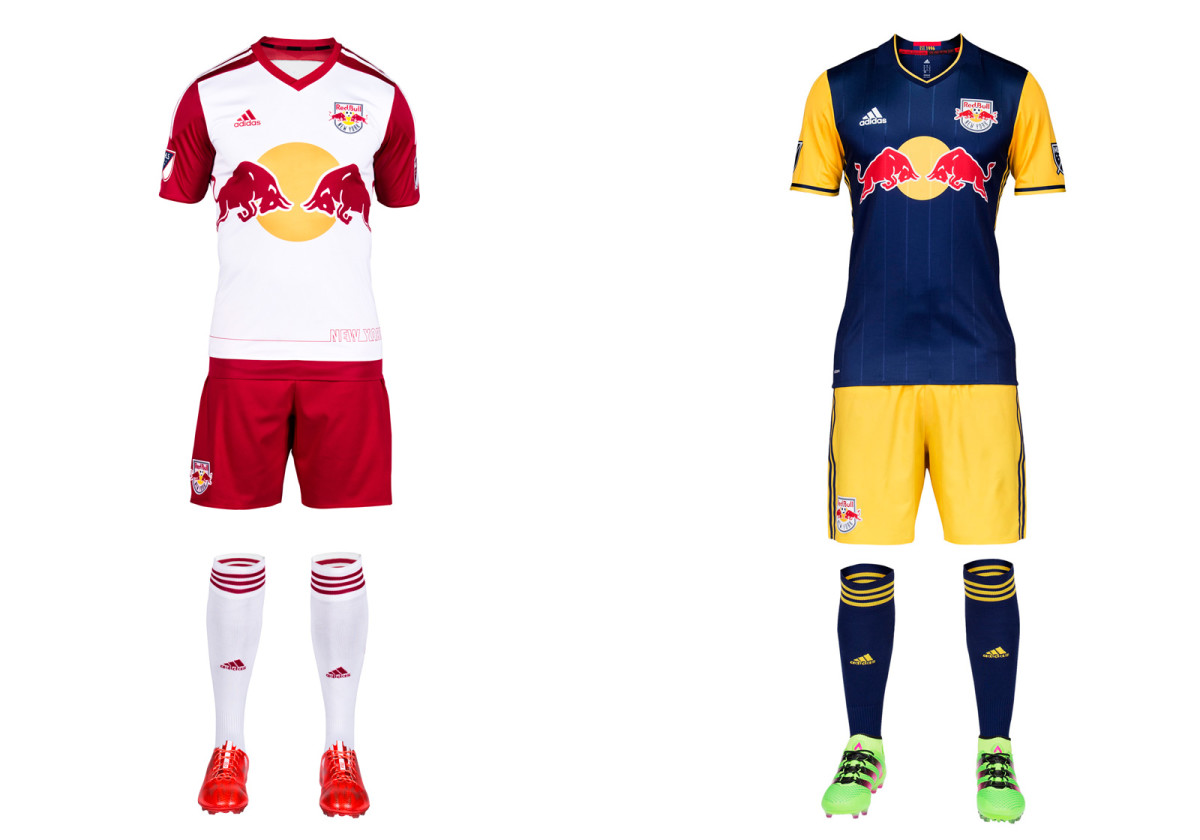
New York is red, except when it’s navy blue and yellow. Despite some supporters’ preference for a red away uniform, the Red Bulls are sticking with the colors they share with the parent company’s teams in Leipzig and Salzburg. The new secondary, which now features yellow sleeves, certainly is eye-catching even if it doesn’t stir fans’ souls. NYRB’s brand transcends the crest and kit, anyway. The stadium, history and the personalities who’ve donned MetroStar red-and-black and Red Bull red-and-white are what give this club its identity. NYRB sort of acknowledges that with the red-and-black necktape and MetroStars shield inside the new away jersey. The red-sleeved home kit is identical to last year’s.
Orlando City SC
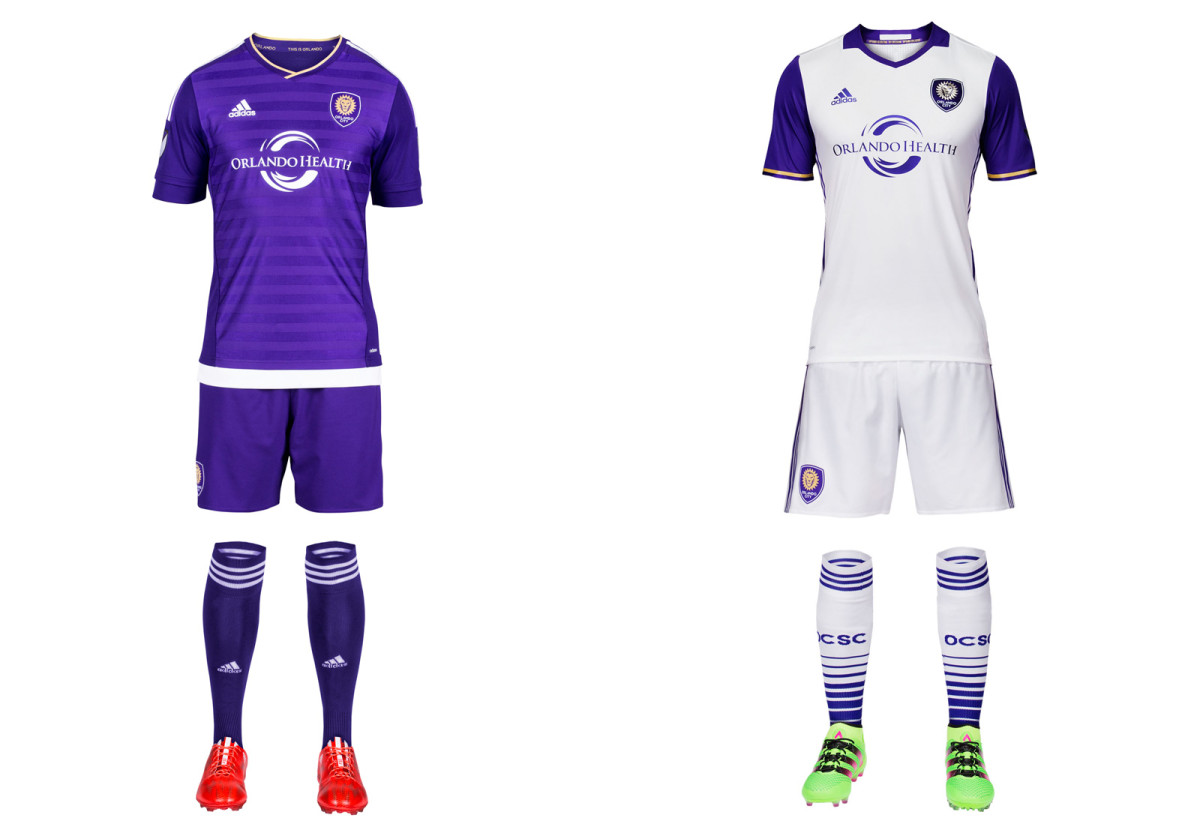
Purple is the defining feature of Orlando City’s brand, but the club blew it during its expansion season by rolling out a plain white away kit that looked too much like all the others. Now there’s progress in the form of purple sleeves, which add a welcome bit of color and make the new secondary uniform one that only Orlando could wear. The crest features a "3D" lion. The monochromatic home set stays the same. Swap the socks–white at home and purple on the road–and City would be close to perfect.
Philadelphia Union
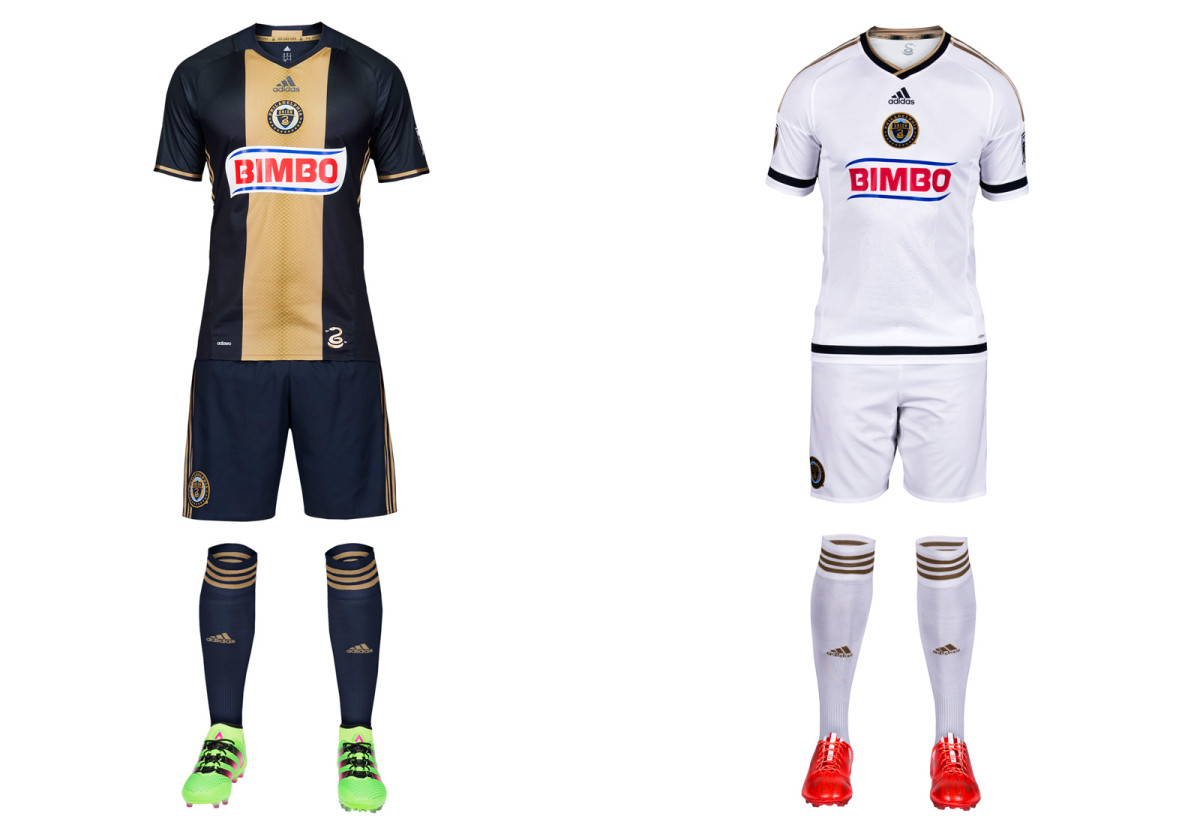
The Union’s home uniform is a modern classic, apart from a garish sponsor logo that looks pasted on instead of integrated with the rest of the jersey. This year’s new primary kit features a lighter gold down the middle, an understated snakeskin pattern (taken from the serpent in the club logo) and the departure of the pinstripes used in 2014-15. It’s as classy and distinctive a set as you’ll find. If only Bimbo could cooperate. Meanwhile, we’re stuck with the regrettable, lazy away kit for one more season.
Portland Timbers
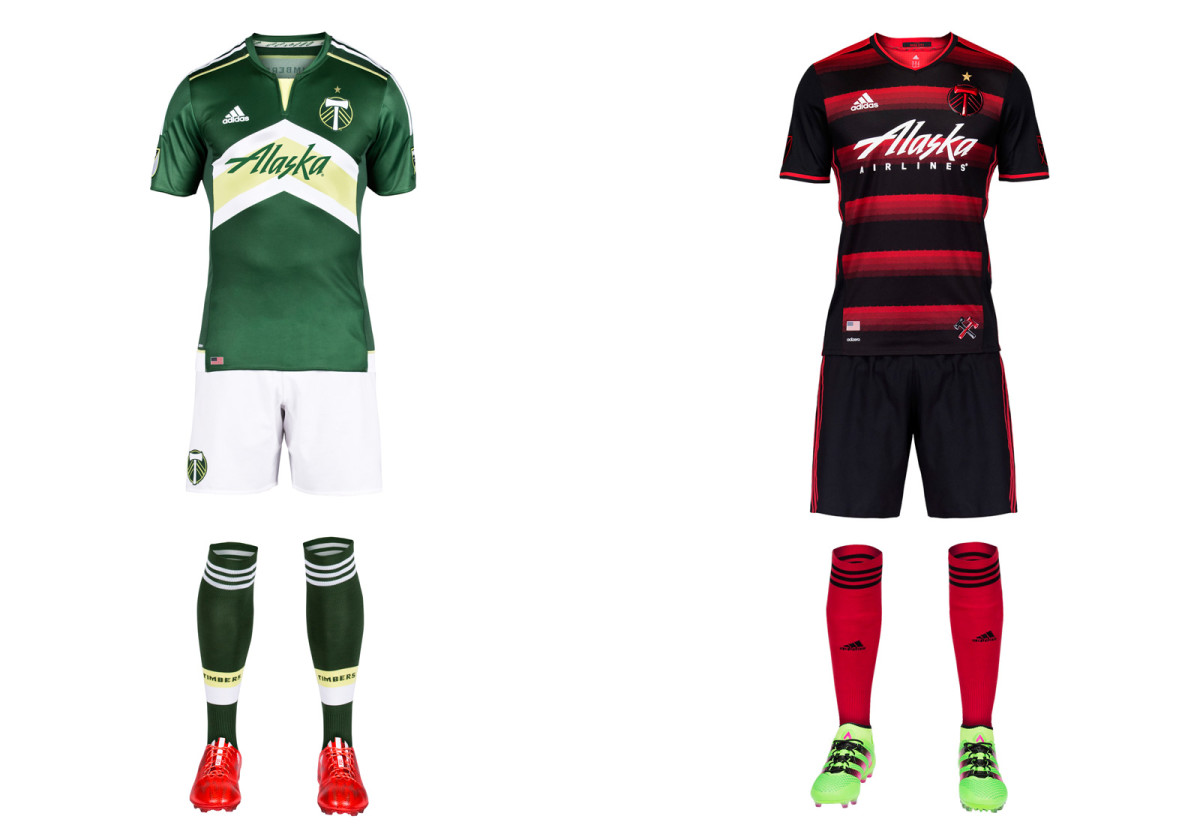
Portland’s "Rose City Red" away uniforms continue to darken, but the overall theme is maintained with the champions’ striking new secondary set. The mostly-black jersey (there's more red on the back) features hoops in shades of red complete with a subtle thorn motif. Red socks add a bit of contrast that would be lost if they were black. The green-and-white home kit is the same as last year’s except for a revised sponsor logo. For Timbers fans, of course, the best part is the new gold star above the crest.
Real Salt Lake
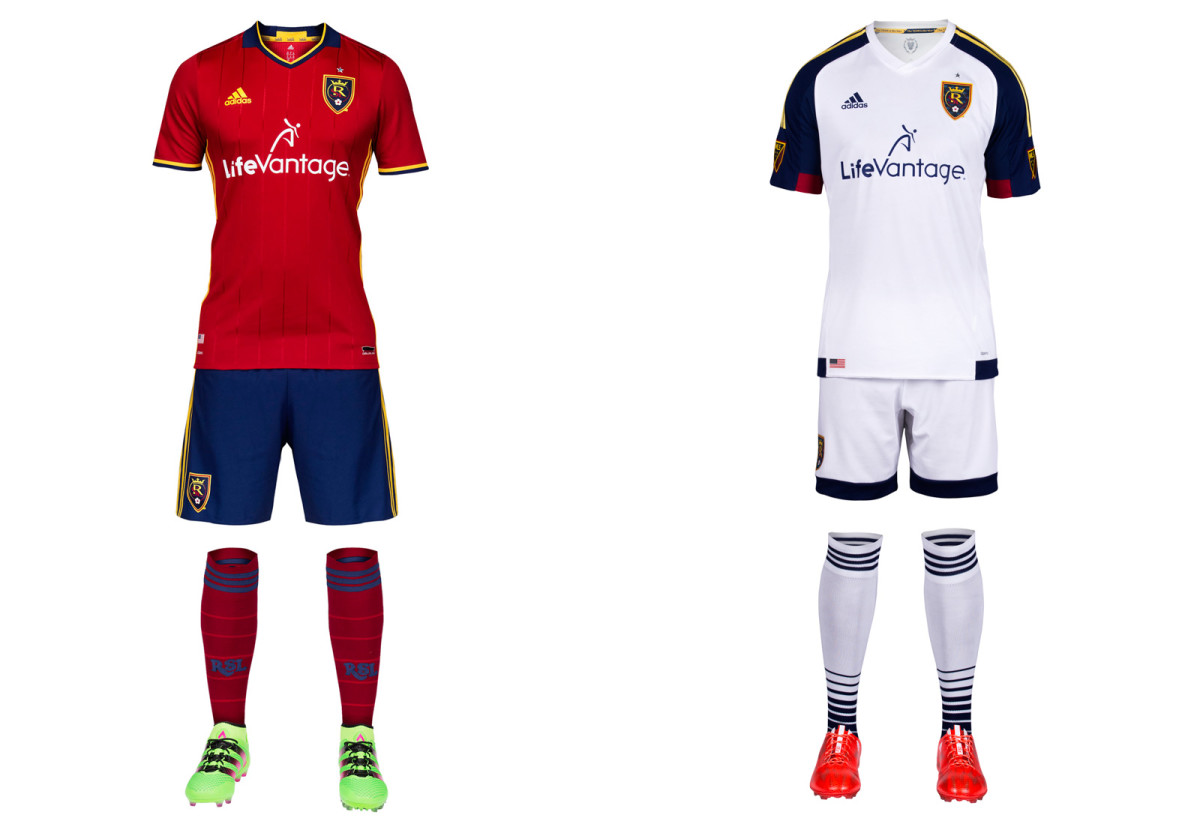
After six years in all-red, RSL at long last is returning to something resembling its unique, championship-winning look. After claiming the 2009 MLS title in red/claret jerseys (with blue/cobalt sleeves), blue shorts and blue socks, RSL inexplicably opted to become one of several mono-red teams. Bad uniforms and a trio of lost finals followed. If there was a kit curse, consider it reversed with the new home set, which features sublimated pinstripes on a sharp red jersey and a return to the cobalt shorts. RSL is RSL again. Let’s hope some variation of “victory gold” replaces the all-white secondary kit in 2017.
San Jose Earthquakes
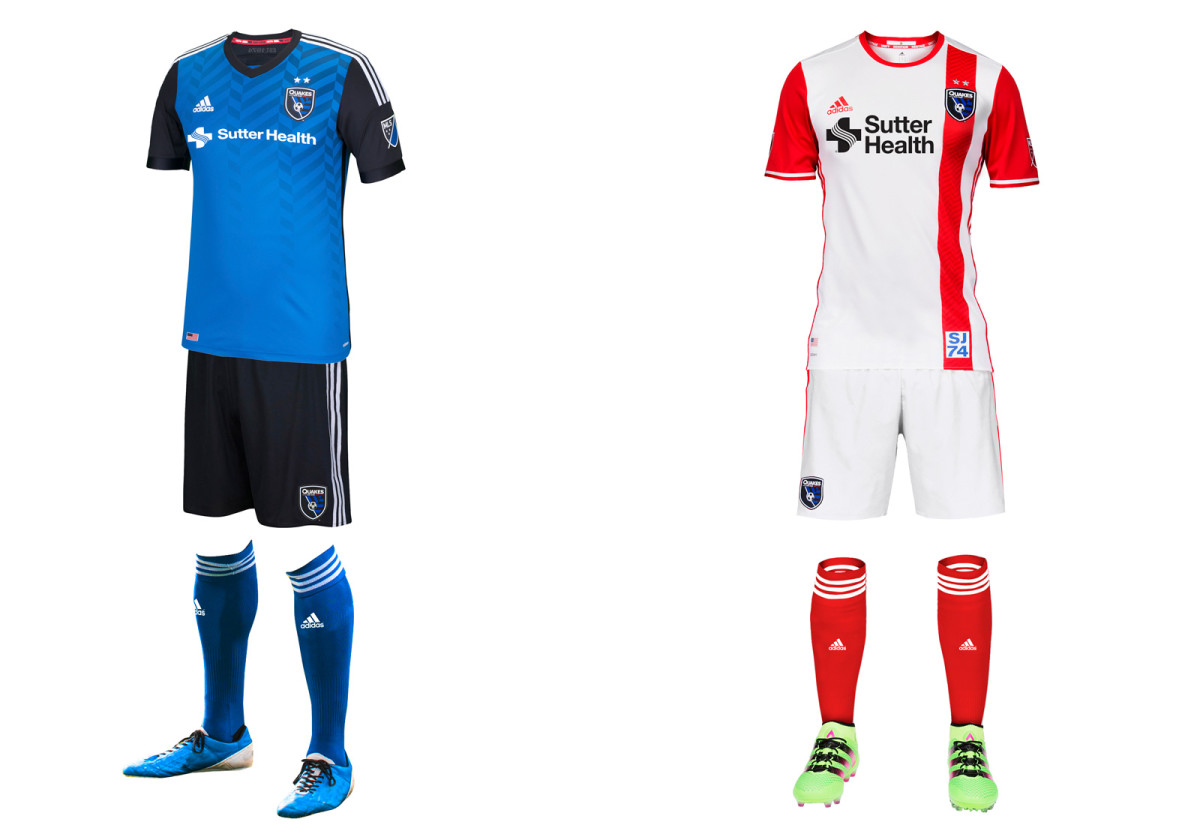
San Jose’s 2014 brand refresh now feels finished with the introduction of a much-improved away set that actually features some red, which connects the modern-day Quakes to their 1970s and ‘80s predecessors. The red stripe, sleeves and socks create a unique, balanced look that ties the club’s crest, primary and secondary kits together. There's also a tiny scorpion inside the neck paying tribute to the branding fiasco that was the San Jose Clash. The sharp blue-and-black home uniform carries over from last season with the addition of the Sutter Health logo. The Earthquakes were the last holdout—for the first time, every MLS team has a jersey sponsor.
Seattle Sounders FC
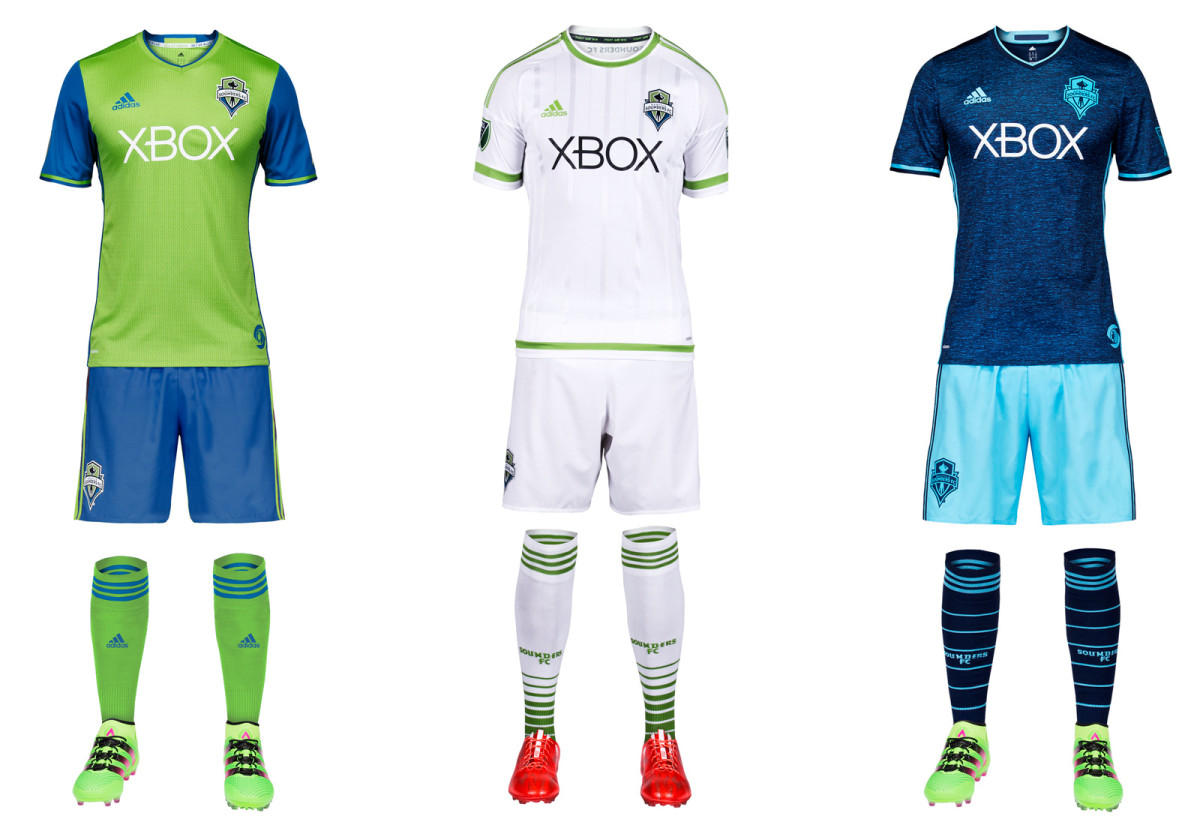
The only club to introduce two uniforms this year, the Sounders will sport a slightly adjusted version of their iconic rave green primary and a new third kit designed to reflect the colors of Puget Sound. The home set now features blue sleeves and an ’SS’ pattern on the body of the jersey. Seattle may continue the odd tradition of swapping the shorts and socks when wearing the primary on the road. It returns to cyan (and shades of darker blue) on the new third kit, which has a nice Cascadia feel. Hopefully, its arrival means the Sounders will wear the silly all-white secondary as infrequently as possible.
Sporting Kansas City
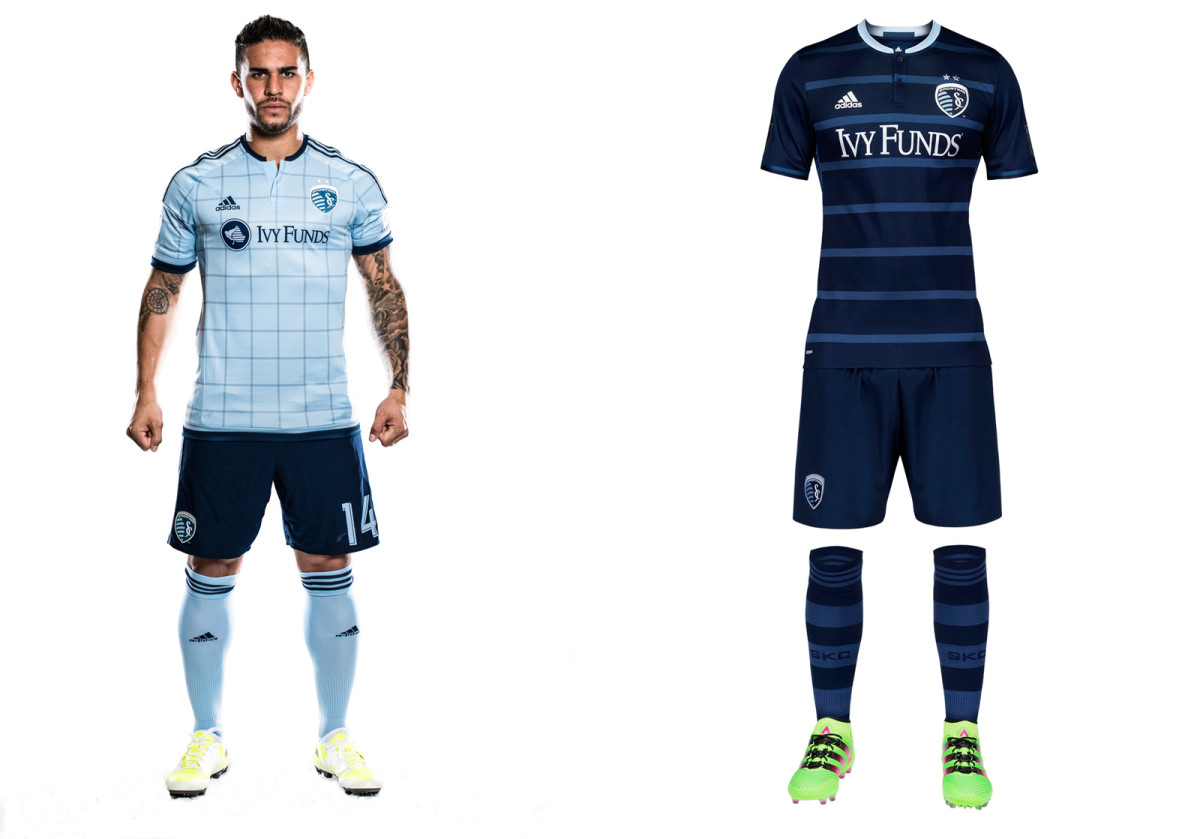
Uniforms typically run on two-year cycles, meaning Sporting had no choice but to move on from its spectacular hooped 2014-15 away set. The replacement is nice enough and the jersey looks good on its own, but the full kit is a bit bland in comparison. The thin hoops are "tonal" rather than "Sporting" blue. The metallic silver numbers and sponsor logo add a bit of glitz. The checkered home uniform debuted last year and still looks good with the dark blue shorts. SKC also will continue wearing its all-white third kit on occasion.
Toronto FC
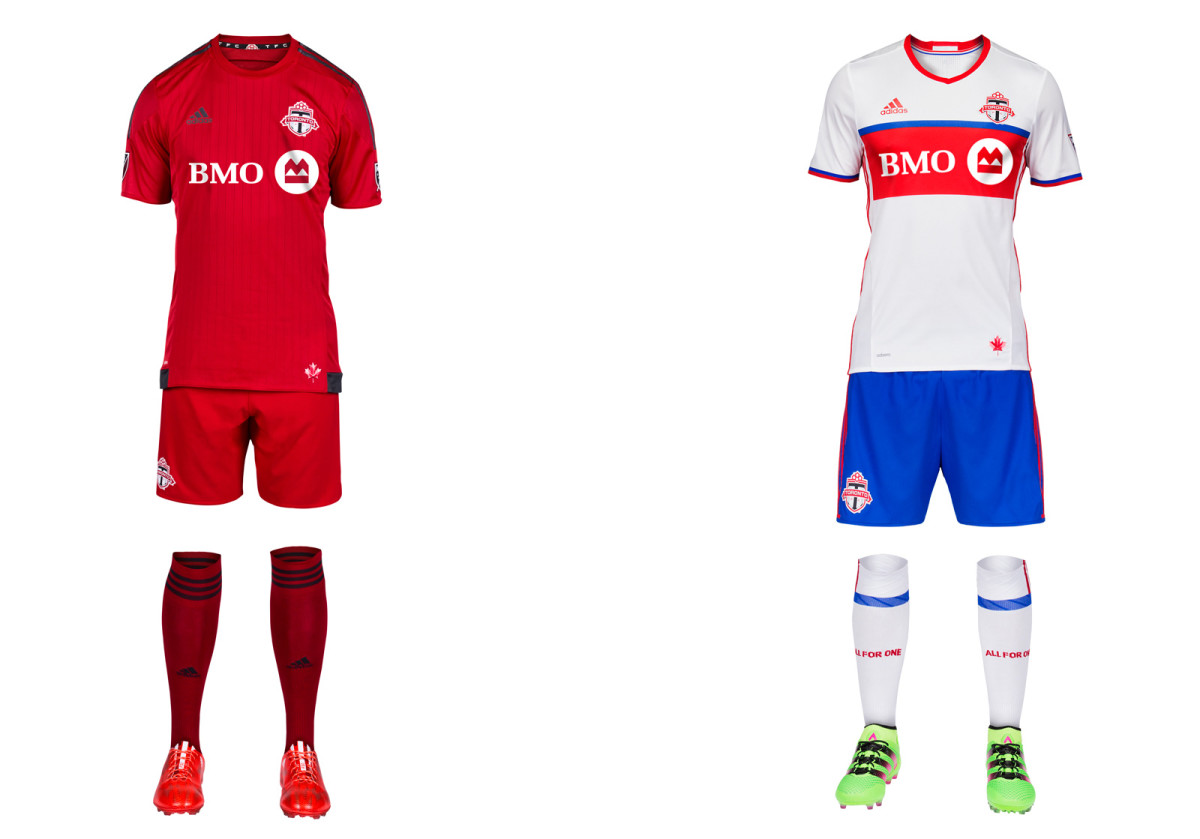
Entering its 10th season, TFC will include blue in its uniform for the first time. The club’s new away uniform is a colorful nod to the city and its soccer past. Toronto’s flag and its NHL, MLB and CFL teams are primarily blue, and the NASL’s Metros-Croatia and Blizzard wore red and blue in the 1970s and ‘80s. The kit stands out without being garish and means something to the club. Well done, TFC. It also can be worn with red shorts. Gone is the classy dark gray, which we wish was more prominent in the all-red primary.
Vancouver Whitecaps
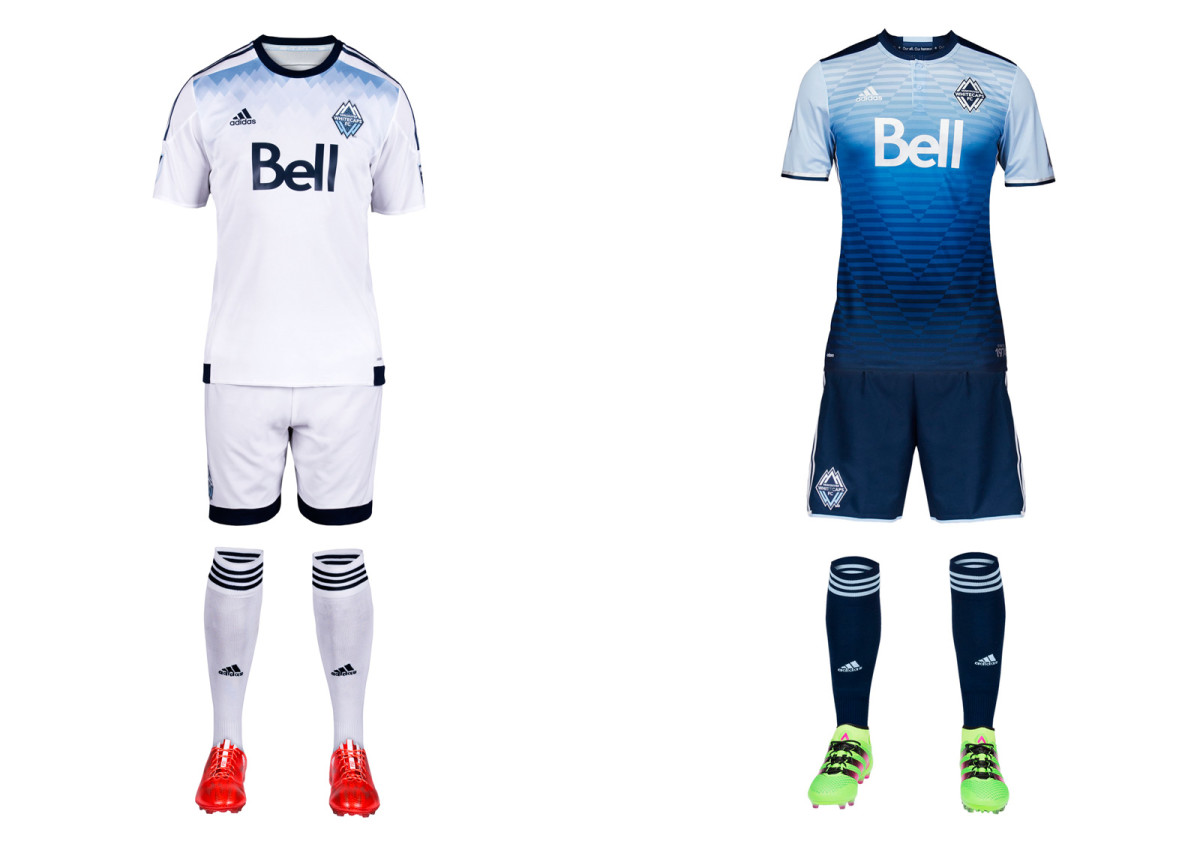
Vancouver’s new away uniform is its most daring design to date, barring the brown third kit introduced in 2012. But where that one was forgettable, the team’s “Sea to Sky” jersey leaves an impression. The blue gradient evokes the horizon, the North Shore Mountains reflecting on the surface of the water and the club’s initials. It’s gorgeous. The all-white primary carries over from 2015. It includes a bit of subtle blue shading at the shoulders but is otherwise pretty anonymous. The Whitecaps just proved they can do better.
After the Fire score in the first five minutes against the Vancouver Whitecaps on Feb. 21, the opponent puts away two chances to lead at halftime, 2-1. Despite a 14-4 shot advantage, it takes two penalties for the Fire to eventually come out on top, 3-2.
Understandably, Paunović is most happy with his team’s willingness to claw back two goals in a situation where it would have been easy to fold. Because it’s preseason, results don’t mean much—unless you’re looking for a sign that this year will be different than the disappointments in the recent past.
“It’s everything about what you think or what you believe,” Paunović says. “We had to push the game, to go and believe that we can win this game. … This is a very good moment and maybe a critical moment to understand that we are capable of everything.”
Paunović’s attitude toward training and his modern approach also offer refreshing changes for a team that hardly seemed to be in control of games in 2014 and 2015. Now, Chicago breaks from its staunch 4-4-1-1 defensive block into a patient style of ball circulation that leads to goalscoring chances as players identify a path to goal.
“Everything is trainable; the only thing is that you have to open that talent output that every player has and build that trust that what we are doing is really for good and something that will help us to win games,” Paunović says. “What we always told our players is, we’re working on everything, so it has to be a global concept integrated in pieces—in parts.”
Minnesota unveils renderings for future MLS stadium
Paunović is quick to point out that he doesn’t think his style is necessarily more correct than any other, but it’s how he wants his team express itself on the field.
“Everyone has a different style, and what I can just tell you is that everyone’s style can be—can be—successful,” he says. “It depends on a lot of things, but I think that’s why soccer is great, why we love it as a game. There are different styles, and they all may be successful. It’s just how you identify.”
That’s why it’s no surprise that Paunović’s teams opt for a type of game that requires careful thought and a high level of dedication. His brain never seems to stop turning as he talks about football; the more detailed the topic, the more animated he becomes.
The SI Extra Newsletter Get the best of Sports Illustrated delivered right to your inbox
Subscribe
“At the same time, we work on mentality, physical, technical and tactical aspects. Why? Because we believe the mentality propels physical strength, physical strength is the support for your technical and tactical abilities, and technique is our tool for creativity,” Paunović says. “In order to be a good soccer player, you have to be prepared on all those levels. Our method is an integrated method where in every session, you have to be very creative to work all these things.”
That first goal against the Whitecaps, in the fifth minute, comes as Matt Polster picks the ball off Pedro Morales just outside Vancouver’s penalty area. His touch falls to trialist forward John Goossens, who finishes. It’s a transition moment worked to perfection, as Vancouver can’t react quickly enough to losing possession in such a vulnerable area.
Paunović speaks with his hands, his voice rising in volume and intensity as he builds to his thesis. He snaps his fingers, and moments of the game come to life as if you’re on field level and you’re one of his players, listening to a coaching point.
“When the game comes to that transitional phase, which happens very often during the game, we have to be prepared,” he says. “It gives us awareness of what we have to do now. So [snap] this is what’s happening, [snap] this is what we did; this is how we prepared for this situation, and this is how we’re going to put it under control. This is how we can use it as a weapon in order to be determined and score goals.”
He doesn’t shy away from the man-management side of the job, either.
As part of the squad overhaul since the disastrous 2015 season, Chicago traded homegrown player and fan favorite Harry Shipp to the Montreal Impact on Feb. 13. In a letter he posted on Twitter, Shipp wrote, “This is the hardest thing I’ve ever had to put in words. … I know this is a business and nothing is personal, but this is inherently personal for me.”
Says Paunović: “Sometimes, you will have to take some decisions that are not popular but are necessary—or at least, we believe are necessary—and it’s just part of the job. I can tell you that I also love that part of the job because it’s something that is not easy, and not everyone can do it, but you have to be ready for that. If you’re not ready, this is not the job for you.”
For Paunović, it was as simple as having what he considered a good deal on the table for a player who would struggle to find playing time in the team’s new system. As Shipp acknowledged, business is business, especially for a team trying to rebuild—as brutal as that may be.
“That was a situation where we had to decide. So obviously, we had an offer from the club that was very interested in Harry,” Paunović says. “For him and for us—in order that he can play and enjoy playing and everything that he was expecting that he could get here—we believed that that was the best solution. He’s a great, great human being, and we really appreciate Harry, everything that he did for Chicago Fire, and I can tell you also that we root for him to be successful.”
Paunović counts his father, Blagoje, as his greatest influence in his coaching career. Blagoje Paunović also played for Partizan Belgrade before moving to Utrecht in the Netherlands. He played one season for the Oakland Stompers of the old North American Soccer League, under the name Paki Paunović.
Blagoje also managed five teams after his playing career finished, including in Partizan’s academy and lowly La Liga side Logroñés.
“As time goes by, I can see that everything he told me from the coaching point of view is absolutely right,” Veljko says. “He was great.”
As a player, Blagoje made 39 appearances for Yugoslavia as a center back. He won a silver medal at the 1968 European Championship, losing 2-0 in a replay against host nation Italy after a 1-1 draw in the initial final in controversial circumstances with some questionable refereeing.
However, the most famous game Blagoje played in was Pelé’s final international with Brazil in 1971 at the Maracanã. Veljko didn’t see his father play even once during his career, as match broadcasts were extremely rare in Yugoslavia at the time.
For Veljko’s 30th birthday in 2007, his father asked him what he wanted, and Veljko said he wanted a copy of Pelé’s final match. His father found one for him, and Veljko keeps it on his laptop now, ready to watch at any time.
“That’s the only game, and I keep that,” Veljko says. “That’s the only game that I saw, and I believe [it was] the most valuable game in his career, too.”
After all that the game has given him, especially in recent months as a coach, Paunović doesn’t find it hard to smile. Chicago is hoping for a turnaround season, off the back of two of its most difficult for a team that won MLS Cup in its inaugural year, and the Fire’s new coach seems determined to return the franchise to the top of the league.
“I would say that I’m very grateful to soccer,” Paunović says. “I just love what I’m doing. I love where I am, and I’m just focused on Chicago Fire and making this team successful and a champion.”
 Add us as a preferred source on Google
Liviu Bird is a soccer analyst with more than 20 years of experience in the game. He learned how to play in the streets of Romania before moving to the soccer wilderness of Fairbanks, Alaska, escaping to play collegiately as a goalkeeper at Highline Community College and Seattle Pacific University, where he also earned his B.A. in journalism. Bird played semiprofessionally and had tryouts at professional clubs but hung up his gloves in 2012 to focus on writing and coaching at the youth and collegiate levels. He joined Sports Illustrated in March 2013 as a freelance contributor and has also written for NBC Sports, Soccer Wire, The New York Times, American Soccer Now and the Telegraph (UK).