%20%20--%3E%0A%3Csvg%20version%3D%221.1%22%20id%3D%22Layer_1%22%20xmlns%3D%22http%3A%2F%2Fwww.w3.org%2F2000%2Fsvg%22%20xmlns%3Axlink%3D%22http%3A%2F%2Fwww.w3.org%2F1999%2Fxlink%22%20x%3D%220px%22%20y%3D%220px%22%0A%09%20width%3D%2239px%22%20height%3D%2240px%22%20viewBox%3D%220%200%2039%2040%22%20enable-background%3D%22new%200%200%2039%2040%22%20xml%3Aspace%3D%22preserve%22%3E%0A%3Cpath%20fill%3D%22%23FFFFFF%22%20d%3D%22M38.5%2C7H28.2v26h10.3V7z%22%2F%3E%0A%3Cpath%20fill-rule%3D%22evenodd%22%20clip-rule%3D%22evenodd%22%20fill%3D%22%23FFFFFF%22%20d%3D%22M26.1%2C25.5c0%2C5.8-4.1%2C7.5-12.9%2C7.5C3.9%2C33%2C0%2C31.2%2C0%2C25.2v-1.1h11.6%0A%09v2.4c0%2C0.7%2C0.1%2C1.4%2C1.2%2C1.4c1%2C0%2C1.2-0.4%2C1.2-1.3v-0.9c0-1.6-0.9-1.6-3.5-2.2C2.2%2C21.7%2C0%2C19.7%2C0%2C15.3v-0.9C0%2C9.3%2C5.5%2C7%2C12.9%2C7%0A%09c10.2%2C0%2C12.8%2C2.6%2C12.8%2C7.4v1.8h-11v-2.9c0-0.6-0.4-1.1-1.2-1.1c-0.6%2C0-1.2%2C0.4-1.2%2C1.1v0.9c0%2C1.5%2C0.9%2C2%2C3.3%2C2.5%0A%09c8%2C1.6%2C10.5%2C3.3%2C10.5%2C7.5V25.5z%22%2F%3E%0A%3C%2Fsvg%3E%0A)
Allegri's evolution of Juventus pays off with chance for Champions League glory
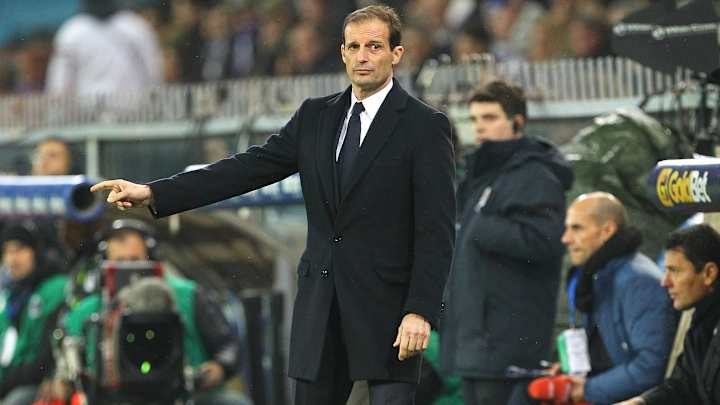
It’s difficult to imagine now, but when Massimiliano Allegri was appointed manager of Juventus three years ago, he was pelted with eggs by fans amid widespread discontent. On Sunday, as Juventus wrapped up a sixth straight Serie A title he basked in the adulation of fans as the Ultras begged him to beat Real Madrid on Saturday and bring home a first Champions League trophy in 21 years.
The form of that early skepticism may have been unpleasant, but the reasoning behind it was sound enough–there were doubts. It wasn’t just that Allegri had come straight from a four-year stint at AC Milan, one of Juve’s great rivals, it was that nobody was quite sure if he was any good. Nobody questions Allegri’s quality now. It’s not just that he has matched his predecessor Antonio Conte’s feat of winning three successive scudetti, it’s that he has made Juve a much more flexible side, which has been reflected in its progress in European competition.
Tale of the Tape: Real Madrid vs. Juventus in the Champions League final
A creative midfielder in his playing days, Allegri helped Pescara to promotion to Serie A in 1992, and although it was relegated a year later, he impressed sufficiently to earn a move to Cagliari. His on-field career, though, was largely itinerant, and he never came close to winning international recognition. He worked his way up as a manager as well, leading Sassuolo to promotion to Serie B and impressing with Cagliari before being appointed by Milan in 2010. He won the league in his first season, but, with the club undergoing a period of financial retrenchment, he was unable to build on that success and he was sacked in January 2013.
The fear at Juve was that his early success at Milan had essentially been built on the foundations left by Carlo Ancelotti and that he was more comfortable with younger players and journeymen than with genuine stars. Although it was clearly the correct policy in hindsight, Allegri did little to allay those fears in his first season, retaining the back three that Conte had employed so successfully and essentially allowing the train to run along the same tracks.
But where a fourth successive scudetto felt like more of the same, there was reason for encouragement in Europe. Conte had never led Juventus beyond the quarterfinal of the Champions League (he has still, remarkably, never won a knockout competition as a manager). Allegri seemed more prepared to adapt to the opposition. He did not, as Conte had, insist on the high-tempo, high-pressing approach for every game, and he reached the final, where Juventus was beaten by Barcelona.
Soccer Managers: When they were players
Antonio Conte, Chelsea
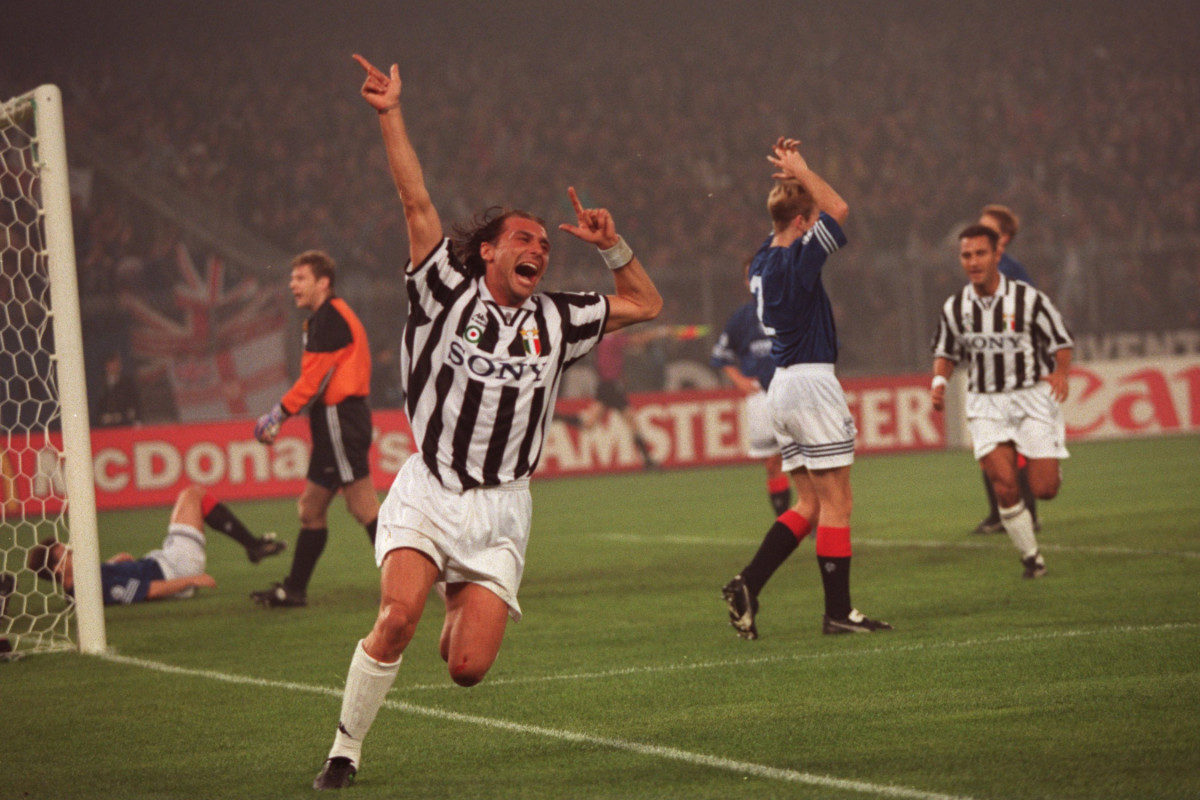
Antonio Conte celebrates a goal for Juventus against Rangers in the Champions League in 1995.
Carlo Ancelotti, Bayern Munich
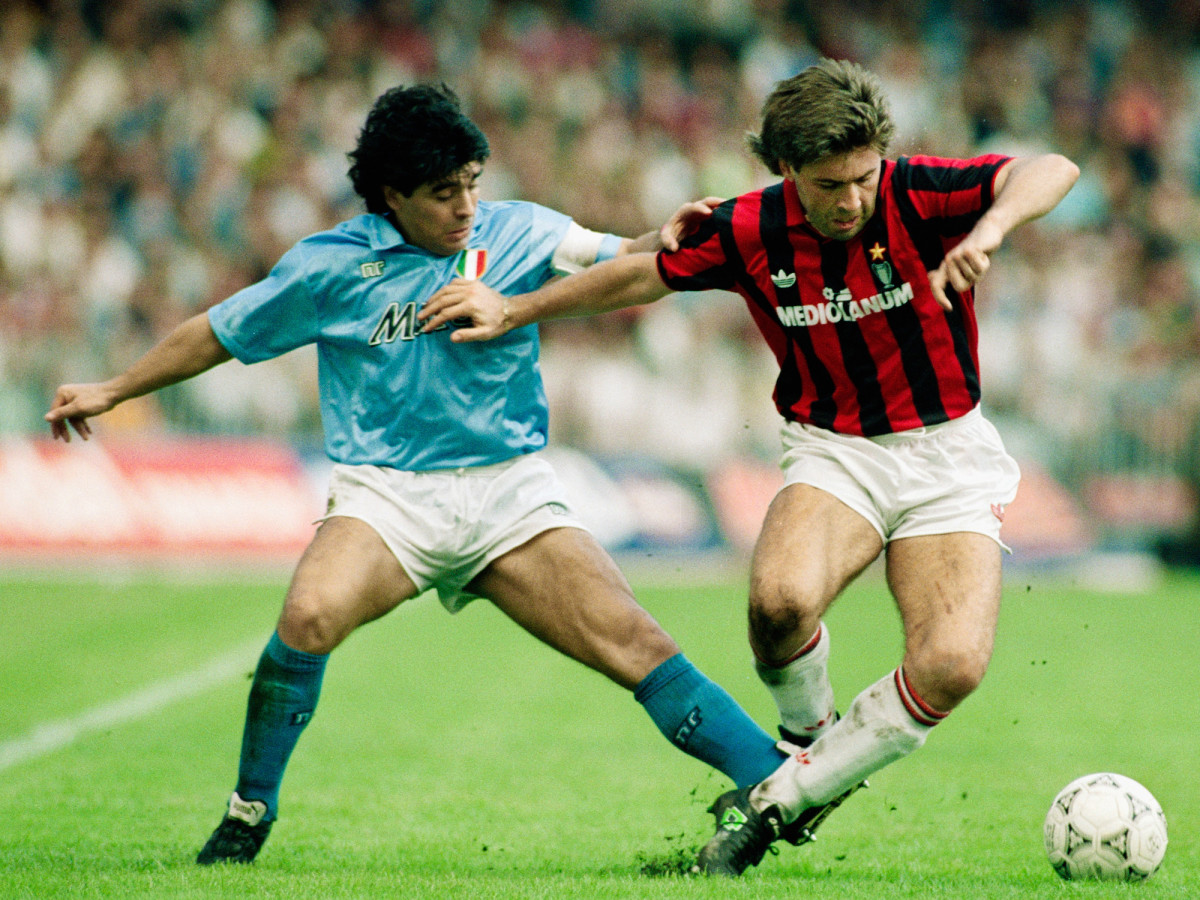
AC Milan's Carlo Ancelotti, right, goes head-to-head with Napoli's Diego Maradona when both played in Italy in October 1990.
Diego Simeone, Atletico Madrid
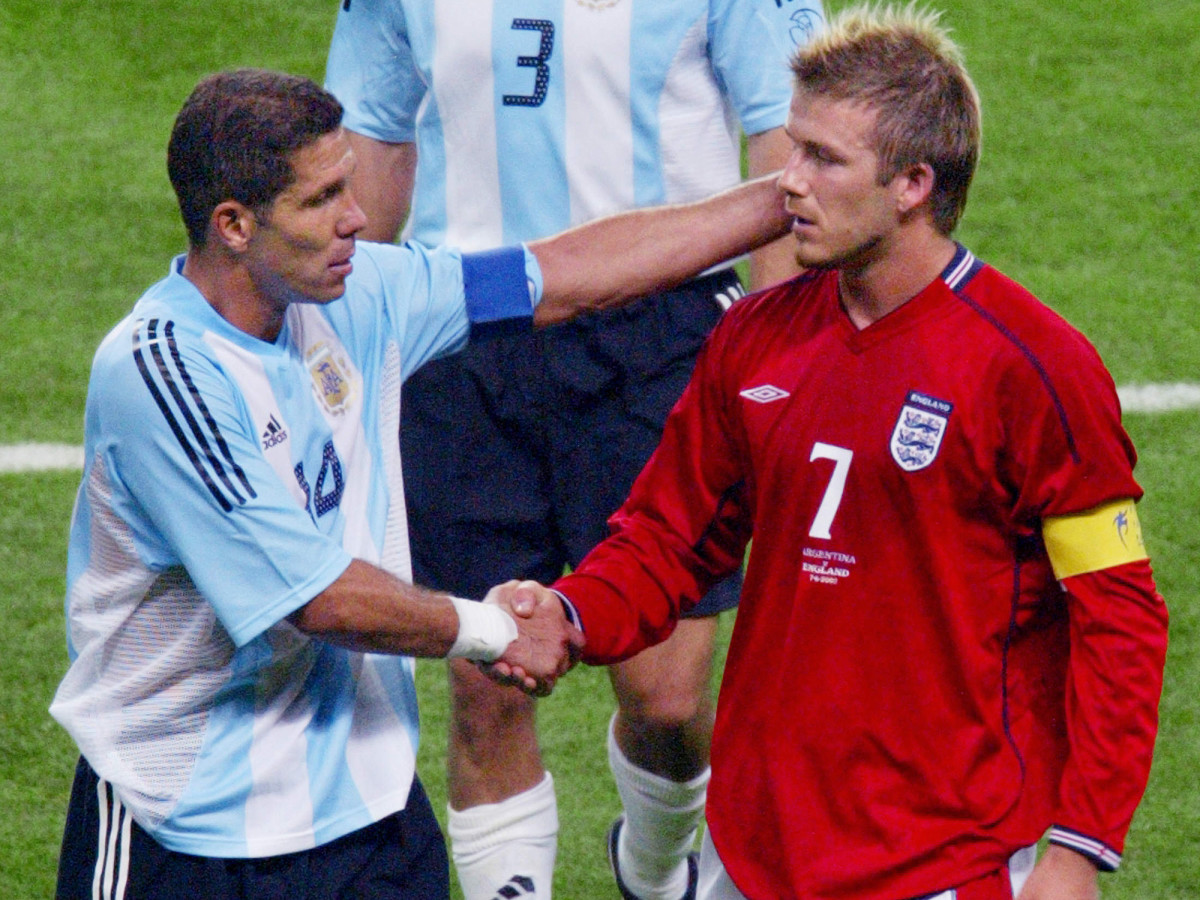
Argentina's Diego Simeone shakes hands with England's David Beckham after their match at the 2002 World Cup, four years after Beckham was sent off for kicking out at Simeone.
Diego Simeone, Atletico Madrid
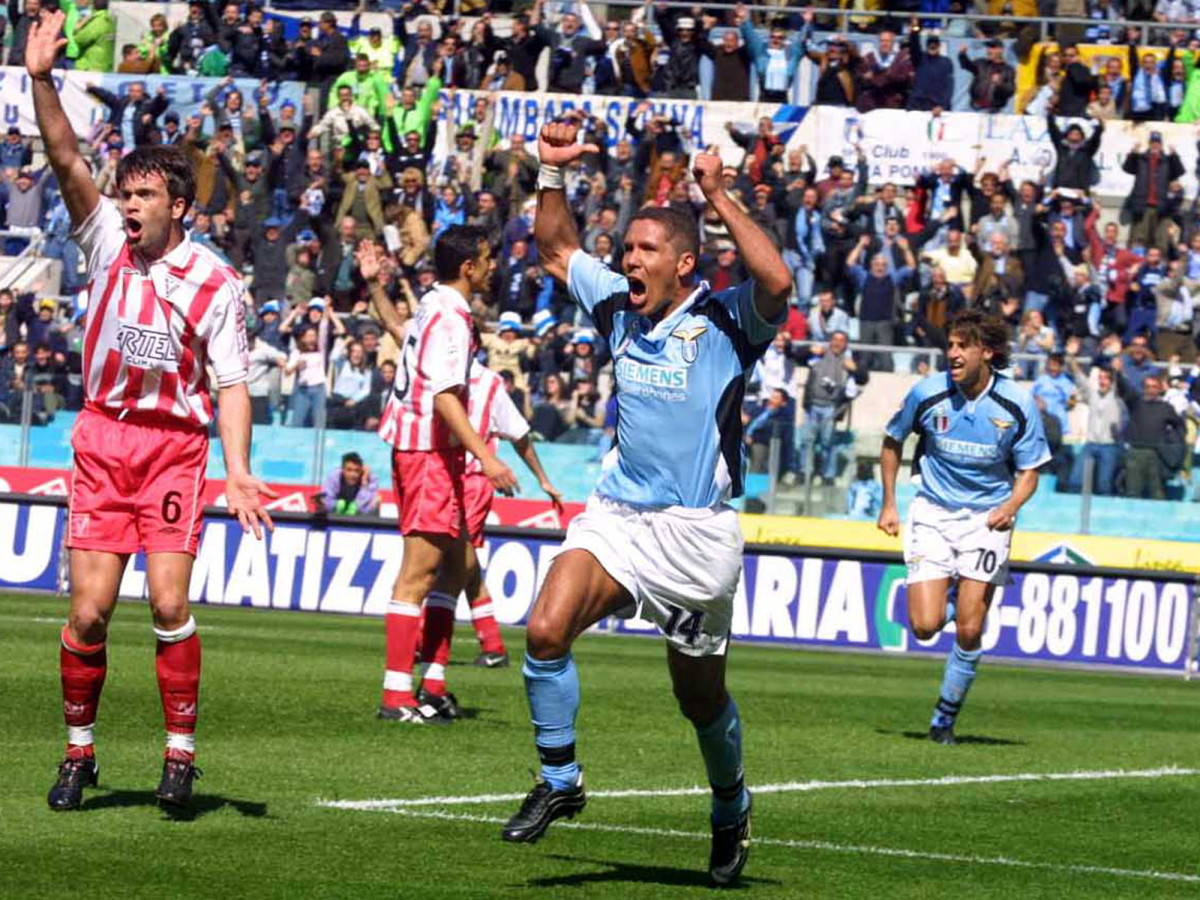
Diego Simeone celebrates scoring a goal for Lazio against Vicenza in a Serie A match in April 2001.
Jurgen Klinsmann, U.S. men's national team
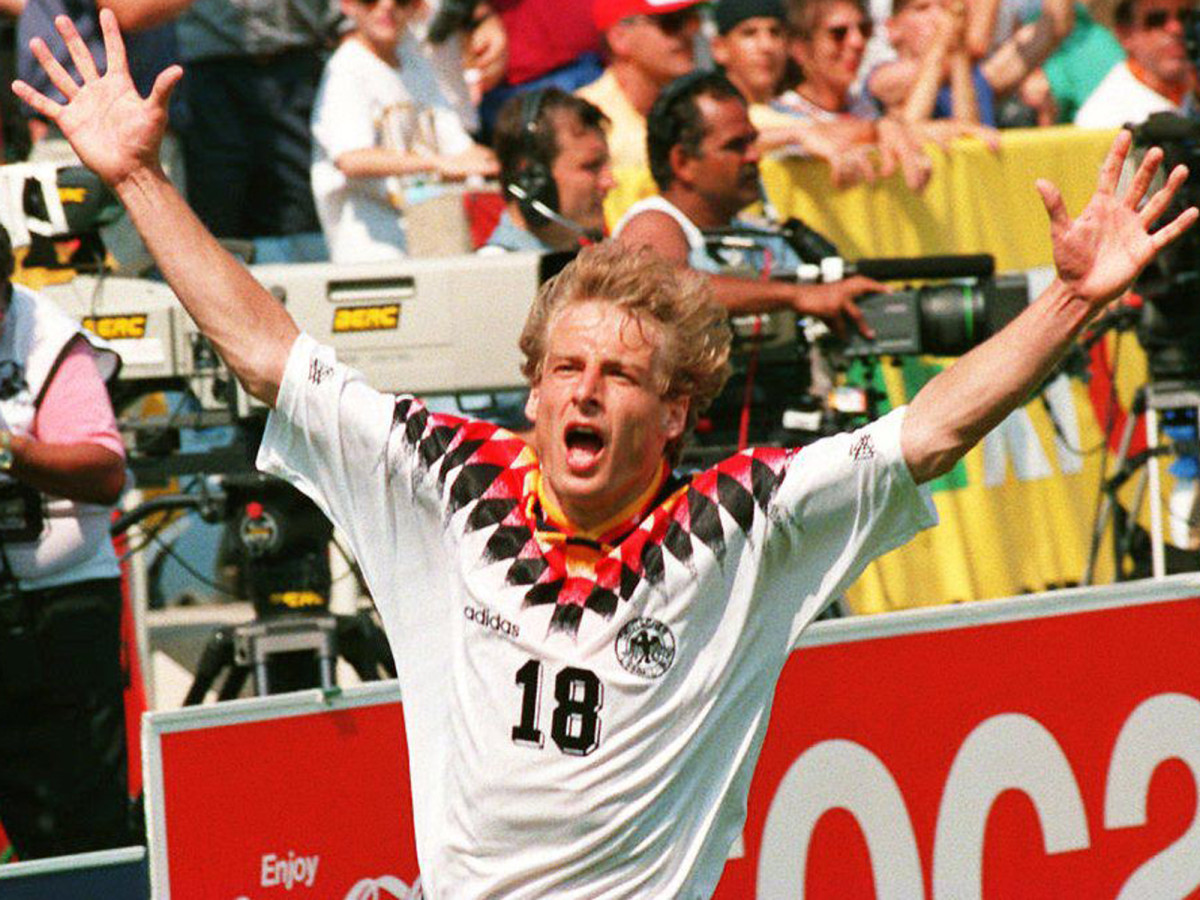
Jurgen Klinsmann celebrates after scoring Germany's lone goal in a 1-0 win over Bolivia in a 1994 World Cup match in Chicago.
Jurgen Klinsmann, U.S. men's national team
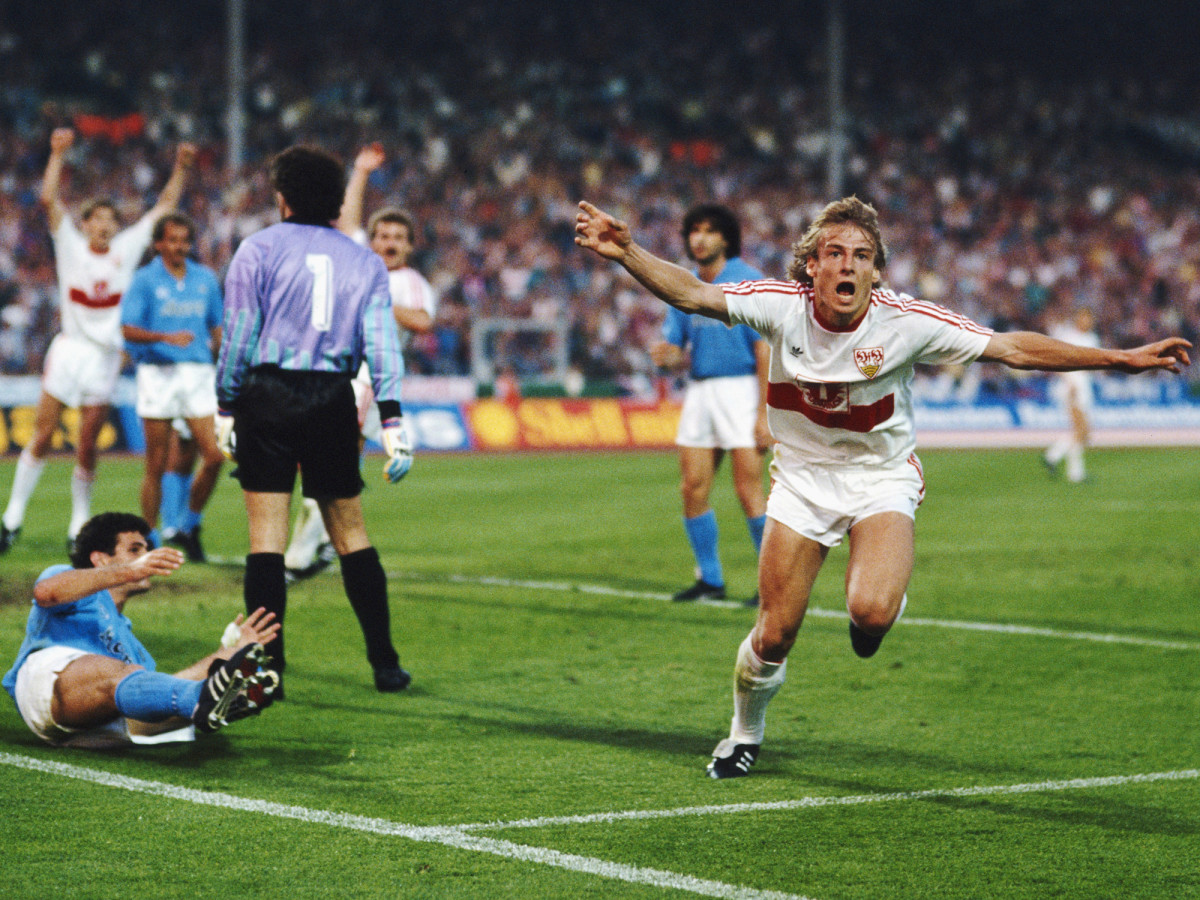
Jurgen Klinsmann celebrates after scoring the first Stuttgart goal in the 1989 UEFA Cup final second leg against Napoli in May 1989.
Jurgen Klopp, Liverpool
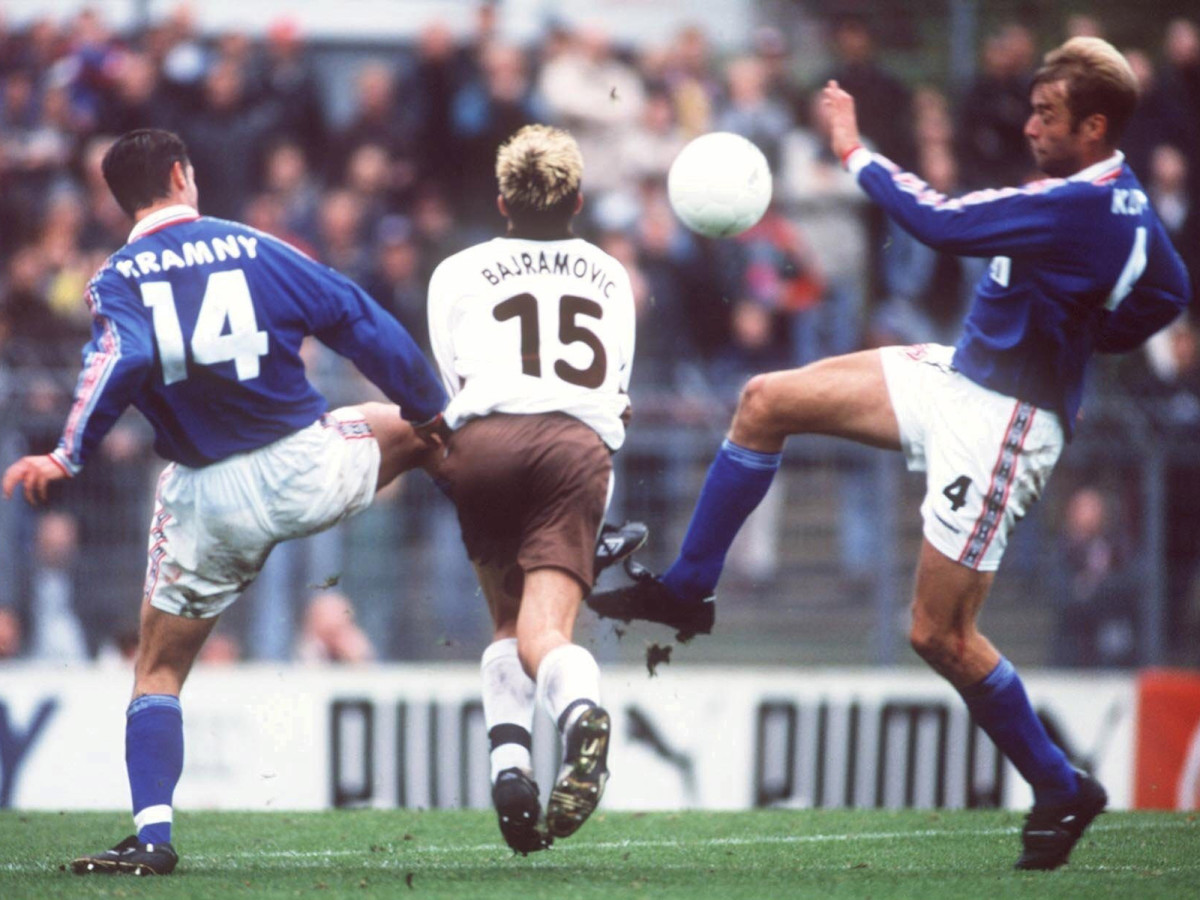
Jurgen Klopp, right, makes a play on the ball while playing for Mainz against St. Pauli in 1999.
Luis Enrique, Barcelona
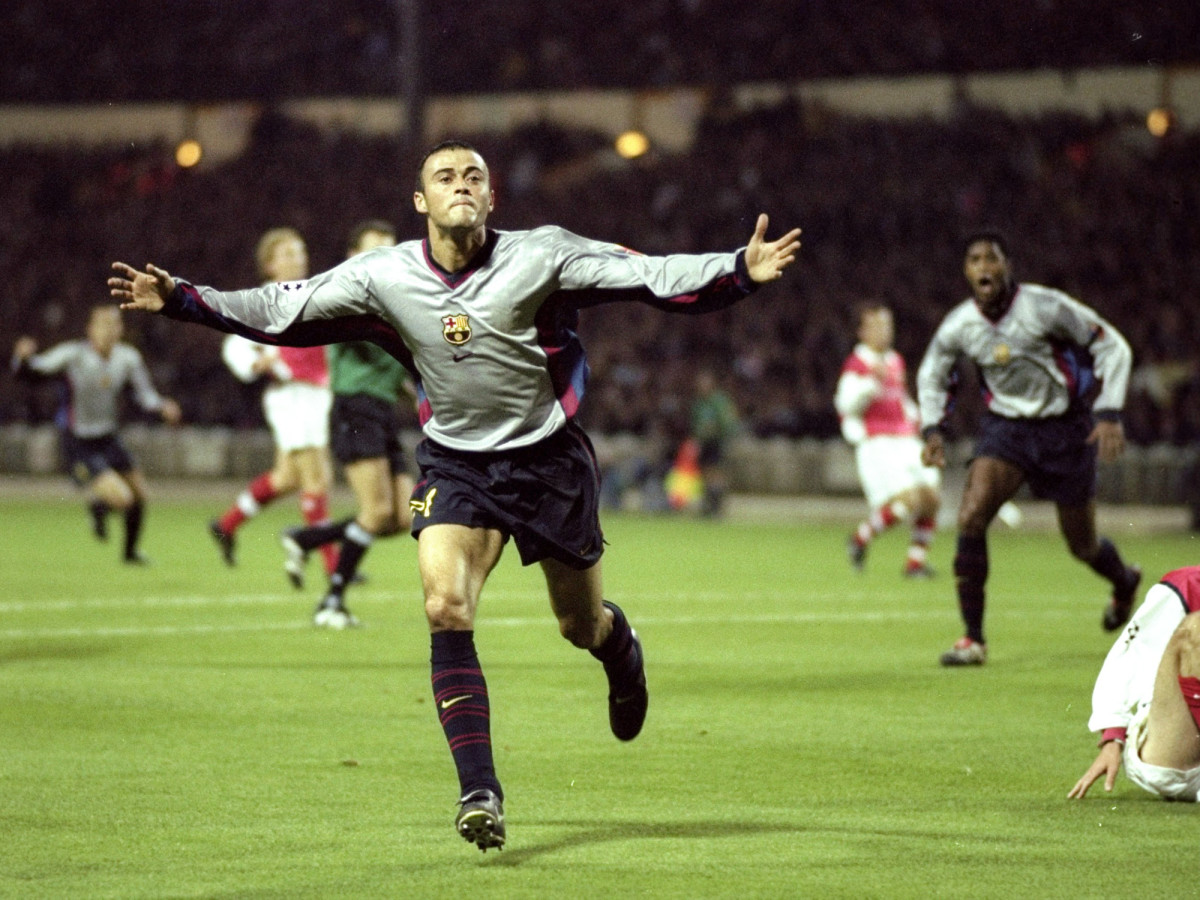
Luis Enrique scores for Barcelona against Arsenal in the group stage of the Champions League in October 1999 at Wembley Stadium.
Mauricio Pochettino, Tottenham
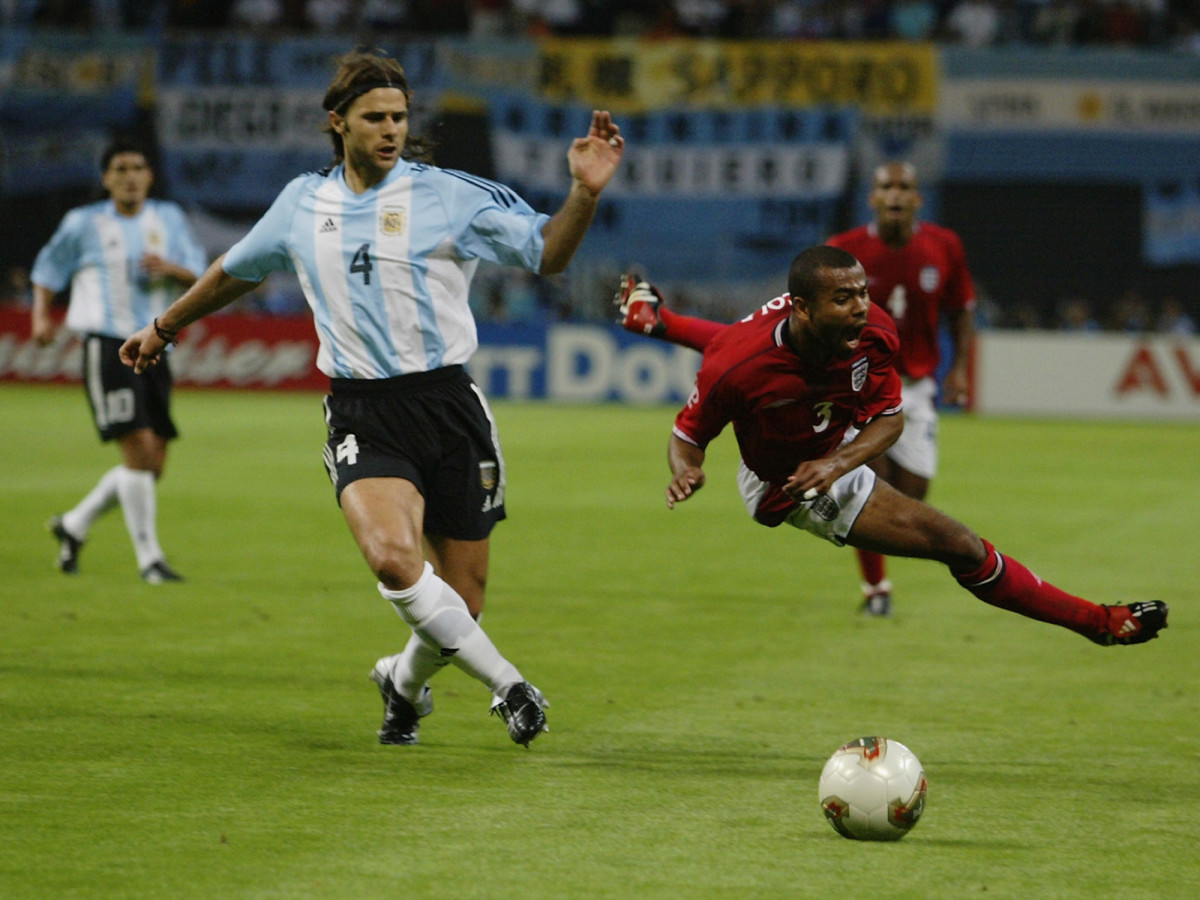
Argentina's Mauricio Pochettino takes down Engand's Ashley Cole in the group stage of the 2002 World Cup in Japan.
Joachim Low, Germany
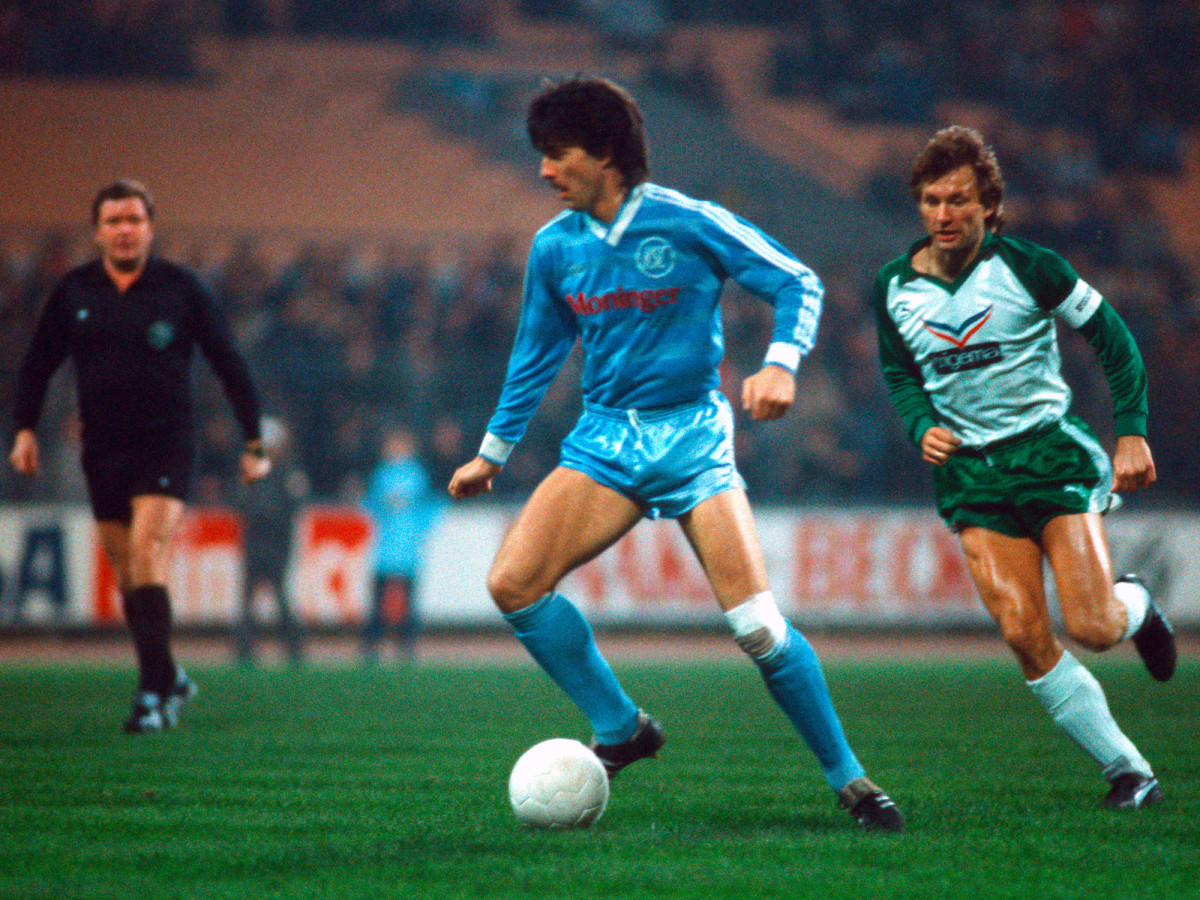
Joachim Low, playing for Karlsruher against Werder Bremen in a November 1984 Bundesliga match.
Patrick Vieira, New York City FC
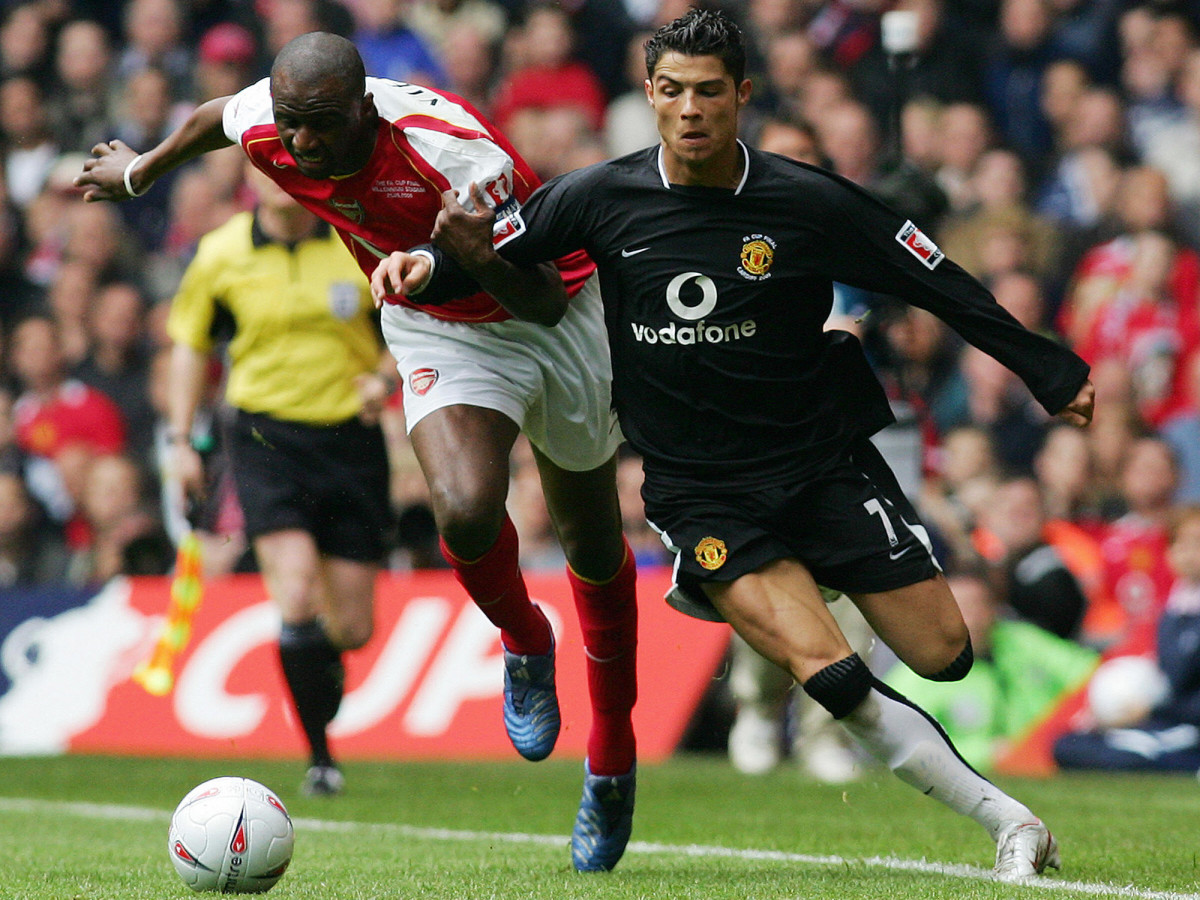
While starring at Arsenal, Patrick Vieira goes head-to-head with a young Cristiano Ronaldo in the Gunners' win over Manchester United in the 2005 FA Cup final.
Pep Guardiola, Manchester City
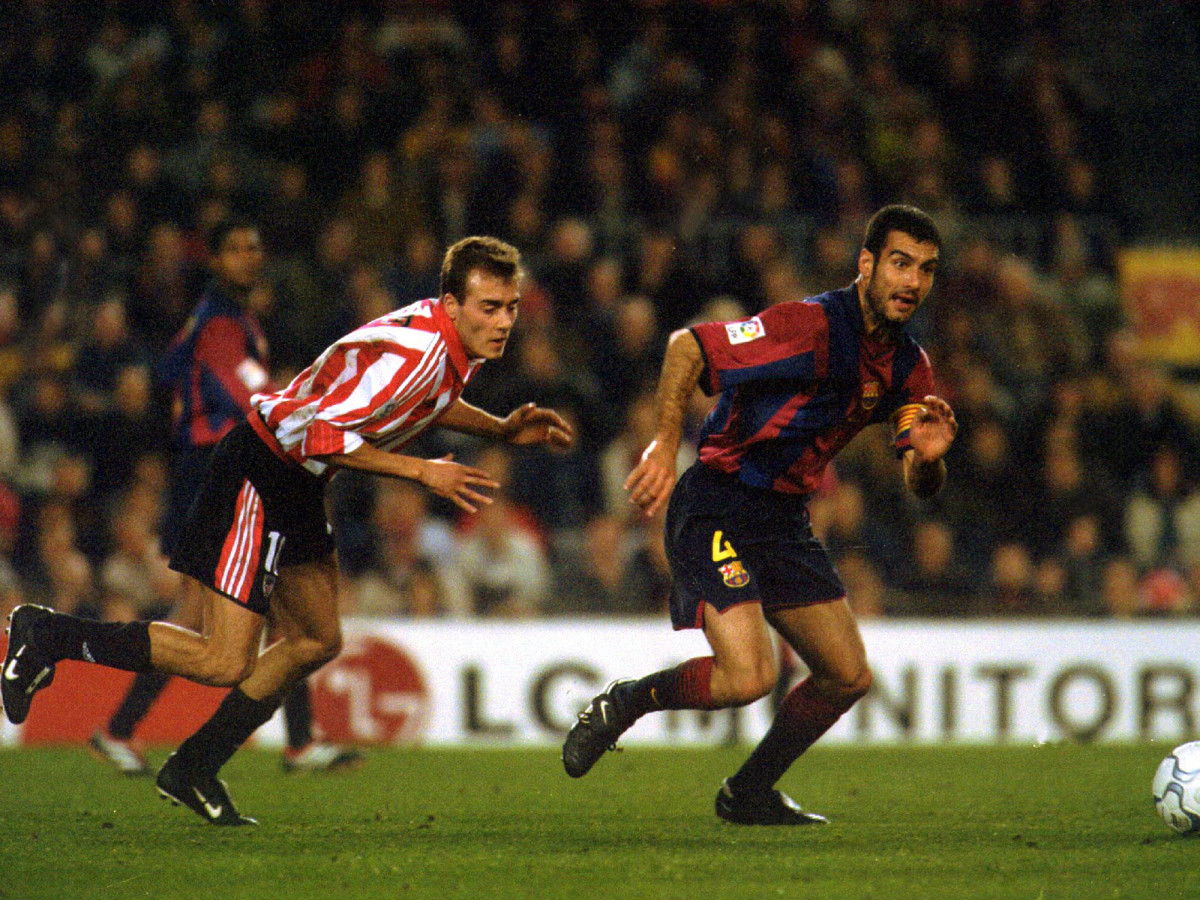
Pep Guardiola mans the midfield for Barcelona in a February 2001 match against Athletic Bilbao.
Pep Guardiola, Manchester City; Zinedine Zidane, Real Madrid
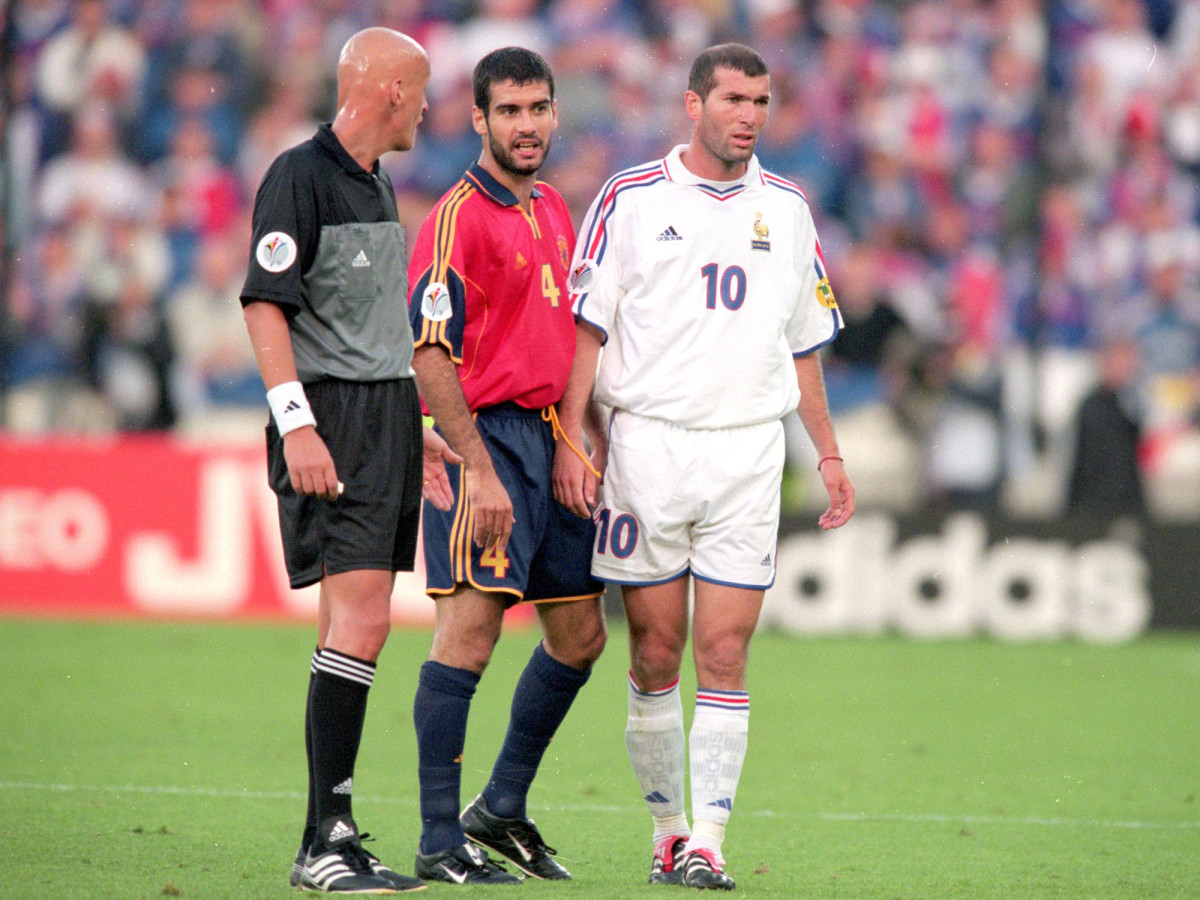
Pep Guardiola stands side-by-side with Zinedine Zidane in a Euro 2000 quarterfinal between Spain and France.
Zinedine Zidane, Real Madrid
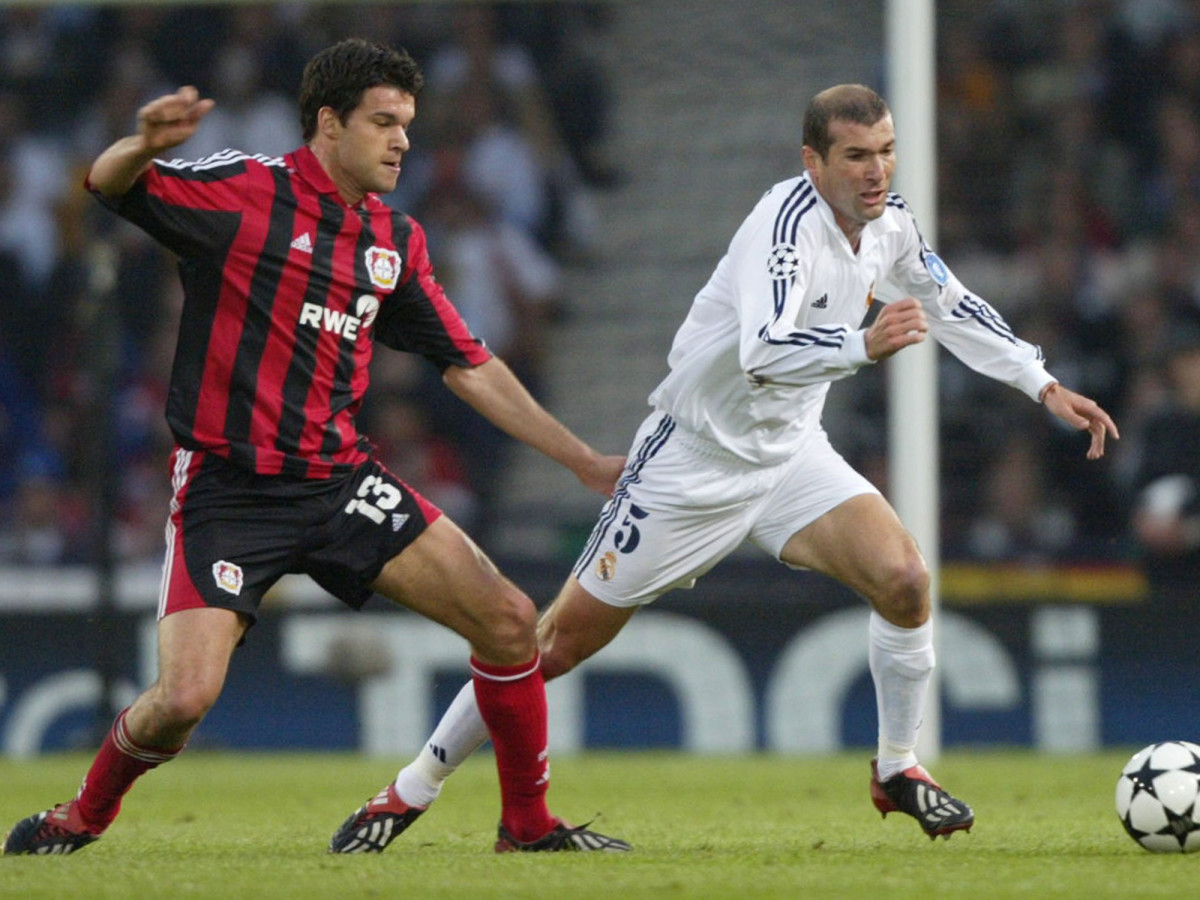
Zinedine Zidane escapes away from Michael Ballack in Real Madrid's 2002 Champions League final triumph over Bayer Leverkusen, in which Zidane scored the winning goal.
Zinedine Zidane, Real Madrid
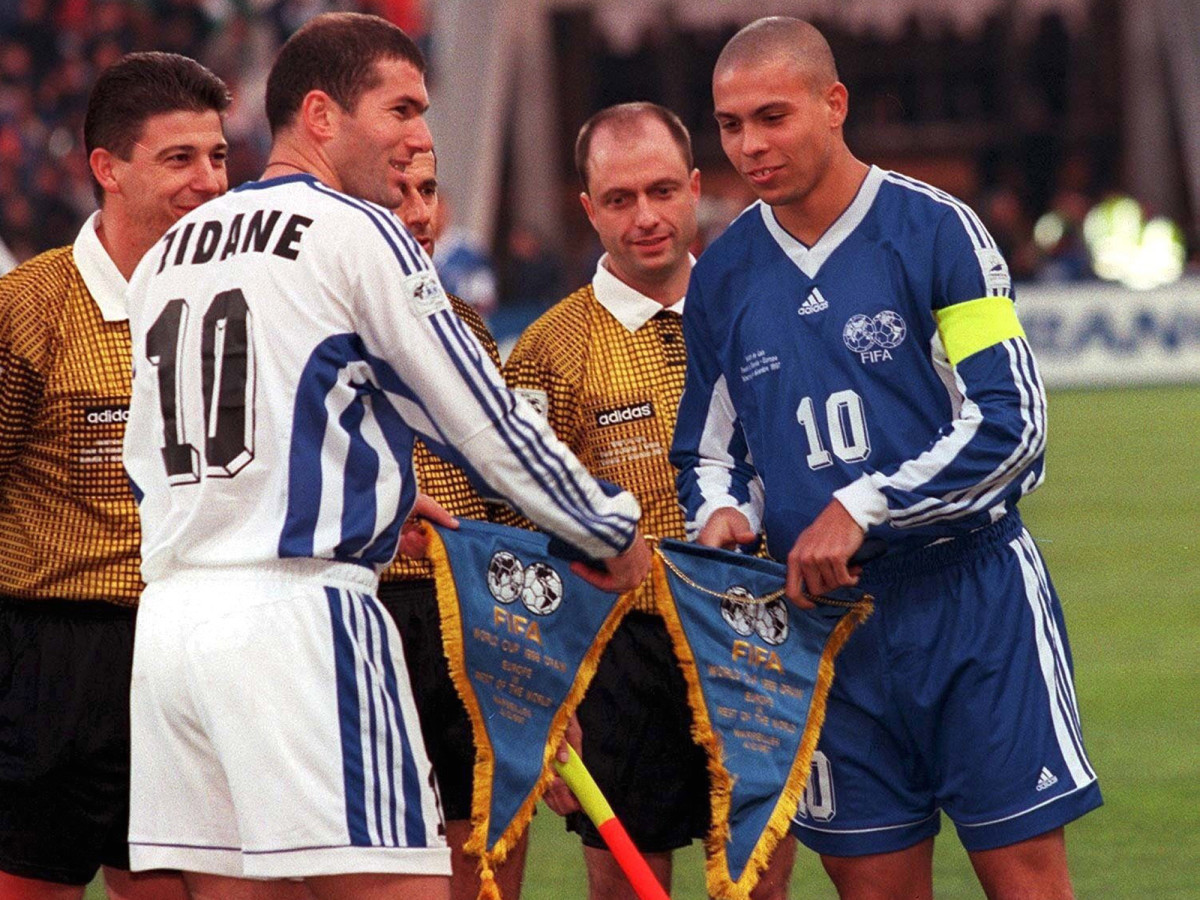
Zinedine Zidane led the European All-Stars, while Brazil's Ronaldo led the World All-Stars in a star-studded match in France prior to the 1998 World Cup draw.
Didier Deschamps, France
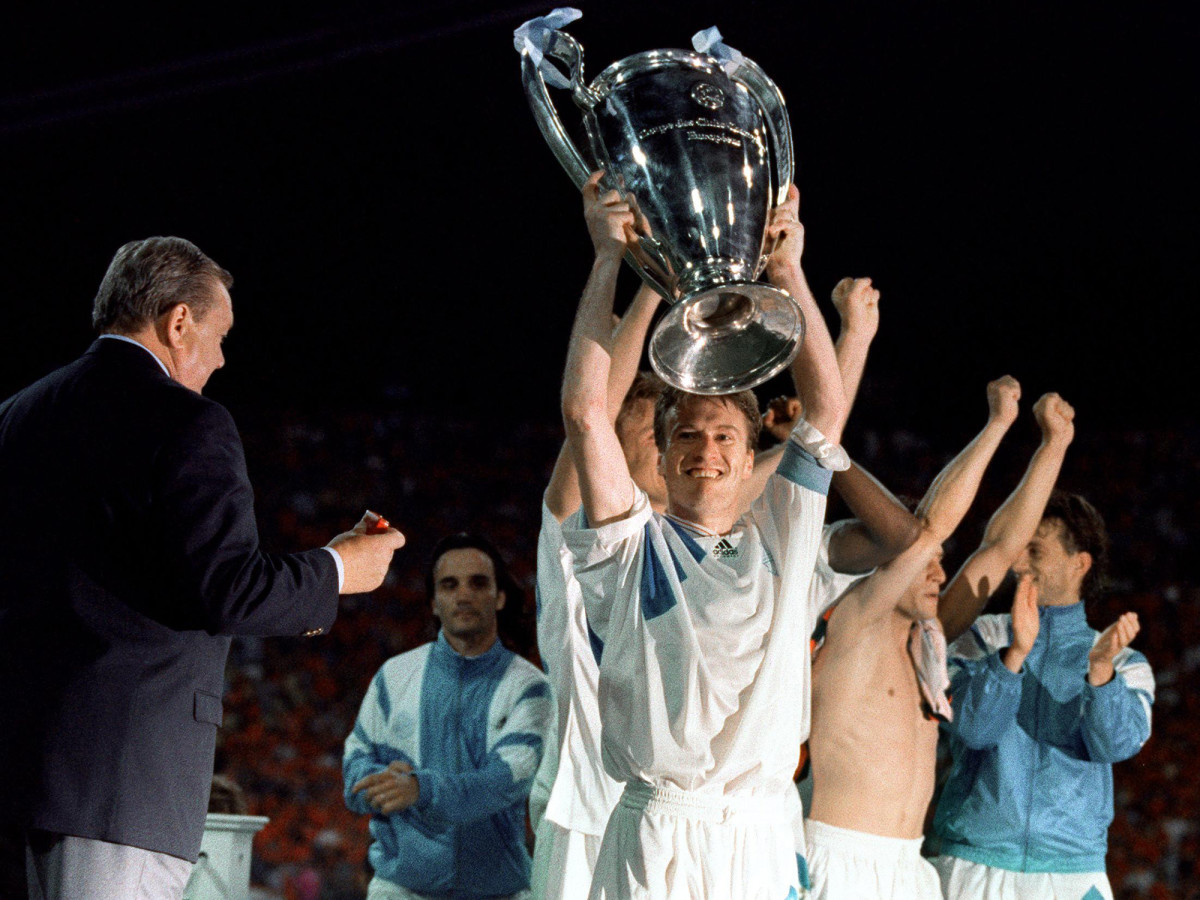
Didier Deschamps lifts the Champions League trophy with Marseille after captaining the squad to a triumph over AC Milan in 1993.
Ronald Koeman, Everton
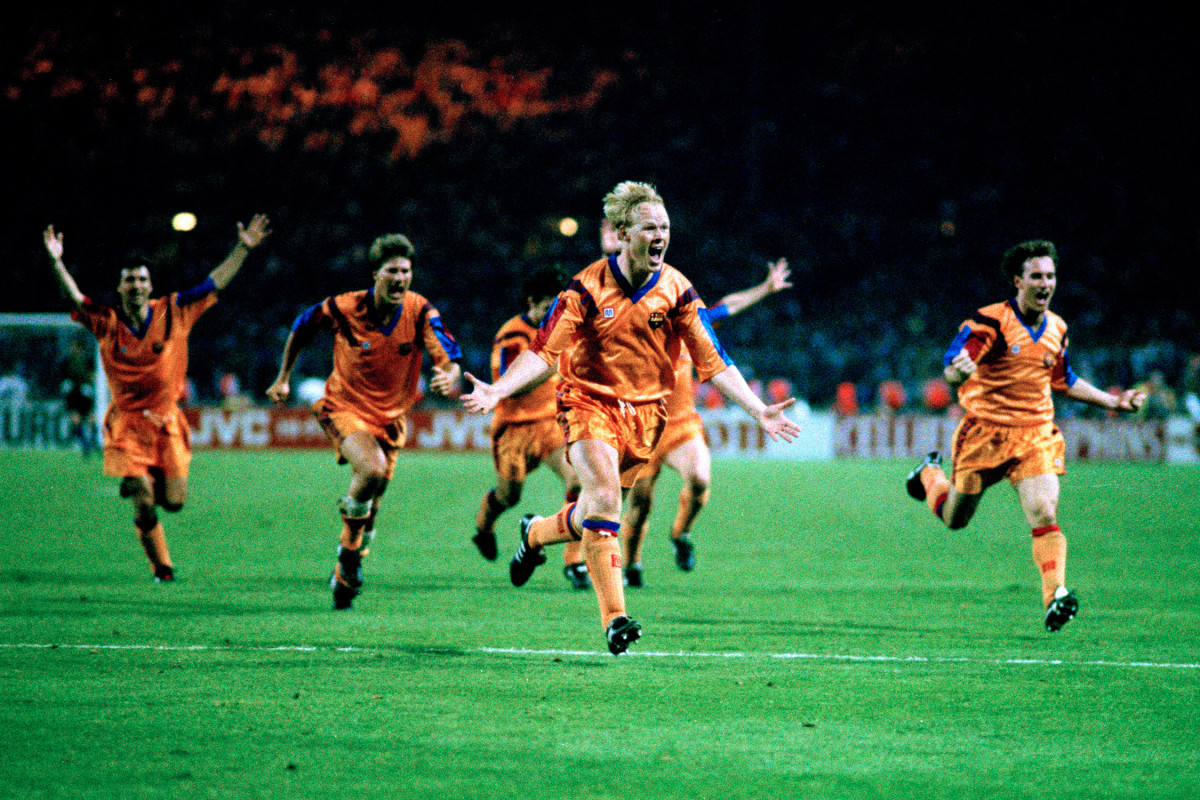
Ronald Koeman, front, celebrates after scoring the winning goal in the 1992 European Cup final for Barcelona against Sampdoria at Wembley Stadium.
Andriy Shevchenko, Ukraine
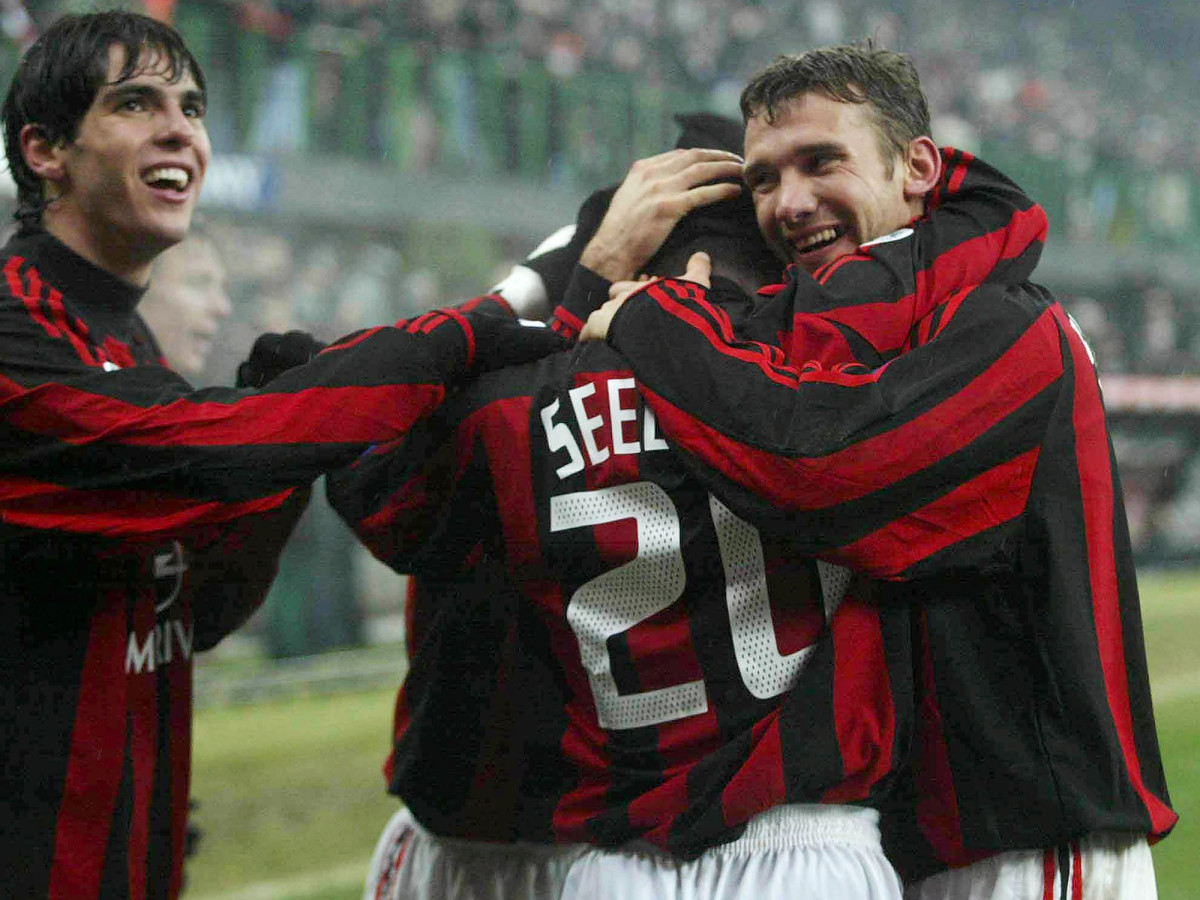
AC Milan's Andriy Shevchenko, right, is mobbed by Clarence Seedorf and Kaka after a goal against city rival Inter Milan at the San Siro in 2004.
As time has gone by, the evolution has become clearer. In part, it’s a matter of personality. Allegri simply lacks the intensity of Conte.
“I'm very laid back, it's my strength,” he told Gazzetta dello Sport. “I always remind the players that they should maintain a healthy carefree attitude, because thinking too much is bad for you.”
It’s likely that only three or four–depending on the defensive shape–of the Juve side that starts in Cardiff will have started the 2015 final in Berlin. From that side, Allegri has lost Paul Pogba, Arturo Vidal, Andrea Pirlo, Carlos Tevez and Alvaro Morata and yet Juve has probably improved since then. Five players who started in the win over Crotone that sealed the league title had just joined the club last summer.
Allegri had intended to take time off after leaving Milan, spending the six months between his dismissal and the offer of the Juventus job traveling to observe other clubs, particularly in England. Where Conte, although adaptable in terms of shape, has a clear idea of the style in which he wants his sides to play, Allegri is more pragmatic.
“We need to start from a presupposition,” he said in an interview with The Guardian in 2015. “Namely that there is no ‘better’ football and no ‘worse’ kind of football, just different styles and cultures that belong to each country.”
Arsenal's core issues remain after Wenger signs new two-year extension
At the start of the season, Juve wasn't quite flowing. The new signings seemed not quite to have fit in, and pundits were asking if Gonzalo Higuain and Miralem Pjanic had been signed because Juve had a plan for them, or because buying them weakened Napoli and Roma. Juve was still winning games–it has a huge financial advantage over every other side in Serie A–but it wasn’t convincing. After a defeat at Fiorentina in January, Allegri shifted to a 4-2-3-1, with Mario Mandzukic in an unexpected marauding role on the left.
His flexibility had an instant impact. Juve promptly won 10 in a row and began to look like not merely like a difficult side but potential European champions. As at Milan, Allegri has inherited solid foundations (although this time there was no Leonardo interval to disrupt things).
This time, with more financial backing, his evolutionary approach looks to be paying off.
 Add us as a preferred source on Google
An accomplished author of multiple books, Jonathan Wilson is one of the world’s preeminent minds on soccer tactics and history.