%20%20--%3E%0A%3Csvg%20version%3D%221.1%22%20id%3D%22Layer_1%22%20xmlns%3D%22http%3A%2F%2Fwww.w3.org%2F2000%2Fsvg%22%20xmlns%3Axlink%3D%22http%3A%2F%2Fwww.w3.org%2F1999%2Fxlink%22%20x%3D%220px%22%20y%3D%220px%22%0A%09%20width%3D%2239px%22%20height%3D%2240px%22%20viewBox%3D%220%200%2039%2040%22%20enable-background%3D%22new%200%200%2039%2040%22%20xml%3Aspace%3D%22preserve%22%3E%0A%3Cpath%20fill%3D%22%23FFFFFF%22%20d%3D%22M38.5%2C7H28.2v26h10.3V7z%22%2F%3E%0A%3Cpath%20fill-rule%3D%22evenodd%22%20clip-rule%3D%22evenodd%22%20fill%3D%22%23FFFFFF%22%20d%3D%22M26.1%2C25.5c0%2C5.8-4.1%2C7.5-12.9%2C7.5C3.9%2C33%2C0%2C31.2%2C0%2C25.2v-1.1h11.6%0A%09v2.4c0%2C0.7%2C0.1%2C1.4%2C1.2%2C1.4c1%2C0%2C1.2-0.4%2C1.2-1.3v-0.9c0-1.6-0.9-1.6-3.5-2.2C2.2%2C21.7%2C0%2C19.7%2C0%2C15.3v-0.9C0%2C9.3%2C5.5%2C7%2C12.9%2C7%0A%09c10.2%2C0%2C12.8%2C2.6%2C12.8%2C7.4v1.8h-11v-2.9c0-0.6-0.4-1.1-1.2-1.1c-0.6%2C0-1.2%2C0.4-1.2%2C1.1v0.9c0%2C1.5%2C0.9%2C2%2C3.3%2C2.5%0A%09c8%2C1.6%2C10.5%2C3.3%2C10.5%2C7.5V25.5z%22%2F%3E%0A%3C%2Fsvg%3E%0A)
Jose Mourinho’s Bombshell Man Utd Revelation Changes Everything
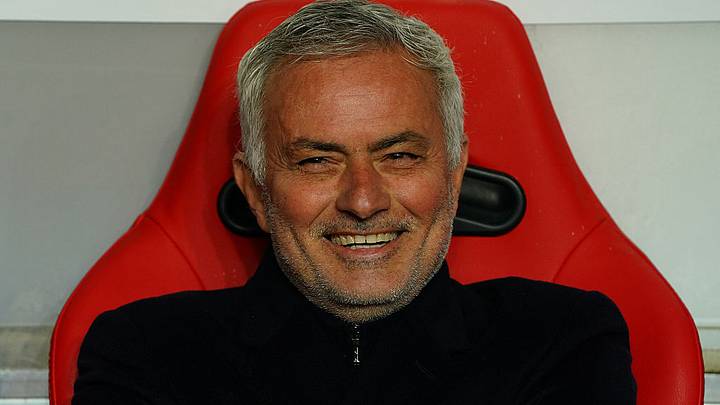
Current Real Madrid manager José Mourinho has revealed that he was lined up to be Sir Alex Ferguson’s immediate successor at Manchester United back in 2013, before pulling out of the appointment to return to Chelsea instead.
Ferguson retired from his role as United manager after a legendary 26-year spell, during which time he won 13 Premier League titles, five FA Cups and two Champions Leagues, among other honors.
David Moyes was eventually annoited as the next man in the dugout at Old Trafford, having been handpicked by Ferguson. This led to Moyes being dubbed “The Chosen One”—a moniker that came back to bite the former Everton boss who was sacked after less than a full season as he struggled to replicate the success of the Ferguson years.
The choice of Moyes as his successor came to be seen as a grave mistake by Ferguson and the Manchester United hierarchy, who seemingly allowed the outgoing manager to select his own replacement. However, Mourinho has now dropped a bombshell, providing a different, previously unheard, narrative about who Ferguson’s first choice was.
“When I left Real Madrid, I signed to go to Manchester United after Sir Alex,” he said on the new Netflix series Mourinho about his life and career.
This version of event is confirmed by Ferguson, who also appears as a contributor in the docuseries.
“I sat him [Mourinho] down and explained the situation," the 84-year-old claims. "As far as I was concerned, he was accepting. And then, within hours, it changed.”
Why Did Mourinho Turn Down Manchester United?
It could have all been so different. José Mourinho says he agreed to replace Sir Alex Ferguson when he left Manchester United in 2013.
— Netflix UK & Ireland (@NetflixUK) August 10, 2026
Watch all three episodes of MOURINHO on Netflix from tomorrow. pic.twitter.com/gLtnLT0GoL
Mourinho then reveals that he performed a U-turn on his decision to take the United job, instead choosing to return to Chelsea, where he had won two Premier League titles earlier in his career.
Ferguson adds: “One night, he phoned me and he was crying and he says: ‘Alex, I can't take it. I've given my word to Chelsea and I'm not going to break my word.'
“The reason he gave to me, I could understand, but I was disappointed.”
Mourinho explained that his affinity to Chelsea led him back to London after a tumultuous time as Real Madrid manager, where his final season in 2012–13 ended trophyless amid a series of off-field feuds with players, officials and the media.
“One thing is love for football, another thing is love for a certain club,” Mourinho reasoned as he explained his decision to choose Chelsea over United..
“I think this is more powerful than love for football and fundamentally, after Real Madrid, I needed to feel that I’m loved.
“For me to lose the chance to be the coach to succeed Sir Alex Ferguson was dramatic, but I don’t regret [it] because it was a decision that I made with my heart.”
There is more than an implication that had his time at Madrid ended better, Manchester United’s difficuly post-Ferguson transition might’ve looked quite different.
Mourinho did eventually find his way to United, taking charge of the English giants between 2016—2018. His time in Manchester was ultimately a mixed bag. While the Portuguese manager won the League Cup and Europa League in the 2016–17, he failed to restore the club to its former heights—though it’s an accusation that can be made against all of Ferguson’s successors to date. He also clashed with several high-profile United players including Paul Pogba.
Thirteen years on since leaving the Bernabéu, Mourinho returned to Real Madrid this summer, having been re-appointed as manager by president Florentino Pérez.
 Add us as a preferred source on Google
Andy Headspeath is a Real Madrid correspondent for Sports Illustrated FC. Originally from the UK, the weather, culture and soccer lured him to Spain over a decade ago where he lives with his wife, son and two untrainable dogs. A player of unspeakably limited talents and only one fully functional knee, he has more than a decade's experience in a wide variety of editorial roles within sports media, from match reporting to in-depth feature writing and interviews. He specializes in soccer history and culture, as well as—of course—La Liga.