%20%20--%3E%0A%3Csvg%20version%3D%221.1%22%20id%3D%22Layer_1%22%20xmlns%3D%22http%3A%2F%2Fwww.w3.org%2F2000%2Fsvg%22%20xmlns%3Axlink%3D%22http%3A%2F%2Fwww.w3.org%2F1999%2Fxlink%22%20x%3D%220px%22%20y%3D%220px%22%0A%09%20width%3D%2239px%22%20height%3D%2240px%22%20viewBox%3D%220%200%2039%2040%22%20enable-background%3D%22new%200%200%2039%2040%22%20xml%3Aspace%3D%22preserve%22%3E%0A%3Cpath%20fill%3D%22%23FFFFFF%22%20d%3D%22M38.5%2C7H28.2v26h10.3V7z%22%2F%3E%0A%3Cpath%20fill-rule%3D%22evenodd%22%20clip-rule%3D%22evenodd%22%20fill%3D%22%23FFFFFF%22%20d%3D%22M26.1%2C25.5c0%2C5.8-4.1%2C7.5-12.9%2C7.5C3.9%2C33%2C0%2C31.2%2C0%2C25.2v-1.1h11.6%0A%09v2.4c0%2C0.7%2C0.1%2C1.4%2C1.2%2C1.4c1%2C0%2C1.2-0.4%2C1.2-1.3v-0.9c0-1.6-0.9-1.6-3.5-2.2C2.2%2C21.7%2C0%2C19.7%2C0%2C15.3v-0.9C0%2C9.3%2C5.5%2C7%2C12.9%2C7%0A%09c10.2%2C0%2C12.8%2C2.6%2C12.8%2C7.4v1.8h-11v-2.9c0-0.6-0.4-1.1-1.2-1.1c-0.6%2C0-1.2%2C0.4-1.2%2C1.1v0.9c0%2C1.5%2C0.9%2C2%2C3.3%2C2.5%0A%09c8%2C1.6%2C10.5%2C3.3%2C10.5%2C7.5V25.5z%22%2F%3E%0A%3C%2Fsvg%3E%0A)
The Biggest Threat to College Sports Is Schools’ Unlimited Spending
College sports’ latest opportunity to beg, borrow and steal some way to a congressional solution to its problems spent just over three hours on Wednesday talking about everything under the sun negatively impacting the industry.
Agent fees. Media rights. Sports medicine. Dwindling Olympic sports investment. A potential super league. Conference realignment. Lane Kiffin. You name it, it was probably brought up under the guise of a hearing for the recently introduced Protect College Sports Act.
“Today, tragically, the foundation underneath college sports is cracking,” the bill’s co-sponsor, Sen. Ted Cruz (R-Texas), said during his opening remarks. “This problem wasn’t caused by student-athletes profiting from their name, image and likeness. The problem is, the old system was dismantled without a durable replacement. College athletics is being torn apart from every direction.”
Though no one is denying that college athletics collectively has its fair share of self-inflicted hardships and issues, the diatribes given on Capitol Hill this week avoided any sort of detailed discussion that ratings are as high as they’ve ever been the last few years. Record revenues are being received by schools in just about every area of the balance sheet. There was only cursory acknowledgement that players currently have it better than ever, too, with increased protection around scholarships and medical costs. Plus an actual market has developed for their services which is minting more millionaires on a yearly basis than any place outside of the artificial intelligence bubble.
Left unsaid by everyone bending over backwards purportedly trying to save college sports, however, was something no one was banging their hand on the table to put a stop to. Spending less on the kids? Sure there’s near universal agreement on doing that with statements supporting hard caps, cost containment and antitrust protections surrounding transfers.
Spending less on the adults in the room, though? Well that’s a bridge so far it might as well have been relegated to a Hawai’i football postgame show on an obscure streaming service.
This latest assembly of notable names served as yet another reminder of just that. Tangibly “saving” college sports in its current form will require schools to stop operating as they have been. The system has changed but the approach of those running it hasn’t.
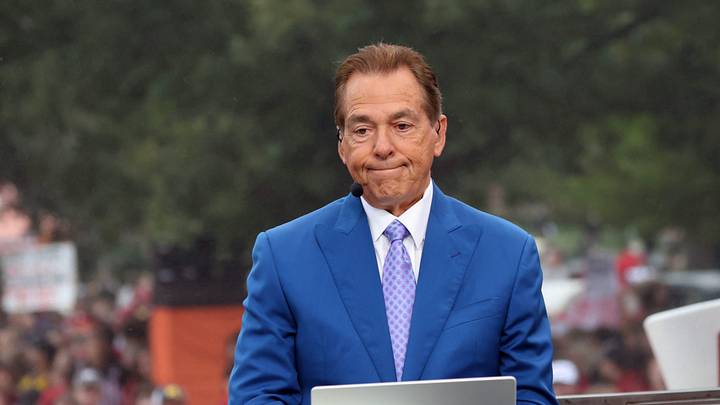
Nick Saban perfectly encapsulated this misguided thinking during his time in front of the Senate Commerce Committee. Despite retiring as one of the highest-paid coaches in the country and regularly making more than $10 million a year, he railed against spiraling roster costs that are now approaching $40 million—showing no signs of abating as if that’s the end of the world.
“I think if we keep going in the direction that we’re going and making these huge investments in football and basketball in terms of paying players—which is going up and up and up—that we should change their [title] from student-athlete to athlete that’s a student because we’re going to have professional sports teams that are sponsored by colleges and universities. That’s what’s going to happen because we’re going to be paying a player so much,” said Saban. “Like they say back in West Virginia, it’s not about the money—it’s about how much. Everything that happens is about how much money can we create and are we deploying it in the right places.”
So where is the talk of reining in coaching salaries in order to balance those books with players making more than ever? The bill as written does contend with the coaching market, but in terms of the calendar and not the dollar figures.
Someone like Kiffin or Saban is still free to take a $100 million contract in the new world order where the Protect College Sports Act has been signed into law, they just can’t bail on their soon-to-be-former team until after the season concludes. The only thing this regulates is when an agent like Jimmy Sexton buys a bigger boat, not if he’s going to do so.
“What this bill provides is more certainty than we have today,” said Pac-12 commissioner Teresa Gould. “If you’re a university president trying to make decisions about funding for an athletic department, if you’re an athletic director, if you’re a conference commissioner who’s constantly getting reduced distributions because of litigation, this creates more certainty. To me, more certainty allows the leaders in our industry to make the appropriate decisions to fund broad-based programs.”
Something far more certain: College sports could not be driven mad by the threat of competition to constantly one-up other schools just to land a power forward or a backup left tackle at the last minute. That kind of approach would address the issues plaguing college athletics better than any overbearing law could. Maybe one day we’ll even see some actual reductions to certain line items as programs finally realize that spending a half-million dollars on a receiver impacts winning far more than spending the same on an associate athletic director with nebulous duties.
Until that winds up being the case though, everyone in charge will keep banging the drum that increased spending on players is some sort of boogeyman which puts the entire enterprise in peril instead of remembering who it is fans show up to see every Saturday.
“I’ve experienced the impact of NIL, the transfer portal, conference realignment, evolving eligibility rules and the many changes shaping modern college athletics. These issues are often discussed through the lands of policy, economics and governance. But behind every decision are real students,” said Utah defensive end Lance Holtzclaw, the lone active athlete invited to speak at the hearing. “The student-athlete voice must remain a part of these conversations. Decisions about college athletics should not be made solely for student-athletes, but made with student-athletes.”
A novel concept which seemed to be lost as leaders in the space spent 184 minutes on Wednesday dancing around the subject.
That’s par for the course considering millions of lobbying dollars have been spent in and around Washington, D.C., the past few years by the collective leadership in college athletics and it has gotten them nothing in return.
That won’t end up changing until the folks in charge start to change themselves, starting with treating the athletes they’re nominally in charge of as peers instead of simply competitors for the almighty dollar out there.
Based on what was discussed at Congress’s latest attempt to make a show of saving college sports, we’re still a long way from that being the case.
More College Football From Sports Illustrated
Listen to SI’s college sports podcast, Others Receiving Votes, below or on Apple and Spotify. Watch the show on SI’s College YouTube channel.
 Add us as a preferred source on Google
Bryan Fischer is a staff writer at Sports Illustrated covering college sports. He joined the SI staff in October 2024 after spending nearly two decades at outlets such as FOX Sports, NBC Sports and CBS Sports. A member of the Football Writers Association of America’s All-America Selection Committee and a Heisman Trophy voter, Fischer has received awards for investigative journalism from the Associated Press Sports Editors and FWAA. He has a bachelor’s in communication from USC.
Follow bryandfischer