%20%20--%3E%0A%3Csvg%20version%3D%221.1%22%20id%3D%22Layer_1%22%20xmlns%3D%22http%3A%2F%2Fwww.w3.org%2F2000%2Fsvg%22%20xmlns%3Axlink%3D%22http%3A%2F%2Fwww.w3.org%2F1999%2Fxlink%22%20x%3D%220px%22%20y%3D%220px%22%0A%09%20width%3D%2239px%22%20height%3D%2240px%22%20viewBox%3D%220%200%2039%2040%22%20enable-background%3D%22new%200%200%2039%2040%22%20xml%3Aspace%3D%22preserve%22%3E%0A%3Cpath%20fill%3D%22%23FFFFFF%22%20d%3D%22M38.5%2C7H28.2v26h10.3V7z%22%2F%3E%0A%3Cpath%20fill-rule%3D%22evenodd%22%20clip-rule%3D%22evenodd%22%20fill%3D%22%23FFFFFF%22%20d%3D%22M26.1%2C25.5c0%2C5.8-4.1%2C7.5-12.9%2C7.5C3.9%2C33%2C0%2C31.2%2C0%2C25.2v-1.1h11.6%0A%09v2.4c0%2C0.7%2C0.1%2C1.4%2C1.2%2C1.4c1%2C0%2C1.2-0.4%2C1.2-1.3v-0.9c0-1.6-0.9-1.6-3.5-2.2C2.2%2C21.7%2C0%2C19.7%2C0%2C15.3v-0.9C0%2C9.3%2C5.5%2C7%2C12.9%2C7%0A%09c10.2%2C0%2C12.8%2C2.6%2C12.8%2C7.4v1.8h-11v-2.9c0-0.6-0.4-1.1-1.2-1.1c-0.6%2C0-1.2%2C0.4-1.2%2C1.1v0.9c0%2C1.5%2C0.9%2C2%2C3.3%2C2.5%0A%09c8%2C1.6%2C10.5%2C3.3%2C10.5%2C7.5V25.5z%22%2F%3E%0A%3C%2Fsvg%3E%0A)
College Sports Multimedia Company Learfield Is Finalizing a Private Equity Deal—Here’s Why It Matters
Learfield, one of the college sports industry’s leaders in broadcasting, is being acquired by private equity firm TPG, according to a report from Ben Portnoy of the Sports Business Journal.
The sale price will likely land between $1.2 billion and $2 billion, according to Portnoy, in a deal that is set to close in Q3 of this year, just in time for the start of college football season. Learfield had been in discussions about a possible sale for months, with conversations ranging from “doing nothing” to selling a majority stake to a new ownership group. Ultimately, the multimedia giant went the route of selling a majority stake in its business to private equity, which will result in a lucrative exit.
“We made the decision that based on the convergence of two factors—the company doing well and investor interest being really high—it was the right time to start having conversations, which we opened midway through last year and could not have landed with a better partner than TPG,” Learfield CEO Cole Gahagan told SBJ.
Learfield has expanded its business into the NIL space. Private equity will become a major player in NIL.
On the surface, a private equity firm has purchased a college sports multimedia company. So why should this matter to the average college football fan?
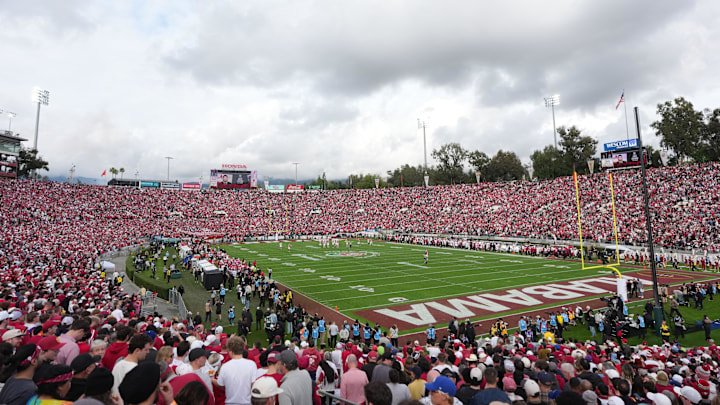
Here’s why: Learfield has become a player in the NIL space as the college athletics landscape evolves. The company currently has five verticals within its business. The first, of course, is its third-party multimedia rights business, allowing the company to broadcast sporting events for hundreds of schools across Division I, including Alabama, Michigan, Ohio State, Oklahoma, Oregon, Tennessee, Texas Tech and USC, to name a few.
Learfield also has a licensed merchandise business (“CLC”), a ticketing platform service called Paciolan, a web platform for athletic website hosting and mobile apps called “Sidearm Sports” and a ticketing and seat business called “Amplify.”
“The fact that we’ve made these investments has now put Learfield and its partners in the position to maximize those opportunities,” Gahagan told SBJ. “Our intention is to leverage this new partnership with TPG, the capital we’re putting on the balance sheet to build on top of those investments the same way that we did over the last four or five years to stay ahead of the needs and opportunities in college athletics.”
Athletic departments have worked with Learfield in recent years as an NIL partner, as schools look to capitalize on NIL deals for athletics rosters above the revenue sharing cap instituted by the House v. NCAA case. Schools are operating under the assumption that the revenue-sharing cap is a “soft cap” with opportunities for schools to go “above the cap” with NIL and sponsorship deals for its athletes.
There will now be a significant infusion of cash in Learfield thanks to the sale to TPG, so expect schools working with Learfield to lean even more heavily on the company to provide NIL opportunities for athletes moving forward.
This is not the first time that college sports and private equity funding have been discussed
In a college football and college basketball landscape where cash is king, there is only so much of it to go around. That, of course, has led to private equity deals being discussed across college athletics over the last couple of years.
The Big Ten discussed a potential partnership with UC Investments last year, which would have brought $2.4 billion in cash to the conference to be divided among its schools. Ultimately, there was pushback from some athletic directors and school presidents, which halted a deal.
Likewise, the Big 12 has been in talks with RedBird Capital since late last fall about a private equity agreement. To date, no deal has been finalized.
The University of Utah, a member of the Big 12, took it upon itself to secure its own private equity funding. As of this writing, Utah is the only school to secure its own separate private equity agreement after partnering with Otro Capital, which could generate around $500 million for the school, according to Portnoy.
Private equity is here to stay, and Learfield’s agreement with TPG is the latest needle-mover in a changing college landscape.
More College Football from Sports Illustrated
 Add us as a preferred source on Google
Mike McDaniel was a staff writer on the Breaking and Trending News team at Sports Illustrated, where he covered college sports. Mike joined Sports Illustrated in January 2022. His work has been featured at InsideTheACC.com, SB Nation, FanSided and more. McDaniel hosts the Hokie Hangover Podcast, covering Virginia Tech athletics, as well as Basketball Conference: The ACC Football Podcast. Outside of work, he is a husband and father, and an avid golfer.
Follow mikemcdanielsi