%20%20--%3E%0A%3Csvg%20version%3D%221.1%22%20id%3D%22Layer_1%22%20xmlns%3D%22http%3A%2F%2Fwww.w3.org%2F2000%2Fsvg%22%20xmlns%3Axlink%3D%22http%3A%2F%2Fwww.w3.org%2F1999%2Fxlink%22%20x%3D%220px%22%20y%3D%220px%22%0A%09%20width%3D%2239px%22%20height%3D%2240px%22%20viewBox%3D%220%200%2039%2040%22%20enable-background%3D%22new%200%200%2039%2040%22%20xml%3Aspace%3D%22preserve%22%3E%0A%3Cpath%20fill%3D%22%23FFFFFF%22%20d%3D%22M38.5%2C7H28.2v26h10.3V7z%22%2F%3E%0A%3Cpath%20fill-rule%3D%22evenodd%22%20clip-rule%3D%22evenodd%22%20fill%3D%22%23FFFFFF%22%20d%3D%22M26.1%2C25.5c0%2C5.8-4.1%2C7.5-12.9%2C7.5C3.9%2C33%2C0%2C31.2%2C0%2C25.2v-1.1h11.6%0A%09v2.4c0%2C0.7%2C0.1%2C1.4%2C1.2%2C1.4c1%2C0%2C1.2-0.4%2C1.2-1.3v-0.9c0-1.6-0.9-1.6-3.5-2.2C2.2%2C21.7%2C0%2C19.7%2C0%2C15.3v-0.9C0%2C9.3%2C5.5%2C7%2C12.9%2C7%0A%09c10.2%2C0%2C12.8%2C2.6%2C12.8%2C7.4v1.8h-11v-2.9c0-0.6-0.4-1.1-1.2-1.1c-0.6%2C0-1.2%2C0.4-1.2%2C1.1v0.9c0%2C1.5%2C0.9%2C2%2C3.3%2C2.5%0A%09c8%2C1.6%2C10.5%2C3.3%2C10.5%2C7.5V25.5z%22%2F%3E%0A%3C%2Fsvg%3E%0A)
Revised Protect College Sports Act Puts Pressure on Big Ten and SEC
CHICAGO — The senators behind the Protect College Sports Act believe they’ve made significant concessions in the bill in a last-ditch effort to gain Big Ten and SEC support.
Will it be enough? And if it is, can it happen fast enough to get the bill to the Senate floor before the August recess?
The changes to the bill, based on a summary reviewed by Sports Illustrated, claim to accommodate the majority of the demands made by the two most powerful conferences. Among them:
- A $20 million retention exception to the current revenue-sharing cap set by the House settlement.
- Rules prohibiting schools from paying high school athletes before college enrollment, considered a necessity to level the recruiting playing field.
- The door closing on the threat of a private equity-backed “super-conference,” with new entities unable to acquire school assets or media rights.
- Voluntary—not mandatory—participation in media rights pooling.
- Allowing for conference expansion up to 19 league members.
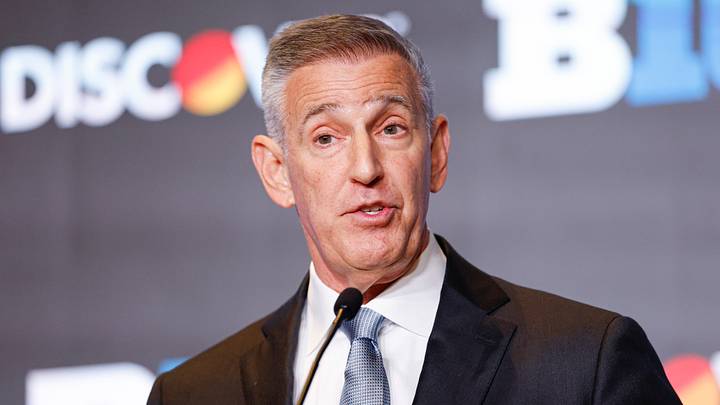
Big Ten commissioner Tony Petitti said Tuesday morning that league leadership was “on standby” waiting on the full text of the changes. Two hours later, the revised language was sent to both the Big Ten and SEC, sources confirm to SI. And with a deadline of 9 a.m. ET Wednesday morning to lock in their position on the bill, the leagues are on the clock to decide whether to back their best chance yet at congressional intervention.
“We are not the experts in this legislative calendar,” Petitti said. “We’re not deciding when something goes to the floor, but what we’ve pledged is if we can get the changes, I’m sure there’s going to be back and forth. I don’t think anybody expects that we’re going to get the changes today and we’re just going to check the box and say it’s all good. There’s going to have to be back and forth.”
And with that, Petitti reminded his audience that he had first sent comments to the Senators on July 3, comments the league is only just now receiving a resolution on. Translation: His league won’t be rushed into supporting a bill it doesn’t like simply to acquiesce to those calendar-related concerns.
At its core, the question is whether the changes represent enough of a compromise to get college sports’ two richest and most powerful conferences on board. They also stress test Petitti’s rhetoric from Tuesday that the league is willing to compromise in order to get a bill across the finish line.
“When you ask for help [from Congress], it’s not going to be the perfect path that you thought you wanted,” Petitti said. “We preferred a much skinnier bill than this bill. That is not the reality right now. So we’ve got to work within the framework of what’s happening and make decisions about it as a totality … I would say I frame the question differently: Is there more good here than not, right? That’s the way to look at it.”
Petitti divided the bill in its current form into two key parts: One that addresses big-picture issues like conference realignment and the Sports Broadcasting Act of 1961; and another that gets more into the nitty-gritty of an updated salary cap, high school recruiting and state law preemption. He said Tuesday that he was “optimistic” about being able to approve the updated bill language on that first part rather quickly. The latter part is more language dependent, and battles over how some of those revisions are worded could determine whether the two conferences throw their weight behind the bill.
One thing that was clear: Petitti and SEC commissioner Greg Sankey seem likely to move in lockstep. Petitti noted he had spoken to Sankey more than five times already Tuesday morning and said the Big Ten would be in “close communication” with the SEC once it receives the text of the bill before making a decision. After Sankey’s talking points about a potential SEC “breakaway” should congressional action not come to fruition created a firestorm last week, Petitti was more measured, saying the next step would be working with the other power conferences to amend the House settlement to strengthen rules enforcement and at worst having “conference-based rules” that wouldn’t preclude schools from competing against other leagues.
Each of those next steps comes with a host of other potential problems. And while Stanford football players took early steps toward establishing a players union earlier this week, a wider collective bargaining effort also faces significant obstacles. If the Big Ten is serious about, as Petitti said, finding a solution that “provides a lot more help than not,” signing on as a backer of the revised bill seems like the clear choice.
But Petitti spoke Tuesday with three large reminders of the conference’s leverage directly to his right: the last three College Football Playoff championship trophies. The men’s and women’s basketball trophies from this past year also belong to the conference. The status quo hasn’t crushed the Big Ten; if anything, it has ushered in the league’s greatest stretch ever. If the bill threatens the league’s current stranglehold on college sports, it likely won’t have the Big Ten’s support.
Sources on Capitol Hill who’ve worked to resolve the SEC and Big Ten concerns believe they’ve fully addressed the majority of the leagues’ complaints and compromised enough on other pieces. The less-than-24-hour countdown is on to see if they’re right.
“I’m optimistic that today will be a really good day,” Petitti said.
More College Football From Sports Illustrated
Listen to SI’s college sports podcast, Others Receiving Votes, below or on Apple and Spotify. Watch the show on SI’s College YouTube channel.
 Add us as a preferred source on Google
Kevin Sweeney is a staff writer at Sports Illustrated covering college basketball and the NBA draft. He joined the SI staff in July 2021 and also serves host and analyst for The Field of 68. Sweeney is a Naismith Trophy voter and ia member of the U.S. Basketball Writers Association. He is a graduate of Northwestern University’s Medill School of Journalism.
Follow CBB_Central