%20%20--%3E%0A%3Csvg%20version%3D%221.1%22%20id%3D%22Layer_1%22%20xmlns%3D%22http%3A%2F%2Fwww.w3.org%2F2000%2Fsvg%22%20xmlns%3Axlink%3D%22http%3A%2F%2Fwww.w3.org%2F1999%2Fxlink%22%20x%3D%220px%22%20y%3D%220px%22%0A%09%20width%3D%2239px%22%20height%3D%2240px%22%20viewBox%3D%220%200%2039%2040%22%20enable-background%3D%22new%200%200%2039%2040%22%20xml%3Aspace%3D%22preserve%22%3E%0A%3Cpath%20fill%3D%22%23FFFFFF%22%20d%3D%22M38.5%2C7H28.2v26h10.3V7z%22%2F%3E%0A%3Cpath%20fill-rule%3D%22evenodd%22%20clip-rule%3D%22evenodd%22%20fill%3D%22%23FFFFFF%22%20d%3D%22M26.1%2C25.5c0%2C5.8-4.1%2C7.5-12.9%2C7.5C3.9%2C33%2C0%2C31.2%2C0%2C25.2v-1.1h11.6%0A%09v2.4c0%2C0.7%2C0.1%2C1.4%2C1.2%2C1.4c1%2C0%2C1.2-0.4%2C1.2-1.3v-0.9c0-1.6-0.9-1.6-3.5-2.2C2.2%2C21.7%2C0%2C19.7%2C0%2C15.3v-0.9C0%2C9.3%2C5.5%2C7%2C12.9%2C7%0A%09c10.2%2C0%2C12.8%2C2.6%2C12.8%2C7.4v1.8h-11v-2.9c0-0.6-0.4-1.1-1.2-1.1c-0.6%2C0-1.2%2C0.4-1.2%2C1.1v0.9c0%2C1.5%2C0.9%2C2%2C3.3%2C2.5%0A%09c8%2C1.6%2C10.5%2C3.3%2C10.5%2C7.5V25.5z%22%2F%3E%0A%3C%2Fsvg%3E%0A)

00:29:53 |
Up Next
Giannis & Trae Are Back: But For How Long?
Mar 3, 2026
Cooper Flagg & Kon Knueppel Battle for ROTY
Mar 3, 2026
Albert Breer on Top Combine Standouts, David Montgomery to Texans
Mar 3, 2026
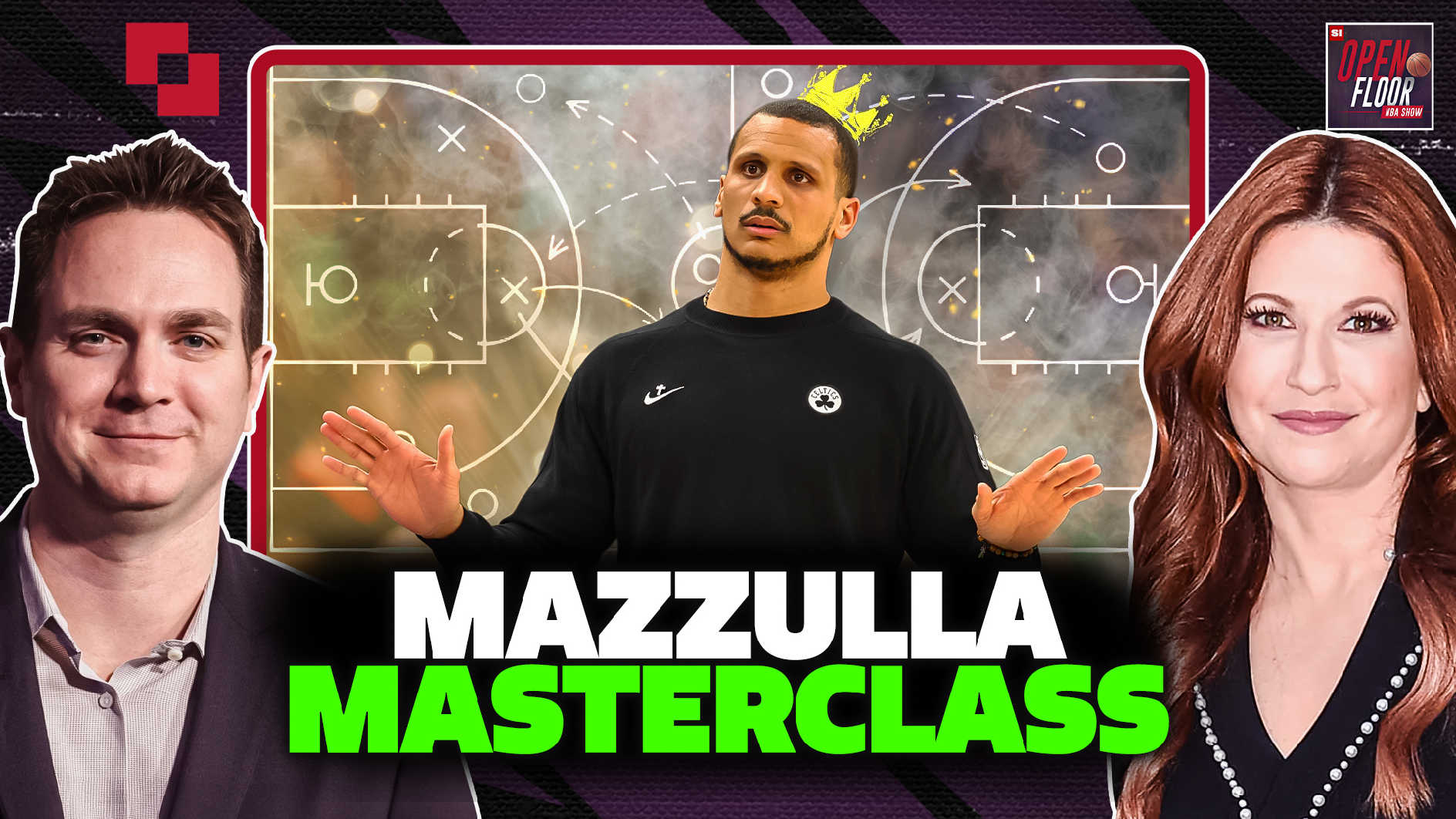
Joe Mazzulla is the Clear Coach of the Year
Mar 3, 2026
Brandon Glanton is Viewing Jai Opetaia as 'Just Another Guy"
22 hours ago
Giannis & Trae Are Back: But For How Long?
Mar 3, 2026
Cooper Flagg & Kon Knueppel Battle for ROTY
Mar 3, 2026
Albert Breer on Top Combine Standouts, David Montgomery to Texans
Mar 3, 2026
Joe Mazzulla is the Clear Coach of the Year
Mar 3, 2026
Brandon Glanton is Viewing Jai Opetaia as 'Just Another Guy"
22 hours ago
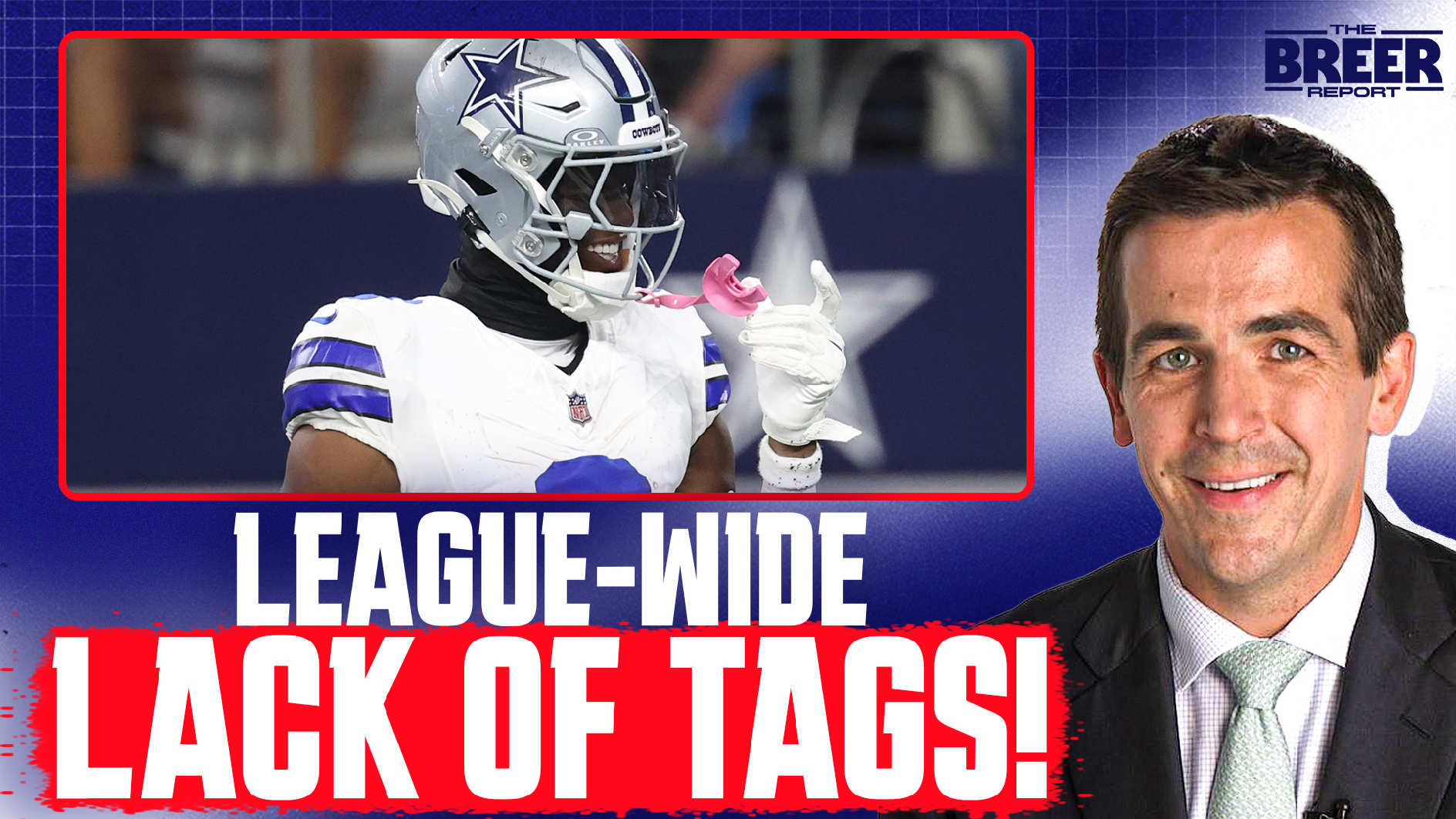
Albert Breer on Lack of Franchise Tags Across NFL
13 hours ago
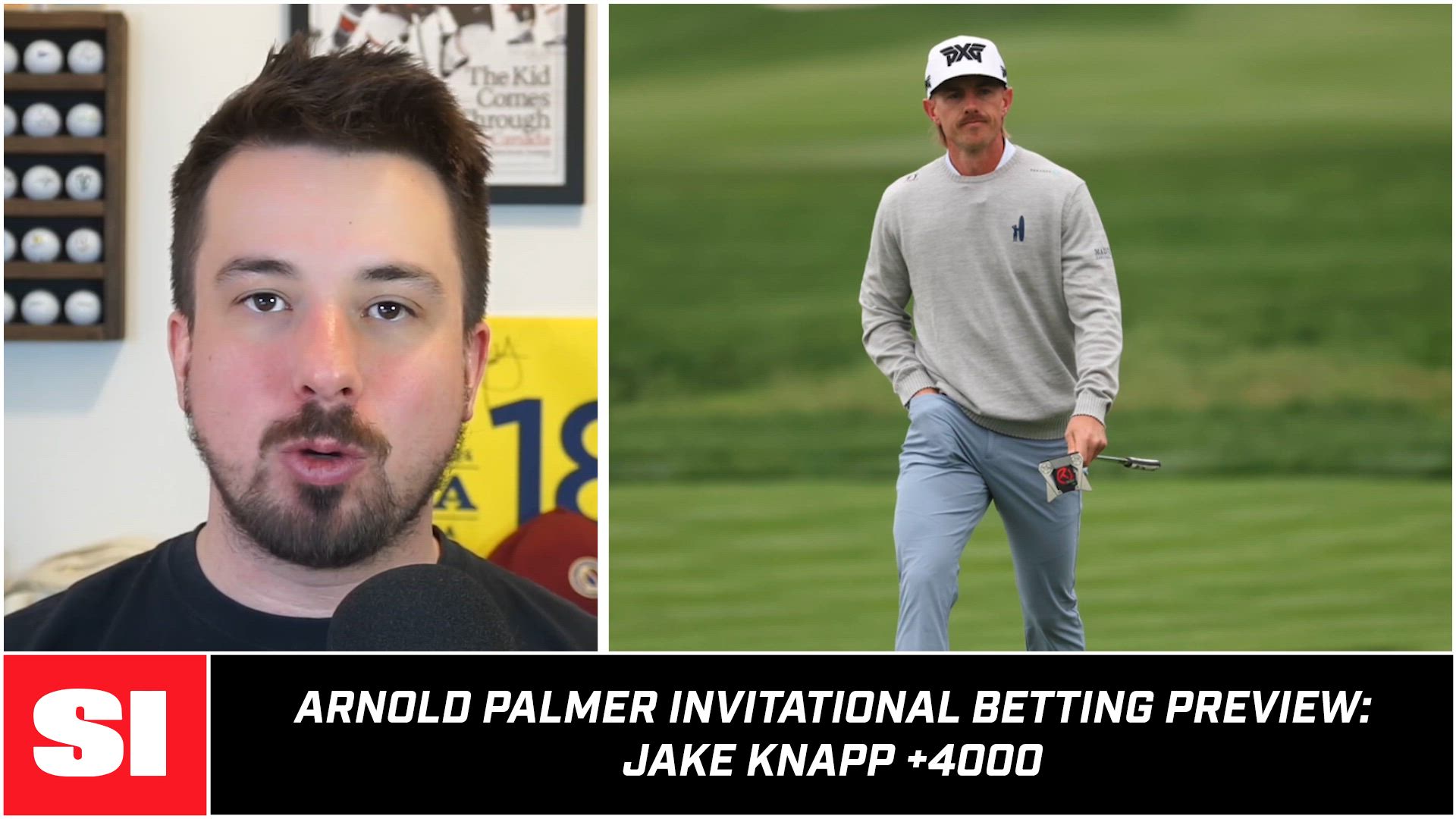
Arnold Palmer Invitational Best Bets
Mar 3, 2026
Which Version of the Knicks Will We See in the Playoffs?
Mar 3, 2026
Jai Opetaia Finds the Beef Between Dana White and Eddie Hearn 'Amusing'
Mar 3, 2026
Lu Dort Could Have Ended Nikola Jokic's Season
Mar 3, 2026
It's Time for the Warriors To Have a Steph Curry Conversation
Jan 28, 2026
Farmers Insurance Open Betting Preview
Jan 27, 2026
Transcript
All right.
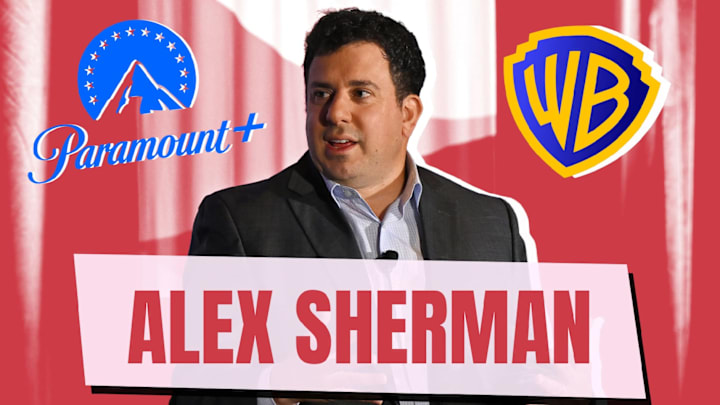
Joining me now, very happy to have him from CNBC media and sports reporter, Alex Sherman.
Alex, how are you?
I am good, Jimmy.
Happy to be here with you.
Thanks.
Um, I wanted to get into a conversation here about Paramount and.
Warner Brothers Discovery and, and what that means for sports fans.
I thought you'd be perfect to, uh, help us out here.
Let, let me start with this.
So, if someone's listening who doesn't know, Paramount, which is CBS purchasing Warner Brothers Discovery, which is TNT, TBS and other properties, but keeping it for sports here.
Just use those sort of, uh, networks.
Uh, Netflix was in the running, Netflix out.
What ultimately, what does this mean for sports fans?
Well, it's a much bigger deal for sports fans than had Netflix bought Warner because if Netflix had bought Warner, they were only buying the studio and streaming assets.
So, the sports assets would have gone to the spin-off company called Discovery Global, which would have owned all of the linear networks and basically, the strategy, the sports strategy would have been the same as it was within Warner Brothers Discovery.
Uh, they, Warner Brothers Discovery lost the NBA last year, so the Post NBA strategy had been try to cobble together a bunch of what I would consider to be second-tier sports rights by and large, they do own some big ones .
They own Major League Baseball and NHL and March Madness, but then, you know, buffer those with sports rights like the French Open, NASCAR, uh, AEW unrivaled, and hopefully this.
You know, cobbled together mishmash of sports rights would be enough where you didn't need the NBA and could still sell TNT to all of the various pay TV providers out there for about the same rate that you were selling it when you had the NBA.
And the early returns on this was that it may have worked, the strategy, because recently, it wasn't that recently now, but, you know, the, the last major deal that Warner struck with Comcast, they were able to get a flat rate, and they didn't have the NBA anymore, uh, as a go forward.
So, Comcast was willing to do that deal even without the NBA because Warner's sports rights were still valuable enough that it didn't want to risk dropping TNT when it had Major League Baseball and it also has its sub-license a few college football playoff games from ESPN.
So those will appear on TNT.
So, that was the strategy.
That I don't think will be the strategy at all anymore if this deal with CBS.
Goes through.
Um, and that's because CBS owns big major marquee sports rights.
Obviously led by the NFL, but it also now owns the entire March Madness package with TNT.
It owns the Masters, uh, it owns some valuable soccer property, which is second tier in this country, but it, it does own a lot of it.
Um, and it just hasn't been CBS's strategy, I would say, by and large , to buy up these, you know, less expensive sports rights.
To try to bolster distribution because if you have the NFL you don't need to do that.
You're already kind of a must-carry with the NFL.
So the rest of the sports is just kind of nice to have.
So my guess is that if this deal goes through, you will no longer see Turner Sports, even if it's still called Turner Sports, buy up the second-tier sports rights for TNT.
Instead, what I imagine may happen is they will cut the sports on TNT to sort of the bare minimum to keep distribution, and they will move forward with a Big sports marquee strategy.
They're now a much bigger company in general, much, much bigger balance sheet.
So if CBS was buying the NFL and UFC and these other marquee properties as a $12 billion company as Paramount, think about what they may be able to do as a $100 billion plus company where you've got both the Paramount balance sheet and the Warner Brothers Discovery balance sheet as one company.
Right.
Well, so just a hypothetical, as you had mentioned it, and I know this is what my listeners care about.
So you, you said.
You know, TNT has that licensing deal with ESPN where they get two of the college football playoff games.
Could we see those games now on CBS because CBS has a way bigger reach than TNT.
The rate and the ratings were terrible on TNT for those games.
Obviously, you put it on CBS, your audience is way bigger.
I don't know contractually all that stuff.
And obviously, this deal only happened a week ago, so who knows what.
The plan is, but is that like something that could happen?
Sure, I, I, I mean, any two parties can alter a contract if they want.
So if ESPN decides that's what they want to do, they can't do it.
I, but you're right, there may be hoops to jump through depending on how that contract was written, but it was potentially a, um, Basically, I don't wanna get too into the weeds on this, but if TNT had done other deals with other pay TV providers, it may have been a guarantee of that deal that certain games would appear on TNT.
Hence why the pay TV providers were willing to pay the whatever amount of money they paid per month for TNT.
So they may be obligated to put those games on TNT, at least for a little while.
It depends on how the language was structured in these contracts.
All right, yeah , I guess, yeah, because it's an ESPN production on CBS.
That would be weird if it was on CBS, um, although CBS and Turner now there's no difference, so, right, exactly, no, no weirder than it showing up on Turner or, or, uh, inside the NBA showing up on ESPN, I suppose.
You know, one thing here is it, it may not be a sports-related issue here, but I think it, it, it could be down the road.
So now with Paramount purchasing WBD.
That also includes HBO.
And from what I've seen, I, I'm pretty sure I saw it from you, Paramount Plus, that streaming service will merge with HBO Max.
Do we know yet?
Will that end up costing people more money?
Like, for instance, I have HBO Max.
I don't have Paramount Plus now.
My, I'm just gonna get Paramount Plus for free.
That would be surprising to me.
But what, what can you tell us about that?
Yeah, so I, I mean, we don't know any of the details on this pricing to begin with, but you would imagine that if you put those two services together, that, yeah, the price would go up, uh, for, for the service.
I mean, I, I don't see how it wouldn't.
So of course the price for all these services go up all the time.
Um, but yeah, we, we don't, we don't know the specifics behind any of that stuff yet, what the service will be called, how much it will cost, all that stuff is sort of, I think, to be determined.
Look, maybe they will make some sort of, you know, light version of the service and a heavy version of the service.
I don't know yet.
All those things I think are still to be determined, and I, I do, my guess would be they will have multiple tiers of this, um, because there's so much content, but we'll see.
And in terms of Paramount.
With With CBS, um.
Obviously, later this year, the NFL contracts are gonna get renegotiated.
CBS will obviously want to keep their Sunday afternoon package.
That goes without saying.
Well, does this merger, purchase, whatever it's called, have any effect on CBS with the NFL?
I would think the NFL probably loves it.
I mean, now you've got a much larger company.
I think CBS was a concern, a going concern, at least prior to the Skydance deal.
So back in the Redstone days, I don't know that the NFL was comfortable signing up a long-term deal with CBS with the thought that that company may literally may not be able to afford it.
In the later years.
Now with this new company and you've got sort of the backstop of the Ellison family, even though this company is gonna have a ton of debt on it, uh, I don't think it's nearly as much of a going concern down the road for the NFL.
I think they'll be in a much safer position to strike a long-term deal with Paramount and know that the money will actually be paid by that company just because it's just a much larger company in general, so.
Again, the borrowing power is much greater.
It's not just the Ellison family.
It's simply that the balance sheet itself, uh, allows you to, to pay for larger, longer term contracts with any entity.
So yeah, I would think the NFL is quite pleased with this deal from a CBS perspective.
Do you think with, with, with so much sports airing on TNT and TBS, you, you mentioned all the properties they have there, MLB and NHL and many more.
With all those sports that currently air on TNT and TBS, do you think the CBS Sports Network could be in trouble?
I mean , what is the point in CBS keeping that around.
I mean, I think this is from a pure.
Linear standpoint, that network has to be in trouble like this deal, not this deal, like that, that those niche cable networks don't make any sense anymore.
They only make sense if you do what NBC has done by bringing back the NBC Sports Network and basically turning that network into a parallel viewing mechanism for the sports that already appear on your streaming service.
So if CBS Sports Network were to become Sort of a simulcast for a lot of the sports that appear on whatever this new Paramount Plus HBO Max service is called, then I could see that network actually surviving and, and doing quite well because it would provide cable subscribers an alternative to watch those games that otherwise they would need to pay for the streaming service for.
Now there's again, there's so many different hypotheticals here like the way these deals are cut now, it's possible that more and more of the streaming services.
is going to be baked into the cable deal.
That's what we've seen with ESPN Unlimited, where now the cable subscribers are just getting free access to the ESPN streaming service.
If that becomes the norm, then any cable subscriber, at least of the main package, would also have access potentially to this new HBO Paramount deal.
And then they wouldn't need CBS Sports Network for that.
So if that's the direction we go, then I don't even see what the point of having a CBS Sports Network is.
Look, I'm gonna make a statement.
You tell me if the statement is accurate or totally inaccurate.
Like, it, it seems to me in just in, in having this conversation.
In this purchase or merger or whatever, Paramount, WBD, it seems like the sport fan is gonna be less affected than if you're a fan of like entertainment, movies and all that.
That's, you know, with HBO and Paramount plus merging, uh, merging into one app.
It, because I'm, I'm trying to think of the sports fan, the guy, the gal listening to this.
What, Is more stuff gonna go to streaming?
Is stuff gonna cost more?
It doesn't seem like that will fully be the case here with this.
So let me answer that in two ways.
In the, in the near term, I think you're absolutely correct.
There will be minimal change other than the fact that this service may be one service instead of two.
In the longer term, I think you may see substantial change driven.
By a combination of this merger and the fact that the NFL is gonna ask for way more money from all companies for their product, then I think what you will see is a, well again, the other media executives are starting to talk about this.
They're calling it a rebalancing of the portfolio where it's possible CBS decides we don't need all these second tier sports.
Maybe we can't even.
Afford them.
Like it's no longer a financial sense to us to own all of these different things.
So let's spit them out of our service.
And if you're Versant or you're some other company that wants to play in the sports media game, maybe even like an AMC Networks, for instance, which doesn't have any sports today, but they need to become a viable company still from a cable standpoint so they could copy the verse.
And playbook potentially pick up some of these lesser sports rights that still have a large enough audience that maybe you can convince pay TV distributors to keep carrying you because you own, say, 20 Major League Baseball games, something like that, something that they can afford, but there's a large enough audience that it makes it a little dicey for pay TV operators to talk.
Um, You know, it's, it's funny to me because I have For years, for, for years, I have been.
screaming and yelling and ranting and raving about streaming and it's such a disservice to the fans.
And, you know, I had to give up the fight because this is the way the world is now and that's just the way it is.
But it is interesting to me in the last week.
You had Charles Barkley come out.
And say the NBA has done a disservice to fans because they can't find the games.
And then you have, now this to me is probably political theater more than anything, but the FCC came out and said they want to investigate streaming, which to me was the biggest joke of all because where were you five years ago?
I mean, the cat's out of the bag, the horse is out of the barn.
What are you gonna, what, and the government can't tell a company, they can't sell their sports rights to streaming.
So that's probably like political bullshit.
But what do you make of Yeah, no, I, I, great question, I think, and I, I think it may actually have a real effect.
So in addition to the FCC, you had Senator Mike Lee writing a note this week saying, uh, to, to the FTC and the DOJ, the two antitrust regulators, saying they should look into this old 1961 Sports Broadcasting Act, which a couple of months ago.
Ted Cruz held a hearing on it too.
The, the point of this act is basically, it gives the league the ability to sell their media rights as a league, as a package, but in return, the games need to appear on free broadcast networks.
And so they get this kind of antitrust, limited antitrust exemption to allow them to sell games like this, which has obviously been extremely enriching for the leagues.
It's to me the purpose of this is it's not coincidental that the NFL is about to renegotiate their rights when this comes out.
It's a little bit of political heat on the NFL to make sure that the big broadcast networks still get the games.
That's the way that I read it, um, so that, that would be my theory on what happens here.
I think the NFL will renegotiate with Fox, NBC, Disney slash ABC and CBS, and they will still have the major.
Packages when these renewals are done.
By the way, also, that's what's the incentive for the broadcast networks to even engage in this, because remember, the, the just this is a two-way street.
The NFL can't force the broadcast networks to renegotiate.
There's an opt-out at the end of the 2029-20930 season, but if they're gonna renegotiate a deal earlier, both sides need to say yes.
So the incentive for the broadcast company to say, we'll renegotiate a deal with you earlier is that they will get more games.
Down the road, like they, they, there, there needs to be something in it for the broadcast network.
So what's in it for them if they're gonna pay more money in the near term?
Well, it's getting football for longer.
That's what's in it.
So that's my guess on what happens here, that all four of those networks will, will get their current packages, maybe little tweaks here and there, you know, but by and large it'll be the same packages.
They'll just pay more money and instead of the deal ending after the 29-30 season, it'll end some year down the road, even further out than that.
But there will, even with the networks keeping what, what they have now, there still will be more games on streaming.
I mean, we've talked, you know, there was the international package and, you know, I think Oan had to report 5 games to each streaming service or something like that.
We've seen it with Christmas.
We've seen it with that Friday, um.
So, the NFL I feel like can get away with, I feel like they can get away with it, one, because of the NFL.
So that's the easy answer.
But again, it's a, they're once a week, you know, they, they're, your team plays once a week in the NFL.
Baseball, NBA to me, it's totally different and it's been interesting to me.
Because, like I said, I started ranting and raving about streaming years ago, and I would get so much pushback from people saying, you're old and out of touch.
Everyone has Netflix, everyone has Prime.
And now I feel like it's done sort of a 1-80, and now I have people not complaining that stuff's on streaming, but Because there's so much on, because each league has 70 different deals, it's, we don't know where to find the games, we can't find the games.
You don't know.
It's, you know, I think, I've said this before on this podcast.
I think the way the typical sports fan, I mean, not us, we're in sports media.
But I think the typical sports fan comes home from work, eats dinner, gets on the couch, and wants to put on a game.
And if that's the way you consume sports, you have to now go through hoops to find out where to find the game.
So, um, This kind of uh reflects on one of the points we were just talking about here, but not only is it confusing, it's also really expensive, and I think that's where the government part comes in, you know, that there's the numbers thrown around like if you wanted to watch all the games, you would have had to pay $1000 last year, something like that.
So, you know, when it used to be that all the games were free.
Um , this is, I, I think the connection is.
The way media companies will, will sell their streaming services in conjunction with cable moving forward.
So suddenly, if you now get your streaming service for, for free, it's not really free, but as part of your linear cable package, you may be able to reach tens of millions of people now in a way that will irritate them a little bit.
Less.
And so that may be the direction the media companies at least try to go, to be like, well, yeah, you know, we have an exclusive game on Peacock now , but you get Peacock for free if you're a cable subscriber.
And weren't you a cable subscriber already?
So, you know, that still applies to like 65 million US households that are paying for some bundle of linear TV.
So, my, my guess is that That that's going to be the strategy the media companies use to keep these sort of dual ecosystems of cable and streaming going at the same time so that they can still reach all the non-cable subscribers and jack up the price on the streaming side by throwing these games on there exclusively.
But now at least you have an argument to the government being, no, no, no, it's no more expensive.
It comes with your cable bundle.
Yeah, but, but I feel like so many people are canceling cable that is this like, Is that really a big bet?
I think what from what I can tell, especially people, you know, 40 and under, they don't wanna have any kind of cable.
They want just the streaming services.
Well, so you, you've now hit on an interesting point, which is that, again, from the government's standpoint, a lot of the heat on this comes from older people who I, I, I'm not sure that they are champions of the younger viewer.
They kind of may say they are, but like if you read what they're writing, like, uh, there was this, a couple of different tweets by Elizabeth Warren and Bernie Sanders who sort of railed against the monopoly.
Power of this, uh, uh, coming Warner Brothers Paramount Company, and, you know, their argument is like this company will control VH1 and MTV and Comedy Central and BET and like all these cable networks that no younger person cares about at all.
So it's like, well, like, well this argument is only for people, I don't know, like, like 55 and up maybe there's something that thinks that these things are still popular.
So yeah, look, there , there, there may be some angst among these younger viewers, uh, that they're not able to get all of these games.
Um, that, however, I think is a potential existential problem for the leagues, right?
Like the leagues are gonna need to address this if suddenly what that means is the demand to watch live programming free falls, but we have not seen that.
The ratings just keep going up for these games.
So I don't think there's going to be a change there until the supply demand thing points the leagues in the direction that they say, uh oh, none of these younger people are watching our games anymore because we've priced them out.
Right.
Yeah, I, I mean, I'd be curious to see, because I do think, listen, for, I, I think for a playoff game, a championshipship game.
The, the audience is gonna be there no matter what.
I'm curious, NBC NBA regular season, MLB regular season, with all these deals now, how that affects the rating.
Now, listen, they have a, they have a cushion there because now Nielsen has the new way of doing the ratings.
It's like the NBA is trying to tell you the ratings are up across the board.
Meanwhile, they're comparing TNT to NBC and it's a new Nielsen system.
But I, I do think That, listen, you can't control.
The government can't say to baseball or the NHL, the NBA you can only have 3 media deals.
They could have 50 media deals if they want.
This is the way, but I do think it's gotten, You know, one sport having 6 media deals is ridiculous.
I, I, you know, I know you're a CNBC guy, so I don't want to put you on the spot and knock NBC, but like, they announced, they announced Wednesday, Jason Bennetti as their lead play by play guy.
So I wanted to go find out when is the start of Sunday Night Baseball.
I can't even find it on the schedule because they've got all these games on Peacock and they've got other games and it's, it's, It's it to find these games is a problem.
You know, it's funny, Jimmy, that you bring this up because there actually is a little bit of a difference in the way each league goes about doing this.
Like, I , I, I, when I was talking to the people involved in the NBA deal over and over again, the, the league executives on the NBA side told me it was a big priority of them to only have 3 packages maximum, and they said just the reason.
As you're saying, like we don't wanna alienate our consumer.
It becomes too confusing if you have 5 or 6 deals, so we're gonna limit it to 3, and that's that.
Obviously, that's not the strategy the NFL has used.
They've used a totally different one to try to maximize their revenue.
We will see what the strategy for baseball and hockey are at the end of the 2028 season.
It certainly seems like baseball strategy up until this point is that they have.
Haven't shied away from it either, right?
Here's 10 games for Roku.
Here's Friday Night Baseball for Apple.
Like it's all over the place.
And maybe part of that is simply that, you know, regular season baseball games only get 1 or 2 million people watching.
So they they don't care to some degree, right?
It's a huge, huge, huge pet peeve of mine is when anybody, I'm not talking to you in this instance, but when anybody compares any of these sports to the NFL because like I said before, Your team in the NFL plays once a week.
Whatever team you're a fan of, once a week.
So you'll know the week before where you're gonna, oh, next week my team's on ESPN.
Next week, my baseball, I'm a Yankee fan.
They play 5 days a week.
One night they're on YES, one night they're on Amazon, one night they're on ESPN, one night they're on NBC.
One night they're on Friday Apple.
That, so the, the compa it's the the comparison to the NFL.
It's the NBA, the NHL, the NBA.
That's where I think their regular season.
In and day in day out sport fan is that's where the disservice.
So let me, let me throw the counterargument at you, which is this, I think, which is that.
Yes, the die-hard baseball or hockey fan that wants to watch every one of their games is going to be annoyed by this, but the casual viewer may be much more OK with not having access to a given regular season Yankees or hockey game, whereas they would be completely intolerant of that from the NFL standpoint.
So while it's less confusing for the NFL because you have a full week.
To figure out where your game is, I think it's actually more annoying for the NFL than it is for these other sports to split up your packages 7 ways because you're forcing the consumer, in essence, to pay for 7 different services in that case, whereas it's much easier to just get by without watching a given game in some of the other sports, right?
Like, yeah, I don't have.
Apple Plus if the Yankees are playing on Apple TV, but I'm just like I'm missing the game and it because it's 162 games .
So, um, totally switching gears here before we wrap up.
I just wanted to ask you, I, I'm gonna put you on the spot because I don't, if you, if this isn't your area or your beat, let me know because I, I'm curious about what's going on here with Calci and Polly Market.
Uh, I touch on it.
Um, what, what's, what, what's the direct question?
Well, I guess my question is, I've seen some really crazy stories in the last couple of weeks.
Um, there was a Super Bowl story where they bet on Mark Wahlberg being there.
They didn't pay.
They thought he was there.
There was a story this week, someone bet on the Ayatollah being killed.
I don't understand how like DraftKings, FanDuel, etc.
are so regulated, and these things are just completely.
Yeah, free to do whatever they want.
What am I missing here?
You're not missing anything.
Doesn't it feel like sort of a loophole to some degree?
I mean , it does.
Like I should caveat this by saying CNBC has a partnership with Kylehi.
And so I, let, let me put it this way, I see the benefit of prediction markets, uh, in certain ways for sure.
And, and I think that's where CNBC comes into it, for instance, you know, it, it, it, it, it, a lot of it can be used.
As a hedge, it can almost be used as insurance, you know, what's the weather gonna be like, you know, these future type contracts exist anyway.
So in some ways, Cushi is just a sort of binary yes no option on a lot of stuff that's already kind of available in the futures markets.
It's really the sports stuff, and of course it's a sports podcast where to me it gets dicey, where it's like, wait a second, isn't this just sports betting, but for some reason.
This is not regulated, whereas sports betting has always been regulated from a state by state basis.
Like, why is this any different?
And so I just kind of think we're still early on in the early innings of sussing out the answer to that question, and I do wonder if the type of bets that these prediction markets can allow changes in the years to come because it simply seems too much like regulated sports betting.
Right.
So like, I can't go on FanDuel at DraftKings and bet who will win the Heisman because that's considered something controlled by human beings.
You can't bet anything where a, a vote or or something like that.
But on cow or polymarket, you can bet all that , no problem.
And I, I, as a, as a just a Commenter, I don't understand why one is allowed and one not.
Yeah, so I can give you their answer, which is that on Calci, when you're betting on these prediction markets, there's someone is taking the other side of the trade for everything you make.
So it's, I'm thinking the answer is no and you're thinking the answer is yes, and if that doesn't happen, there is no trade.
In the sports betting world , it's the, it's the bookie.
It's, it's the house that's coming up with the odds.
So there , there's not these matched trades.
So Calhi or Poly Market, they're arguing we're just a market maker here.
We're just a device where two willing individuals want to bet on opposite sides of something.
That's not the same as, as quote unquote sports books, gambling casinos where, you know, they're, they're, they're, they can come up with whatever they want and just throw out the odds out there.
So that's, that, that is the argument about why these things are different, yeah.
Um, before we wrap, I'm curious because I, when I was sitting down to write my column today, I, I thought with the Paramount, Warner Brothers, I mean, listen, we still have a lot to see how it shapes up, but that deal is done , you know, for it was so much speculation for months about Netflix or, or, um, Yeah, well, let me just, it's done, but it still needs regulatory approval, right?
Well, yeah, I think they probably took care of that part first given the connections of the government, but we'll get into that, um.
And I, I said, what, what, I said to myself, what's the next big sports media thing?
What's going on next?
What's going on next?
What do you, uh, is there anything, I mean, the NFL thing is not gonna be till later this year.
Um, I, from what I've heard, I guess April 1st might be a big day with ESPN taking over the NFL Network.
Um, Yeah, but I guess maybe that would be the next big thing.
Or what is there anything like you're working on, you're thinking about like what, what, what, what, what's the next big thing?
Yeah, I think that the next big thing is the, the, um, effects of that NFL deal.
In other words, do we see The NHL or Major League Baseball freak out and say we need to do our deals first to try to get ahead of the NFL deal.
And then all of a sudden that timeline could start rushing forward sooner rather than later.
Now, I will say that I think the NHL wants to do that.
This Paramount Warner deal does not help them.
Because if you're, I mean, right now, one of the incumbent players is TNT on that side.
If you're running TNT Sports, how could you possibly do a deal right now, when you don't even know for sure if you're gonna be an independent company or part of Paramount until that deal gets regulatory approval.
So I kind of think those talks have to be tabled until this, that Paramount Warner deal gets clearance for sure.
Um, so I, you know, the NFL the NHL, while the NFL, as I said earlier, probably loves that Warner Paramount deal, the NHL may not like it so much.
Right, so, yeah, so, so even though Netflix is out, Paramount and Warner Brothers, Discovery become one company, there's still a lot to unfold there, I guess in the next, I mean, is there sort of a timeline on it?
Like when do you think we'll have a clear picture of all that?
Yeah, I think they, they're, they're, they're, they're gunning to.
Get this thing done by the fall, um, to get all the regulatory approvals done, done by the fall.
And at that point, that's when all this stuff can happen in terms of strategy changes, leadership changes.
It can't happen until then for gun jumping regulations.
That deal has to formally close before anything real can happen.
Got it.
Well, I appreciate you shedding some light on everything and giving my listeners a little, uh, lesson here and myself as well because it.
You know, there's a lot to it and, uh, I appreciate the information and thanks for coming on.
Thanks, Jimmy.
My pleasure.
All right, be well.
Thanks.