%20%20--%3E%0A%3Csvg%20version%3D%221.1%22%20id%3D%22Layer_1%22%20xmlns%3D%22http%3A%2F%2Fwww.w3.org%2F2000%2Fsvg%22%20xmlns%3Axlink%3D%22http%3A%2F%2Fwww.w3.org%2F1999%2Fxlink%22%20x%3D%220px%22%20y%3D%220px%22%0A%09%20width%3D%2239px%22%20height%3D%2240px%22%20viewBox%3D%220%200%2039%2040%22%20enable-background%3D%22new%200%200%2039%2040%22%20xml%3Aspace%3D%22preserve%22%3E%0A%3Cpath%20fill%3D%22%23FFFFFF%22%20d%3D%22M38.5%2C7H28.2v26h10.3V7z%22%2F%3E%0A%3Cpath%20fill-rule%3D%22evenodd%22%20clip-rule%3D%22evenodd%22%20fill%3D%22%23FFFFFF%22%20d%3D%22M26.1%2C25.5c0%2C5.8-4.1%2C7.5-12.9%2C7.5C3.9%2C33%2C0%2C31.2%2C0%2C25.2v-1.1h11.6%0A%09v2.4c0%2C0.7%2C0.1%2C1.4%2C1.2%2C1.4c1%2C0%2C1.2-0.4%2C1.2-1.3v-0.9c0-1.6-0.9-1.6-3.5-2.2C2.2%2C21.7%2C0%2C19.7%2C0%2C15.3v-0.9C0%2C9.3%2C5.5%2C7%2C12.9%2C7%0A%09c10.2%2C0%2C12.8%2C2.6%2C12.8%2C7.4v1.8h-11v-2.9c0-0.6-0.4-1.1-1.2-1.1c-0.6%2C0-1.2%2C0.4-1.2%2C1.1v0.9c0%2C1.5%2C0.9%2C2%2C3.3%2C2.5%0A%09c8%2C1.6%2C10.5%2C3.3%2C10.5%2C7.5V25.5z%22%2F%3E%0A%3C%2Fsvg%3E%0A)
Braves’ Biggest Bats Vanished Against Dodgers, Prompting Tough Questions
In this story:
After stealing Game 2 of the NLDS in Los Angeles, there was plenty of optimism surrounding the Braves as the series shifted to Atlanta for Games 3 and 4. They had a chance to close out the series without returning to Dodger Stadium if they could secure a pair of wins at home. Instead they lost back-to-back games against the reigning champions, scoring one run in each contest to end their season on Wednesday night in disappointing fashion.
With their season on the line, Atlanta needed its lineup to come through against Dodgers starter Tyler Glasnow. Despite Glasnow only lasting 4 2/3 innings, it wasn’t due to the Braves’ bats inflicting damage. The veteran righthander surrendered just one hit and one run but walked five batters prior to exiting the game, with the lone run coming via a wild pitch. Five Dodgers relievers combined for 4 1/3 scoreless innings, only allowing two more hits (and zero walks) the rest of the way, to follow Glasnow in style.
Yoshinobu Yamamoto set the tone in Game 3. Atlanta also scored just one run on Tuesday night, though that’s hardly a surprise against a pitcher of Yamamoto’s caliber. The 28-year-old struck out 10 and surrendered just one run across seven innings of work to give the Dodgers a 2–1 series lead. In truth, Atlanta’s offense never fully broke out during the playoffs. They scored eight runs in four games against Los Angeles after plating 14 in three games against Philadelphia for a postseason average of 3.1 runs per game.
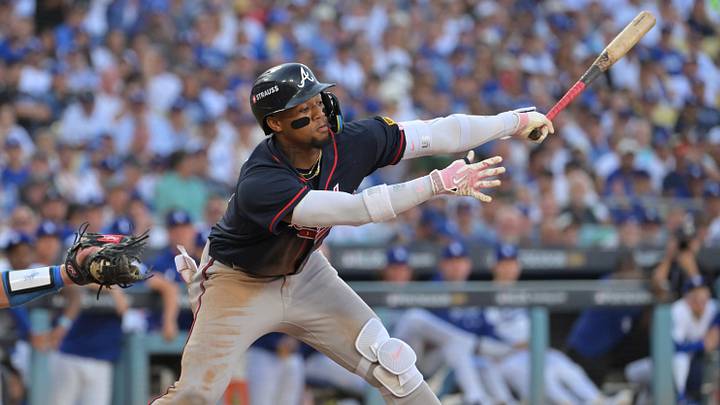
The Braves needed their best hitters to show up during the NLDS, but they got very little from some of their biggest names. Ronald Acuña Jr., Matt Olson, Drake Baldwin and Austin Riley were largely helpless at the plate during the postseason, and their lack of production was one of the main catalysts behind Atlanta’s inability to generate any offense against the Dodgers’ pitchers. Michael Harris and Ozzie Albies could only do so much.
Acuña Jr.’s postseason struggles date back well beyond this season, but he was especially ineffective during the Braves’ playoff run this year. In the NLDS, Acuña went 2-for-15 at the plate with four strikeouts, two walks and two runs scored. After he grounded out with Harris on second base in the bottom of the seventh inning, boos could be heard cascading across the field at Truist Park, as Braves fans made their displeasure with the face of the franchise abundantly clear. During the Braves’ seven-game postseason stint, Acuña had just three hits in 24 at-bats. He hasn’t recorded a single RBI in a postseason game since 2020, a span that extends across three separate Braves playoff runs.
He wasn’t the only important player that failed to produce for Atlanta this October, however. Olson, who was the team’s best hitter during the regular season, was equally disappointing in the NLDS. The veteran first baseman went 2-for-16 against Los Angeles and had seven strikeouts while drawing just one walk. Drake Baldwin also struggled to make an impact in his postseason debut, recording just three hits in 27 at-bats (1-for-16 in the NLDS) while striking out eight times. He had a .348 OPS between the wild-card series and the NLDS after logging a .817 OPS with 25 home runs during the regular season.

After delivering the heroics in Game 1 of the wild-card series, Riley looked lost at the plate against the Dodgers. He went hitless throughout the entire NLDS, going 0-for-13 with six strikeouts, and only reached base one time. Expectations were lower for Riley than some of the aforementioned sluggers, as he’s struggled offensively throughout the last two seasons. But as the highest-paid player in franchise history, signed to a 10-year, $212 million deal that has not aged well, the team needed more from him with their season on the line.
Those four players combined to go 5-for-58 in the NLDS. It’s nearly impossible to win games when such important components of the lineup can’t get the job done. In the decisive Game 4, Acuña, Olson, Baldwin and Riley collectively went 0-for-15 with six strikeouts.
Tyler Mahle delivered a gem on the mound, striking out four and walking one while surrendering just one earned run across 6 1/3 innings. It somehow wasn’t enough.
When those top sluggers aren’t producing, the rest of the lineup needs to step up. That simply didn’t happen for the Braves, who could only truly rely on Harris to generate any offense against the Dodgers. Harris went 6-for-16 at the plate in the NLDS, but he was the only hitter consistently taking good swings and making contributions for Atlanta, who went down without much of a fight at the plate.
Yes, the Dodgers have a loaded pitching staff and a strong bullpen. Most offenses would struggle against the group of starting pitchers they deployed throughout the series, which included some of MLB’s best arms in Tarik Skubal, Blake Snell, Yamamoto and Glasnow. But it’s at times like those that a team needs to lean on its stars. And in this series, Atlanta’s were nowhere to be found.
Atlanta’s championship window has been open for nearly a decade thanks to some team-friendly extensions signed by Albies and Acuña, but time is running out for the Braves to take advantage of their cheap contracts. Albies is only under team control for one more season, and Acuña will reach free agency after the 2028 campaign. For a franchise that appeared to be set up to win multiple championships this decade, the future doesn’t look as bright as it once was.
 Add us as a preferred source on Google
Karl Rasmussen is a staff writer for Sports Illustrated. A University of Oregon alum who joined SI in February 2023, his work has appeared on 12up and ClutchPoints. Rasmussen is a loyal Tottenham, Jets, Yankees and Ducks fan.
Follow Karlras920