%20%20--%3E%0A%3Csvg%20version%3D%221.1%22%20id%3D%22Layer_1%22%20xmlns%3D%22http%3A%2F%2Fwww.w3.org%2F2000%2Fsvg%22%20xmlns%3Axlink%3D%22http%3A%2F%2Fwww.w3.org%2F1999%2Fxlink%22%20x%3D%220px%22%20y%3D%220px%22%0A%09%20width%3D%2239px%22%20height%3D%2240px%22%20viewBox%3D%220%200%2039%2040%22%20enable-background%3D%22new%200%200%2039%2040%22%20xml%3Aspace%3D%22preserve%22%3E%0A%3Cpath%20fill%3D%22%23FFFFFF%22%20d%3D%22M38.5%2C7H28.2v26h10.3V7z%22%2F%3E%0A%3Cpath%20fill-rule%3D%22evenodd%22%20clip-rule%3D%22evenodd%22%20fill%3D%22%23FFFFFF%22%20d%3D%22M26.1%2C25.5c0%2C5.8-4.1%2C7.5-12.9%2C7.5C3.9%2C33%2C0%2C31.2%2C0%2C25.2v-1.1h11.6%0A%09v2.4c0%2C0.7%2C0.1%2C1.4%2C1.2%2C1.4c1%2C0%2C1.2-0.4%2C1.2-1.3v-0.9c0-1.6-0.9-1.6-3.5-2.2C2.2%2C21.7%2C0%2C19.7%2C0%2C15.3v-0.9C0%2C9.3%2C5.5%2C7%2C12.9%2C7%0A%09c10.2%2C0%2C12.8%2C2.6%2C12.8%2C7.4v1.8h-11v-2.9c0-0.6-0.4-1.1-1.2-1.1c-0.6%2C0-1.2%2C0.4-1.2%2C1.1v0.9c0%2C1.5%2C0.9%2C2%2C3.3%2C2.5%0A%09c8%2C1.6%2C10.5%2C3.3%2C10.5%2C7.5V25.5z%22%2F%3E%0A%3C%2Fsvg%3E%0A)
After 40 years of Title IX, why can't a woman be more like a fan?
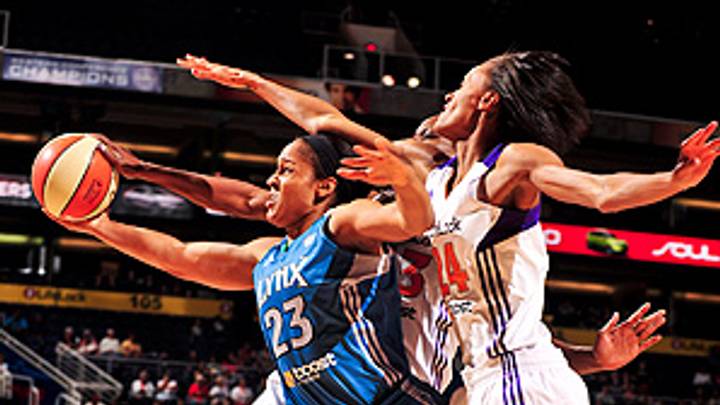
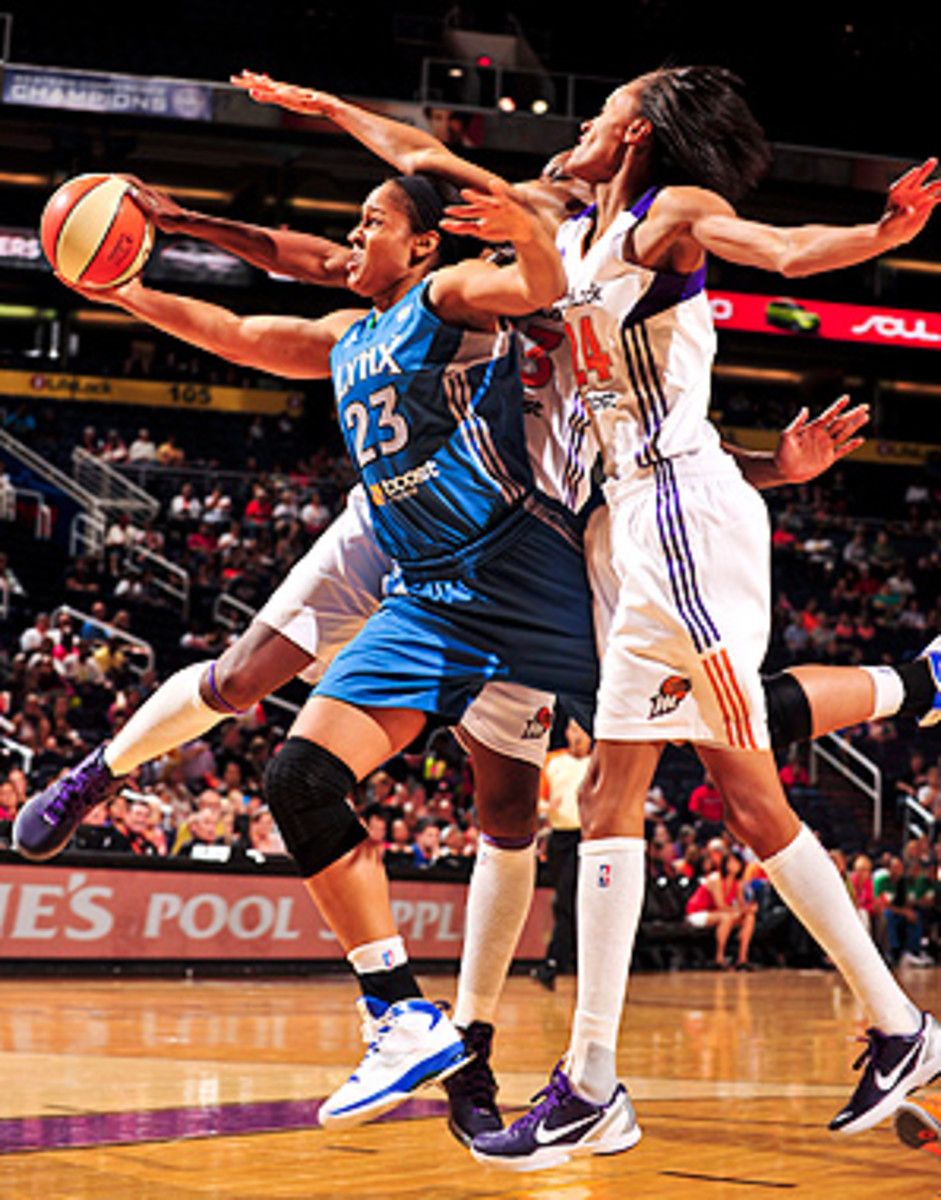
Saturday is the 40th anniversary of Title IX, and although almost nobody anticipated it then, it resulted in women gaining the right to participate in sports in proportion with their numbers attending college. Title IX not only had a huge effect on women's participation in sports, but also it culturally influenced the way both men and women view the idea of women and athletics. It's mattered greatly in our American society.
But now, what of the future effects of Title IX?
First of all I see the potential of a great, grand collision between the old law and a recent major medical revelation. As the attendance of women in college has increased, so called "minor" men's sports, like wrestling and tennis -- even baseball -- have had to be dropped to keep in compliance with the law. But now, as the number of women in college approaches 60 percent, while concurrently, evidence mounts that football damages boys' brains, King Football may be the sport in jeopardy -- especially as it's so expensive and has no female analogue.
Already in one prominent school district, it's been proposed that football should be eliminated, that schools have no business promoting a "gladiator sport." How ironic it would be that women's academic predominance would result in America's most popular sport being cut down at its roots.
But on the other hand, even as women's participation in sport has soared, there's been no corresponding interests in women watching other women play sports. The only professional female league of any sustaining viability is the WNBA, which is allowed to serve at the pleasure of its NBA benefactor in basketball off-season. The most visible women's sport is tennis, on those few weeks in major tournaments when the females gain a share of the spotlight alongside the more popular men.
To be sure, yes, there are many women sports fans, but their numbers and passion are miniscule compared to the mass of male spectators. But so what? Androgyny be hanged. Sometimes the sexes simply have different tastes in amusement. Women, for example, read the vast preponderance of novels. Novels are about imagination. Sports are literal. They keep score in games. Is it really necessary to have it, as Lerner and Loewe wrote in My Fair Lady for the misogynistic Henry Higgins:
"Men are so honest, so thoroughly square;
Eternally noble, historic'ly fair,
Who, when you win, will always give your back a pat.
Well, why can't a woman be like that?
Why can't a woman be more like a man?"
Myself, I think we've already got quota enough of women being like men. But the question for the next forty years of Title IX will be:
Why can't a woman be more like a fan?
 Add us as a preferred source on Google
Frank Deford is among the most versatile of American writers. His work has appeared in virtually every medium, including print, where he has written eloquently for Sports Illustrated since 1962. Deford is currently the magazine's Senior Contributing Writer and contributes a weekly column to SI.com. Deford can be heard as a commentator each week on Morning Edition. On television he is a regular correspondent on the HBO show Real Sports With Bryant Gumbel. He is the author of 15 books, and his latest,The Enitled, a novel about celebrity, sex and baseball, was published in 2007 to exceptional reviews. He and Red Smith are the only writers with multiple features in The Best American Sports Writing of the Century. Editor David Halberstam selected Deford's 1981 Sports Illustrated profile on Bobby Knight (The Rabbit Hunter) and his 1985 SI profile of boxer Billy Conn (The Boxer and the Blonde) for that prestigious anthology. For Deford the comparison is meaningful. "Red Smith was the finest columnist, and I mean not just sports columnist," Deford told Powell's Books in 2007. "I've always said that Red is like Vermeer, with those tiny, priceless pieces. Five hundred words, perfectly chosen, crafted. Best literary columnist, in any newspaper, that I've ever seen." Deford was elected to the National Association of Sportscasters and Sportswriters Hall of Fame. Six times at Sports Illustrated Deford was voted by his peers as U.S. Sportswriter of The Year. The American Journalism Review has likewise cited him as the nation's finest sportswriter, and twice he was voted Magazine Writer of The Year by the Washington Journalism Review. Deford has also been presented with the National Magazine Award for profiles; a Christopher Award; and journalism honor awards from the University of Missouri and Northeastern University; and he has received many honorary degrees. The Sporting News has described Deford as "the most influential sports voice among members of the print media," and the magazine GQ has called him, simply, "The world's greatest sportswriter." In broadcast, Deford has won a Cable Ace award, an Emmy and a George Foster Peabody Award for his television work. In 2005 ESPN presented a television biography of Deford's life and work, You Write Better Than You Play. Deford has spoken at well over a hundred colleges, as well as at forums, conventions and on cruise ships around the world. He served as the editor-in-chief of The National Sports Daily in its brief but celebrated existence. Deford also wrote Sports Illustrated's first Point After column, in 1986. Two of Deford's books, the novel, Everybody's All-American, and Alex: The Life Of A Child, his memoir about his daughter who died of cystic fibrosis, have been made into movies. Two of his original screenplays have also been filmed. For 16 years Deford served as national chairman of the Cystic Fibrosis Foundation, and he remains chairman emeritus. He resides in Westport, CT, with his wife, Carol. They have two grown children – a son, Christian, and a daughter, Scarlet. A native of Baltimore, Deford is a graduate of Princeton University, where he has taught American Studies.