%22%3E%0A%3Cpath%20d%3D%22M0%2016.1567V16.1097C0%2011.6503%203.51861%208.31982%208.23203%208.31982C10.791%208.31982%2012.8608%209.17596%2014.479%2010.5778L11.6848%2013.9458C10.7063%2013.1179%209.61501%2012.6475%208.38256%2012.6475C6.44451%2012.6475%205.0333%2014.1434%205.0333%2016.1661V16.2132C5.0333%2018.3206%206.50095%2019.7788%208.59895%2019.7788C9.45508%2019.7788%209.92548%2019.6471%2010.3018%2019.4401V17.9442H7.74282V14.7455H14.9776V21.6604C13.3594%2022.987%2011.0921%2023.8995%208.38256%2023.8995C3.73499%2023.8995%200%2020.7855%200%2016.1567Z%22%20fill%3D%22white%22%2F%3E%0A%3Cpath%20d%3D%22M16.3887%2011.9231H21.2338V14.2657C21.8924%2012.6852%2022.9649%2011.6597%2024.8841%2011.7444V16.8812H24.3761C22.3251%2016.8812%2021.2432%2018.0101%2021.2432%2020.5973V23.5609H16.3981V11.9137L16.3887%2011.9231Z%22%20fill%3D%22white%22%2F%3E%0A%3Cpath%20d%3D%22M25.3262%2017.8125V17.7655C25.3262%2014.2845%2027.8193%2011.6409%2031.3191%2011.6409C35.4586%2011.6409%2037.3779%2014.5197%2037.3779%2018.0572C37.3779%2018.3112%2037.3779%2018.6122%2037.3591%2018.8662H29.8703C30.2089%2019.8917%2031.018%2020.428%2032.0717%2020.428C32.9467%2020.428%2033.6711%2020.0234%2034.4426%2019.2332L37.0486%2021.3029C35.9008%2022.7988%2034.2544%2023.8431%2031.733%2023.8431C27.9134%2023.8431%2025.3356%2021.4346%2025.3356%2017.8031L25.3262%2017.8125ZM32.9655%2016.7494C32.862%2015.6393%2032.194%2014.9995%2031.3473%2014.9995C30.5006%2014.9995%2029.9643%2015.6863%2029.8138%2016.7494H32.9749H32.9655Z%22%20fill%3D%22white%22%2F%3E%0A%3Cpath%20d%3D%22M38.168%2017.8125V17.7655C38.168%2014.2845%2040.6611%2011.6409%2044.1609%2011.6409C48.3004%2011.6409%2050.2197%2014.5197%2050.2197%2018.0572C50.2197%2018.3112%2050.2197%2018.6122%2050.2009%2018.8662H42.712C43.0507%2019.8917%2043.8598%2020.428%2044.9135%2020.428C45.7885%2020.428%2046.5129%2020.0234%2047.2844%2019.2332L49.8904%2021.3029C48.7426%2022.7988%2047.0962%2023.8431%2044.5748%2023.8431C40.7552%2023.8431%2038.1774%2021.4346%2038.1774%2017.8031L38.168%2017.8125ZM45.8073%2016.7494C45.7038%2015.6393%2045.0358%2014.9995%2044.1891%2014.9995C43.3424%2014.9995%2042.8061%2015.6863%2042.6556%2016.7494H45.8167H45.8073Z%22%20fill%3D%22white%22%2F%3E%0A%3Cpath%20d%3D%22M51.377%2011.9231H56.2221V13.5413C56.9653%2012.5817%2058.1413%2011.6409%2059.7877%2011.6409C62.2432%2011.6409%2063.7767%2013.2591%2063.7767%2015.8839V23.5609H58.9316V17.4362C58.9316%2016.4296%2058.3295%2015.8557%2057.6051%2015.8557C56.8807%2015.8557%2056.2221%2016.4296%2056.2221%2017.4362V23.5609H51.377V11.9137V11.9231Z%22%20fill%3D%22white%22%2F%3E%0A%3Cpath%20d%3D%22M70.8516%208.63965H79.2153C81.2851%208.63965%2082.5834%209.11005%2083.4583%209.985C83.9946%2010.5213%2084.3803%2011.2833%2084.3803%2012.3088V12.3558C84.3803%2014.1245%2083.3172%2015.2159%2081.7178%2015.7709C83.6371%2016.326%2084.879%2017.3515%2084.879%2019.393V19.4307C84.879%2021.8203%2082.9127%2023.5702%2079.14%2023.5702H70.861V8.63965H70.8516ZM79.4693%2013.4377C79.4693%2012.7792%2078.9331%2012.4123%2077.87%2012.4123H75.7155V14.5009H77.8888C78.9519%2014.5009%2079.4693%2014.1339%2079.4693%2013.4754V13.4283V13.4377ZM78.2369%2017.5773H75.7155V19.7976H78.2086C79.3%2019.7976%2079.8551%2019.346%2079.8551%2018.7063V18.6592C79.8551%2018.0195%2079.3188%2017.5679%2078.2369%2017.5679V17.5773Z%22%20fill%3D%22white%22%2F%3E%0A%3Cpath%20d%3D%22M85.4629%2020.2682V20.2212C85.4629%2017.8974%2087.194%2016.5991%2089.9035%2016.5991C90.8819%2016.5991%2092.1426%2016.8154%2092.6506%2017.0224V16.8343C92.6506%2015.7712%2091.9921%2015.1502%2090.4962%2015.1502C89.3014%2015.1502%2088.2947%2015.4042%2087.2786%2015.8088L86.4225%2012.5912C87.7679%2012.0832%2089.3014%2011.7351%2091.3335%2011.7351C93.7043%2011.7351%2095.2378%2012.2243%2096.2633%2013.2498C97.1383%2014.1247%2097.477%2015.2537%2097.477%2016.9378V23.5704H92.6318V22.3944C91.8227%2023.2694%2090.7314%2023.8433%2089.2826%2023.8433C87.0434%2023.8433%2085.4629%2022.5638%2085.4629%2020.2588V20.2682ZM92.6977%2019.2709V18.7817C92.4154%2018.6782%2091.9921%2018.5936%2091.5875%2018.5936C90.6279%2018.5936%2090.0917%2019.1675%2090.0917%2019.8919V19.9389C90.0917%2020.6257%2090.5809%2021.0679%2091.2018%2021.0679C92.0579%2021.0679%2092.6977%2020.3811%2092.6977%2019.2804V19.2709Z%22%20fill%3D%22white%22%2F%3E%0A%3Cpath%20d%3D%22M106.518%2011.9231H111.448L107.412%2022.7612C106.283%2025.8094%20105.041%2027.0512%20102.36%2027.0512C100.676%2027.0512%2099.1608%2026.562%2097.8625%2025.8376L99.2737%2022.5354C100.149%2023.0246%20100.958%2023.3068%20101.409%2023.3068C101.692%2023.3068%20101.946%2023.2598%20102.2%2023.1375L97.6367%2011.9325H102.651L104.674%2018.076L106.527%2011.9325L106.518%2011.9231Z%22%20fill%3D%22white%22%2F%3E%0A%3Cpath%20d%3D%22M117.92%208.63965H124.637C128.607%208.63965%20131.317%2010.4084%20131.317%2013.9552V14.0022C131.317%2017.6055%20128.56%2019.5247%20124.534%2019.5247H122.916V23.5796H117.92V8.64906V8.63965ZM124.252%2015.9591C125.531%2015.9591%20126.387%2015.3852%20126.387%2014.3127V14.2657C126.387%2013.1743%20125.597%2012.6192%20124.28%2012.6192H122.916V15.9497H124.261L124.252%2015.9591Z%22%20fill%3D%22white%22%2F%3E%0A%3Cpath%20d%3D%22M131.468%2020.2682V20.2212C131.468%2017.8974%20133.199%2016.5991%20135.908%2016.5991C136.887%2016.5991%20138.147%2016.8154%20138.656%2017.0224V16.8343C138.656%2015.7712%20137.997%2015.1502%20136.501%2015.1502C135.306%2015.1502%20134.3%2015.4042%20133.284%2015.8088L132.427%2012.5912C133.773%2012.0832%20135.306%2011.7351%20137.338%2011.7351C139.709%2011.7351%20141.243%2012.2243%20142.268%2013.2498C143.143%2014.1247%20143.482%2015.2537%20143.482%2016.9378V23.5704H138.637V22.3944C137.828%2023.2694%20136.736%2023.8433%20135.287%2023.8433C133.048%2023.8433%20131.468%2022.5638%20131.468%2020.2588V20.2682ZM138.693%2019.2709V18.7817C138.411%2018.6782%20137.988%2018.5936%20137.583%2018.5936C136.623%2018.5936%20136.087%2019.1675%20136.087%2019.8919V19.9389C136.087%2020.6257%20136.576%2021.0679%20137.197%2021.0679C138.053%2021.0679%20138.693%2020.3811%20138.693%2019.2804V19.2709Z%22%20fill%3D%22white%22%2F%3E%0A%3Cpath%20d%3D%22M144.564%2017.8126V17.7656C144.564%2014.501%20147.123%2011.6692%20150.924%2011.6692C153.483%2011.6692%20155.299%2012.9957%20156.193%2014.8867L152.712%2016.853C152.307%2016.1098%20151.799%2015.677%20151.009%2015.677C149.983%2015.677%20149.221%2016.5708%20149.221%2017.728V17.775C149.221%2018.9886%20149.993%2019.8636%20150.953%2019.8636C151.809%2019.8636%20152.298%2019.4402%20152.768%2018.6876L156.287%2020.6915C155.243%2022.6296%20153.474%2023.8714%20150.698%2023.8714C147.161%2023.8714%20144.574%2021.0772%20144.574%2017.8126H144.564Z%22%20fill%3D%22white%22%2F%3E%0A%3Cpath%20d%3D%22M157.104%208H161.95V15.5076L164.443%2011.9232H169.711L166.061%2016.6554L169.777%2023.5703H164.593L162.909%2020.3716L161.95%2021.6134V23.5797H157.104V8Z%22%20fill%3D%22white%22%2F%3E%0A%3Cpath%20d%3D%22M169.185%2017.8125V17.7655C169.185%2014.2845%20171.678%2011.6409%20175.178%2011.6409C179.317%2011.6409%20181.236%2014.5197%20181.236%2018.0572C181.236%2018.3112%20181.236%2018.6122%20181.217%2018.8662H173.729C174.067%2019.8917%20174.876%2020.428%20175.93%2020.428C176.805%2020.428%20177.53%2020.0234%20178.301%2019.2332L180.907%2021.3029C179.759%2022.7988%20178.113%2023.8431%20175.591%2023.8431C171.772%2023.8431%20169.194%2021.4346%20169.194%2017.8031L169.185%2017.8125ZM176.814%2016.7494C176.711%2015.6393%20176.043%2014.9995%20175.196%2014.9995C174.387%2014.9995%20173.813%2015.6863%20173.663%2016.7494H176.824H176.814Z%22%20fill%3D%22white%22%2F%3E%0A%3Cpath%20d%3D%22M182.385%2011.9231H187.23V14.2657C187.888%2012.6852%20188.961%2011.6597%20190.88%2011.7444V16.8812H190.372C188.321%2016.8812%20187.239%2018.0101%20187.239%2020.5973V23.5609H182.394V11.9137L182.385%2011.9231Z%22%20fill%3D%22white%22%2F%3E%0A%3Cpath%20d%3D%22M190.964%2022.1686L192.61%2019.4214C194.021%2020.2964%20195.593%2020.7197%20196.919%2020.7197C197.39%2020.7197%20197.625%2020.6163%20197.625%2020.334V20.2964C197.625%2020.0612%20197.408%2019.9106%20196.242%2019.6096C193.297%2018.8852%20191.481%2018.0949%20191.481%2015.6864V15.6394C191.481%2013.0804%20193.532%2011.6504%20196.562%2011.6504C198.481%2011.6504%20200.381%2012.1396%20201.793%2012.9957L200.259%2015.8746C199.017%2015.1878%20197.531%2014.7833%20196.543%2014.7833C196.072%2014.7833%20195.856%2014.915%20195.856%2015.1502V15.1972C195.856%2015.4324%20196.11%2015.583%20197.286%2015.884C200.231%2016.6084%20201.999%2017.4175%20201.999%2019.8072V19.8542C201.999%2022.3944%20200.099%2023.862%20196.947%2023.862C194.689%2023.862%20192.638%2023.2881%20190.973%2022.178L190.964%2022.1686Z%22%20fill%3D%22white%22%2F%3E%0A%3Cpath%20fill-rule%3D%22evenodd%22%20clip-rule%3D%22evenodd%22%20d%3D%22M211.368%204.36764C217.191%20-1.45588%20226.632%20-1.45588%20232.456%204.36764C238.279%2010.1912%20238.279%2019.6324%20232.456%2025.4559L221.912%2036L211.368%2025.4559C205.544%2019.6324%20205.544%2010.1912%20211.368%204.36764ZM214.009%207.55761C213.948%207.86849%20213.916%208.39718%20213.916%209.14566V10.4189C213.916%2011.1832%20213.948%2011.7198%20214.013%2012.0267C214.078%2012.3317%20214.278%2012.6168%20214.617%2012.8762C214.956%2013.1376%20215.403%2013.3316%20215.958%2013.4623C216.512%2013.593%20217.1%2013.6584%20217.837%2013.6584C218.573%2013.6584%20219.217%2013.591%20219.769%2013.4524C220.322%2013.3158%20220.761%2013.1178%20221.086%2012.8604C221.411%2012.6029%20221.605%2012.3178%20221.666%2012.0069C221.728%2011.6961%20221.759%2011.1674%20221.759%2010.4189V9.14566C221.759%208.38134%20221.728%207.84473%20221.662%207.53781C221.597%207.23287%20221.397%206.94971%20221.058%206.68834C220.72%206.42696%20220.272%206.23291%20219.718%206.10223C219.163%205.97154%20218.536%205.90619%20217.839%205.90619C217.102%205.90619%20216.459%205.97352%20215.906%206.11213C215.352%206.24875%20214.914%206.44677%20214.589%206.70418C214.265%206.9616%20214.071%207.24673%20214.009%207.55761ZM219.276%2024.8638C222.876%2024.8638%20224.557%2024.2064%20224.557%2021.862V21.858V21.3155C224.557%2019.6581%20223.516%2018.971%20220.252%2018.3136C219.278%2018.1136%20218.908%2017.9136%20218.908%2017.3136V16.9414C218.908%2016.6543%20219.177%2016.5117%20219.413%2016.5117C219.749%2016.5117%20219.918%2016.7137%20219.918%2016.9414V18.1136H224.391V17.3988C224.391%2015.4563%20223.347%2014.4266%20219.177%2014.4266C216.15%2014.4266%20213.896%2015.3414%20213.896%2017.3711V17.7433C213.896%2019.5155%20214.805%2020.3155%20218.201%2021.0303C218.28%2021.0472%20218.355%2021.063%20218.427%2021.0781C219.329%2021.2674%20219.647%2021.3341%20219.647%2021.9174V22.2897C219.647%2022.6619%20219.546%2022.8045%20219.142%2022.8045C218.67%2022.8045%20218.637%2022.5471%20218.637%2022.262V21.2897H213.894V21.7471C213.894%2024.149%20215.476%2024.8638%20219.276%2024.8638ZM225.424%2024.5569H229.925V14.7355H225.424V24.5569ZM226.955%2013.5019H229.925V6.06064H227.092V9.411L225.193%206.06064H222.359V13.5019H225.193V10.1199L226.955%2013.5019ZM218.269%2012.152C218.204%2012.2688%20218.055%2012.3262%20217.825%2012.3262L217.827%2012.3282C217.604%2012.3282%20217.459%2012.2767%20217.398%2012.1758C217.336%2012.0748%20217.305%2011.8074%20217.305%2011.3758V7.90068C217.305%207.51852%20217.352%207.28684%20217.445%207.20962C217.538%207.13239%20217.675%207.09279%20217.851%207.09279C218.059%207.09279%20218.198%207.14031%20218.265%207.23734C218.332%207.33239%20218.366%207.55416%20218.366%207.90068V11.3203C218.366%2011.7579%20218.334%2012.0352%20218.269%2012.152Z%22%20fill%3D%22white%22%2F%3E%0A%3C%2Fg%3E%0A%3Cdefs%3E%0A%3CclipPath%20id%3D%22clip0_15232_2682%22%3E%0A%3Crect%20width%3D%22237%22%20height%3D%2236%22%20fill%3D%22white%22%2F%3E%0A%3C%2FclipPath%3E%0A%3C%2Fdefs%3E%0A%3C%2Fsvg%3E%0A)
In Honor of America 250, Here Are 250 Greatest Players in Packers History
In this story:
The Green Bay Packers have won 13 NFL championships. They have 29 players enshrined in the Pro Football Hall of Fame.
No team has a history as rich as the Packers.
In recognition of the 250th birthday of the United States, we took on an audacious project. Who are the best 250 players in Packers history? This is not a ranking but instead an examination of more than a century of football in Titletown.
Quarterbacks
The first three players are listed as “backs” and not “quarterbacks,” depending on the jargon and usage of the day, but were successful throwing the football.
Joseph “Red” Dunn: Dunn played for the Packers from 1927 through 1931, earning second-team All-Pro honors during those final two seasons. The Packers Hall of Famer threw 11 touchdown passes in 1930. He also kicked.
Arnie Herber: The Pro Football Hall of Fame was one of the NFL’s first great passers. He led the league in passing yards and passing touchdowns three times and retired as the NFL’s career leader with 81 touchdown passes. He led the team to four championships.
Cecil Isbell: The Packers Hall of Famer played only five seasons. In 1941, he set NFL records with 1,479 passing yards and 15 passing touchdowns. In 1942, he broke those records with 2,021 yards and 24 touchdowns. He went into coaching after that.
Tobin Rote: Rote was with the Packers from 1950 through 1959. The Packers Hall of Famer led the league in passing yards in 1956 and passing touchdowns in 1955 and 1956. Plus, he rushed for 2,205 yards and 29 more touchdowns.
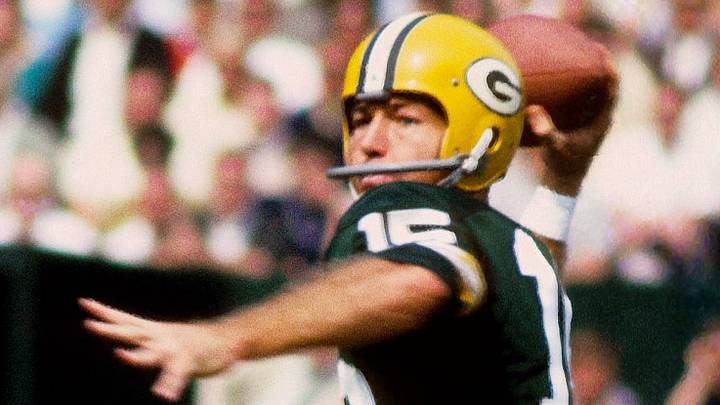
Bart Starr: Starr is a five-time champion, the all-1960s quarterback, a Pro Football Hall of Famer and the 1966 NFL MVP but somehow seems underrated. In 16 seasons, he led the league in passer rating four times. His 105.0 rating in 1966 ranked sixth in NFL history at the time.
Zeke Bratkowski: Bratkowski was Bart Starr’s backup for seven seasons and is in the Packers Hall of Fame. He started only nine games with Green Bay but came up big in the 1965 playoffs, when he threw for 248 yards in an overtime victory over Baltimore. When pressed into duty, the Packers went 8-1.
Lynn Dickey: Dickey’s 13-year career included the 1976 through 1985 seasons with the Packers. In 1983, the Packers Hall of Famer finished fifth in NFL MVP voting after leading the NFL in passing yards and passing touchdowns. He was never a Pro Bowler due in part to injuries.
Don Majkowski: A 10th-round pick in 1987, Majkowski led the Cardiac Pack team of 1989 to a 10-6 record. He finished second in the MVP race with a league-leading 4,318 passing yards and seven game-winning drives. Injuries derailed his career and opened the door for Brett Favre. He’s in the Packers Hall of Fame.
Brett Favre: Any Mount Rushmore-style list of the most important people in Packers history would have to include Favre. It’s not just that he was a three-time MVP, won a Super Bowl or still ranks in the top five in completions, passing yards and passing touchdowns. He turned around a listless franchise. Without him, the Lambeau Field referendum might not have passed. Without the renovated and expanded stadium, where would the Packers be today? The ultimate ironman started a franchise-record 253 games.
Aaron Rodgers: After three years on the bench behind Brett Favre, Rodgers put together a career at least on par with his legendary predecessor. Favre won three MVPs; Rodgers won four. Favre is the franchise leader in passing yards; Rodgers is the franchise leader in touchdown passes. In NFL history, he is first in passer rating, fourth in touchdowns and fifth in yards. Five years after his career is over, he’ll be inducted into the Pro Football Hall of Fame.
Jordan Love: The team’s controversial first-round pick in 2020 – the Packers were coming off a trip to the NFC Championship Game and had Aaron Rodgers at quarterback – Love has emerged as one of the better quarterbacks in the NFL. He had a 101.2 passer rating last season, which ranked fifth in the league. He’s tied with Tobin Rote for fifth in Packers history with 11,535 yards.
Malik Willis: Is it a stretch to list Willis among the top 250 players in Packers history? Maybe. In two seasons, he played in 11 games with three starts. But he was the best backup in the league with a 124.8 passer rating in 2024 and a 145.5 rating in 2025. Those were the best passer ratings for any quarterback with 35 passing attempts and one start during that span.
The Long-Ago Legends in Hall of Fame

These players are listed in order of their enshrinement.
WR Don Hutson: Hutson revolutionized the game. He played 11 seasons, earning second-team All-Pro his first three and first-team All-Pro his final eight. He led the NFL in receptions eight times, receiving yards seven times and receiving touchdowns nine times. In 1940, he didn’t lead the league in any of those categories but did lead in interceptions.
In 1942, he became the NFL’s first 1,000-yard receiver when led the league in receptions (74), yards (1,211) and touchdowns (17). In the 10-team league, he had more yards than four teams and more touchdowns than eight. Hutson retired in 1945 with 99 receiving touchdowns. That record held until Steve Largent broke it in 1989.
The Pro Football Hall of Famer also was part of the two-way team on the NFL’s 75th-anniversary squad.
T/DL Cal Hubbard: Hubbard is one of the true legends in sports. He was part of the NFL’s first Hall of Fame class in 1963 and was selected the greatest tackle of all-time in 1969. He also was part of the two-way team on the NFL’s 75th-anniversary team. Hubbard also is enshrined in the National Baseball Hall of Fame for his work as an umpire.
B Johnny “Blood” McNally: McNally was part of the Pro Football Hall of Fame’s inaugural class in 1963. Even today, his 37 receiving touchdowns are the most in NFL history by a running back. He had 10 touchdown catches in 1931, when he was second-team All-Pro. He earned All-Pro honors following each season of the championship three-peat of 1929, 1930 and 1931.
FB/LB Clarke Hinkle: Hinkle played 10 seasons with the Packers. He was a first- or second-team All-Pro in nine and a Pro Bowler in the 10th. He retired as the leading rusher in NFL history with 3,860 yards. Hinkle was part of the two-way team on the NFL’s 75th-anniversary team and was inducted into the Pro Football Hall of Fame in 1964.
G Mike Michalske: Michalske was a first-team All-Pro following each of his first five seasons and was part of the all-1920s team due to his two-way dominance. He helped the Packers win three championships and was inducted into the Pro Football Hall of Fame in 1964.
B Tony Canadeo: Canadeo played for the Packers from 1941 through 1952. In 11 seasons, he rushed for 4,197 yards and 26 touchdowns, including 1,052 yards in 1949 – the first 1,000-yard season in Packers history and the third in NFL history. The Pro Football Hall of Famer is part of the all-1940s team.
S Bobby Dillon: Dillon played his entire career with a glass eye but finished his eight-year career with a franchise-record 52 interceptions. He had at least seven interceptions in five consecutive seasons and finished with five pick-sixes. He was a first- or second-team All-Pro in five seasons. Dillon was inducted into the Pro Football Hall of Fame posthumously in 2020.
Don’t Forget These Long-Ago Legends
This group is listed in alphabetical order.
T Dick Afflis: A 16th-round pick in 1951, Afflis played in all 48 games with 31 games in four seasons. He’s better known as the legendary professional wrestler Dick the Bruiser. His gravelly voice is due to an injury larynx suffered while with the Packers.
C Nate Barragar: The Packers Hall of Famer started 27 games from 1931 through 1935. He was a first-team All-Pro in 1932 for his two-way dominance.
C/LB Charley Brock: Brock played from 1939 through 1947. He was a Pro Bowler or All-Pro five times. He finished his career with 20 interceptions, including three pick-sixes. He’s in the Packers Hall of Fame.
B Lou Brock: From 1940 through 1945, the Packers Hall of Famer rushed for 804 yards, caught 59 passes for 761 yards, accounted for 23 touchdowns and intercepted 13 passes.
B Hank Bruder: Bruder played nine seasons with the Packers, with three championships and Pro Bowl honors in 1939. He is in the Packers Hall of Fame.
T Howard “Cub” Buck: The Packers Hall of Famer played five seasons with the Packers and earned All-Pro honors twice before retiring after the 1925 season and going into coaching. He was the first Packers player given a guaranteed salary.
HB Al Carmichael: Carmichael was a productive runner and receiver, but the Packers Hall of Famer really made his mark as a returner with two kickoff-return touchdowns. His 106-yarder in 1956 stood as the longest in NFL history for 51 years. He scored the first touchdown in AFL history and was a movie stuntman.
B Irv Comp: The Packers Hall of Famer played from 1943 through 1949. He was a versatile two-way star. In 1943, he intercepted 10 passes. In 1944, he led the NFL in passing yards. He finished his career with 34 interceptions.
FB Fred Cone: The Packers Hall of Famer played for the team from 1951 through 1957. On offense, he rushed for 1,156 yards, caught 75 passes and scored 16 touchdowns. As a kicker, he led the league with 16 field goals and went 30-for-30 on extra points in 1955.
B/DE Larry Craig: Craig played for the Packers from 1939 through 1949. He was a three-time Pro Bowler and enshrined in the Packers Hall of Fame.
C Bernard “Boob” Darling: The Packers Hall of Famer was part of Green Bay’s tthree-peat in 1929, 1930 and 1931.
E Lavvie Dilweg: Dilweg is one of the biggest Pro Football Hall of Fame oversights. From 1926 through 1934, he was a first-team All-Pro five times and a second-team choice on three occasions. He’s the only member of the NFL’s all-decade team of the 1920s to not be in Canton.
OL Francis “Jug” Earp: A three-time NFL champion and a member of the Packers Hall of Fame, Earp started 88 games for the Packers from 1922 through 1932.
G/K Paul “Tiny” Engebretsen: A starting lineman, the Packers Hall of Famer also was the primary kicker for the team’s championship teams in 1936 and 1939.
G Lon Evans: The Packers Hall of Famer started 57 games from 1933 through 1937 and was a two-time first-team All-Pro.
FB Howie Ferguson: Ferguson played for the Packers from 1953 through 1958 and was a second-team All-Pro in 1959, when he rushed for a career-high 859 yards. He’s in the Packers Hall of Fame.
B/DB Bob Forte: Forte played for the Packers from 1946 through 1953 and is in the Packers Hall of Fame. His biggest impact came on defense with 23 interceptions in seven seasons, including nine in 1947. He’s one of 14 NFL players to serve in World War II and the Korean War.
B Ted Fritsch: Fritsch not only is a Packers Hall of Famer but played two seasons in the NBL – which later merged with another league to form the NBA – as well as minor league baseball. Fritsch played from 1942 through 1950. In 1946, when he was first-team All-Pro, he led the league with nine rushing touchdowns and 10 total touchdowns.
E/DE Milt Gantenbein: The Packers Hall of Famer was the “other” receiver to Don Hutson. He helped the Packers win three championships.
G/RB Charles “Buckets” Goldenberg: A native of Russia who grew up in Milwaukee, Goldenberg was a member of the all-1930s team and is a Packers Hall of Famer. He played in 120 games in 13 seasons, starting in the backfield and at guard.
E Hieronym “Harry” Jacunski: In six seasons with the team, the Packers Hall of Famer was part of the 1939 and 1944 championships. He had a big season in 1943 with 24 catches for 528 yards and three touchdowns.
E Billy Howton: Talk about taking the league by storm. As a rookie in 1952, he led the NFL with 1,231 receiving yards. His 13 touchdown catches stood as the rookie record until Randy Moss beat it in 1998. The Packers Hall of Famer led the league in receiving yards twice and was an All-Pro or Pro Bowler four times in seven seasons with the team. He played 12 NFL seasons, just missing the Lombardi era.

FB Ed Jankowski: Jankowski played from 1937 through 1941 and rushed for 1,002 yards. He was a Pro Bowler in 1939, when the Packers won the championship. He had a pick-six on defense. He’s in the Packers Hall of Fame.
B Chester “Swede” Johnston: The Packers Hall of Famer played for the team in 1931 and again from 1934 through 1938. He rushed for 309 yards and caught eight passes. “There is no better team man on the Packer roster,” Lambeau said of the Appleton native.
HB Joe Laws: The Packers Hall of Famer rushed for 1,932 yards in 12 seasons and helped the team win three championships. In the 1944 title game, a 14-7 win over the Giants, he set an NFL record with three interceptions.
T Bill Lee: Lee joined the Packers for his third season in 1937. He started 32 games in seven seasons and was a Pro Bowler for the 1939 champions.
G Russ Letlow: A first-round pick in 1936, Letlow was a two-time Pro Bowler, a member of the all-1930s team and a Packers Hall of Famer. He missed three seasons while serving in the military.
B Verne Lewellen: In nine seasons with the Packers, he was a three-time champion and a four-time first-team All-Pro. He was the first player in NFL history to reach 50 career touchdowns.
E Bob Mann: When Mann joined the Packers late in the 1950 season, he became the first African-American player to officially play for the team. Mann led the NFL with 1,014 receiving yards with the Lions in 1949. In five seasons with Green Bay, the Packers Hall of Famer caught 199 passes for 1,629 yards and 17 touchdowns.
DE John Martinkovic: The Packers Hall of Famer played for the team from 1951 through 1957 and was a two-time Pro Bowler.
B Charlie Mathys: The Packers Hall of Famer and Green Bay native accounted for 16 touchdowns from 1922 through 1926.
B Bob Monnett: Monnett rushed for 1,488 yards, caught 27 passes and threw 28 touchdown passes from 1933 through 1938. The Packers Hall of Famer led the NFL with nine touchdown passes in 1938, his final season.
E Carl Mulleneaux: The Packers Hall of Famer caught 44 passes for 850 yards and 11 touchdowns in six seasons from 1938 through 1946; he missed three seasons due to World War II. He was a Pro Bowler in 1939 and again in 1940, when he finished in the NFL behind only Don Hutson with six touchdown catches.
E Tom Nash: Nash was part of Lambeau’s championship three-peat. He was second-team All-Pro in 1930 and first-team All-Pro in 1932. He also played minor-league baseball. He hit .351 in 1932.
LT Buford “Baby” Ray: The Packers Hall of Famer played in 116 games from 1938 through 1948. He was a second-team All-Pro in 1939 and a member of the NFL’s all-1940s team.
T Ade Schwammel: Schwammel, who also was a part-time kicker, played for the Packers from 1934 through 1936 and again in 1943 and 1944, the seven-year hiatus due to military service. He was first-team All-Pro in 1935.
C George Svendsen: Svendsen is a member of the all-1930s team and a Packers Hall of Famer. He was at his best on the offensive line but also intercepted two passes on defense. He also played in the National Basketball League.
C Earl “Bud” Svendsen: Svendsen, the younger brother of George Svendsen, played only three seasons with the Packers but is in the team’s Hall of Fame. He was a Pro Bowler for the 1939 champions; he intercepted a pass in the championship game.
LB Deral Teteak: The Packers Hall of Famer was a Pro Bowler as a rookie in 1952. Tackles weren’t a stat when he played but he did intercept six passes and recovered five fumbles in five seasons.
G Elijah “Pete” Tinsley: Tinsley was a Pro Bowler in 1939 and second-team All-Pro in 1941. The Packers Hall of Famer was part of two championship teams.
S Emlen Tunnell: Tunnell was part of the 50th and 100th anniversary team and was the first African-American to be enshrined in the Pro Football Hall of Fame. He closed his career with three seasons with the Packers, including Pro Bowl honors in 1960.
B Andy Uram: Uram, a Packers Hall of Famer, had 1,073 rushing yards and 1,083 receiving yards in his six-year career. He had a 97-yard touchdown run in 1939 and led the NFL with 20.0 yards per catch in 1942. He left the team after the 1943 season to join the Navy.
OL/DT Dick Wildung: From 1946 through 1952, Wildung started 72 games and missed only two in his career. He was picked for his first Pro Bowl in his final season.
G/DT Whitey Woodin: Wooden played on the line from 1922 through 1931 and was part of Curly Lambeau’s championship tthree-peat. He’s in the Packers Hall of Fame.
LB Roger Zatkoff: Zatkoff played for the Packers from 1952 through 1958. He was second-team All-Pro in 1954, first-team All-Pro in 1955 and made his third consecutive Pro Bowl in 1956. He’s somehow not in the Packers Hall of Fame.
Vince Lombardi’s Hall of Fame Legends
These players are listed in order of their Hall of Fame enshrinement.
FB Jim Taylor: Taylor’s 8,207 rushing yards in nine seasons with the Packers stood as the franchise record until it was broken by Ahman Green. In 1962, he was NFL MVP after leading the NFL with 1,474 rushing yards, 19 rushing touchdowns, 1,580 total yards and 19 total touchdowns. He had five 1,000-yard seasons and won four NFL championships. Other than Lombardi himself, he was the first Glory Years player enshrined in Canton.
T Forrest Gregg: The legendary lineman played 14 seasons for the Packers and was first-team All-Pro in seven. His 156 starts are tied with Bart Starr for fifth in team history. He was part of the all-1960s team, the 75th-anniversary team and 100th-anniversary team, and won five championships.
LB Ray Nitschke: The legendary and ferocious linebacker played 190 games (sixth in Packers history) with 144 starts over 15 Hall of Fame seasons. Tackles weren’t an official stat when he played, but he did intercept 25 passes and recover 23 fumbles. He was a first- or second-team All-Pro five times and a member of the all-1960s team and the 75th-anniversary team.
CB Herb Adderley: The Pro Football Hall of Famer ranks third in Packers history with 39 interceptions. His seven pick-sixes stood as the team record until it was broken by Charles Woodson. He was a first- or second-team All-Pro seven times, ranks ninth all-time in interception-return yards and won five championships.
DE Willie Davis: Sacks became an official stat in 1982. Pro Football Reference has unofficial data going to 1960. By that measure, Davis is the Packers’ career leader with 99.5 sacks. He was a five-time first-team All-Pro, a five-time NFL champion and a member of the Pro Football Hall of Fame.

C Jim Ringo: The Pro Football Hall of Famer played 11 seasons for the Packers before being shipped to the Eagles by Lombardi. During his final seven seasons with the team, he was a first-team All-Pro in six (and second team in the other).
HB Paul Hornung: Rushing, receiving, passing and kicking, the Hall of Famer did everything for Vince Lombardi’s teams to earn his spot in Canton. A member of the all-1960s team, he led the league in rushing touchdowns in 1960 and won NFL MVP in 1961.
S Willie Wood: Wood, who entered the NFL as an undrafted free agent, ranks second in Packers history with 48 interceptions. He had two punt-return touchdowns in 1961 and nine interceptions in 1962. He was a four-team first-team All-Pro, eight-time Pro Bowler and five-time champion.
DT Henry Jordan: The Pro Football Hall of Famer was acquired from Cleveland before a stellar 11 seasons with the Packers. He was a five-time first-team All-Pro and part of all five Glory Years champions. Unofficially, he had five-plus sacks eight times.
LB Dave Robinson: Robinson played 10 seasons for the Packers and had 27 interceptions and, unofficially, 28.5 sacks. He was a four-time Pro Bowler and earned first- or second-team All-Pro on three occasions. The all-1960s selection won three championships, including two Super Bowls.
G Jerry Kramer: The legendary lineman was first-team All-Pro five times and was part of all five Glory Years champions. He was part of the all-1960s team and the NFL’s 50th-anniversary team. He added 177 points as a kicker.
More of Lombardi’s Legends
These players, all of whom won at least one NFL championship under Lombardi, are listed by position group.
RB Tom Moore: A first-round pick in 1960, Moore in six seasons for the Packers rushed for 2,069 yards, caught 71 passes and scored 27 touchdowns. He was a Pro Bowler in 1962, when he scored seven touchdowns, and a second-team All-Pro in 1963, he set career highs with 658 rushing yards, 895 total yards and eight total touchdowns.
RB Elijah Pitts: Pitts spent 10 seasons with the Packers and won five championships. He was never a star, but he rushed for 1,684 yards and 28 touchdowns and caught 97 passes for 1,182 yards and six more touchdowns. The Packers Hall of Famer scored two touchdowns in Super Bowl I.
RB Donny Anderson: Anderson, the seventh pick of the 1966 draft, played six seasons for the Packers and is in their Hall of Fame. He rushed for 3,165 yards, caught 125 passes for 1,725 yards and scored a total of 30 touchdowns. He won Super Bowls in 1966 and 1967 – he also scored a touchdown in Super Bowl II – and was picked for the Pro Bowl in 1968.
LT Bob Skoronski: Skoronski was the blind-side protector for all five of the Glory Years championship teams. After being drafted in 1956 and serving two years in the Air Force, he started 131 games in 11 seasons. The team captain was selected for his only Pro Bowl in 1966 and is in the Packers Hall of Fame.
G Fred “Fuzzy” Thurston: Thurston was first-team All-Pro in 1961 and second-team All-Pro in 1962. The Packers Hall of Famer started 89 games in nine seasons for the Packers and is a six-time NFL champion.
C Ken Bowman: Bowman started 107 games from 1964 through 1973. He never received postseason honors but he’s a member of the Packers Hall of Fame.
G Gale Gillingham: Gillingham was drafted in the first round in 1966 and started every game for the Super Bowl II champions in 1967. From 1969 through 1971, Gillingham was selected to three Pro Bowls and was voted the best lineman in the NFL in 1970. One of the best linemen in the business, coach Dan Devine moved Gillingham to the defensive line in 1972. In his second game, he suffered a season-ending knee injury. Gillingham returned to offense and was a Pro Bowler in 1973 and 1974. The Packers Hall of Famer started all 14 games in seven seasons.

WR Max McGee: McGee was part of all five of Lombardi’s championship teams. The Packers Hall of Famer was selected for only one Pro Bowl but had more than 650 receiving yards in six consecutive seasons, including 1959, when he led the league with a 23.2-yard average. During his second-to-last season, 1966, he caught four passes for 91 yards and one touchdown. Summoned off the bench in Super Bowl I, he caught seven passes for 138 yards and two touchdowns in an absolutely legendary performance.
WR Carroll Dale: Dale spent eight seasons with the Packers, including the championship three-peat and Pro Bowls in 1968, 1969 and 1970. He caught 275 passes for 5,422 yards (19.7 average) and 35 touchdowns. He’s in the Packers Hall of Fame.
E Gary Knafelc: The Packers Hall of Famer caught 134 passes for 1,930 yards and 21 touchdowns in nine seasons with the team. He was part of Lombardi’s first two championship teams.
E Boyd Dowler: Dowler is part of the all-1960s team and is a Packers Hall of Famer. In 11 seasons with the team, which included a pair of Pro Bowls, he caught 448 passes for 6,918 yards and 40 touchdowns. He was part of all five of the Glory Years championship teams.
TE Marv Fleming: Fleming, who was drafted in 1963, won four Super Bowls. He spent his first seven seasons with the Packers and caught 109 passes for 1,300 yards and 12 touchdowns. He’s in the Packers Hall of Fame.
TE Ron Kramer: Kramer was first-team All-Pro in 1962 and a second-teamer in 1963. In seven seasons with the team, the Packers Hall of Famer caught 170 passes for 2,594 yards and 15 touchdowns.
DE Lionel Aldridge: Aldridge played for the Packers from 1963 through 1971. He started 117 games and had 62 sacks, including three with double-digits. The Packers Hall of Famer was part of three of Lombardi’s championship teams.
DT Robert Brown: Brown was a 16th-round pick by the 49ers in 1964. He made his NFL debut for the Packers in 1966, when he unofficially had 4.5 sacks and added another in the Super Bowl win over the Chiefs. In seven seasons, he started 67 games and was a Pro Bowler in 1972.
DT Dave “Hawg” Hanner: Hanner played in 160 games with 155 starts from 1952 through 1964 and was a two-time Pro Bowler. As a player, coach and scout, the Packers Hall of Famer spent 28 consecutive seasons with the team.
DT Ron Kostelnik: The Packers Hall of Famer spent eight seasons in Green Bay and was part of all five of the Glory Years championships. Six of his 17 sacks came in 1965.
LB Bill Forester: Forester started 137 games for the Packers from 1953 through 1963. The Packers Hall of Famer was a first-team All-Pro from 1960 through 1962 and intercepted 21 passes in his career.
LB Dan Currie: The third pick of the 1958 draft, Currie was first-team All-Pro in 1962 and second-team All-Pro in 1963. The two-time champion and Packers Hall of Famer had 11 interceptions in seven seasons with the team.
LB Lee Roy Caffey: Caffey spent his rookie season with the Eagles before joining the Packers from 1964 through 1969. In six seasons with the team, the Packers Hall of Famer intercepted nine passes and was a first-team All-Pro in 1966, when he had three interceptions for the Super Bowl champs.
DB Doug Hart: An undrafted free agent in 1963, Hart spent all eight seasons with the Packers and scored five defensive touchdowns. He was a starter for the 1965 champions and a backup for the Super Bowl champion teams. He intercepted 15 passes and played in all 112 games from 1964 through 1971.
CB Bob Jeter: Jeter was a second-round pick in 1960 who opened his career in Canada. He played receiver for the Packers in 1963 and 1964 before being moved to defense, where he starred. He intercepted 23 passes in six seasons on defense for the Packers, including five in 1966, when the Packers won the Super Bowl, and eight in 1967, when they won another championship and Jeter was first-team All-Pro. He’s in the Packers Hall of Fame.
CB Jesse Whittenton: The Packers Hall of Famer played for the team from 1958 through 1964. He intercepted 20 passes during that span, including six in 1960, when he was first-team All-Pro, and five in 1961, when he was second-team All-Pro and the Packers won the first of their Glory Years championships.
CB/S Hank Gremminger: The Packers Hall of Famer intercepted 28 passes in 10 seasons with the team and won three championships. During the 1961 championship game, he had an interception in a 37-0 rout of the Giants.
S Tom Brown: Brown started all 14 games from 1965 through 1968 with 12 interceptions during that span. He was part of the legendary three-peat team.
S John Symank: A 23rd-round pick in 1957, he had one of the best rookie seasons in NFL history with nine interceptions. He had 18 interceptions in seven seasons, plus another in the 1960 championship loss to the Eagles. He won two championships.
The Championship Drought
These players are listed by position group, starting with the two Hall of Famers.
WR James Lofton: The Pro Football Hall of Famer spent his first nine seasons with the team. He was a premier big-play threat with 530 catches for 9.656 yards and 49 touchdowns. He led the league in yards per catch in 1983 and 1984 and finished his NFL career with 14,004 yards.
WR Sterling Sharpe: The Hall of Famer had a quiet rookie season in 1988 before taking the league by storm. He set an NFL record with 108 catches in 1992, then broke it with 112 catches in 1993. In a seven-year career that ended prematurely, he caught 505 passes for 8,134 yards and 65 touchdowns. He led the league in receptions, yards and touchdowns in 1992, when he finished fourth in MVP voting.

WR John Jefferson: Jefferson led the NFL with 1,340 receiving yards and 13 touchdowns with the Chargers in 1980. He joined the Packers in 1981. In four seasons, he caught 149 passes for 2,253 yards and 11 touchdowns.
RB John Brockington: The ninth pick of the 1971 draft, the Packers Hall of Famer topped 1,000 rushing yards in each of his first three seasons and surpassed 1,000 total yards during his first four seasons. During his debut season, he was Rookie of the Year and first-team All-Pro.
RB Eddie Lee Ivery: A first-round pick in 1979 – he set a Division I record with 356 rushing yards against Air Force in 1978 – Ivery in eight seasons rushed for 2,933 yards and 23 touchdowns and caught 162 passes for 1,612 yards and seven more scores.
FB Gerry Ellis: Ellis was a seventh-round pick by the Rams in 1980, but the Packers Hall of Famer spent all seven seasons with the Packers. He rushed for 3,826 yards, caught 237 passes and scored 37 total touchdowns. In 1981, he rushed for 860 yards and caught 65 passes.
TE Rich McGeorge: A first-round pick in 1970, McGeorge played in every game in all but one of his nine seasons. He was never a Pro Bowler but he caught 175 passes for 2,370 yards and 13 touchdowns.
TE Paul Coffman: Coffman went undrafted in 1978 but had a superb 10-year run with the Packers. He caught 322 passes for 4,223 yards and 39 touchdowns. He was a Pro Bowler in 1982, 1983 and 1984. His 54 receptions for 814 yards and 11 touchdowns in 1983 is the best season ever by a Packers tight end. He’s a Packers Hall of Famer.
TE Ed West: No tight end in Packers history started more games than “The Toolbox.” In 11 seasons, he scored 25 touchdowns. His final season with the team was 1994, so he missed the run to the Super Bowl.
C Larry McCarren: The Rock was an apt nickname. The Packers Hall of Famer played in a then-team-record 162 consecutive games. He started 153 games from 1973 through 1984 and was a Pro Bowler in 1982 and 1983.
G Ron Hallstrom: After two years on the bench, Hallstrom started 124 games during his final nine seasons with the team. He played in every game from 1983 through 1992, his final season with the team. He didn’t earn any accolades.
T Dick Himes: Himes was drafted in the third round in 1968 and spent his entire 10-year career with the Packers. He started 104 games, including all but three games during his final seven seasons.
T Greg Koch: A second-round pick in 1977, Koch played his first nine seasons with the Packers. The Packers Hall of Famer played in 133 games with 120 starts, including five consecutive seasons in which he started every game.
DE Alden Roche: Drafted by Denver in 1970, he joined the Packers in 1971. In six seasons with the team, he made 73 starts and unofficially had 32 sacks. His best season was 8.5 sacks in 1976.
DE Mike Butler: A first-round pick in 1977, Butler started all but two games during his first six seasons. He was never a Pro Bowler but had 10 sacks in 1978 and 10.5 sacks in 1981. He bolted for the USFL after the 1982 season.
DE Clarence Williams: Williams played for the Packers from 1970 through 1977, so before sacks were an official stat. Unofficially, though, he ranks 10th in franchise history with 51 sacks, with double-digits sacks in 1972 and 1975.
DE Ezra Johnson: A first-round pick in 1977, Johnson’s only Pro Bowl season was 1978. Unofficially, he had 17.5 sacks. In 11 seasons with the team, the Packers Hall of Famer had 82 sacks. That trails only Willie Davis and Clay Matthews on the unofficial list.
DE Robert Brown: Yes, another Robert Brown. A fourth-round pick in 1982, Brown had 25.5 sacks in 11 seasons with the team. He started every game in each of his final seven seasons with the team.
OLB Tim Harris: Harris was an elite pass rusher. He had eight sacks as a rookie in 1986, seven in 1987, 13.5 in 1988 and 19.5 in 1989, when he was first-team All-Pro and runner-up for NFL Defensive Player of the Year. In five seasons with the Packers, he had 55 sacks and 12 forced fumbles. He’s in the Packers Hall of Fame.
DE Tony Bennett: A first-round pick in 1990, Bennett in four seasons with the team had 36 sacks. He had 111 tackles and 13 sacks in 1991 and 91 tackles and 13.5 sacks in 1992 but was not selected to a Pro Bowl.
DE Bryce Paup: Like with Hayward, Paup was a good player in Green Bay who reached greatness elsewhere. He spent his first five seasons with the Packers, recording 32.5 sacks during the final four and earning Pro Bowl honors in 1994. With the Bills in 1995, he was the Defensive Player of the Year with a league-high 17.5 sacks.
DT Mike McCoy: McCoy was the second overall pick of the 1970 draft. In seven seasons, he started 90 games and, unofficially, had 29 sacks. He was never a Pro Bowler but he did have 8.5 sacks in 1976, his final year with the team.
LB John Anderson: A first-round pick in 1978, Anderson spent all 12 seasons with the Packers and intercepted 25 passes. A Packers Hall of Famer, he was a member of the NFL’s all-1980s team even while never earning postseason honors.
LB Fred Carr: The fifth pick of the 1968 draft, the Packers Hall of Famer was a three-time Pro Bowler who started every game during his final eight seasons.
LB Jim Carter: A third-round pick in 1970, Carter played all eight seasons for the Packers. He started 90 games during that span. He finished ninth in Defensive Player of the Year voting in 1972 and was a Pro Bowler in 1973, when he had three interceptions. Carter was tasked with replacing the legendary Ray Nitschke. When he was voted to the Pro Bowl, he was the only Packers linebacker to get the honor between 1964 (Nitschke) and 2010 (A.J. Hawk).
LB Mike Douglass: “Mad Dog” Douglass intercepted 10 passes and added 38 sacks in nine seasons. The Packers Hall of Fame never earned postseason accolades, even though he had 9.5 sacks and led the NFL with nine forced fumbles in 1981.
LB Brian Noble: Noble started 110 games for the Packers from 1985, when he was All-Rookie, through 1993. The NFL didn’t keep tackle numbers at the time but it was a lot. He finished with 14 sacks, nine forced fumbles and three interceptions. He was never a Pro Bowler.
LB Johnny Holland: The Packers Hall of Famer spent his entire career with the Packers. His final two seasons were 1992 and 1993, when he led the team in tackles. He intercepted nine passes and started 100 games.
CB Willie Buchanon: The Packers Hall of Famer was voted Defensive Rookie of the Year in 1972, when he intercepted four passes, and was first-team All-Pro in 1978, when he intercepted nine passes. In seven seasons with the team, he picked off 21 passes.
CB Ken Ellis: Ellis spent the 1970 through 1975 seasons with the Packers. He intercepted 20 passes, including four in 1972, when he was first-team All-Pro, and three apiece in 1973 and 1974, when he was a Pro Bowler. He’s a Packers Hall of Famer.
CB Mark Lee: Drafted in 1980, Lee spent his first 11 seasons with the Packers. He intercepted 31 passes for his career. He was never a Pro Bowl or All-Pro, even though he had nine interceptions in 1986. He’s in the Packers Hall of Fame.
CB Tim Lewis: A first-round pick in 1983, Lewis had five interceptions as a rookie, seven in 1984 and four in 1985 but suffered a career-ending injury early in 1986. He ended up with 16 picks in only 51 games.
S Johnnie Gray: An undrafted free agent in 1975, Gray wound up starting all 124 games he played in nine seasons. He intercepted 22 passes, including five in 1979 and five more in 1980. He was never a Pro Bowler but is a Packers Hall of Famer.
S Mark Murphy: Not to be confused by the former team president, this Murphy entered the league as an undrafted free agent. He intercepted 20 passes from 1980 through 1991 and led the team in tackles three times. He’s in the Packers Hall of Fame.
S Chuck Cecil: The hard-hitting Cecil played for the Packers from 1988 through 1992. He topped 100 tackles in 1991 and 1992 and was a Pro Bowler in 1992 after matching his career high with four interceptions.
Super Bowl XXXI Champions’ Return to Glory
After the Hall of Famers, these players are listed by position group.
DE Reggie White: The legendary Minister of Defense played six seasons for the Packers and piled up 68.5 sacks and 14 forced fumbles as one of the most dominant players to ever play the game. He was first- or second-team All-Pro in each season. In 1998, his final season before a brief retirement, he was the NFL Defensive Player of the Year after recording 16 sacks and four forced fumbles.
S LeRoy Butler: Butler’s legendary career includes 38 interceptions, which is tied for fourth in Packers history. He was the first defensive back in NFL history with at least 20 interceptions and 20 sacks. The four-time All-Pro’s 165 games are the most in Packers history by a defensive player. The Pro Football Hall of Famer scored only three touchdowns in his career. One started the Lambeau Leap. His 165 career starts trail only Favre and Rodgers.
RB Edgar Bennett: Bennett played for the Packers from 1992 through 1996. He rushed for 3,353 yards, caught 242 passes and scored a total of 29 touchdowns. The Packers Hall of Famer had only one 1,000-yard rushing season but four seasons of 1,000 total yards.
RB Dorsey Levens: After working in tandem alongside Edgar Bennett, Levens had a monster 1997 season with 1,435 rushing yards, 1,805 total yards and 12 total touchdowns. In eight seasons with the team, the Packers Hall of Famer rushed for 3,937 yards, 6,016 total yards and 44 total touchdowns.
FB William Henderson: A third-round pick in 1995, Henderson won the Super Bowl in 1996, got back to another in 1997 and earned his only Pro Bowl and All-Pro honors in 2004. The Packers Hall of Famer caught 320 passes. He ranks seventh in Packers history with 188 games.
TE Mark Chmura: Chmura played seven seasons and was a three-time Pro Bowler. His best season was 1995, when he caught 54 passes for 679 yards and seven touchdowns. He’s in the Packers Hall of Fame.

WR Robert Brooks: Brooks had a monster 1995 season with 102 catches for 1,497 yards. Among his 13 touchdowns was a 99-yarder. He missed the second half of the Super Bowl season in 1996 but was Comeback Player of the Year in 1997. In seven seasons with the team, the Packers Hall of Famer caught 306 passes for 4,225 yards and 32 touchdowns.
WR Antonio Freeman: Freeman had a quiet rookie season in 1995 but had three consecutive 1,000-yard seasons – and just missed two more. In 1998, he was first-team All-Pro after leading the league with 1,424 receiving yards. The Packers Hall of Famer caught 431 passes for 6,651 yards and 57 touchdowns in eight seasons with the team.
C Frank Winters: Winters was the man in the middle of the Brett Favre-led Packers offense that eventually won a Super Bowl. Winters played in 156 games with 141 starts in 11 seasons. The Packers Hall of Famer started every game from 1993 through 1996; he earned his only Pro Bowl honor in 1995.
G Adam Timmerman: A seventh-round pick in 1995, Timmerman started all 48 games from 1996 through 1998. He started for Super Bowl-winning teams for the Packers in 1996 and the Rams in 1999. Including his time with the Rams, he played in every game (and started all but one) for 10 consecutive seasons.
G Aaron Taylor: A first-round pick in 1994, Taylor missed his rookie season due to injury but started all but two games the next three seasons. He started the Super Bowl win in 1996, the Super Bowl loss in 1997 and joined the Chargers in 1998.
RT Earl Dotson: Dotson started 88 games in 10 seasons, including 15 games for the Super Bowl champions in 1996. He’ll be enshrined in the Packers Hall of Fame this year.
LT Ken Ruettgers: A first-round pick in 1985, Ruettgers started 140 games for the Packers in 12 seasons. His final season was 1996; the Packers won the Super Bowl but an injury limited him to four games. He’s in the Packers Hall of Fame.
DE Sean Jones: Jones spent the final three seasons of his 13-year career in Green Bay. He had 10.5 sacks in 1994, nine sacks in 1995 and five sacks for the Super Bowl champions in 1996. Plus, he had four sacks in eight playoff games for the team.
DT Santana Dotson: After four seasons with the Buccaneers, Dotson joined the Packers in 1996 to help put them over the top. He finished his career with six years in Green Bay with 26 sacks.
DT Gilbert Brown: Brown was a third-round pick by the Vikings in 1993 but didn’t make their roster. He played 10 seasons with the Packers and started 103 games. The “Grave Digger,” an integral part of a powerhouse defense that won Super Bowl XXXI, is in the Packers Hall of Fame.
LB Wayne Simmons: A first-round pick in 1993, Simmons brought the attitude for the future Super Bowl champions. In four-plus seasons with the team, he had 231 tackles, 7.5 sacks, three interceptions and three forced fumbles.
LB Brian Williams: A third-round pick in 1995, Williams had 386 tackles and four interceptions in six seasons, including 83 in 1996, 100 in 1997 and 108 in 1998. He had an interception in Super Bowl XXXI against New England.
LB George Koonce: Koonce signed with the Packers as an undrafted free agent in 1992. He started 102 games in eight seasons and piled up 651 tackles, including 108 in 1993, 103 in 1994 and 97 (with three interceptions) in 1996, when the Packers won the Super Bowl.
LB Bernardo Harris: Harris signed with the Chiefs as an undrafted free agent in 1994 but spent his rookie season on injured reserve, then made the Packers’ roster in 1995. From 1997 through 2001, Harris started 79 of a possible 80 games and had at least 97 tackles in all five seasons.
CB Doug Evans: A sixth-round pick in 1993, Evans spent five seasons with the Packers and finished with 12 interceptions. He had five interceptions for the Super Bowl champions in 1996 and was second-team All-Pro in 1997, when they got back to the Super Bowl.
CB Craig Newsome: A first-round pick in 1995, Newsome had four interceptions in four seasons with the team. He started every game for the Super Bowl champions – he had two interceptions in the regular season but one in each of the playoff games – but missed most of the 1997 and was traded before the 1999 season.
CB Tyrone Williams: A third-round pick in 1996, Williams was a valuable backup for the Super Bowl champions. From 1997 through 2022, he started all but two games. While he was never a Pro Bowler, he had 19 interceptions during that span.
S Eugene Robinson: Robinson’s 16-year career included the Super Bowl seasons of 1996 and 1997. He had six interceptions in 1996 and one in 1997, though he had one in the NFC Championship win over the 49ers and the Super Bowl loss to the Broncos.
S Darren Sharper: Drafted in 1997, Sharper spent his first eight seasons with the Packers and had 36 interceptions, including two as a rookie for the team that reached Super Bowl XXXII and five that were returned for touchdowns. He was first-team All-Pro in 2000, when he led the league with nine interceptions, and second-team All-Pro in 2002, when he had seven interceptions.
Champions Again in 2010
These players are listed by position group.
WR Donald Driver: A seventh-round pick in 1999, Driver played 13 seasons for the team and is the franchise leader with 743 receptions and 10,137 yards. He had seven 1,000-yard seasons, was a four-time Pro Bowler and is a Packers Hall of Famer. He is fourth with 205 games and seventh with 155 starts.
WR Greg Jennings: The Packers have a long, strong history with their second-round receivers. Jennings, drafted in 2005, was the start. He had three consecutive seasons of 1,100-plus receiving yards (bookended by two seasons in which injuries kept him short). He was a Pro Bowler in 2010, when he helped the Packers in the Super Bowl, and again in 2011. The Packers Hall of Famer is in the top 10 in franchise history in receptions, yards and touchdown catches.
WR Jordy Nelson: Drafted in the second round in 2008, Nelson in nine seasons with the team caught 550 passes for 7,848 yards and 69 touchdowns. He’s in the top six in Packers history in all three categories. He was second-team All-Pro in 2014, when he was an unstoppable big-play threat with 98 catches for 1,519 yards and 13 touchdowns. After missing 2015 with a torn ACL sustained in the preseason game, he won Comeback Player of the Year in 2016 with 97 catches for 1,257 yards and a league-leading 14 touchdowns. He’s in the Packers Hall of Fame.
WR James Jones: A third-round pick in 2007, Jones spent eight seasons with the Packers and caught 360 passes for 5,195 yards and 45 touchdowns. In 2012, he led the league with 14 touchdown catches.
LT Chad Clifton: Clifton was a two-time Pro Bowler and the left tackle for the Super Bowl XLV champions. The Packers Hall of Famer started 160 games for the team, fourth-most all-time and tops among linemen.
C Scott Wells: Wells started 100 games in eight seasons, including all 16 games in 2010, when they won the Super Bowl, and 2011, when he was picked for his only Pro Bowl.
G Josh Sitton: Sitton, who was drafted in 2008, was a second-team All-Pro in 2013, 2014 and 2015 before being was unceremoniously released at the end of training camp in 2016. He started 112 games in eight seasons with the team and is in its Hall of Fame.
G T.J. Lang: Lang was a backup for the Super Bowl champs but, beginning in 2011, started 94 games in eight seasons with the team. He started all but two games from 2011 through 2015 and was a Pro Bowler for the first time in 2016, his final season with Green Bay.
G Daryn Colledge: A second-round pick in 2006, Colledge played in all 80 games with 75 starts during his five seasons with the Packers.
RT Bryan Bulaga: Bulaga started 111 games in nine seasons with the team. He missed all of 2013 with a torn ACL, when he was expected to make the move from right tackle to left tackle. He never earned season accolades even though he was one of the best in the business.
RT Mark Tauscher: A seventh-round pick in 2000, the native of Auburndale, Wis., and Wisconsin Badgers standout, started 132 games in 11 seasons with the team. He missed most of the Super Bowl season due to injury, which opened the door for Bulaga. He’s in the Packers Hall of Fame.
RB Ryan Grant: Grant was a savior for the Packers. Acquired before the start of the season in 2007, he rushed for 956 yards in 2007, 1,203 yards in 2008 and 1,253 yards in 2009. He was injured in the 2010 opener, so missed the Super Bowl run, and was never the same player. He is sixth in Packers history with 4,143 rushing yards.
RB James Starks: Starks was a sixth-round pick in 2010 who barely played as a rookie until the playoffs, when he burst onto the scene with 123 yards against the Eagles and 315 yards the four-game run to a Super Bowl win. In seven seasons, he rushed for 2,506 yards and caught 125 passes.
FB John Kuhn: Kuhn spent nine seasons with the Packers. He was a three-time Pro Bowler, including as a second-team All-Pro in 2011 and a first-team All-Pro in 2014, and scored 23 touchdowns.
TE Jermichael Finley: A third-round pick in 2008, Finley’s season was cut short too soon due to injuries. He caught 55 passes in 2009, missed most of 2010, and returned to catch 55 passes (with eight touchdowns) in 2011 and 61 in 2012. He had 25 catches for 300 yards and three touchdowns in six games in 2013 before a career-ending injury against Cleveland.
DT Ryan Pickett: “Big Grease” joined the Packers in 2006 after five seasons with the Rams. In eight years with Green Bay, he started 113 games. While he had only 3.5 sacks during that time, he excelled as a big run-stuffing lineman.
NT B.J. Raji: As the ninth pick of the 2009 draft, Raji was the man in the middle of Dom Capers’ new 3-4 defense. He had a breakout second season in 2010 with 6.5 sacks and 10 tackles for losses to help the Packers win the Super Bowl – he had a pick-six at Chicago in the NFC title game – then was a Pro Bowler in 2011. He missed the 2014 season due to injury and retired after the 2015 season.
DT Cullen Jenkins: Jenkins went from undrafted free agent in 2003 to, after a year of seasoning in NFL Europe, a vital cog in a Super Bowl defense. He had 29 sacks in seven seasons, including seven in 2010.

OLB Clay Matthews: A first-round pick in 2009, Matthews was a Pro Bowler in six of his first seven seasons, including 2010, when he was first-team All-Pro with 13.5 sacks. He saved the 2014 season when he moved to off-the-ball linebacker. Officially, Matthews is the Packers’ career leader with 83.5 sacks.
LB A.J. Hawk: The team’s first-round pick in 2006, Hawk spent his first nine seasons with the Packers. He topped 100 tackles five times. Unofficially, he is the franchise leader in tackles.
LB Desmond Bishop: A sixth-round pick in 2007, Bishop started one game during his first three seasons but broke through with 12 starts in 2010 for the Super Bowl champs. He had 103 tackles in 2010 and 115 tackles, including 10 for losses, in 2011.
LB Nick Barnett: A first-round pick in 2003, Barnett played eight seasons for the Packers. He started at least 15 games in six of those seasons; one exception was the 2010 Super Bowl season. Unofficially, he’s third in Packers history in tackles. He was never a Pro Bowler but he was second-team All-Pro in 2007, when he had 131 tackles.
CB Charles Woodson: Woodson’s career was at a crossroads after spending his first eight seasons with the Raiders. He reluctantly signed with the Packers in free agency in 2006 to set him on a path to the Pro Football Hall of Fame. In seven seasons with the Packers, he intercepted 38 passes, including nine he returned for touchdowns, forced 15 fumbles and added 11.5 sacks. He was first- or second-team All-Pro from 2008 through 2011 and won NFL Defensive Player of the Year in 2009, when he led the league with nine interceptions.
CB Tramon Williams: Williams went undrafted in 2006 and joined the Packers late in the season. He became one of the best in the business. In 10 seasons with the team, he intercepted 30 passes. He was a Pro Bowler in 2010, when he intercepted six passes – not including pivotal interceptions in playoff wins at Philadelphia and Atlanta. He’ll be enshrined in the Packers Hall of Fame this year.
CB Sam Shields: An undrafted free agent in 2010 after playing cornerback for only his senior season at Miami, Shields was a vital part of the Super Bowl champions as a rookie. A Pro Bowler in 2014, Shields had 18 interceptions and 66 passes defensed from 2010 through 2015 but missed most of 2016 due to injury.
S Nick Collins: A second-round pick in 2005, Collins’ career ended in Week 2 of the 2011 season. What a shame. He intercepted seven passes in 2008, six in 2009 and four in 2010 – not including his pick-six in the Super Bowl. He was second-team All-Pro in each of those seasons. If not for the injury, he might have been a Pro Football Hall of Famer rather than just a Packers Hall of Famer.
S Morgan Burnett: A third-round pick in 2010 who missed most of the Super Bowl season due to injury, Burnett started 102 games in eight seasons. He had nine interceptions and three seasons of 100-plus tackles. In the 2014 NFC Championship Game at Seattle, he had two sacks, 10 tackles, three tackles for losses and one interception.
Between the Super Bowls
These players, who played between the Super Bowl XXXI and Super Bowl XLV championship teams, are listed by position group.
RB Ahman Green: Green was acquired in a trade with Seattle in 2000. After three consecutive seasons of at least 1,175 rushing yards, Green in 2003 had one of the best seasons by a running back in NFL history. He rushed for 1,883 yards and 15 touchdowns and caught 50 passes for 367 yards and five more touchdowns. After two years with the Texans, the Packers Hall of Famer returned to the team in 2009 and broke Jim Taylor’s franchise rushing record.

C Mike Flanagan: A third-round pick in 1996, Flanagan is the poster child while patience is a virtue when it comes to injured players. He missed the entire 1996 and 1997 seasons, so didn’t play for the Super Bowl teams, played in only two games in 1998 and didn’t break into the starting lineup until 2001, but wound up one of the best in the business with Pro Bowl honors in 2003. He started 64 games in eight seasons with the team.
G Mike Wahle: Wahle was taken in the second round of the supplemental draft in 1998. He spent seven seasons with the Packers and made 83 starts, including all 16 from 2001 through 2004. He signed with Carolina in 2005, where he earned his only Pro Bowl recognition.
G Marco Rivera: Drafted in 1997, Rivera was a Pro Bowler in 2002, 2003 and 2004 and earned second-team All-Pro in 2003. He started all but one game over a seven-year span. The Packers Hall of Famer started 111 games in eight seasons.
WR Javon Walker: A first-round pick in 2002, Walker was a Pro Bowler in 2024 with a breakout season of 89 catches for 1,382 yards and 12 touchdowns. After a contract dispute, he suffered a torn ACL in the 2005 opener and was traded to Denver in 2006.
TE Bubba Franks: A first-round pick in 2000, Franks in eight seasons caught 256 passes for 2,300 yards and 32 touchdowns. He had at least 25 catches in seven consecutive seasons, including 54 in 2002. He scored 20 touchdowns during his Pro Bowl seasons of 2001, 2002 and 2003.
DE Vonnie Holliday: Holliday was the first-round pick in 1998 and given the impossible task of eventually replacing Reggie White. He was second in Rookie of the Year voting in 1998 with eight sacks and had 32 sacks and six forced fumbles in five seasons.
DE Aaron Kampman: Kampman had 54 sacks in eight seasons with the Packers – No. 9 on the unofficial career list – highlighted by 15.5 sacks in 2006 and 12 sacks in 2007. He was second-team All-Pro both seasons. He’s in the Packers Hall of Fame.
DE Kabeer Gbaja-Biamila: Officially, KGB is second in Packers history with 74.5 sacks in nine seasons. Unofficially, he’s fourth. After 1.5 sacks in 2000, he had 10-plus sacks in each of the next four seasons. The Packers Hall of Famer was a Pro Bowler with 10 sacks and three forced fumbles in 2003.
CB Mike McKenzie: The Packers famously drafted cornerbacks with their first three picks 1999. The third of those picks, McKenzie, was the best of the bunch. In six seasons with the team, he started 67 games, intercepted 15 passes and added 71 passes defensed. Six of those picks come as a rookie.
CB Al Harris: Harris started 21 games in his first five NFL seasons with the Eagles. With the Packers from 2003 through 2009, he started all 16 games in five consecutive seasons and 102 games overall in seven seasons. He had 14 interceptions with Green Bay, earning second-team All-Pro in 2007 and Pro Bowl in 2008. He’s part of the same Packers Hall of Fame class as Charles Woodson.
The Latest Championship Drought
These players are listed by position group. Players on the current roster are in their own section.
RB Eddie Lacy: Lacy looked like the next big thing. A second-round pick in 2013, he was Rookie of the Year and second-team All-Pro with 1,178 rushing yards and 11 touchdowns. He backed that up with 1,139 rushing yards and nine touchdowns in 2014. However, Lacy lost his battle against the scale. In four seasons, he rushed for 3,435 yards and caught 101 passes.
RB Aaron Jones: A fifth-round pick in 2017, Jones ranks third in Packers history with 5,940 rushing yards. When he was released after the 2023 season, he ranked among the NFL’s all-time leaders with 5.0 yards per carry. Jones led the league with 16 rushing touchdowns in 2019 and was selected to his only Pro Bowl in 2020.
WR Randall Cobb: A second-round pick in 2011, Cobb in 10 seasons with the team caught 532 passes for 6,316 yards and 47 touchdowns. He ranks fifth in franchise history in receptions. His only 1,000-yard season was also his only Pro Bowl season. In 2014, he caught 91 passes for 1,287 yards and 12 touchdowns.
WR Davante Adams: A second-round pick in 2014, Adams played eight seasons for the Packers. In franchise history, he’s second in receptions, fourth in yards and second in touchdowns. He was picked to five consecutive Pro Bowls and was first-team All-Pro in 2020 and 2021. In 2020, he led the NFL in receiving touchdowns and receiving yards per game.
LT David Bakhtiari: Drafted in 2013, Bakhtiari was a first- or second-team All-Pro from 2016 through 2020. Had he not sustained a torn ACL at practice late in the 2020 season, the Packers probably would have gone to the Super Bowl and Bakhtiari might have wound up in the Pro Football Hall of Fame.
G Elgton Jenkins: A second-round pick in 2019, Jenkins was a Pro Bowl left guard in 2020 and 2022. He also was thriving at left tackle in 2021 until suffering a torn ACL. He started 94 games in seven seasons before he was released this offseason.
C Corey Linsley: Drafted in 2014, Linsley started 99 games in seven seasons for the Packers, highlighted by being first-team All-Pro in 2020. He signed with the Chargers after the season.
TE Richard Rodgers: A third-round pick in 2014, Rodgers caught 120 passes for 1,166 yards and 13 touchdowns in four seasons. One of the touchdowns and 61 of the yards cam on the game-winning Hail Mary at Detroit in 2015, when he had his best season with 58 catches for 510 yards and eight of his 15 career touchdowns.
DT Mike Daniels: A fourth-round pick in 2012, Daniels won the starting job in 2014. In seven seasons, he started 72 games and had 29 sacks. He had five consecutive seasons of at least four sacks, including 2017, when he was a Pro Bowler.
DT Kenny Clark: A first-round pick in 2016, Clark played nine seasons with the Packers. The three-time Pro Bowler had 35 sacks. He started every game from 2021 through 2024.

OLB Julius Peppers: The Hall of Famer joined the Packers for three seasons late in his career. He had seven sacks, two pick-sixes, four forced fumbles and 11 passes defensed in 2014, seven sacks in 2015 and 10.5 sacks in 2016, which was the last of his nine Pro Bowl seasons.
OLB Za’Darius Smith: Smith was part of Green Bay’s franchise-shifting free-agent binge in 2019. He had 13.5 sacks in 2019 to be a Pro Bowler and 12.5 sacks and four forced fumbles in 2020 to be second-team All-Pro. He played in only one game in 2021 and was released after the season.
OLB Preston Smith: The other half of the Smith Bros. had 44 sacks for the team from 2019 through 2024. He had a career-high 12 sacks in his debut season and at least eight from 2021 through 2023.
OLB Rashan Gary: A first-round pick in 2019, Gary played seven seasons for the Packers. Unofficially, he’s 11th in Packers history with 46.5 sacks. He never hit double-digits but he had 9.5 in a breakout 2021, six in an injury-shortened 2022, nine in his comeback season of 2023 and 7.5 in 2024, when he was selected to the Pro Bowl.
LB Blake Martinez: A fourth-round pick in 2016, Martinez led the NFL with 144 tackles in 2017 and added 144 in 2018 and 155 in 2019. In four seasons with the team, he had 512 tackles and 29 TFLs.
LB Quay Walker: The team’s first-round pick in 2022, Walker in four seasons with the team had 469 tackles – more than 100 in all four – and 29 tackles for losses. His only interception came in 2023.
CB Casey Hayward: Hayward was third in Defensive Rookie of the Year voting in 2012, when he finished with six interceptions and 20 passes defensed while only starting seven games. He missed most of 2013 and wasn’t as impactful in 2014 and 2015. He signed with the Chargers in 2016 and was a second-team All-Pro in 2016 and 2017.
CB Micah Hyde: Hyde was a fifth-round pick in 2013. In four seasons, he intercepted eight passes and returned two punts for a touchdown. He signed with Buffalo in 2017 and was second-team All-Pro.
CB Jaire Alexander: A first-round pick in 2018, Alexander was a Pro Bowler and second-team All-Pro in 2020 and 2022. He had only five interceptions during his first four seasons but matched that figure in 2022. Injuries ruined what might have been a superb career.
S HaHa Clinton-Dix: A first-round pick in 2014, Clinton-Dix had 100 tackles in 2015 and a career-high five interceptions in 2016, when he was a Pro Bowler and second-team All-Pro. He was traded in 2018 and finished with 65 starts in four-plus seasons.
S Adrian Amos: Amos was part of the Packers’ big splash into free agency in 2019. He started all 66 games in four seasons and intercepted seven passes with 30 passes defensed. He had a career-high 102 tackles in 2022.
Special Teams
RB/KR Travis Williams: The “Road Runner” played for the Packers from 1967 through 1970, so caught the back end of the dynasty. He rushed for 1,063 yards and six touchdowns and caught 49 passes for 530 yards and five touchdowns. As a rookie, he set still-standing NFL records with four kickoff-return touchdowns and a 41.1-yard average.
WR/KR Desmond Howard: Howard played for the Packers in 1996 and again in 1999. The 1996 season was a magical one. He led the NFL with a 15.1-yard average on punt returns with three touchdowns, then added another touchdown in a playoff win vs. the 49ers. He was a below-average kickoff returner with a 20.9-yard average but took one to the house in Super Bowl XXXI.

DB/KR Will Blackmon: A fourth-round pick in 2006, Blackmon started only two games during his four seasons with the team. He had zero interceptions and one pass breakup. So, what makes him one of the best players ever? Blackmon and Howard are tied for the franchise record with three punt-return touchdowns.
CB/KR Keisean Nixon: Nixon was the first-team All-Pro returner in 2022 and 2023 and a Pro Bowl cornerback in 2025.
LB John Dorsey: According to the Packers Media Guide, Dorsey owns the team record with 35 tackles on special teams in 1984. He added 30 in 1985.
K/P Don Chandler: Chandler spent nine seasons with the Giants and his final three with the Packers. In 1965, he made one of the most controversial field goals in NFL history in a playoff win against Baltimore. The punter on the all-1960s team and a Packers Hall of Famer, he was a Pro Bowler in 1967, when he set a Super Bowl record with four field goals vs. Oakland.
P Daniel Whelan: No way a punter in Green Bay, saddled with three or four cold-weather games, could lead the NFL. Right? Wrong. Last season, Whelan led the NFL with a 51.7-yard average and was fourth with a 43.9-yard net. He is leaps-and-bounds the best punter in Packers history.
K Chester Marcol: Marcol played nine seasons with the Packers. He was first-team All-Pro as a rookie in 1972 and again in 1974, leading the league in field goals both seasons. The Packers Hall of Famer scored 521 points, including his famous touchdown that beat the Bears in the 1980 opener.
K Jan Stenerud: The Pro Football and Packers Hall of Famer kicked for the Packers from 1980 through 1983 and is the kicker on the NFL’s 75th-anniversary team. In 1981, he led the NFL in field-goal percentage.
K Chris Jacke: Jacke kicked from 1989 through 1996, earning first-team All-Pro honors in 1994. The Packers Hall of Famer is fourth in franchise history with 820 points. When the Packers moved on at kicker following the 1996 season, he was five points behind Don Hutson for No. 1 on the scoring list.
K Ryan Longwell: The Packers drafted Brett Conway in the third round in 1997 to replace Chris Jacke. Instead, Conway bombed, Longwell won the job and never looked back. In nine seasons, he scored a then-Packers-record 1,054 points. The Packers Hall of Famer topped 100 points in each of his first eight seasons.
K Mason Crosby: When Crosby was drafted in 2007, Ryan Longwell was the franchise record-holder with 1,054 points. Crosby now holds that record with 1,918 points. He ranks 11th all-time in points. Crosby was never a Pro Bowler, but his performance at Dallas in the 2016 playoffs was legendary. He played in a franchise-record 258 games.
LS Rob Davis: The team’s long snapper from 1997 through 2007, he ranks 10th in team history with 167 games.
Coaches and Personnel
Curly Lambeau: Any list of the greatest Packers of all-time has to start with Lambeau, the legendary player and coach who helped found the franchise. As coach, he won 209 games and championships in 1929, 1930, 1931, 1936, 1939 and 1944. As a player, he was part of the all-1920s team who accounted for 36 touchdowns in nine seasons.
Vince Lombardi: Lombardi coached the Packers to five championships, including wins in Super Bowls I and II. He’s third in NFL history in winning percentage, then went 9-1 in the playoffs. He’s such an icon, the Super Bowl trophy is named after him.
Jack Vainisi: Vainisi, who died in 1960 at age 33, helped build the Glory Years team. During his too-short time with the team, he played a role in the team acquiring eight future Hall of Famers.
Mike Holmgren: The Packers were the NFL’s Siberia until Holmgren joined with Ron Wolf to build the team that won Super Bowl XXXI and lost in Super Bowl XXXII.
Matt LaFleur: LaFleur hasn’t won the big game but he’s won a lot of games. Even with last year’s flameout, he’s 16th all-time in winning percentage.
Ted Thompson: Thompson stubbornly stuck to his roster-building ways but, thanks in part to his bold decision to draft Aaron Rodgers, built the team that won the Super Bowl in 2010 and was in contention for several other seasons.
Ron Wolf: Where would the Packers be without Wolf’s head-scratching decision to trade for Brett Favre? Wolf gave up a first-round pick for a former second-round pick who threw two interceptions in four attempts as a rookie for the Falcons. Hiring Holmgren and trading for Favre were the big dominos on the road to snapping a three-decade championship drought.
Brian Gutekunst: Like Thompson did by drafting Rodgers when he had Favre, Thompson drafted Love when he had Rodgers. He hasn’t built a Super Bowl team, though they probably would have gotten there had Bakhtiari not suffered a torn ACL at practice late in 2020.
Today’s Packers

Along with Jordan Love, who is mentioned under the quarterbacks.
RB Josh Jacobs: In two seasons with the team, Jacobs has rushed for 2,258 yards and 28 touchdowns and caught 72 passes for 624 yards and two touchdowns. He was a Pro Bowler in 2024.
RT Zach Tom: Tom was a fourth-round pick in 2022. He thrived in a utility role as a rookie before taking over at right tackle in 2023. In 2024, he finished third in the All-Pro vote at right tackle.
TE Tucker Kraft: Before last year’s torn ACL, Kraft was on pace to top 1,000 receiving yards with 13 touchdowns. The TD count would have ranked third in NFL history by a tight end. He’s a run-after-catch monster – his 10.8 YAC per catch was 3.3 yards better than any other tight end last season – and one of the best in the league.
WR Christian Watson: A second-round pick in 2022, the Packers are banking on Watson to finally stay healthy. He’s played in 48 of a possible 68 games and caught 133 passes for 2,264 yards and 20 touchdowns. His 17.0 yards per catch ranks seventh in Packers history.
DE Micah Parsons: Is one year too soon to be considered one of the best players in Packers history? Not when you’re Parsons, who had 12.5 sacks in 14 games to earn first-team All-Pro and finish third in Defensive Player of the Year voting. In five NFL seasons, he has at least 12 sacks in each.
DT Devonte Wyatt: A first-round pick in 2022, Wyatt has 16 sacks in four seasons. The Packers are banking on him to stay healthy after recording five sacks in 14 games in 2024 and four sacks in 10 games in 2025.
LB Edgerrin Cooper: Cooper in two seasons has 205 tackles, four sacks, 17 tackles for losses, one interception and three forced fumbles. He was sixth in Rookie of the Year voting in 2024.
S Xavier McKinney: Is two years too soon to be one of the best Packers of all-time? Signed in free agency in 2024, he was first-team All-Pro with eight interceptions during his debut season and second-team All-Pro in 2025, when he had two interceptions.
S Evan Williams: A fourth-round pick in 2024, Williams earned the starting job at safety last season and had 100 tackles and three interceptions.
SIGN UP FOR OUR FREE DAILY PACKERS NEWSLETTER
 Add us as a preferred source on Google
-6269900502a1e0ca581b6c34076450d4.jpg "Bill Huber")
Bill Huber, who has covered the Green Bay Packers since 2008, is the publisher of Packers On SI, a Sports Illustrated channel. E-mail: packwriter2002@yahoo.com History: Huber took over Packer Central in August 2019. Twitter: https://twitter.com/BillHuberNFL Background: Huber graduated from the University of Wisconsin-Whitewater, where he played on the football team, in 1995. He worked in newspapers in Reedsburg, Wisconsin Dells and Shawano before working at The Green Bay News-Chronicle and Green Bay Press-Gazette from 1998 through 2008. With The News-Chronicle, he won several awards for his commentaries and page design. In 2008, he took over as editor of Packer Report Magazine, which was founded by Hall of Fame linebacker Ray Nitschke, and PackerReport.com. In 2019, he took over the new Sports Illustrated site Packer Central, which he has grown into one of the largest sites in the Sports Illustrated Media Group.