%20%20--%3E%0A%3Csvg%20version%3D%221.1%22%20id%3D%22Layer_1%22%20xmlns%3D%22http%3A%2F%2Fwww.w3.org%2F2000%2Fsvg%22%20xmlns%3Axlink%3D%22http%3A%2F%2Fwww.w3.org%2F1999%2Fxlink%22%20x%3D%220px%22%20y%3D%220px%22%0A%09%20width%3D%2239px%22%20height%3D%2240px%22%20viewBox%3D%220%200%2039%2040%22%20enable-background%3D%22new%200%200%2039%2040%22%20xml%3Aspace%3D%22preserve%22%3E%0A%3Cpath%20fill%3D%22%23FFFFFF%22%20d%3D%22M38.5%2C7H28.2v26h10.3V7z%22%2F%3E%0A%3Cpath%20fill-rule%3D%22evenodd%22%20clip-rule%3D%22evenodd%22%20fill%3D%22%23FFFFFF%22%20d%3D%22M26.1%2C25.5c0%2C5.8-4.1%2C7.5-12.9%2C7.5C3.9%2C33%2C0%2C31.2%2C0%2C25.2v-1.1h11.6%0A%09v2.4c0%2C0.7%2C0.1%2C1.4%2C1.2%2C1.4c1%2C0%2C1.2-0.4%2C1.2-1.3v-0.9c0-1.6-0.9-1.6-3.5-2.2C2.2%2C21.7%2C0%2C19.7%2C0%2C15.3v-0.9C0%2C9.3%2C5.5%2C7%2C12.9%2C7%0A%09c10.2%2C0%2C12.8%2C2.6%2C12.8%2C7.4v1.8h-11v-2.9c0-0.6-0.4-1.1-1.2-1.1c-0.6%2C0-1.2%2C0.4-1.2%2C1.1v0.9c0%2C1.5%2C0.9%2C2%2C3.3%2C2.5%0A%09c8%2C1.6%2C10.5%2C3.3%2C10.5%2C7.5V25.5z%22%2F%3E%0A%3C%2Fsvg%3E%0A)
Three Rule Changes the NFL Should Make With New Proposals ‘Unlikely’ Coming in 2026
In this story:
The NFL combine is off and running in Indianapolis this week, and with it comes more than just the opportunity to get a look at the upcoming draft’s top prospects.
Each February, the area in and around Lucas Oil Stadium becomes the center of the NFL world, with agents, coaches, players, and scouts congregating to essentially kick off the upcoming season early. They negotiate back-room deals, lay the groundwork for trades, and, of course, enjoy the famous shrimp cocktail at St. Elmo Steak House.
Additionally, the league’s competition committee also convenes during the first weekend of the Combine, and—among the other responsibilities on its plate—begins to shape potential rule changes for the upcoming season before the league’s annual meeting, where owners ultimately vote on which changes, if any, will be adopted.
Among the hot-button topics ahead of the 2026 campaign is the renewed discussion surrounding a potential ban of the “Tush Push.” However, the proposal appears “unlikely,” according to competition committee co-chair Rich McKay, who added that he doesn’t expect it to be a big year for rule changes.
“The game is in a good place,” said the former Falcons CEO.
That depends on your definition of “good."
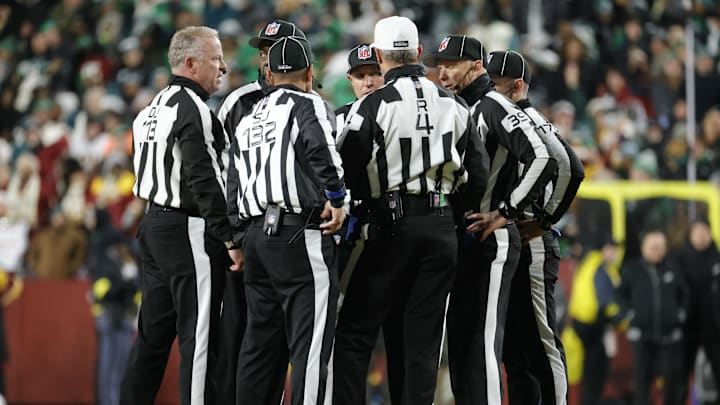
While it’s undeniable that the NFL is at the peak of its popularity—generating record-setting revenue while remaining wildly entertaining—the quality and consistency of officiating needs improvement, and some rules need to be ironed out.
With that, here are three that need to change.
.@mikekadlick lays out three rule changes the NFL should make with new proposals “unlikely” coming in 2026 pic.twitter.com/C4HdQkgKlL
— Sports Illustrated (@SInow) February 24, 2026
Make roughing the passer reviewable

The NFL understandably wants to protect its quarterbacks as much as possible. They make the most money out of any position on the field, while carrying the weight of their respective franchise on their shoulders game in and game out.
Because of this, the league's roughing the passer penalty—a personal foul defined as an “unwarranted physical act against a player who is in a passing posture”—was adjusted in 2018 to include acts such as unnecessary driving of the quarterback into the ground, and landing on the signal caller with your full body weight. In turn, the penalty has since been called at a higher rate. Understandable, given the nature of the game.
The problem? It’s nonreviewable.
As a result, we have officials itching to throw a flag the second a signal caller is lightly tapped in the helmet—or even fundamentally tackled to the ground—with no way to revoke it if they were simply getting ahead of themselves in an effort to preserve the health of a player.
Change it. Make the penalty reversible if the official was incorrect in their judgement.
Eliminate fumbling out of the end zone resulting in a touchback

Here’s where opinion is going to seep into this mini-column: A fumble out of the back of the opponent’s end zone resulting in a touchback is far too harsh a penalty for a player giving it their all to score a touchdown.
As it currently stands, if you fumble the ball out of bounds, you retain possession—but if it goes out of the end zone, you lose it entirely. That doesn’t quite make sense.
Having said that, paydirt is sacred in football, and there should be some repercussions for coughing it up in that area.
The fix? Simple: If the ball is fumbled out of the end zone, the offense still maintains possession, but the ball is placed at the 20-yard line, which is currently where the defensive team takes possession under the current rule.
Change pass interference to a blanket 15-yard penalty, not a spot foul

We’re borrowing from the college ranks here by changing defensive pass interference from a spot foul to a 15-yard penalty. For years, the NFL has tilted its rulebook in favor of the offense; with this adjustment, we're giving the defense a break.
Switching DPI to a capped penalty would not only reduce game-altering swings on ticky tack calls 50 yards down the field, but could also encourage more aggressive play from defenders if they know they won’t be punished as severely for the infraction.
The only potential hiccup, gamesmanship-wise, is the theory that defenders could intentionally commit DPI on 15-plus-yard passes that they deem indefensible—essentially opting to allow a 15-yard gain and eliminating explosive plays entirely. In the end, no rule (or rule changes) is perfect, which is why we’re even having this conversation in the first place.
More NFL on Sports Illustrated
 Add us as a preferred source on Google
Mike Kadlick is a senior NFL news writer for Sports Illustrated. He’s also a New England Patriots reporter for CLNS Media, where he hosts the Patriots Daily podcast and covers the beat from Gillette Stadium. Before joining SI, Kadlick worked at WEEI sports radio in Boston. He holds a master’s degree in public relations from Boston University. When Kadlick’s not covering football, he can be found running, spending time with his wife and dog, and enjoying all things pizza.
Follow mikekadlick