%20%20--%3E%0A%3Csvg%20version%3D%221.1%22%20id%3D%22Layer_1%22%20xmlns%3D%22http%3A%2F%2Fwww.w3.org%2F2000%2Fsvg%22%20xmlns%3Axlink%3D%22http%3A%2F%2Fwww.w3.org%2F1999%2Fxlink%22%20x%3D%220px%22%20y%3D%220px%22%0A%09%20width%3D%2239px%22%20height%3D%2240px%22%20viewBox%3D%220%200%2039%2040%22%20enable-background%3D%22new%200%200%2039%2040%22%20xml%3Aspace%3D%22preserve%22%3E%0A%3Cpath%20fill%3D%22%23FFFFFF%22%20d%3D%22M38.5%2C7H28.2v26h10.3V7z%22%2F%3E%0A%3Cpath%20fill-rule%3D%22evenodd%22%20clip-rule%3D%22evenodd%22%20fill%3D%22%23FFFFFF%22%20d%3D%22M26.1%2C25.5c0%2C5.8-4.1%2C7.5-12.9%2C7.5C3.9%2C33%2C0%2C31.2%2C0%2C25.2v-1.1h11.6%0A%09v2.4c0%2C0.7%2C0.1%2C1.4%2C1.2%2C1.4c1%2C0%2C1.2-0.4%2C1.2-1.3v-0.9c0-1.6-0.9-1.6-3.5-2.2C2.2%2C21.7%2C0%2C19.7%2C0%2C15.3v-0.9C0%2C9.3%2C5.5%2C7%2C12.9%2C7%0A%09c10.2%2C0%2C12.8%2C2.6%2C12.8%2C7.4v1.8h-11v-2.9c0-0.6-0.4-1.1-1.2-1.1c-0.6%2C0-1.2%2C0.4-1.2%2C1.1v0.9c0%2C1.5%2C0.9%2C2%2C3.3%2C2.5%0A%09c8%2C1.6%2C10.5%2C3.3%2C10.5%2C7.5V25.5z%22%2F%3E%0A%3C%2Fsvg%3E%0A)

00:15:51 |
Up Next
Albert Breer on Possible Achane Trade?, Rams Draft, Diggs & Hill Best Landing Spots?
Mar 18, 2026
Wemby Is An MVP Favorite if Spurs Overtake OKC
Mar 17, 2026
Albert Breer on Why the Broncos Traded for Jaylen Waddle
Mar 17, 2026
We Talk Ourselves Into the Steelers Actually Being Good
Mar 17, 2026
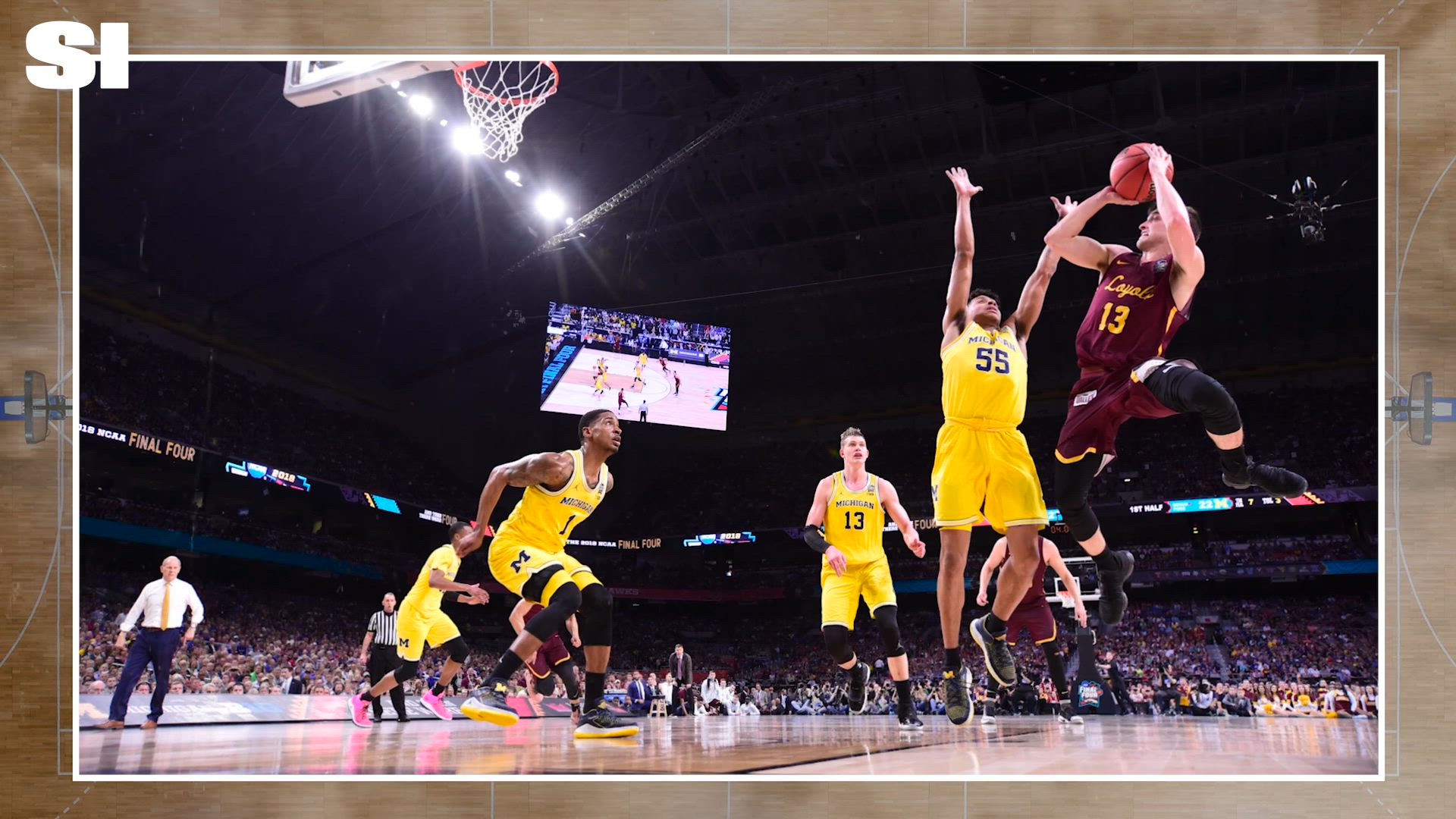
Cinderella Runs Are College Basketball’s Ultimate Game-Changer
22 hours ago
Albert Breer on Possible Achane Trade?, Rams Draft, Diggs & Hill Best Landing Spots?
Mar 18, 2026
Wemby Is An MVP Favorite if Spurs Overtake OKC
Mar 17, 2026
Albert Breer on Why the Broncos Traded for Jaylen Waddle
Mar 17, 2026
We Talk Ourselves Into the Steelers Actually Being Good
Mar 17, 2026
Cinderella Runs Are College Basketball’s Ultimate Game-Changer
22 hours ago
The Clippers & Lakers Could Shake Up The Playoffs
Mar 17, 2026
These Teams Are Punting on 2026 But Need A QB
Mar 17, 2026
Anderson Silva Reacts to Ronda Rousey vs Gina Carano: “This Is Big”
Mar 18, 2026
NBC's John Fanta on Rising in Sports Media & March Madness
19 hours ago
Albert Breer on 1st Rd Boom or Bust QBs, Cap Space Breakdown, Veteran QB Market
7 hours ago
Storylines Dominating the NFL Off Season
3 hours ago
Marching Into Madness | Chapter 4: Blue and Bloodied
Mar 18, 2026
Transcript
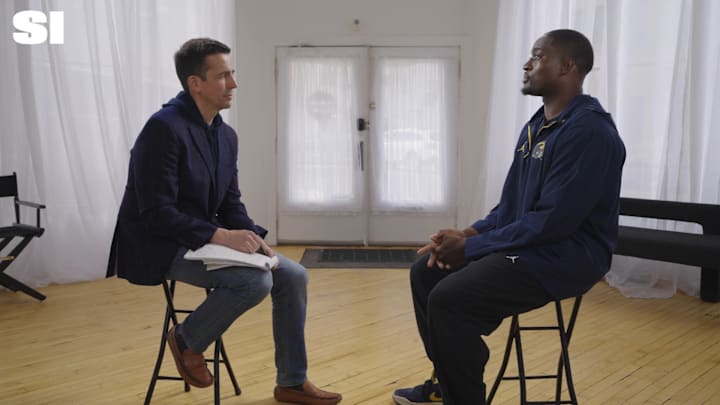
I'm about an hour away from my final destination, so I've been driving about 20 hours, but I was like, OK, I have all these different tactics, you know, you can choke sunflower seeds.
I've done that.
I have energy drinks.
I roll the window down, all these different things, but fall asleep behind the wheel, and then next, you know, I, I feel, it feels, feel something in my side, my, on my right side, and then now I just feel, I just, I'm just, I'm just rolling.
My car is rolling.
The story of Ernest Houseman starts 7500 miles away from where he grew up in Uganda, where he was one of 23 children of two parents who were diagnosed with the AIDS virus.
Just tell me what you can about like how you wound up coming to America in the first place.
I was a football, a little crazy football just in terms of about, I just loved everything about the game of football.
I wanted to know so much about it.
So I moved my room from the basement floor to upstairs.
I didn't realize that the isolation really was that was depression.
I didn't really know that that was really the word for it until I didn't wanna communicate with people.
I just didn't want to talk to people at all.
And then when I went to Nebraska, I knew that something was different because everybody, you know, you go to people's homes, you see people's interactions with people, and for myself I'm a very observant person and so I knew that something was different and so I went to seek help and I went to see a psychologist right away.
The question was, do you want to be on medication?
Um, are you, do you want to pursue that?
And right away I was so for depression or anything.
I was like, no, I didn't want, I don't want to say that I was depressed.
I don't, yeah, I don't wanna admit I want, I didn't want that acceptance saying that I was depressed or that, hey, I need medication like.
When I transferred to Michigan, you know, I knew I still wanted to still have that resource available, so I still tried to do that, but it was for sure high school that I knew that that something was wrong, that something was different, but I just didn't have the acceptance.
Michigan conducted its first wellness check on Houseman after he fractured his thumb against Northwestern.
And told people within the football program he believed he could heal the thumb on his own.
How'd you hurt your thumb?
It was a, I made a tackle.
It was, uh, he still scored a touchdown, but I just made a tackle, but I look at my thumb and I was like, I felt it was dislocated at first, but I come on the sideline.
I, I tell the doc.
And then we go into the 10, they look at it and then they said, you, you could just wrap it up.
I said, yeah, just put, put a cast on it.
But yeah, for me it just, I thought it was just dislocated, but it wasn't.
And so now I have two, I have a police officer and two social workers come to my apartment.
That right then and when those two people showed up, now I'm alarmed.
Now, now I'm feeling paranoia.
I've never, like, never had nobody show in my apartment.
I've never been anything .
Then I go, I get to the, then the next day comes around and then I meet with the psych the psychiatrist here in Michigan, and that was the first time I met him and that, that first time was very frustrating.
So the Maryland game, how do you find out you're not playing then?
Like let's backtrack there and then we'll get and that's why I really.
That's when my brain blocks off.
Yeah, you don't even remember.
I don't remember that week in terms of like who told me I'm not playing.
Doctor Victor Hong and the Michigan mental health team and the athletic department had already decided that they were not going to clear Houseman for the Ohio State game when he decided to leave the team on the Wednesday before the showdown.
So I'm still, I'm still in the manic state, right at this point, and.
I'm still thinking that I can still heal myself, so I said I'll come back for this one last game even though.
And that was just for your teammates, just for my teammates.
I should, I was like, OK, I can play the.
Ohio State.
I, I remember texting Coach Moore, I said, if you believe me, you're gonna come in there to get another X-ray with me, and you're gonna see that.
My thumb's healed, but he didn't show up.
That's when I walk in there and I get betrayed to go.
I talked to a psychiatrist and then, but before I even entered the room to talk to the psychiatrist the second time.
I so I stop in the hallway.
I tell the trainer, I said, I won't be playing this game because now I felt like I was betrayed again, so I said that I'm not gonna be playing this last game.
That had to be really hard, so hard to the point where I try to leave for Uganda the day before just so I wanted to see the game at all .
I don't even have a visa to get into the country of Uganda, um, but my, my dad in Uganda, my biological father, he sends a letter and so.
They're able to use that letter the day of I said, because they knew I said, hey, I'm going back to my country.
Here's a letter from my father.
I also had his ID on there and they were able to get that to use that to get me through and that was, that was wild.
I mean that was when I was thinking back on it the most manic I've ever because the thoughts I was going through, what I was going there to even do was just what were you going there to do?
I was thinking that I was gonna go there and create a national database.
All I packed in my suitcase was a computer.
That's it.
No clothes and yeah, no clothes, just a computer, computer in my backpack and that's it.
I started as a computer science major at Nebraska, but.
And not even that major right now currently.
So what am I in the world gonna be thinking that?
Am I gonna be able to do such things, right?
But I was going there thinking that I'm gonna be living in Uganda for a long time, either forever or for a long, like that's what my mind was thinking like I'm not going back to America.
So what do you remember about when you get to, so you get to, so now you're back in Uganda.
What happens over there?
I kind of.
I hit a roadblock on the currency, the securities, all these different things as ideas.
I said, whoa, I can't, this is not gonna work out.
I said, what's, what's next?
And so that's when I, I was like, OK, I'm, I'm gonna go join the military.
Um, I just saw a plane, fighter jet that I wanted to fly.
I was like, oh, you know, this would be very cool to fly.
And so I made an application in and then they, um, they respond to my application saying, do you want us to go through this, through this process?
And I said yes, and that's when I left to go to Comac Falls, which is a, which is a backpack with my Bible.
And that's it.
No laptop that time.
Do what, yeah, with my laptop, your laptop, laptop, yeah, OK, that's no clothes, and no clothes.
What do you remember about the drive?
I remember it was a long, very long, and I was getting tired.
I remember I got pulled over at Wyoming.
Um, which, for speeding, and I've never been, I've never been pulled over in my life.
It was right when I was about to start to get daytime, but I passed, I passed a cop.
I was on the fastest my car could go at that time.
Were you over 100 or I was over 100 ?
Yeah, over 100.
I was over 100, yeah, no, but nothing in my brain is registering to me to, oh, there's a cop there.
Oh, maybe you should slow down.
Just don't, I'm just going.
I say I have a mission to go to.
And so then I see by the ramp.
Um, coming down, another, another cop comes through and obviously flashed my lights, so obviously I pull over and you know we just go through that and then I, I just had a lot, keep going my way.
I, before the car ride, I dropped my phone off outside at T-Mobile like in by like Wayne County.
I just threw it out.
I threw out the car.
You threw out the window, yeah, I, I stopped.
I stopped, pull up, pull off to the road and threw my phone off so nobody could track me.
So now, so now I'm no, no contact.
All I have is a radio, um, thank goodness my car has GPS navigation to put that in so I can get to Conga Falls.
I'm about an hour away from my final destination, so I've been driving about 20 hours.
Um, I remember before I was swerving a little bit, but, um, but I was like, OK, I have all these different tactics, you know, you can choke sunflower seeds.
I've done that, I have energy drinks.
I roll the window down, all different things, but fall asleep behind the wheel.
And the next thing you know, I, um, I feel, it feels, feel something in my side, my, on my right side, and then now I just feel, I just, I'm just, I'm just rolling, my car is rolling.
Once the car is stopped, the automatic emergency system goes off.
I, I don't, I remember there's a man, um, he's like, You kiss her?
And I was like, Yeah.
He's like, Can you get some up?
And he's like, I was like, EMTs on the way or something like that, some, somewhere along the lines of that.
And so I, I get my seatbelt buckled.
Um, I crawl out of the, um, the sunroof.
That's how I crawl out of the sunroof that was on the outside, and, but then I see his headlights before, before I even get out there.
I see headlights come through.
I'm, I'm in, I'm in the middle of nowhere that like by the grace of God that somebody sees me and to see me crawling through and that's what I asked him.
I said that hit somebody da da.
I said there's no one out here.
That's what that person then calls like makes well because the EMT is coming.
They're all there, they're, they're they're on their way.
The ambulance comes.
They do all the checks.
I'm, I'm walking fine.
They do all my blood work, do not a blood work, but just check my me, my vitals.
I, uh, they cleared me, and I don't really know what it was that really made me stop me from going to the, to the military at that point.
But then I remember I, I, I created an episode of the podcast.
I remember I got back here to leave my apartment.
I texted my financial advisor.
I said, can we, you know, you wanna meet, but here I'm still telling him.
All these things are like, well, I feel like I'm being betrayed and I'm still texting, I'm still now I'm still.
Texting still and the man in Atlantic State still, um, and I go leave the door.
And I have Uber comes sitting right there.
Open the door, put 1 ft in, and here, here comes all the, all the police officers, you know, he, he sends me, he shows me the court order form.
And then so they put their hands on my back and, you know, they take me, take, take me to the hospital and that was probably then that's one of the first feelings of like fear set in for me because it was the walking through a hospital of, of a, in a town that which you've played so many, played so many games and a captain and I remember saying something while walking.
I said I'll be, I'll be, I'll be fine , I'll be fine, um, this is.
This is not right.
I remember I think some, something along those lines of to those people I'm walking through, um, as to go and so I lay there by myself in the hospital for that night.
Now I can, now I get assessed by the doctor.
They ask me, ask me the questions then I'm now, now I'm like getting a little bit hostile a little bit like what's really going on like why is it taking so long to make a decision?
I said it doesn't take you long to make a decision or if I'm safe or not, all these other things, but now I realize, OK, it's like no one's gonna come save me now I'm by myself now it's, now it's like realizing that yeah it's, you might be.
Trouble.
It was still everybody else, not you, right.
When did that flip?
Yeah, so I was in a psychiatric, uh, psychiatric ward for about like 43 or 4 days.
I was in there before they allowed me to have clearance for like the other main room for the mental hospital, and it wasn't until then I realized that like something was actually.
Wrong with me and that I needed more actual help.
The turning point was.
The structure.
So I'm, I'm someone that loves the structure aspect of things like that's something that I love that kind of helps me guides me through my day, right?
And what they did at this mental hospital that I've found that now I, I look back upon that really helped me was the um schedule.
They, they, they provide a schedule for you every single day.
So it was kind of more like football.
Uh, people don't, I don't even realize yet to the extent of really football really saved me.
It really, really, really did.
I was isolated at home in high school when here in college, the things I would just, I'd rather just wake up and go to the facility to do things and, and rather than that's what I always spend my time with them when I was there by myself which I'd rather go to the facility and do things about football.
So yeah, football did.
Prevent the manic episode happening sooner.
Once I leave the hospital, I go back to Nebraska.
So that's when I went to Nebraska.
Like, I fly out and while I'm driving an Uber to the airport, Michigan's playing against Texas.
It's a bowl game.
So I'm watching that a little bit on my phone.
So now you're OK with watching it.
Now I'm OK with watching a little bit, yeah.
I'm still, I still can't finish it, but yeah, once I get back, once I the flight back to Michigan, that's when I announced I think I'm gonna medically retire because for me I was like, how do I return back to my apartment.
Um, or back to Michigan with, with no answer.
What's going on.
The first phone call that I made before any of this happened was my parents, and that was the first phone call I made with them to ask them, I said like, Is this something like, cause I first wanna to make sure that like, cause one of the main things like by being, I knew I was bipolar, that I was diagnosed, so I wanted to make sure that is this something that Is this part of me being bipolar that I'm wanting to go back to football all of a sudden just always that way your guard was up for like, am I making this decision for the right reasons or am I just having an episode, whatever, right?
And the first person to support me supported me was my mom and she was the first person and she said she said no, absolutely this is she knows the dreams, she knows the sacrifice I put into it.
And she was right along the board with it.
She said, no, like you're making the right decision.
What do you, what do you want teams to know?
Because I'm sure like some teams are gonna look at this and say, well, he left the team at a critical point in the year, and how are we gonna be sure that doesn't happen again?
When teams ask me that, it's who I am as a person who I've always been.
I've always been a hard worker.
I've always been a disciplined human being.
And at the end of the day, you have to go back on who I was before all this even happened because I can't control when the Manic thing was gonna happen.
They just have to understand and that who I was before this and know that that's who they're gonna be getting, uh, moving forward and someone that's even better because of the more discipline that he's on.
Um, you're wearing the, the helmet on your, on your chest right now.
Where's your relationship with Michigan football right now?
Um, I haven't really been in the facility at all yet.
I, I, I have not been, um, but.
I know Michigan will always hold a special place in my heart regardless of how it ended, regardless of what it is.
I always know that I wore the wing helmet.
I bled, sweat, tears for the wing helmet.
Um, it means so much to me and it's always, it's been a blessing.
What do you think the eight year old who put that thing up on it, the I will go pro, uh, thing up on it as well?
What do you think the 8 year old would think of you right now?
Um, I think he'd be speechless.
He would first say, um.
I'm very, I'm very proud of you because the things that I've had to go through, only, only myself could, could get through and not only that, could only myself could help the people to move forward because the things I've, I've been able to see.
And what now moving forward that I can help moving forward is gonna be just on a whole different level.
Yeah, who would, I would have never imagined.
I remember I have a picture.
I still have it, um, and it's just me talking to like the DBs we're doing our pregame warm up, um, and it's just me smiling with a big smile and.
To just know how much like the team means to me, um, that's the one thing about Mitch I love is like the team, the team, the team, because it's, that's everything it means to me is the players and everything, the whole, the whole organization because that's, that's what it takes to win a football game.
It's not about one individual person, it takes everybody in the organization and, um, that's someone that's, that's who, that's who an NFL team is gonna be getting is someone that cares about the whole organization and how the perception is because.
It's more than, it's more than just a game.
It's always been more than just a game, um, and I want to push that to make sure that people will understand that it is.
He's now working towards the draft and planning to tell his story, not just to get into the NFL but to help others who might be struggling the same way he was.