%20%20--%3E%0A%3Csvg%20version%3D%221.1%22%20id%3D%22Layer_1%22%20xmlns%3D%22http%3A%2F%2Fwww.w3.org%2F2000%2Fsvg%22%20xmlns%3Axlink%3D%22http%3A%2F%2Fwww.w3.org%2F1999%2Fxlink%22%20x%3D%220px%22%20y%3D%220px%22%0A%09%20width%3D%2239px%22%20height%3D%2240px%22%20viewBox%3D%220%200%2039%2040%22%20enable-background%3D%22new%200%200%2039%2040%22%20xml%3Aspace%3D%22preserve%22%3E%0A%3Cpath%20fill%3D%22%23FFFFFF%22%20d%3D%22M38.5%2C7H28.2v26h10.3V7z%22%2F%3E%0A%3Cpath%20fill-rule%3D%22evenodd%22%20clip-rule%3D%22evenodd%22%20fill%3D%22%23FFFFFF%22%20d%3D%22M26.1%2C25.5c0%2C5.8-4.1%2C7.5-12.9%2C7.5C3.9%2C33%2C0%2C31.2%2C0%2C25.2v-1.1h11.6%0A%09v2.4c0%2C0.7%2C0.1%2C1.4%2C1.2%2C1.4c1%2C0%2C1.2-0.4%2C1.2-1.3v-0.9c0-1.6-0.9-1.6-3.5-2.2C2.2%2C21.7%2C0%2C19.7%2C0%2C15.3v-0.9C0%2C9.3%2C5.5%2C7%2C12.9%2C7%0A%09c10.2%2C0%2C12.8%2C2.6%2C12.8%2C7.4v1.8h-11v-2.9c0-0.6-0.4-1.1-1.2-1.1c-0.6%2C0-1.2%2C0.4-1.2%2C1.1v0.9c0%2C1.5%2C0.9%2C2%2C3.3%2C2.5%0A%09c8%2C1.6%2C10.5%2C3.3%2C10.5%2C7.5V25.5z%22%2F%3E%0A%3C%2Fsvg%3E%0A)
Four Worrying Takeaways From Chelsea’s 2024–25 Financial Accounts
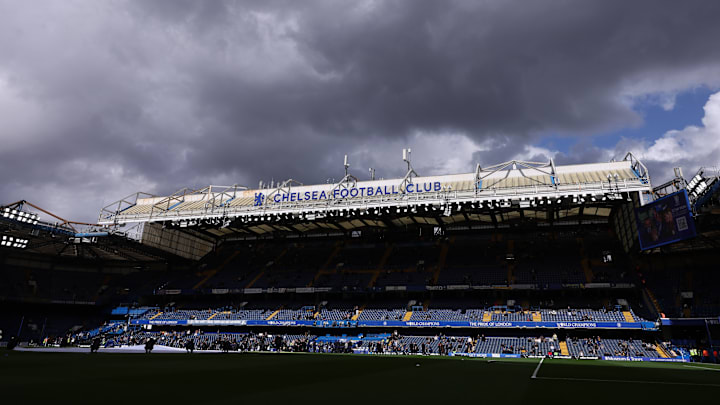
Chelsea have been struggling on the pitch in recent weeks but, while fans are obviously concerned about the performance of Liam Rosenior’s team, there are equally loud worries about the club off the pitch.
It was revealed recently that Chelsea recorded the single largest pre-tax loss in history over the 2024–25 season, reporting losses of $350 million (£262 million) as the new owners’ expensive attempts to build a competitive squad continue to go up in smoke.
Fans have been protesting against the ownership in recent weeks and plan to ramp up those demonstrations this weekend, even inviting disgruntled fans of fellow BlueCo-owned Strasbourg over from France to join in.
With the full extent of Chelsea’s finances now revealed, here are the main takeaways you need to know.
Alarming Rate of Losses

An operating loss of just under $348 million (£258 million) marks the fourth consecutive season in which Chelsea’s day-to-day losses sat over $270 million (£200 million).
It works out at a loss of $662 (£451) per minute for the entire calendar year—a clearly unsustainable model.
That operating loss does not even include vast legal costs stemming from fines related to financial issues under the previous ownership, which tally up to over $67 million (£50 million).
Pay Increases for Directors

Chelsea’s pay packets for players and staff rose around 6% on average. For executives and directors, however, the situation is wildly different.
Executive pay went up by 80% compared to the previous season, while directors pocketed 60% more than in 2023–24.
The news will not sit well with any fans already frustrated with the directors and executives at Stamford Bridge, or those unimpressed with the restriction on wages offered to players, which have proven costly in prior transfer negotiations for big names like Michael Olise and Victor Osimhen.
It must be noted that Chelsea have stressed no individual received a pay rise of 80%, with the Blues instead attributing the massive rise to an increase in the number of staff that falls into that bracket. Chelsea ended the season with the most administrative staff in the Premier League, adding 156 bodies to take their tally to 929.
Limited Player Profits

Chelsea earned around $404 million (£300 million) through player sales during the summer, but the nature of the club’s recruitment model meant that actually translated to just $42.9 million (£31.8 million) in profit.
Noni Madueke, Christopher Nkunku and João Félix were the headline departures, but because many of the players sold still had long contracts—and therefore high book values—their departures did not produce anywhere close to the sort of profits expected.
This is of particular concern given Chelsea’s business model revolves around player trading. Blues officials look to buy low and sell high—find the nine-figure player before they are worth nine figures—but a number of significant misses in the market mean the wait to strike gold continues.
While Madueke was sold for a profit to Arsenal, Chelsea took significant losses on other players who still had long contracts at Stamford Bridge. Nkunku was offloaded just two years after arriving, while Félix was sold only 12 months into a six-year contract. Kiernan Dewsbury-Hall and Renato Veiga both only made it one year into their respective deals, while midfielder Mathis Amougou signed an eight-year contract in January before being sold to Strasbourg in the summer.
Loan Debts Growing

BlueCo’s willingness to invest in the club is, on paper, admirable. Since joining in 2022, they have not charged any interest on their investment in Chelsea, injecting nearly $1.5 billion (£1.1 billion) over their three full seasons at the helm.
That money has to come from somewhere, however. Loans have been taken out by those in charge and the interest has been payable by Todd Boehly and Clearlake Capital. Debt from these loans increased to over $303 million (£225 million) last season.
Interest and repayment plans will have to kick in soon and fans will obviously be concerned that Chelsea’s own accounts will be pillaged to fund the deals. Crucially, officials have previously denied claims Chelsea, as an entity, would contribute to the repayment of interest.
Most of the loans have gone on building the squad which, at the end of 2025, had cost a total of $2 billion (£1.5 billion) to assemble—another record high.
One of the subjects of the upcoming protests will be the use of those funds on players, with fans believing the world’s most expensive squad should be competing for major honors year after year, rather than enter the final six games of the season in an uphill battle to even qualify for the Champions League.
READ THE LATEST CHELSEA NEWS, ANALYSIS AND INSIGHT FROM SI FC
 Add us as a preferred source on Google
Tom Gott is an associate editor for SI FC, having entered the world of soccer media in early 2018 following his graduation from Newcastle University. He specialises in all things Premier League, with a particular passion for academy soccer, and can usually be found rebuilding your favorite team on Football Manager.
Follow tomgott2