%20%20--%3E%0A%3Csvg%20version%3D%221.1%22%20id%3D%22Layer_1%22%20xmlns%3D%22http%3A%2F%2Fwww.w3.org%2F2000%2Fsvg%22%20xmlns%3Axlink%3D%22http%3A%2F%2Fwww.w3.org%2F1999%2Fxlink%22%20x%3D%220px%22%20y%3D%220px%22%0A%09%20width%3D%2239px%22%20height%3D%2240px%22%20viewBox%3D%220%200%2039%2040%22%20enable-background%3D%22new%200%200%2039%2040%22%20xml%3Aspace%3D%22preserve%22%3E%0A%3Cpath%20fill%3D%22%23FFFFFF%22%20d%3D%22M38.5%2C7H28.2v26h10.3V7z%22%2F%3E%0A%3Cpath%20fill-rule%3D%22evenodd%22%20clip-rule%3D%22evenodd%22%20fill%3D%22%23FFFFFF%22%20d%3D%22M26.1%2C25.5c0%2C5.8-4.1%2C7.5-12.9%2C7.5C3.9%2C33%2C0%2C31.2%2C0%2C25.2v-1.1h11.6%0A%09v2.4c0%2C0.7%2C0.1%2C1.4%2C1.2%2C1.4c1%2C0%2C1.2-0.4%2C1.2-1.3v-0.9c0-1.6-0.9-1.6-3.5-2.2C2.2%2C21.7%2C0%2C19.7%2C0%2C15.3v-0.9C0%2C9.3%2C5.5%2C7%2C12.9%2C7%0A%09c10.2%2C0%2C12.8%2C2.6%2C12.8%2C7.4v1.8h-11v-2.9c0-0.6-0.4-1.1-1.2-1.1c-0.6%2C0-1.2%2C0.4-1.2%2C1.1v0.9c0%2C1.5%2C0.9%2C2%2C3.3%2C2.5%0A%09c8%2C1.6%2C10.5%2C3.3%2C10.5%2C7.5V25.5z%22%2F%3E%0A%3C%2Fsvg%3E%0A)
Subtle Xabi Alonso Detail Shows Chelsea Have Learned From Past Mistakes
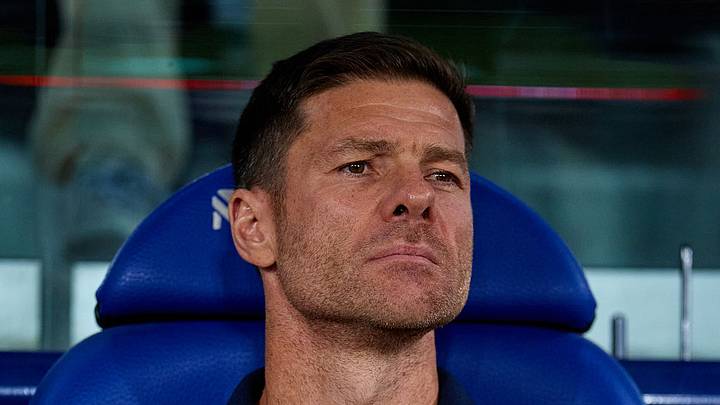
Chelsea’s appointment of Xabi Alonso marks a first for the club in 13 years, with the Spaniard notably given the title of ‘manager’ rather than ‘head coach.’
It’s a subtle difference to every previous appointment in recent years—and there have been a lot of them—because it suggests Alonso’s role affords him more power than those who came before.
Chelsea’s last ‘manager’ appointment was José Mourinho in 2013. Every other person to hold the job in the years after—Antonio Conte, Maurizio Sarri, Frank Lampard, Thomas Tuchel, Graham Potter, Mauricio Pochettino, Enzo Maresca, Liam Rosenior—was labeled a head coach by the Blues.
It has spanned two ownership periods, dating back to when Roman Abramovich was at the top of the club, but appears to have become a problem under BlueCo. Maresca and Pochttino both left Stamford Bridge after appearing to clash with the sporting leadership, and neither man appeared satisfied with their level of influence or how things were being run by those above them.
That Alonso is on board as a ‘manager’ from the day he starts work in July is an intriguing detail, suggesting he will have more direct input on rebuilding Chelsea into an elite team. He has already said he shares the same vision as the owners and sporting leadership and is tasked with “building the right culture,” which goes much deeper than simply coaching a squad of players.
Why ‘Manager’ Job Title Matters

Although manager is a universal term in soccer, most such individuals are really head coaches whose job centers on training, team selection and tactics. While their opinions might be listened to on certain issues, they are not necessarily in charge of wider sporting affairs within a club.
‘Manager’ implies much more influence and control, in the way that Sir Alex Ferguson effectively ran Manchester United’s entire sporting operation. Arsène Wenger had a similar level of authority at Arsenal and was arguably the last of a dying breed when he retired in 2018.
Mikel Arteta was initially hired as a head coach when he joined Arsenal in late 2019, but the Gunners made a point of actively ‘promoting’ the Spaniard to manager only nine months later. “He was doing much more than being our head coach. So we’re going to be changing his job title going forward,” the club explained at the time of the adjustment.
Chelsea Football Club is delighted to announce the appointment of Xabi Alonso as Manager of the Men’s Team.
— Chelsea FC (@ChelseaFC) May 17, 2026
The Spaniard will begin his role on July 1, 2026, having agreed a four-year contract at Stamford Bridge.
Welcome to Chelsea, Xabi!
Manchester United continued to name managers in the wake of Ferguson’s 2013 retirement, but Erik ten Hag was the last. Ruben Amorim was unveiled as the club’s first head coach in 2024, which is likely the job title Michael Carrick will imminently be getting. One day before being fired in January, Amorim pointedly said: “I came here to be the manager, not to be the coach.”
In Europe, head-coach culture is much more established where—as in major U.S. Sports—it has long been common practice for some sort of general manager (usually termed a sporting director in soccer) to hold the power and make the calls at a more senior level.
England has gradually followed suit over the past 15 years, but Arteta and Alonso are proof of the traditional ‘manager’ role coming back.
READ THE LATEST CHELSEA NEWS, ANALYSIS AND INSIGHT FROM SI FC
 Add us as a preferred source on Google
Jamie Spencer is a writer and editor for SI FC. Jamie grew up in Manchester, England, in the 1990s and fell in love with the game at the same time as the Premier League was taking off. With more than a decade of experience behind him in sports media, he specializes in Manchester United and the overall Premier League, still living in England’s north-west soccer hotbed. Jamie is also an expert on the women’s game and enjoys old school nostalgia, telling stories from soccer’s rich history and culture.