%20%20--%3E%0A%3Csvg%20version%3D%221.1%22%20id%3D%22Layer_1%22%20xmlns%3D%22http%3A%2F%2Fwww.w3.org%2F2000%2Fsvg%22%20xmlns%3Axlink%3D%22http%3A%2F%2Fwww.w3.org%2F1999%2Fxlink%22%20x%3D%220px%22%20y%3D%220px%22%0A%09%20width%3D%2239px%22%20height%3D%2240px%22%20viewBox%3D%220%200%2039%2040%22%20enable-background%3D%22new%200%200%2039%2040%22%20xml%3Aspace%3D%22preserve%22%3E%0A%3Cpath%20fill%3D%22%23FFFFFF%22%20d%3D%22M38.5%2C7H28.2v26h10.3V7z%22%2F%3E%0A%3Cpath%20fill-rule%3D%22evenodd%22%20clip-rule%3D%22evenodd%22%20fill%3D%22%23FFFFFF%22%20d%3D%22M26.1%2C25.5c0%2C5.8-4.1%2C7.5-12.9%2C7.5C3.9%2C33%2C0%2C31.2%2C0%2C25.2v-1.1h11.6%0A%09v2.4c0%2C0.7%2C0.1%2C1.4%2C1.2%2C1.4c1%2C0%2C1.2-0.4%2C1.2-1.3v-0.9c0-1.6-0.9-1.6-3.5-2.2C2.2%2C21.7%2C0%2C19.7%2C0%2C15.3v-0.9C0%2C9.3%2C5.5%2C7%2C12.9%2C7%0A%09c10.2%2C0%2C12.8%2C2.6%2C12.8%2C7.4v1.8h-11v-2.9c0-0.6-0.4-1.1-1.2-1.1c-0.6%2C0-1.2%2C0.4-1.2%2C1.1v0.9c0%2C1.5%2C0.9%2C2%2C3.3%2C2.5%0A%09c8%2C1.6%2C10.5%2C3.3%2C10.5%2C7.5V25.5z%22%2F%3E%0A%3C%2Fsvg%3E%0A)
Why Some Players May Have to Pay $15,000 Bond to Play at 2026 World Cup
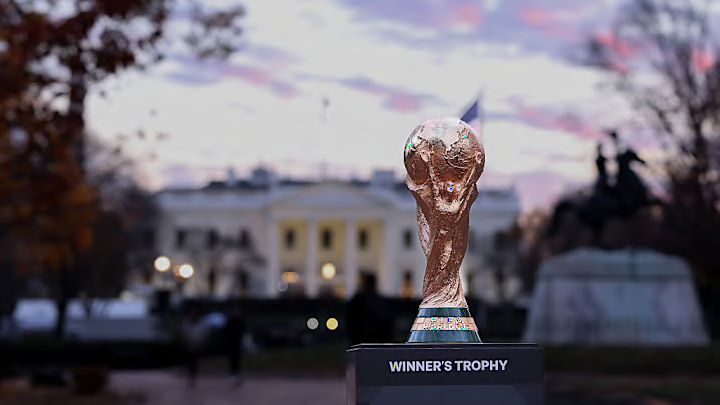
Fans from 50 countries must pay up to $15,000 in bond payments to receive a tourist visa to attend the 2026 World Cup in the United States, and players from five of those countries could be forced to do the same.
After policy changes by President Donald Trump, individuals from the countries included in the “Visa Bond Pilot Program” traveling to the United States on a business or tourist visa have had to deposit bonds in order to obtain a B-1 or B-2 visa.
Five countries—Algeria, Cape Verde, Senegal, Ivory Coast and Tunisia—in the program have qualified for this summer’s World Cup, leaving fans and potentially players with the burden of having to put down either $5,000, $10,000 or $15,000 to gain entry to the U.S.
A U.S. State Department spokesperson told The Athletic that “all applicants” are subject to the same legal standards and must “comply with the terms of a visa.” When questioned if athletes competing in the World Cup would be exempt from the procedure, the spokesperson said applications will be “adjudicated on a case-by-case basis.”
The State Department would not rule out players from the five participating countries having to pay the bonds.
FIFA ‘Working’ With President Trump to Find a Solution

With the World Cup set to kick off in less than three months, concern within the designated nations is mounting over the potential payments, despite assurances the money would be refunded so long as the applicants abide by their visa’s length of stay.
According to The Athletic, the bond payments were raised with FIFA at pre-World Cup preparation workshops this month. The governing body is reportedly “attempting to convince” President Trump and his administration to waive the fees for at least the players, coaches and support staff of competing countries in the tournament.
FIFA is “working on contingencies” to circumvent the bonds, but even if it is successful, the waivers would potentially not extend to immediate relatives of the players, who would likely still have to pay up to $15,000 to enter the United States and attend the World Cup.
Such privileges would also likely not apply to fans, leaving traveling supporters with only two options: pay the bond or stay at home.
How the Bond Payment Structure Works for the 2026 World Cup

The “Visa Bond Pilot Program” forces each visa applicant to make a bond payment. The sum is per person, not per traveling party. Therefore, a family of four hoping to attend the World Cup to support their country would have to make four separate deposits, even if one of the family members is a child.
The Athletic report the $5,000 payments are reserved for children, while adults must pay either $10,000 or $15,000.
The lofty fees do nothing to quell the controversy surrounding this summer’s spectacle. President Trump’s immigration crackdown, war with the Middle East, previous desire to annex Greenland and threats to tariff European countries prompted boycott considerations.
Along with the rising political tensions, exuberant ticket prices led to outrage from fans across the globe. The cheapest ticket for the World Cup final at MetLife Stadium is $4,185, seven times the cost of the cheapest ticket for the 2022 final in Qatar.
READ THE LATEST WORLD CUP NEWS, ANALYSIS AND INSIGHT FROM SI FC
 Add us as a preferred source on Google
Amanda Langell is a writer and editor for SI FC. Born and raised in New York City, her first loves were the Yankees, the Rangers and Broadway before Real Madrid took over her life. Had it not been for her brother’s obsession with Cristiano Ronaldo, she would have never lived through so many magical Champions League nights 3,600 miles away from the Bernabéu. When she’s not consumed by Spanish and European soccer, she’s traveling, reading or losing her voice at a concert.
Follow AmandaLangell