%20%20--%3E%0A%3Csvg%20version%3D%221.1%22%20id%3D%22Layer_1%22%20xmlns%3D%22http%3A%2F%2Fwww.w3.org%2F2000%2Fsvg%22%20xmlns%3Axlink%3D%22http%3A%2F%2Fwww.w3.org%2F1999%2Fxlink%22%20x%3D%220px%22%20y%3D%220px%22%0A%09%20width%3D%2239px%22%20height%3D%2240px%22%20viewBox%3D%220%200%2039%2040%22%20enable-background%3D%22new%200%200%2039%2040%22%20xml%3Aspace%3D%22preserve%22%3E%0A%3Cpath%20fill%3D%22%23FFFFFF%22%20d%3D%22M38.5%2C7H28.2v26h10.3V7z%22%2F%3E%0A%3Cpath%20fill-rule%3D%22evenodd%22%20clip-rule%3D%22evenodd%22%20fill%3D%22%23FFFFFF%22%20d%3D%22M26.1%2C25.5c0%2C5.8-4.1%2C7.5-12.9%2C7.5C3.9%2C33%2C0%2C31.2%2C0%2C25.2v-1.1h11.6%0A%09v2.4c0%2C0.7%2C0.1%2C1.4%2C1.2%2C1.4c1%2C0%2C1.2-0.4%2C1.2-1.3v-0.9c0-1.6-0.9-1.6-3.5-2.2C2.2%2C21.7%2C0%2C19.7%2C0%2C15.3v-0.9C0%2C9.3%2C5.5%2C7%2C12.9%2C7%0A%09c10.2%2C0%2C12.8%2C2.6%2C12.8%2C7.4v1.8h-11v-2.9c0-0.6-0.4-1.1-1.2-1.1c-0.6%2C0-1.2%2C0.4-1.2%2C1.1v0.9c0%2C1.5%2C0.9%2C2%2C3.3%2C2.5%0A%09c8%2C1.6%2C10.5%2C3.3%2C10.5%2C7.5V25.5z%22%2F%3E%0A%3C%2Fsvg%3E%0A)
World Cup Team Preparation Derailed by Ebola Outbreak—Is World Cup Under Threat?
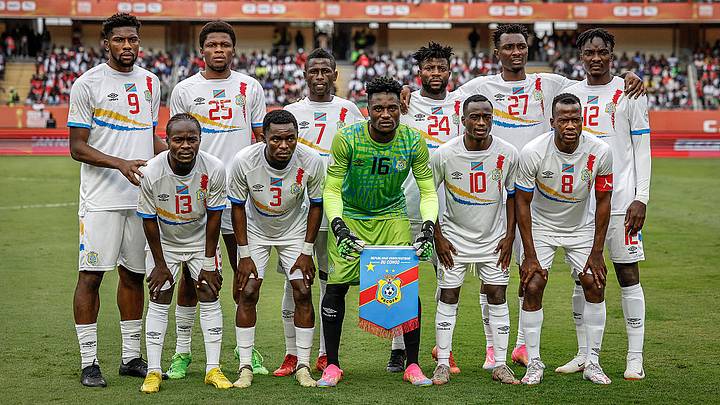
The 2026 World Cup will bring together roughly 1,248 players from 48 different countries for the largest edition of the tournament, but with that comes concerns of a fast-growing Ebola outbreak in the Democratic Republic of Congo.
DR Congo, set to compete in their first World Cup since 1974 (when they competed as Zaier), have cancelled their pre-World Cup training camp in Kinshasa, the nation’s capital, due to the Ebola outbreak in the region.
While the World Health Organization has not deemed the deadly outbreak—of a rare type of Ebola called Bundibugyo—a pandemic-level threat, the organization has called it a “public health emergency of international concern.” At time of writing, the death toll reached 139 suspected deaths, with over 600 cases of the disease reported across the DR Congo and Uganda, the epicenter of the recent outbreak.
WHO director-general Tedros Adhanom Ghebreyesus said Tuesday that he is “deeply concerned about the scale and spread.”
DR Congo have moved their World Cup training camp to Belgium, where they will face Denmark in a tune-up friendly on June 3, as well as Spain on June 9, before embarking on their U.S. and Mexico-based World Cup schedule against Group K foes Portugal, Colombia and Uzbekistan.
Could Ebola Impact the World Cup?

In the U.S., the federal government has invoked an emergency public health rule to bar entry to anyone who has been to DR Congo, Uganda, South Sudan or other nations where cases have been reported in the last 21 days.
While DR Congo’s 26-player roster all plays outside of the region, leaving them eligible to enter the U.S., concerns remain for the team’s staff and managers, officials, journalists and fans who may not be able to obtain U.S. visas or enter the country under new regulations.
“FIFA is aware of and monitoring the situation regarding an Ebola outbreak and is in close communication with the Congo DR Football Association to ensure that the team are made aware of all medical and security guidance,” a FIFA spokesperson told The Athletic.
North American Spread Not Likely

On Wednesday, the U.S. government’s federal entry ban diverted an Air France flight to Montreal, Canada, after a passenger was denied entry to the U.S. while on board the initially-planned route of Paris to Detroit, according to online plane tracker FlightAware.
WHO officials, U.S. health officials and FIFA remain on high alert regarding the outbreak, as the Bundibugyo strain does not currently have any treatments or vaccines. However, the U.S. is no longer affiliated with the WHO, and President Trump’s administration does not have a director of the Centers for Disease Control and Prevention. Mexico, which is affiliated with the WHO, has issued an Ebola-based travel advisory, but has not barred DR Congo travelers from entering the country.
Infectious diseases specialist Dr. Isaac Bogoch of Toronto said that exposure to the virus outside of Eastern and Central Africa would be “very rare, but obviously not 0%,” in an interview with CTV News, recalling a 2014 West African outbreak which spread to 28,000 people and ended with more than 11,000 deaths, but did not cause a major North American outbreak.
“There were very few, but still some cases that travelled through commercial airlines to distant locations, to, for example, Nigeria, and of course to the United States,” he said. “This is the time where governments around the world will start looking at their interactions and their proximity through air travel with the affected countries, and they might start seeing screening questions in airports.”
READ THE LATEST WORLD CUP NEWS, ANALYSIS AND INSIGHT FROM SI FC
 Add us as a preferred source on Google
Ben Steiner is an American-Canadian journalist who brings in-depth experience, having covered the North American national teams, MLS, CPL, NWSL, NSL and Liga MX for prominent outlets, including MLSsoccer.com, CBC Sports, and OneSoccer.
Follow BenSteiner00