%20%20--%3E%0A%3Csvg%20version%3D%221.1%22%20id%3D%22Layer_1%22%20xmlns%3D%22http%3A%2F%2Fwww.w3.org%2F2000%2Fsvg%22%20xmlns%3Axlink%3D%22http%3A%2F%2Fwww.w3.org%2F1999%2Fxlink%22%20x%3D%220px%22%20y%3D%220px%22%0A%09%20width%3D%2239px%22%20height%3D%2240px%22%20viewBox%3D%220%200%2039%2040%22%20enable-background%3D%22new%200%200%2039%2040%22%20xml%3Aspace%3D%22preserve%22%3E%0A%3Cpath%20fill%3D%22%23FFFFFF%22%20d%3D%22M38.5%2C7H28.2v26h10.3V7z%22%2F%3E%0A%3Cpath%20fill-rule%3D%22evenodd%22%20clip-rule%3D%22evenodd%22%20fill%3D%22%23FFFFFF%22%20d%3D%22M26.1%2C25.5c0%2C5.8-4.1%2C7.5-12.9%2C7.5C3.9%2C33%2C0%2C31.2%2C0%2C25.2v-1.1h11.6%0A%09v2.4c0%2C0.7%2C0.1%2C1.4%2C1.2%2C1.4c1%2C0%2C1.2-0.4%2C1.2-1.3v-0.9c0-1.6-0.9-1.6-3.5-2.2C2.2%2C21.7%2C0%2C19.7%2C0%2C15.3v-0.9C0%2C9.3%2C5.5%2C7%2C12.9%2C7%0A%09c10.2%2C0%2C12.8%2C2.6%2C12.8%2C7.4v1.8h-11v-2.9c0-0.6-0.4-1.1-1.2-1.1c-0.6%2C0-1.2%2C0.4-1.2%2C1.1v0.9c0%2C1.5%2C0.9%2C2%2C3.3%2C2.5%0A%09c8%2C1.6%2C10.5%2C3.3%2C10.5%2C7.5V25.5z%22%2F%3E%0A%3C%2Fsvg%3E%0A)
Pat Forde: An Expanded 76-Team March Madness Bracket Is a Greedy Mistake
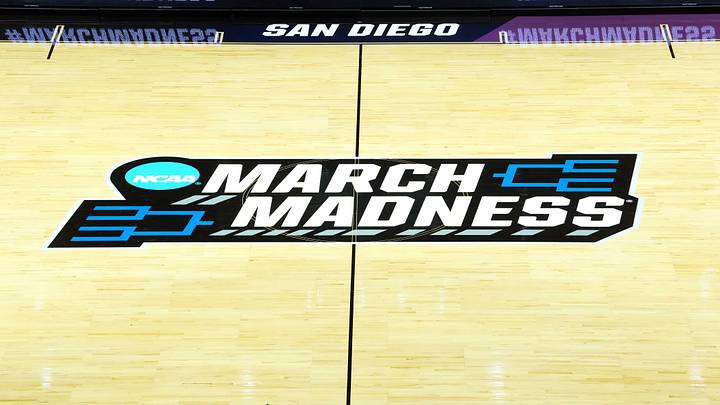
A college sports industry with no restraint, no shame and no appreciation for its consumers did what came naturally Thursday. It formalized the expansion of something that almost nobody wants to see expanded.
The NCAA men’s and women’s basketball tournaments will be 76 teams in 2027. March Madness will continue to be contorted into something it shouldn’t be, adding eight more teams and eight more play-in games. The perfect tournament bracket, already sullied by going from 64 to 68, will be further graffiti’d to make more money and satisfy more millionaire coaches and athletic directors.
Thank you, esteemed college sports leaders, for this insult to our collective intelligence. Shoving an unpopular idea down our throats and disguising it as progress required some vigorous spin doctoring.
The sample bracket the NCAA released Thursday looks cleaner than it figures to be when the names and seeds of 24 teams in opening-round games are included at the top. The added clutter will be harder to present on a laptop screen or a printed page, and it creates more first-round matchup guesswork for those wishing to fill out a bracket for a pool sometime before Thursday morning. (Do not underestimate how much that matters to the casual fan.)
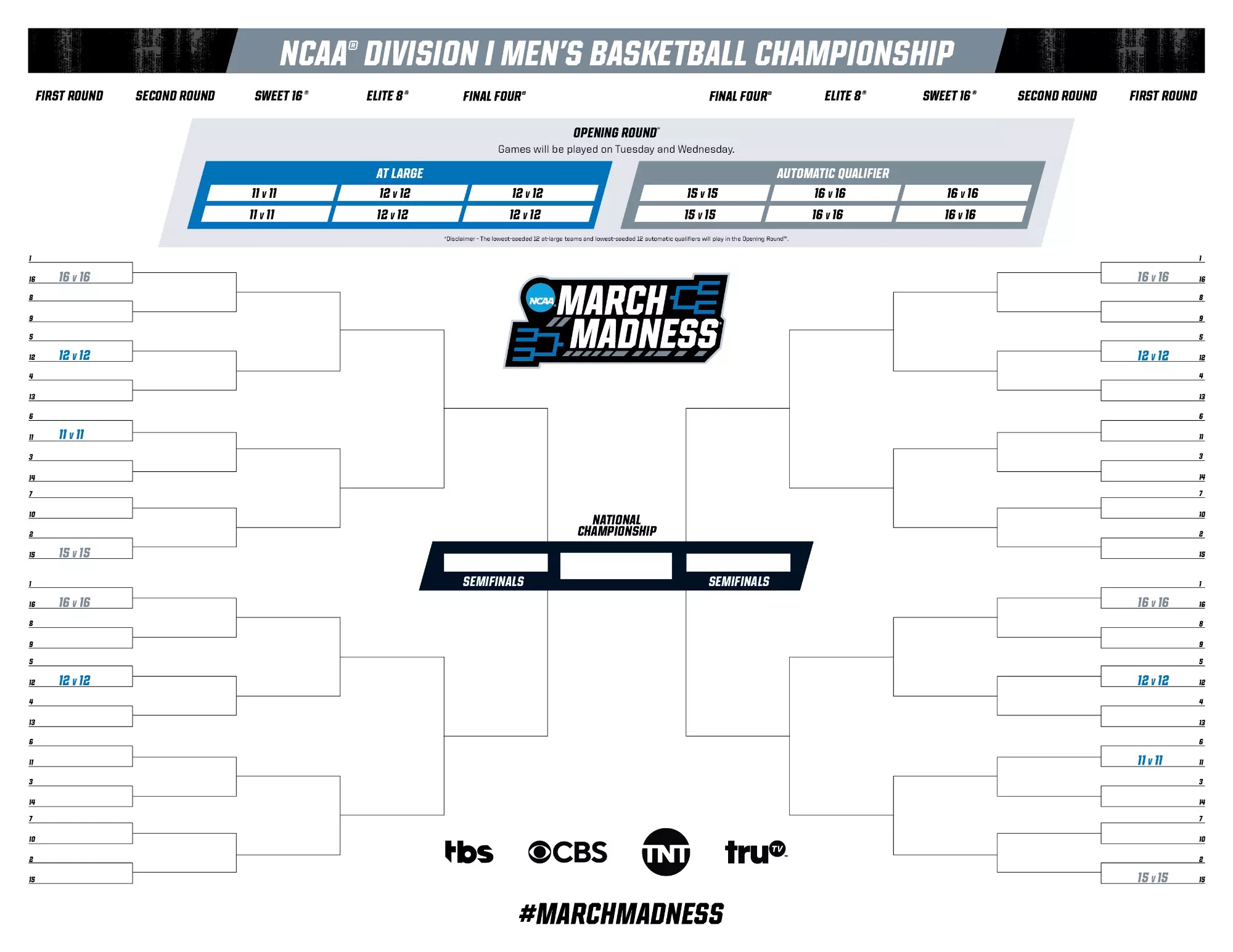
More spin: The NCAA says this was a move to increase the championship participation percentage of the entire Division I membership, which had been 18%—lowest in any sport, the association says. It’s now 21%. The NCAA cites the increased Division I membership since 1985 from 282 to 361 in the men’s game and from 277 to 359 on the women’s side. What it doesn’t say is that few of those 80 additional programs will be even remotely close to at-large consideration.
They aren’t expanding to make room for recent Division I call-ups LeMoyne, West Georgia and California Baptist. They’re expanding to make room for more largely unsuccessful teams from high-major conferences that already have all the advantages. If you look at the NCAA NET ratings and Wins Above Bubble metrics, a majority of the teams closest to making the 68-team field this March were from the five power conferences (yes, the Big East is a power conference).
As we discussed on the Others Receiving Votes podcast this week, they’re expanding to make room for Oklahoma, which lost nine straight games at one point last season and tied for 11th in the Southeastern Conference. They’re expanding to make room for Auburn, which was 17–16 on Selection Sunday and also tied for 11th in the SEC. They’re expanding to make room for Indiana, which lost six of its last seven and was a widely disliked team by its own fan base by season’s end.
They are dumbing down the product, and expect the public to be dumb enough to go along with it.
Meanwhile, the low-major league champions will be further marginalized. Previously, two No. 16 seeds and all the No. 15s were placed in the main bracket on Selection Sunday. Now there will be eight 16s and six 15s, further pushing some automatic qualifiers down the pecking order and into opening-round games.
All the No. 16s will have to play their way into the main bracket, and half the No. 15s. Siena, which led overall No. 1 seed Duke by 13 points in the second half in the first round of the 2026 tournament, will have to go through a fellow 16 seed to even get that opportunity next year. Furman, which trailed No. 2 seed Connecticut by five at halftime, will be dispatched to Dayton to play another No. 15.
There is one more layer preventing the next UMBC, Fairleigh Dickinson, Saint Peter’s or Florida Gulf Coast from getting their chance to shock the world.

The NCAA release announcing the expansion says the value of its media-rights agreement to broadcast the tournament will increase by $50 million per year over the next six years, and that it will award more than $131 million in new revenue distribution to schools participating in the tourney. Part of the unlocked revenue will be the introduction of alcohol advertising via more commercials, according to CBS Sports’s Matt Norlander. The Thursday noon ET tip-off can, theoretically, be sponsored by High Noon.
It is no coincidence that pushing March Madness to the max is happening at the same time college sports leaders contemplate inflating the College Football Playoff to an obnoxious 24 teams. The money grab is brazen and desperate, as schools attempt to pay athletes without controlling expenses in their revenue-producing sports.
There is considerable myth, folklore and outright lying about what schools are spending on their football and men’s basketball rosters right now. But one thing is true at many power-conference schools: Payrolls have skyrocketed far past the $20.5 million cap that was agreed upon in the federal settlement of the House v. NCAA lawsuit. What was touted as a landmark, problem-solving mandate became obsolete in less than a year.
Meanwhile, coaching salaries continue to escalate, with Alabama raising the pay for its fairly unpopular football coach from $10 million to $12.5 million and North Carolina paying its new men’s basketball coach $8.3 million a year after he was fired from his last job.

California pushed out its athletic director last year and hired two people to replace him. Kentucky is reportedly considering replacing the retiring Mitch Barnhart with a two-AD leadership tandem. Departments are adding and repurposing staff in pursuit of content-creation revenue.
And when the bottom lines continue to tilt into the red, guess who is in line to take the hit? Not the football and basketball teams, where the imperative is spend, baby, spend. Arkansas whacked men’s and women’s tennis; Ohio State defunded men’s gymnastics scholarships; there are ominous signs about the future of Pittsburgh’s men’s and women’s swim teams coming off their best seasons ever.
There is no identifiable evidence that the American sporting public wants 76-team basketball tournaments and a 24-team football tournament. But in an industry that has no interest in confronting or controlling its greed and gluttony, the revenue monster must be fed.
When you’re watching the 11th-place ACC team play the 10th-place Big 12 team on a Tuesday night in Boise, Idaho, next March, remember the college sports leadership that brought you that March Madness classic.
Better yet, don’t watch it at all.
More College Basketball From Sports Illustrated
Listen to SI’s college sports podcast, Others Receiving Votes, below or on Apple and Spotify. Watch the show on the SI College YouTube channel.
 Add us as a preferred source on Google
Pat Forde is a senior writer for Sports Illustrated who covers college football and college basketball as well as the Olympics and horse racing. He cohosts the Others Receiving Votes podcast for SI and is a regular contributor to the Tony Kornheiser Show podcast. He previously worked for Yahoo Sports, ESPN and The (Louisville) Courier-Journal. Forde has won 28 Associated Press Sports Editors writing contest awards, has been published three times in the Best American Sports Writing book series, and was nominated for the 1990 Pulitzer Prize. A past president of the U.S. Basketball Writers Association and member of the Football Writers Association of America, he lives in Louisville with his wife. They have three children, all of whom were collegiate swimmers.
Follow ByPatForde