
Mariners Ownership Cannot Use Brewers-Rays World Series as a Reason to Spend Less
In this story:
Jerry Dipoto should be watching this World Series very closely. With the Brewers and Rays meeting in the 2026 Fall Classic, we can already anticipate a convenient argument: See? You can win without spending like the Dodgers. That message goes for most of MLB.
The Mariners can take that lesson. The harder part is actually winning. Milwaukee and Tampa Bay earned the right to celebrate their efficiency. Seattle still has to earn the comparison. Sharing an appreciation for scouting, player development and affordable talent doesn’t entitle the Mariners to borrow somebody else’s pennant as proof that their own approach is working. The financial blueprints might look similar, but Seattle doesn’t get credit for the house those teams built.
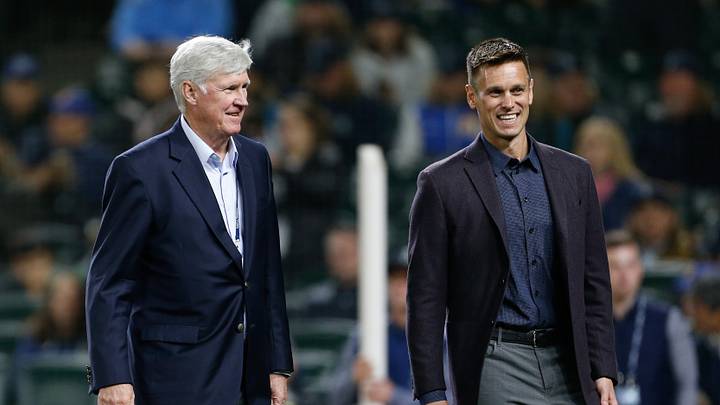
For Dipoto, this matchup should sharpen the expectations surrounding his next roster. And for John Stanton and ownership, it should create pressure to help him finish it.
Brewers-Rays World Series Raises the Mariners’ Offseason Standard
We should want the Mariners to find inexpensive contributors. A productive player making modest money creates room to improve in other places. Developing an everyday hitter internally can spare a team an expensive search through free agency.
The benefit comes when Seattle uses those advantages to build a deeper roster. They need to accurately evaluate the entire lineup before they can declare a successful offseason. But every contender takes risks. Stacking them across the batting order, or not having enough talent in the bullpen can leave a club vulnerable to one bad assumption setting off the next.
We’ve seen Dipoto make good acquisitions. Matt Arnold’s work in Milwaukee is why we should demand more than a list of them. Arnold turned Esteury Ruiz into William Contreras in a three-team trade and acquired Jake Bauers from the Yankees. Two different bets, made at different prices, that helped build the team Seattle is now watching in October.
That’s where Arnold has the stronger argument: the finished roster. Dipoto can win individual trades and still leave his manager short of dependable hitters or credible replacements when the first plan fails. We should give him credit for the deals that work and hold him responsible for the holes that survive an entire offseason. For 2027, the assignment is to give Seattle fewer positions to worry about before the first pitch. Another winter of asking several hitters to become something they haven’t consistently been would fall well short of the standard Milwaukee has set.
They should also put names to it. If Jerry Dipoto sees Seiya Suzuki as the bat Seattle needs, ownership should give him the money to compete for him. If the Mariners believe Teruaki Sato’s power will actually translate for 81 games at T-Mobile Park, they should be prepared to pay for that conviction. We should expect the bargains elsewhere on the roster to help fund a move that makes the lineup dangerous.
This is where the Brewers and Rays comparison could become particularly convenient for ownership. Two economical pennant winners give every reluctant spender an attractive example to cite. Neither provides a financial assessment of the Mariners or a reason to pass on a player Seattle needs.
MLB’s proposal includes a $245.3 million salary cap and $171.2 million floor for 2027. Those are straight up bargain proposals. But whatever happens at the negotiating table, ownership still has decisions to make about the team it funds. A league spending requirement would establish an obligation. Seattle’s championship ambitions should establish expectations beyond it.
The Mariners should make 2027 the season they finally get uncomfortable with what it takes to win. Stanton and ownership need to give Dipoto room to pursue players who require a real financial commitment, and Dipoto needs to deliver a lineup worthy of it. If Seattle spends another winter waiting for prices to fall and settling for whoever remains, we’ll have our answer. All that talk about championship ambitions will look like a sales pitch from an ownership group that still hasn’t learned anything.
Those responsibilities belong together. A constrained budget can make the front office’s job harder, and poor acquisitions can waste a generous one. The Brewers and Rays give the Mariners a useful case study in turning scouting, development and roster decisions into a pennant. Dipoto needs to identify where Seattle’s own process falls short.
We have heard plenty about what a sustainable contender is supposed to look like. This offseason, we should expect a deeper lineup and an ownership group willing to stretch its budget to build one.
 Add us as a preferred source on Google

Tremayne Person is the Publisher for Mariners On SI and the Site Expert at Friars on Base, with additional bylines across FanSided’s MLB division. He founded the Keep It Electric podcast in 2023 and covers baseball with a blend of analysis, context, and a little well-timed side-eye just to keep things honest. Tremayne grew up a Mariners fan in Richmond, Va., and that passion ultimately led him to move to Seattle to cover the team closely and become a regular at home games. Through his writing, he connects with fans who want a deeper, more personal understanding of the game. When he’s not at T-Mobile Park, he’s with his dog, gaming, or finding the next storyline worth digging into.
Follow TremaynePerson