%20%20--%3E%0A%3Csvg%20version%3D%221.1%22%20id%3D%22Layer_1%22%20xmlns%3D%22http%3A%2F%2Fwww.w3.org%2F2000%2Fsvg%22%20xmlns%3Axlink%3D%22http%3A%2F%2Fwww.w3.org%2F1999%2Fxlink%22%20x%3D%220px%22%20y%3D%220px%22%0A%09%20width%3D%2239px%22%20height%3D%2240px%22%20viewBox%3D%220%200%2039%2040%22%20enable-background%3D%22new%200%200%2039%2040%22%20xml%3Aspace%3D%22preserve%22%3E%0A%3Cpath%20fill%3D%22%23FFFFFF%22%20d%3D%22M38.5%2C7H28.2v26h10.3V7z%22%2F%3E%0A%3Cpath%20fill-rule%3D%22evenodd%22%20clip-rule%3D%22evenodd%22%20fill%3D%22%23FFFFFF%22%20d%3D%22M26.1%2C25.5c0%2C5.8-4.1%2C7.5-12.9%2C7.5C3.9%2C33%2C0%2C31.2%2C0%2C25.2v-1.1h11.6%0A%09v2.4c0%2C0.7%2C0.1%2C1.4%2C1.2%2C1.4c1%2C0%2C1.2-0.4%2C1.2-1.3v-0.9c0-1.6-0.9-1.6-3.5-2.2C2.2%2C21.7%2C0%2C19.7%2C0%2C15.3v-0.9C0%2C9.3%2C5.5%2C7%2C12.9%2C7%0A%09c10.2%2C0%2C12.8%2C2.6%2C12.8%2C7.4v1.8h-11v-2.9c0-0.6-0.4-1.1-1.2-1.1c-0.6%2C0-1.2%2C0.4-1.2%2C1.1v0.9c0%2C1.5%2C0.9%2C2%2C3.3%2C2.5%0A%09c8%2C1.6%2C10.5%2C3.3%2C10.5%2C7.5V25.5z%22%2F%3E%0A%3C%2Fsvg%3E%0A)
The MMQB Debates the Free Agency Signing That Will Have the Least Impact
In this story:
NFL teams have accepted the fact that in most situations, they’re going to have to overpay the top free agents on the market.
But paying a wide receiver who has no business making nearly the same amount as the proven star players at the position won’t be an issue if the production makes a sizable impact throughout the roster and leads to wins.
Still, those cases are rare, and more often than not, the teams that overpay get the results the Packers and Vikings got from their top free agents last season. Look away if you’re a fan of those teams.
Green Bay released cornerback Nate Hobbs one year after handing him a four-year, $48 million deal, and guard Aaron Banks didn’t come close to playing up to his four-year, $77 million contract. In Minnesota, the team recently cut defensive tackles Javon Hargrave and Jonathan Allen, and center Ryan Kelly retired this offseason. These were some of the top free-agent signings for the Vikings last March.
Let’s remember, there are reasons why teams didn’t prioritize keeping their top in-house free agents. Our MMQB staff lists the free-agent moves that will have the least impact in the foreseeable future.
Which free agency move will have the least impact?
Matt Verderame: This isn’t a knock on the player, but Malik Willis signing with the Dolphins. Realistically, Miami is in a full-scale rebuild after releasing Tua Tagovailoa, Tyreek Hill, Bradley Chubb and others. The Dolphins have an underwhelming roster and are eating $55.4 million this year and $43.8 million in dead money for 2027 due to Tagovailoa’s release. While the Broncos survived similar numbers when Russell Wilson was released, it’s going to be very tough for the Dolphins to compete over Willis’s three-year deal.
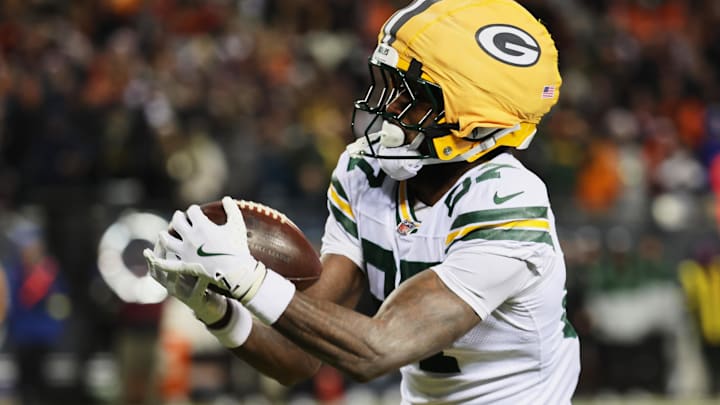
Gilberto Manzano: The Patriots are hoping the signing of Romeo Doubs pays off in a similar way to last year’s addition of Stefon Diggs. While the 25-year-old Doubs is a lot younger than Diggs, he’s never been as consistent a playmaker as the former All-Pro wideout he’s essentially replacing. Unless the Patriots have an out after the first year, the team took a huge gamble handing a four-year, $68 million contract to a wide receiver who never cracked 800 receiving yards in four seasons with the Packers. New England would have been better off searching for a wide receiver in the upcoming draft. It’s not a given that Doubs will be a reliable playmaker for Drake Maye when he had so many quiet stretches for Jordan Love.
Michael Fabiano: Willis signing a three-year, $67.5 million contract reeks of Matt Flynn, Rob Johnson and other quarterbacks who got rich based on very small sample sizes of success. He has only six NFL starts to his résumé, and while he did show some flashes in the absence of Jordan Love last year, Miami is taking a pretty big risk paying him $45 million in guaranteed money. The Dolphins are also going to be a bad team (some books have their projected win total as low as 4.5), so will Willis be worth that money, especially if Miami can land a high-end QB prospect in the 2027 NFL draft?
Conor Orr: If we’re talking about big-name signings that may end up failing to match production, I think you have to look at the tier two pass-rusher market, in which the likes of Boye Mafe and Odafe Oweh cashed in despite the fact even though they were viewed as expendable. One player was let go by a team that had Jesse Minter, and another was let go by a team that has Mike Macdonald. While I imagine these coaches would like to keep everyone, it’s important to note which teams let players walk and why.
Albert Breer: The Browns’ signing of Zion Johnson, on top of the re-signing of Teven Jenkins, to replace Joel Bitonio and Wyatt Teller at guard, is one to watch. Yes, Cleveland got younger—Jenkins is 28, and Johnson is 26, while Bitonio and Teller are 34 and 31, respectively. That said, the better players went out the door; guard was one of the roster’s strengths, and the Browns will also be managing turnover/competition at tackle. It’s a lot of change, with a new staff coming in, and I’m not sure Cleveland will be better off for it.
More NFL from Sports Illustrated
 Add us as a preferred source on Google