%20%20--%3E%0A%3Csvg%20version%3D%221.1%22%20id%3D%22Layer_1%22%20xmlns%3D%22http%3A%2F%2Fwww.w3.org%2F2000%2Fsvg%22%20xmlns%3Axlink%3D%22http%3A%2F%2Fwww.w3.org%2F1999%2Fxlink%22%20x%3D%220px%22%20y%3D%220px%22%0A%09%20width%3D%2239px%22%20height%3D%2240px%22%20viewBox%3D%220%200%2039%2040%22%20enable-background%3D%22new%200%200%2039%2040%22%20xml%3Aspace%3D%22preserve%22%3E%0A%3Cpath%20fill%3D%22%23FFFFFF%22%20d%3D%22M38.5%2C7H28.2v26h10.3V7z%22%2F%3E%0A%3Cpath%20fill-rule%3D%22evenodd%22%20clip-rule%3D%22evenodd%22%20fill%3D%22%23FFFFFF%22%20d%3D%22M26.1%2C25.5c0%2C5.8-4.1%2C7.5-12.9%2C7.5C3.9%2C33%2C0%2C31.2%2C0%2C25.2v-1.1h11.6%0A%09v2.4c0%2C0.7%2C0.1%2C1.4%2C1.2%2C1.4c1%2C0%2C1.2-0.4%2C1.2-1.3v-0.9c0-1.6-0.9-1.6-3.5-2.2C2.2%2C21.7%2C0%2C19.7%2C0%2C15.3v-0.9C0%2C9.3%2C5.5%2C7%2C12.9%2C7%0A%09c10.2%2C0%2C12.8%2C2.6%2C12.8%2C7.4v1.8h-11v-2.9c0-0.6-0.4-1.1-1.2-1.1c-0.6%2C0-1.2%2C0.4-1.2%2C1.1v0.9c0%2C1.5%2C0.9%2C2%2C3.3%2C2.5%0A%09c8%2C1.6%2C10.5%2C3.3%2C10.5%2C7.5V25.5z%22%2F%3E%0A%3C%2Fsvg%3E%0A)
Why the Browns' New Rule Proposal Is a Bad Idea—Especially for Cleveland
In this story:
Two new rule proposals have been submitted ahead of the annual NFL league meetings on March 29. Ahead of those meetings, the competition committee is also expected to announce rule change proposals.
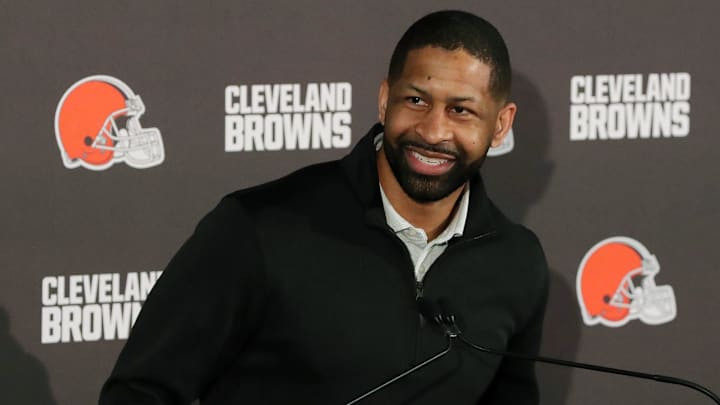
The Steelers and Browns were the two teams to propose new rules, while the Rams have reportedly withdrawn their proposal, which would have addressed the controversial two-point conversion that helped the Seahawks beat them in Week 16. The most interesting proposal came from the Browns, who submitted a proposal that would allow teams to trade their draft picks up to five seasons in the future. Currently, teams can only trade draft picks up to three years in the future.
Two team-proposed resolutions for the 2026 season have been sent to @NFL clubs for consideration ahead of the upcoming Annual League Meeting.
— NFL Football Operations (@NFLFootballOps) March 18, 2026
Competition Committee proposals will be shared next week. pic.twitter.com/sQozpURGyM
The Browns’ rule proposal would bring about the biggest change if it were to pass, but it might not be what’s best for the NFL—or the Browns. All rule proposals must receive at least 24 of the 32 votes from owners to go into effect.
As the NFL mulls these proposals, here’s a look at the pros and cons of the Browns’ latest proposal.
The pros of the Browns’ rule proposal
The Browns listed the following as reasons for the trade proposal:
- Provide clubs with greater roster-building flexibility
- Would create more creative trade structures that better mirror the valuations of both draft selections and players
- Would increase the liquidity of draft capital which supports league-wide parity
- Would improve alignment with contract and salary cap cycles
- Would encourage a more active trade market
The Browns also noted in their proposal that “these strategies are supported by access to modern data and advanced modeling tools which enable Clubs to forecast roster decisions.”
Rams president Kevin Demoff showed support for the rule proposal. He wrote on X, “Nothing creates more interest in the NFL than trades. This is why Cleveland’s proposal to allow teams to trade picks up to 5 years out as opposed to 3 years out makes so much sense. More picks to trade = more trades = more interest & team building options.”
For teams with savvy front offices, including the Rams and Eagles, they surely would use the rule to their advantage if it went into effect. Rams general manager Les Snead has excelled at trading future picks to acquire talent, and extending the window to five years would only provide him more opportunities to make moves for his team.
The look of a man pondering what he could get for 2030 1st rounder https://t.co/A2QJhuavUv
— Kevin Demoff (@kdemoff) March 18, 2026
Why the Browns’ rule proposal could backfire
On paper, the Browns’ thought process makes sense. However, the rule isn’t necessarily needed for the league to achieve the goals the proposal mentions. For example, the league already has a very active trade market. While trades are exciting, there isn’t necessarily a “need” for more to take place.
Even if more trades take place, is a trade for a 2031 third-round pick really that exhilarating for fans? It’s much more enticing for fans of a team trading for a 2027 first-round pick to imagine being in the Arch Manning sweepstakes, or their team having the opportunity to take Jeremiah Smith. Though the NBA allows trades for draft picks up to seven years in the future, the NBA is also much more reliant on player-for-player trades. The NFL values its draft picks, and it’s hard to weigh a pick that far in the future when the league standings will change significantly by that point.
In addition, the league already has plenty of parity. It’s one of its greatest strengths. Perhaps the Browns aren’t often the beneficiaries of this parity, but that’s because they’ve made plenty of poor personnel decisions over the years. Having more ways to make transactions isn’t beneficial if a team consistently doesn’t pull off the right roster moves. After all, advanced modeling apparently wasn’t enough to forecast that trading three first-round picks for a player that hadn’t played in over a year and was facing over 20 sexual misconduct allegations was a terrible idea. Imagine if the Browns could have lost assets even further into the future for that choice?
If anything, this rule could further hamper teams with poor regimes or those susceptible to bad personnel moves. The pressure to quickly turn a franchise around is higher than ever—particularly after the success of Mike Vrabel, Liam Coen and Ben Johnson this past season. Teams can’t wait five years to use a pick to help their rebuild. And if a head coach and/or general manager isn’t successful, they might be more willing to mortgage the future since they often won’t be around in four to five years. It’s senseless for the next regime to have to deal with their potentially irresponsible moves that many years down the road.
Demoff made a good point addressing that concern, noting, “We are one week into the NFL league year and teams already have $1.1 billion of dead money on their books! I’m not sure allowing teams an extra two years of picks to trade is any more irresponsible in mortgaging the future.”
Still, it’s important to note that much of that dead cap money will be paid off in a year or two, not five years down the road. After all, most contracts aren’t longer than four to five years anyway. The Dolphins are taking on heaps of dead cap money to move past the previous regime’s poor decisions, but they will be in the clear within a few seasons.
Perhaps most importantly, huge trades often aren’t that successful. The Rams and Buccaneers are the only teams that have won the Super Bowl after trading multiple first-round picks for a veteran player. Los Angeles did so after acquiring Jalen Ramsey and Matthew Stafford for a combined four first-round picks and the Buccaneers also won a Super Bowl after trading two first-rounders for Keyshawn Johnson. Given their prior success, it’s natural that Demoff and the Rams might look at such a proposal with rose-tinted glasses. For the rest of the NFL, though—and especially the Browns—it’s better to be wary of such a change.
More NFL from Sports Illustrated
 Add us as a preferred source on Google
Eva Geitheim is an NFL writer at Sports Illustrated. Prior to joining SI in December 2024, she wrote for Newsweek, Gymnastics Now and Dodgers Nation. A Bay Area native, she has a bachelor’s in communications from UCLA. When not writing, she can be found baking or rewatching Gilmore Girls.
Follow EGeitheim