%20%20--%3E%0A%3Csvg%20version%3D%221.1%22%20id%3D%22Layer_1%22%20xmlns%3D%22http%3A%2F%2Fwww.w3.org%2F2000%2Fsvg%22%20xmlns%3Axlink%3D%22http%3A%2F%2Fwww.w3.org%2F1999%2Fxlink%22%20x%3D%220px%22%20y%3D%220px%22%0A%09%20width%3D%2239px%22%20height%3D%2240px%22%20viewBox%3D%220%200%2039%2040%22%20enable-background%3D%22new%200%200%2039%2040%22%20xml%3Aspace%3D%22preserve%22%3E%0A%3Cpath%20fill%3D%22%23FFFFFF%22%20d%3D%22M38.5%2C7H28.2v26h10.3V7z%22%2F%3E%0A%3Cpath%20fill-rule%3D%22evenodd%22%20clip-rule%3D%22evenodd%22%20fill%3D%22%23FFFFFF%22%20d%3D%22M26.1%2C25.5c0%2C5.8-4.1%2C7.5-12.9%2C7.5C3.9%2C33%2C0%2C31.2%2C0%2C25.2v-1.1h11.6%0A%09v2.4c0%2C0.7%2C0.1%2C1.4%2C1.2%2C1.4c1%2C0%2C1.2-0.4%2C1.2-1.3v-0.9c0-1.6-0.9-1.6-3.5-2.2C2.2%2C21.7%2C0%2C19.7%2C0%2C15.3v-0.9C0%2C9.3%2C5.5%2C7%2C12.9%2C7%0A%09c10.2%2C0%2C12.8%2C2.6%2C12.8%2C7.4v1.8h-11v-2.9c0-0.6-0.4-1.1-1.2-1.1c-0.6%2C0-1.2%2C0.4-1.2%2C1.1v0.9c0%2C1.5%2C0.9%2C2%2C3.3%2C2.5%0A%09c8%2C1.6%2C10.5%2C3.3%2C10.5%2C7.5V25.5z%22%2F%3E%0A%3C%2Fsvg%3E%0A)
Miami Grand Prix Preview: Key Storylines, Full Schedule As F1 Returns to United States
Formula One is back in the United States for the fifth edition of the Miami Grand Prix this weekend, and after more than a month off, all 11 teams will get somewhat of a fresh start to kickstart their seasons.
Kimi Antonelli claimed the last win back on March 29 in Japan, but races in Bahrain and Saudi Arabia were cancelled given the conflict in the Middle East. That left five weeks for teams to go back to the drawing board and take stock of what happened in the first month of the season before arriving in South Florida this week.
Given that it’s been 35 days without a race, there’s plenty to catch up on. Where does the championship battle stand? What’s the latest on F1’s new regulations, and have there been any recent changes during the time off? Where do the sport’s two American teams stack up going into the first race in the U.S. in 2026?
Let’s take a look at those storylines and more going into the Miami Grand Prix.
Max Verstappen’s Mentality
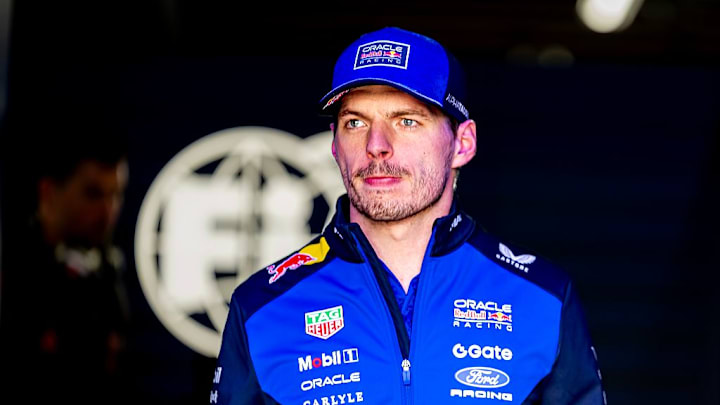
While talk of the new regulations and how teams have adjusted in the early going on track has been the talk of the paddock, it’s difficult to top the significance of their apparent effect on the most successful driver of the decade. Max Verstappen has been despondent through the first three races, complaining often and doing so loudly with repeated threats of walking away from the sport entirely.
It’s hard to figure out what to make of his outspoken disdain. Is a four-time champion in his prime really going to leave F1? Or is this a tactic to apply pressure on the powers that be and force changes to current rules? The truth might lie somewhere in the middle, but the only one that truly knows what Verstappen is thinking is the 28-year-old himself. How he carries himself in Miami after a month off, with potential upgrades to his Red Bull and perhaps just additional time to get comfortable with the new style of racing, could provide more answers to the biggest question hovering over the sport.
Mercedes’s Dynamic
By the time Miami arrived on the schedule last season, Lando Norris and Oscar Piastri had made it clear that a McLaren teammate battle would decide the world champion (though Verstappen nearly proved otherwise). We’ve had fewer races in 2026 before arriving in the U.S., and yet Mercedes appears to have done the same.

Antonelli holds the early advantage, having notched wins in the Chinese and Japanese Grands Prix, and the 19-year-old seems unfazed by running at the front of the pack. He’ll now have a target on his back, however, especially from veteran George Russell, who finally seems to have arrived at the front of the grid with a car capable of winning the championship. We saw McLaren take a rather unorthodox approach throughout last season, refusing to prioritize one driver over the other and instead letting Norris and Piastri race—no matter the consequences. And there were mishaps, like Norris’s crash into the back of Piastri at the Canadian Grand Prix. How Mercedes and Toto Wolff, a team principal with eight constructors championships to his name, manage the situation will be fascinating to see. And that management may come as soon as this weekend in Miami.
Upgrades After a Month Off
Given the unexpected gap in between Grands Prix, all 11 teams have had weeks to figure out what’s gone wrong—or maybe what’s gone right—during the first three race weekends. That should lead to a whole host of changes by the time the cars pull to the starting line on Sunday. McLaren team principal Andrea Stella said that the reigning champs plan to bring a “completely new car” to Miami and Canada and expect most of the field to do the same. That may not exactly be the case, however. Haas, off to one of its best starts during its 11-year existence, confirmed to Sports Illustrated earlier this week that it's not planning to bring major upgrades to Miami. That may prove to be the safer option given that it’s a sprint race weekend and teams will have just one practice (though the single session has been extended from 60 to 90 minutes) to iron out any kinks. But anytime you’re not moving forward in F1, you risk the chance of falling behind.
Reactions to Regulations Tweaks
It took all of three races for the FIA to approve some small but potentially significant changes to the new regulations. For the most part, the tweaks are meant to serve two purposes: encourage more full throttle driving during qualifying and prevent potentially dangerous speed differentials, like the one that resulted in Oliver Bearman’s crash in Japan.
For the former, the FIA will require that teams limit the amount of energy that can be harvested during each qualifying lap. It’s likely to result in overall slower qualifying laps, but will allow drivers to spend more time driving full out, and not having to lift off the throttle in order to acquire more power. And for the latter, drivers won’t be able to acquire as much power through the “Boost” mode. The reduction is designed to prevent a situation like what happened in Japan, where Bearman was using his boost to pass Franco Colapinto, but at the time, Colapinto was traveling much slower, having exhausted all of his own power. Bearman had to take evasive maneuvers and slid out onto the grass and into the wall at over 50G.
Something important to note: it’s impossible to know what these regulation changes will be until we see the cars back out on track. Drivers and executives seem largely in favor of the tweaks, but may have further thoughts or new concerns once the sessions begin on Friday.
All Eyes on the American Teams
For the first time, the Miami Grand Prix will feature two American-owned teams with Cadillac now joining Haas on the grid. And F1’s newest team is pulling out all the stops for its first home race, including a new livery, race suits and more throughout the weekend.
No place like home 🇺🇸 pic.twitter.com/2iekJGhiwf
— Cadillac Formula 1 Team (@Cadillac_F1) April 28, 2026
On the track, Haas has also been one of the biggest surprises across the opening three races. Thanks to 17 points from Bearman, including fifth-place finish in the Chinese Grand Prix, the outfit is fourth in the constructors’ standings, leading a crowded midfield of Alpine, Red Bull and Racing Bulls. It’s too early to suggest that’s where Haas will finish the season, but it’s clear the team is swimming in the right direction under team principal Ayao Komatsu.
As for Cadillac, the on-track progress has been slow—not exactly a surprise for a team that gained entry into F1 less than 14 months ago. Neither driver has been particularly competitive in qualifying and the emphasis has been on finishing races, not finishing them in the points. But team technical director Nick Chester told The Athletic that the team will bring its first significant upgrade to Miami. That should give the growing fan base something to look forward to as Cadillac seeks to score its first point in F1 in its first home race.
Full Miami Grand Prix Schedule
As mentioned above, it’s a sprint weekend in Miami, meaning the schedule will look a bit different. Qualifying for the sprint race takes place after just one, slightly elongated practice session. Then Saturday will begin with a points-scoring opportunity in the sprint before qualifying for the Grand Prix later in the afternoon. That, of course, all leads to the main event on Sunday, which was moved from 4 p.m. ET to 1 p.m. in order to avoid the worst of the forecasted thunderstorms in the area.
Here’s the full schedule, with all of the sessions streaming exclusively on Apple TV throughout the weekend.
Session | Date | Start Time (All ET) |
|---|---|---|
Free Practice 1 | Friday, May 1 | 12:30 p.m. |
Sprint Qualifying | Friday, May 1 | 4:30 p.m. |
Sprint Race | Saturday, May 2 | Noon |
Qualifying | Saturday, May 2 | 4 p.m. |
Grand Prix | Sunday, May 3 | 1 p.m. |
More Formula 1 from Sports Illustrated
 Add us as a preferred source on Google
Zach Koons is a programming editor at Sports Illustrated who frequently writes about Formula One. He joined SI as a Breaking and Trending News writer in February 2022 before joining the programming team in 2023. Koons previously worked at The Spun and interned for the Atlanta Journal-Constitution. He currently hosts the “Bleav in Northwestern” podcast and received a bachelor’s in journalism from Northwestern University.
Follow ZachKoons