%20%20--%3E%0A%3Csvg%20version%3D%221.1%22%20id%3D%22Layer_1%22%20xmlns%3D%22http%3A%2F%2Fwww.w3.org%2F2000%2Fsvg%22%20xmlns%3Axlink%3D%22http%3A%2F%2Fwww.w3.org%2F1999%2Fxlink%22%20x%3D%220px%22%20y%3D%220px%22%0A%09%20width%3D%2239px%22%20height%3D%2240px%22%20viewBox%3D%220%200%2039%2040%22%20enable-background%3D%22new%200%200%2039%2040%22%20xml%3Aspace%3D%22preserve%22%3E%0A%3Cpath%20fill%3D%22%23FFFFFF%22%20d%3D%22M38.5%2C7H28.2v26h10.3V7z%22%2F%3E%0A%3Cpath%20fill-rule%3D%22evenodd%22%20clip-rule%3D%22evenodd%22%20fill%3D%22%23FFFFFF%22%20d%3D%22M26.1%2C25.5c0%2C5.8-4.1%2C7.5-12.9%2C7.5C3.9%2C33%2C0%2C31.2%2C0%2C25.2v-1.1h11.6%0A%09v2.4c0%2C0.7%2C0.1%2C1.4%2C1.2%2C1.4c1%2C0%2C1.2-0.4%2C1.2-1.3v-0.9c0-1.6-0.9-1.6-3.5-2.2C2.2%2C21.7%2C0%2C19.7%2C0%2C15.3v-0.9C0%2C9.3%2C5.5%2C7%2C12.9%2C7%0A%09c10.2%2C0%2C12.8%2C2.6%2C12.8%2C7.4v1.8h-11v-2.9c0-0.6-0.4-1.1-1.2-1.1c-0.6%2C0-1.2%2C0.4-1.2%2C1.1v0.9c0%2C1.5%2C0.9%2C2%2C3.3%2C2.5%0A%09c8%2C1.6%2C10.5%2C3.3%2C10.5%2C7.5V25.5z%22%2F%3E%0A%3C%2Fsvg%3E%0A)
2026 World Cup Prompts Unprecedented Change in Mexico’s Education System
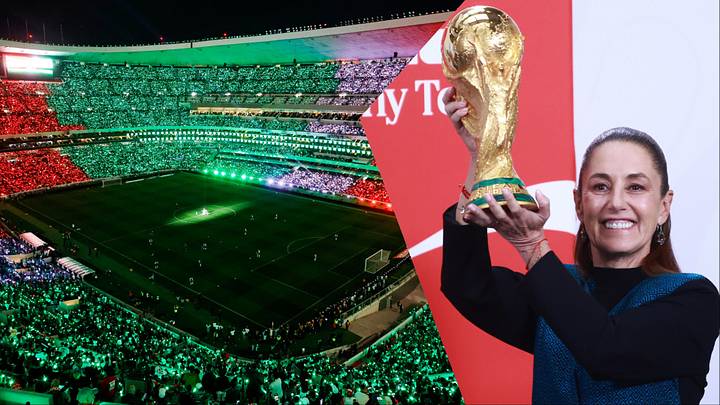
The Mexican government officially announced an adjustment to the academic calendar for schools across the country because of the 2026 World Cup, with classes now scheduled to end on June 5—more than one month before originally planned.
Now, public and private schools in the co-host nation, spanning from preschool to high school, will end their academic year one week before the Mexico national team takes on South Africa in the opening game of the 2026 World Cup.
Mexico’s Ministry of Public Education (SEP) released a statement on Thursday night confirming the change to the academic calendar. A recent heat-wave that’s hammered various states across the nation is also given as a reason for the change, but the start of the World Cup is mentioned as a reason three times in the statement.
Originally, the school year was scheduled to end on June 15. Because the 2026–27 academic calendar wasn’t modified at all, students all over Mexico will have 40 extra days of summer vacation, with the new school year still set to start on Aug. 31.
According to El País, some 32.6 million students in Mexico will be impacted by this decision.
Mexican Government Face Backlash for Changing School Calendar Because of World Cup

Although the Minister of Public Education, Mario Delgado, thanked parents across Mexico for supporting the initiative, the decision to bring the end of the school year forward by over a month has been met with considerable backlash.
Suddenly, millions of parents are now having to plan for 40 extra days where their children won’t be at school, meaning parents who work must figure out how to adjust their own calendar to take care of their children during usual school hours. The National Association of School Parents (UNPF) “energetically rejected” SEP’s decision to abruptly change the school calendar in a statement of their own, voicing their “deep indignation.”
“Utilizing the World Cup as an argument to cut the school calendar is unacceptable,” the statement says. “Our children’s education can’t be sacrificed for a sporting event that will take place in only three of [Mexico’s] 2,500 municipalities.”
As a measure to try and ensure the development of students and specific study plans aren’t compromised, SEP announced that students across the country will be part of a two-week “learning reinforcement” plan from Aug 17–28, the two weeks prior to the start of the next school year. UNPF catalogued this initiative as “insufficient.”
Still, it’s unlikely SEP backtracks on the decision to let the World Cup influence the academic calendar, and students in Mexico will be unburdened by school work for the duration of the tournament—as incredible as it may seem and much to UNPF’s displeasure.
It’s not the first time the 2026 World Cup has a similar impact. On Sept. 2025, Mexico City governor, Clara Brugada, announced that June 11, 2026 will be an official holiday in Mexico’s capital, given El Tri will face South Africa at the Azteca Stadium, one of the city’s most iconic landmarks.
The unprecedented changes in Mexico are just another major piece of evidence of the power and impact the biggest sporting spectacle on the planet can have on society.
READ THE LATEST WORLD CUP NEWS, ANALYSIS AND INSIGHT FROM SI FC
 Add us as a preferred source on Google
Roberto Casillas is a writer for SI FC, focusing primarily on FC Barcelona, the Mexico National Team, Liga MX and all things Latin American football. Born and raised in Mexico City, he developed a deep passion for football from an early age and fell in love with Cruz Azul. The once future star of Mexican football still likes to showcase what’s left of his talent on the Sunday league pitch. He’s also a big fan of the New England Patriots—so much so he moved to the region for four years—, Chicago Cubs and is a life-long Formula 1 follower. When he takes a break from sports, he enjoys traveling the world, watching the latest great TV show, going to concerts and spending plenty of time with friends and family.