%20%20--%3E%0A%3Csvg%20version%3D%221.1%22%20id%3D%22Layer_1%22%20xmlns%3D%22http%3A%2F%2Fwww.w3.org%2F2000%2Fsvg%22%20xmlns%3Axlink%3D%22http%3A%2F%2Fwww.w3.org%2F1999%2Fxlink%22%20x%3D%220px%22%20y%3D%220px%22%0A%09%20width%3D%2239px%22%20height%3D%2240px%22%20viewBox%3D%220%200%2039%2040%22%20enable-background%3D%22new%200%200%2039%2040%22%20xml%3Aspace%3D%22preserve%22%3E%0A%3Cpath%20fill%3D%22%23FFFFFF%22%20d%3D%22M38.5%2C7H28.2v26h10.3V7z%22%2F%3E%0A%3Cpath%20fill-rule%3D%22evenodd%22%20clip-rule%3D%22evenodd%22%20fill%3D%22%23FFFFFF%22%20d%3D%22M26.1%2C25.5c0%2C5.8-4.1%2C7.5-12.9%2C7.5C3.9%2C33%2C0%2C31.2%2C0%2C25.2v-1.1h11.6%0A%09v2.4c0%2C0.7%2C0.1%2C1.4%2C1.2%2C1.4c1%2C0%2C1.2-0.4%2C1.2-1.3v-0.9c0-1.6-0.9-1.6-3.5-2.2C2.2%2C21.7%2C0%2C19.7%2C0%2C15.3v-0.9C0%2C9.3%2C5.5%2C7%2C12.9%2C7%0A%09c10.2%2C0%2C12.8%2C2.6%2C12.8%2C7.4v1.8h-11v-2.9c0-0.6-0.4-1.1-1.2-1.1c-0.6%2C0-1.2%2C0.4-1.2%2C1.1v0.9c0%2C1.5%2C0.9%2C2%2C3.3%2C2.5%0A%09c8%2C1.6%2C10.5%2C3.3%2C10.5%2C7.5V25.5z%22%2F%3E%0A%3C%2Fsvg%3E%0A)
FIFA Reverses Decision, Allows Fans to Bring Water Bottles After Mass Backlash
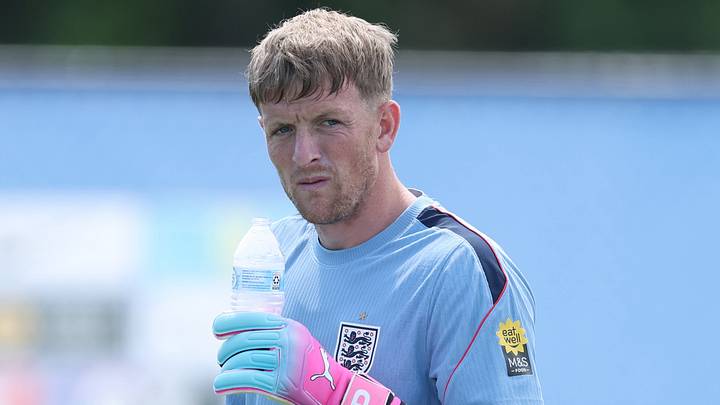
A decade ago, the bottle flip meant something else. It was a trick middle schoolers would do, flipping a bottle 360 degrees before landing it on a table. FIFA this week enjoyed a bottle flip of its own, flipping a decision that now allows fans to bring their own water bottles into 2026 World Cup matches.
In the initial policies for fans attending World Cup matches, FIFA had permitted supporters to bring empty, transparent and reusable plastic water bottles into venues. Yet on June 2, FIFA updated its stadium code of conduct, removing that detail and barring the use of hydration stations in stadiums.
The decision triggered massive backlash from fans, supporters’ groups and multiple levels of governments across the world, who accused FIFA of leaning towards commercial interests rather than fan safety, as those in the hot stadiums would be forced to purchase water at high prices should they want to hydrate
Toronto Mayor Olivia Chow, whose city will host six World Cup matches and Canada’s opener, said FIFA’s decision was a “pure money grab,” and New York City mayor Zohran Mamdani told The Athletic he was “concerned” by the decision, his latest gripe with FIFA’s organization and pricing at the World Cup, which will see the tournament’s crowning moment across the Hudson River at East Rutherford, N.J.’s MetLife Stadium on July 19.
In light of the negative response, FIFA has since reversed its decision, allowing fans to bring a single soft-plastic 20oz (590ml) factory-sealed disposable water bottle to games, with the requirement to keep it empty no longer in effect.
Why Are Water Bottles Important?

While many North American sports venues ban outside food and drink in favor of commercial interests, some have adjusted. The Seattle Mariners and Toronto Blue Jays allow fans to bring in anything but alcohol to MLB games, and many venues have adopted a reusable, clear-bottle policy for health and environmental considerations, while maintaining security concerns.
This summer, though, the water bottles have become vital, especially considering the soaring temperatures that many of the 16 cities across the World Cup will experience, an uncommon phenomenon in particular for European teams and fans. Water and its ease of access are critical to managing that summer heat and were allowed at last year’s 2025 FIFA Club World Cup, which utilized many of the same venues.
At this point, the permissions apply only to the 13 stadiums in the U.S. and Canada, with no determination on whether the venues in Mexico City, Guadalajara and Monterrey will follow suit. At all venues, fans will not be allowed to bring in any food or hard-sided drink containers.
READ THE LATEST WORLD CUP NEWS, ANALYSIS AND INSIGHT FROM SI FC
 Add us as a preferred source on Google
Ben Steiner is an American-Canadian journalist who brings in-depth experience, having covered the North American national teams, MLS, CPL, NWSL, NSL and Liga MX for prominent outlets, including MLSsoccer.com, CBC Sports, and OneSoccer.
Follow BenSteiner00