%20%20--%3E%0A%3Csvg%20version%3D%221.1%22%20id%3D%22Layer_1%22%20xmlns%3D%22http%3A%2F%2Fwww.w3.org%2F2000%2Fsvg%22%20xmlns%3Axlink%3D%22http%3A%2F%2Fwww.w3.org%2F1999%2Fxlink%22%20x%3D%220px%22%20y%3D%220px%22%0A%09%20width%3D%2239px%22%20height%3D%2240px%22%20viewBox%3D%220%200%2039%2040%22%20enable-background%3D%22new%200%200%2039%2040%22%20xml%3Aspace%3D%22preserve%22%3E%0A%3Cpath%20fill%3D%22%23FFFFFF%22%20d%3D%22M38.5%2C7H28.2v26h10.3V7z%22%2F%3E%0A%3Cpath%20fill-rule%3D%22evenodd%22%20clip-rule%3D%22evenodd%22%20fill%3D%22%23FFFFFF%22%20d%3D%22M26.1%2C25.5c0%2C5.8-4.1%2C7.5-12.9%2C7.5C3.9%2C33%2C0%2C31.2%2C0%2C25.2v-1.1h11.6%0A%09v2.4c0%2C0.7%2C0.1%2C1.4%2C1.2%2C1.4c1%2C0%2C1.2-0.4%2C1.2-1.3v-0.9c0-1.6-0.9-1.6-3.5-2.2C2.2%2C21.7%2C0%2C19.7%2C0%2C15.3v-0.9C0%2C9.3%2C5.5%2C7%2C12.9%2C7%0A%09c10.2%2C0%2C12.8%2C2.6%2C12.8%2C7.4v1.8h-11v-2.9c0-0.6-0.4-1.1-1.2-1.1c-0.6%2C0-1.2%2C0.4-1.2%2C1.1v0.9c0%2C1.5%2C0.9%2C2%2C3.3%2C2.5%0A%09c8%2C1.6%2C10.5%2C3.3%2C10.5%2C7.5V25.5z%22%2F%3E%0A%3C%2Fsvg%3E%0A)
Why U.S. Broadcaster Won’t Be Punished for ‘Breaking’ World Cup Rule
U.S. broadcaster Fox Sports will reportedly not face punishment from FIFA for a breach of advertising guidelines after explaining away the indiscretion as a consequence of confusion.
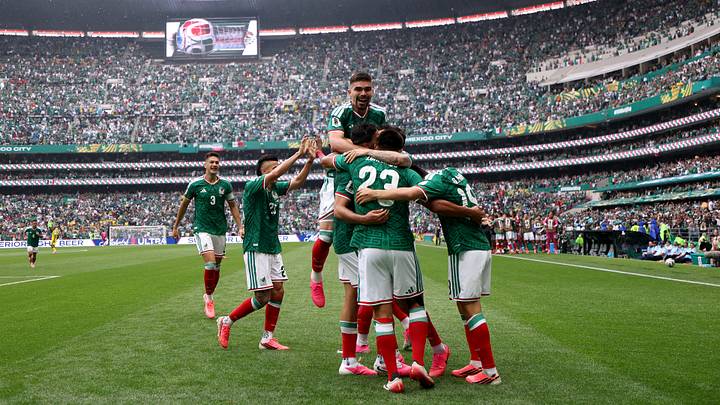
Around eight to 10 seconds of the first game of the 2026 World Cup between Mexico and South Africa was missed by viewers watching the English language broadcast in the United States after the advertisements during the second-half hydration break ran long.
Broadcasters are permitted to cut to commercials during these new three-minute stoppages, which have been implemented across every half in every match at this summer’s World Cup, regardless of temperature. However, It has been widely reported that coverage must return to the match feed no later than 30 seconds before the game restarts.
Fox were as much as 40 seconds off the pace three quarters of the way through Mexico’s 2–0 victory over South Africa but are not expected to be penalized by the tournament organizers, The Guardian report.
Fox’s Explanation for Missed Match Footage

Every hydration break is the same length: three minutes. Given broadcasters have been told to only cut away from the game 20 seconds after the enforced timeout begins and that they must return at least 30 seconds before resumption, that gives them two minutes and 10 seconds of time to play with.
Fox’s wave of adverts in the World Cup opener—invariably including the omnipresent figure of David Beckham—actually only lasted one minute and 54 seconds. The match overlap was a consequence of the broadcaster not starting the commercial break early enough.
This is thought to have been because those in charge of the match coverage only belatedly realized when referee Wilton Sampaio had signaled for a hydration break. The Brazilian official took the natural break in play of Raúl Jiménez’s goal to whistle for a brief respite—however, most of the focus was understandably on the emotional celebrations of the Mexican striker, who was looking to the heavens remembering his late father.
Apparently this explanation was enough to placate FIFA—whose stance was no doubt softened by the fact it hasn’t happened in any subsequent match.
How Much Hydration Break Ads Cost

The major issue for U.S. broadcasters when it comes to soccer is the lack of advertising slots. Two unbroken halves of 45 minutes doesn’t leave much room for branding. However, FIFA’s decision to effectively break each contest into quarters—much like NBA or NFL games—opens up an entirely new avenue of revenue. This Americanization was seemingly deliberate.
“FIFA is always trying to find ways to innovate,” Zac Kenworthy, vice president of production at Fox Sports, explained. “They’re very intrigued in the American market, the way we do sports here.”
Fox, rather than FIFA, stand to benefit directly from this new windfall. The Wall Street Journal estimates that one 30-second ad slot could go for around $200,000 in a regular group game and jump all the way up to $750,000 if the U.S. men’s national team is in action.
With figures like that bandied around, it helps explain why broadcasters would show every sold advertising slot at the expense of eight seconds of actual game play.
READ THE LATEST WORLD CUP NEWS, ANALYSIS AND INSIGHT FROM SI FC
 Add us as a preferred source on Google
Grey Whitebloom is an Associate Editor for SI FC. He has more than half a decade of experience in sports media across all its various guises, from the fast-paced demands of news articles and match reports to in-depth research required for features. Whitebloom graduated with a First Class Honours from University College London and found himself named on the Dean’s List—which, despite his initial fears, was a form of praise rather than a punishment. He specialises in the Premier League and Champions League, while also boasting an extensive track record of La Liga coverage.