%20%20--%3E%0A%3Csvg%20version%3D%221.1%22%20id%3D%22Layer_1%22%20xmlns%3D%22http%3A%2F%2Fwww.w3.org%2F2000%2Fsvg%22%20xmlns%3Axlink%3D%22http%3A%2F%2Fwww.w3.org%2F1999%2Fxlink%22%20x%3D%220px%22%20y%3D%220px%22%0A%09%20width%3D%2239px%22%20height%3D%2240px%22%20viewBox%3D%220%200%2039%2040%22%20enable-background%3D%22new%200%200%2039%2040%22%20xml%3Aspace%3D%22preserve%22%3E%0A%3Cpath%20fill%3D%22%23FFFFFF%22%20d%3D%22M38.5%2C7H28.2v26h10.3V7z%22%2F%3E%0A%3Cpath%20fill-rule%3D%22evenodd%22%20clip-rule%3D%22evenodd%22%20fill%3D%22%23FFFFFF%22%20d%3D%22M26.1%2C25.5c0%2C5.8-4.1%2C7.5-12.9%2C7.5C3.9%2C33%2C0%2C31.2%2C0%2C25.2v-1.1h11.6%0A%09v2.4c0%2C0.7%2C0.1%2C1.4%2C1.2%2C1.4c1%2C0%2C1.2-0.4%2C1.2-1.3v-0.9c0-1.6-0.9-1.6-3.5-2.2C2.2%2C21.7%2C0%2C19.7%2C0%2C15.3v-0.9C0%2C9.3%2C5.5%2C7%2C12.9%2C7%0A%09c10.2%2C0%2C12.8%2C2.6%2C12.8%2C7.4v1.8h-11v-2.9c0-0.6-0.4-1.1-1.2-1.1c-0.6%2C0-1.2%2C0.4-1.2%2C1.1v0.9c0%2C1.5%2C0.9%2C2%2C3.3%2C2.5%0A%09c8%2C1.6%2C10.5%2C3.3%2C10.5%2C7.5V25.5z%22%2F%3E%0A%3C%2Fsvg%3E%0A)
World Cup Extra Time Rules and How Penalty Shootouts Work
The 2026 FIFA World Cup has reached the knockout stage, where—unlike the group stage—matches can no longer end in a draw.
If the score is level after 90 minutes, a winner must be decided. Matches will go to extra time and, if the teams are still level after even that, a penalty shootout.
Here’s everything you need to know about how extra time and penalty shootouts work at the World Cup, including the rules, substitutions and more.
How Extra Time Works at the World Cup

Extra time at the World Cup works in the same way it does in any other knockout competition where a winner must be decided.
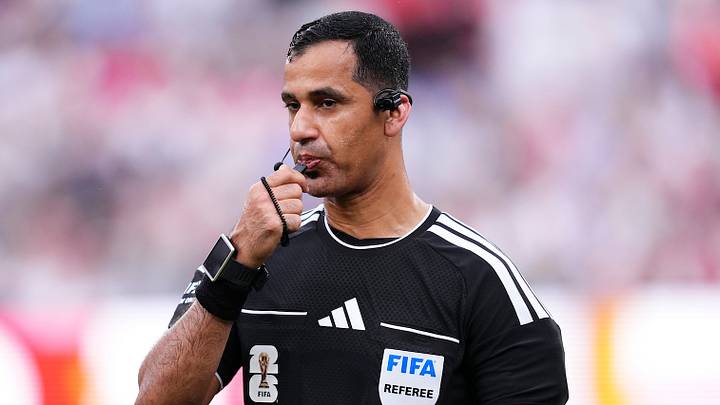
If the score is level after the initial 90 minutes, plus any stoppage time, the referee blows the full-time whistle to signal the end of regular time. If the teams are still tied, they retreat to their respective benches or dressing rooms before returning to the field following a five-minute break.
Play then resumes with extra time to determine a winner.
Every match from the Round of 32 through to the World Cup final can be decided this way if the score remains level after 90 minutes.
How Long is Extra Time at the World Cup?
Extra time at the World Cup lasts 30 minutes and is split into two 15-minute halves.
The teams switch ends after the first 15-minute period, with only a brief interval between halves and no extended break. Unlike regular time, there is no halftime team talk in the dressing room.
As with the first 90 minutes, the referee can also add stoppage time at the end of each 15-minute period to make up for delays caused by injuries, substitutions or time-wasting.
Do Teams Get an Extra Substitution in Extra Time?
Yes. Teams are allowed up to five substitutions during regular time, but if a match goes to extra time, each side is granted one additional substitute.
That means teams can make up to six substitutions in total, regardless of whether they used all five of their allotted changes during the initial 90 minutes.
What Happens if the Score is Still Level After Extra Time?

If the score remains level after extra time, the match is decided by a penalty shootout.
How Penalty Shootouts Work at the World Cup
Penalty shootouts are used when teams cannot be separated after 90 minutes and extra time.
Before the kicks begin, the referee selects the goal that will be used for the shootout, typically based on practical considerations such as pitch conditions, safety or crowd positioning. While captains may be consulted, the final decision rests with the referee.
A coin toss is then conducted. The captain who wins the toss chooses whether their team will take the first or second penalty.
Each team takes five penalties, alternating kicks between sides. The team that scores the most out of five wins the match, with the shootout ending early if one side becomes uncatchable.
Only players on the pitch at the end of extra time are eligible to participate, and goalkeepers must remain on the goal line until the ball is struck; any infringement can result in the penalty being retaken.
If the scores are still level after five penalties each, the shootout moves to sudden death, where teams take one kick each until a winner is decided.
Does the World Cup Still Use the Golden Goal Rule?
No, the World Cup no longer uses the golden goal rule.
First introduced by FIFA in 1993 and last used at the 2002 World Cup, the rule meant that during extra time, the first team to score would immediately win the match, ending the game on the spot. If no goals were scored after 30 minutes of extra time, the match would go to a penalty shootout.
FIFA introduced the rule in an attempt to encourage attacking play and reduce the number of shootouts. In practice, however, it often had the opposite effect, with teams becoming more cautious in extra time to avoid conceding, leading to more conservative and cagey periods of play.
As a result, the golden goal rule was eventually scrapped, and extra time reverted to the standard full 30 minutes regardless of whether goals are scored.
World Cup Extra Time and Penalty Rules FAQ

Do You Get More Subs in Extra Time?
Yes. Teams are allowed five substitutions in normal time and receive one additional substitution if the match goes to extra time, for a total of six.
What is the “Golden Goal”?
The golden goal was a now-defunct rule where the first team to score in extra time would immediately win the match. It was scrapped after 2002.
Can a World Cup Final Go to Penalties?
Yes. If the final is level after 90 minutes and extra time, it is decided by a penalty shootout.
How Many Penalties Does Each Team Take?
Each team takes five penalties initially. If the score is still level after that, the shootout goes to sudden death.
READ THE LATEST WORLD CUP NEWS, PREVIEWS & ANALYSIS HERE
 Add us as a preferred source on Google
Barnaby Lane, better known as Barney, is a soccer writer for SI FC. With nearly a decade of experience in the industry, he has worked for a range of household-name publications in both the United States and the United Kingdom, and has interviewed some of the world’s biggest athletes—from Usain Bolt and Rafael Nadal to Christian Pulisic (though his favorite interview remains Adebayo Akinfenwa). Barney specializes in Premier League soccer, covering everything from the nostalgia of years gone by to the modern, vastly different landscape of today’s game. He also has experience reporting on La Liga and Major League Soccer, the latter of which he developed a particular affinity for during his university days at Virginia Commonwealth University in Richmond.