
Twins Should Build Zebby Matthews’ Bullpen Plan Around This Pitch
In this story:
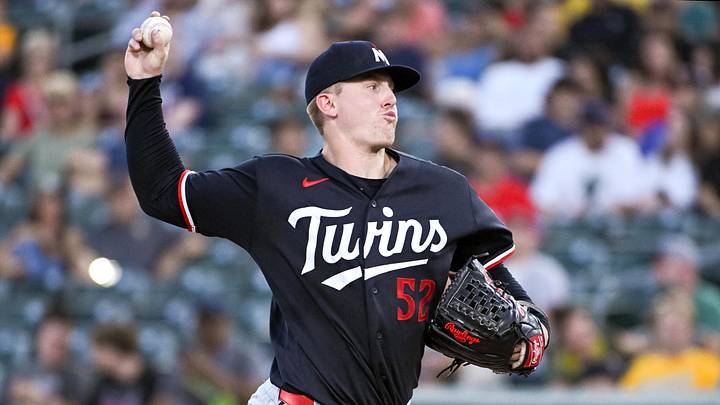
The Minnesota Twins should make Zebby Matthews’ slider central to any plan that moves him into relief. A shorter assignment would create an opportunity to emphasize his best pitch while reducing his exposure to less effective offerings.
MLB.com identified Matthews as a possible relief option Tuesday after the addition of Sonny Gray.
That gives Minnesota another way to address its bullpen. The more useful question is what would actually change when Matthews leaves the rotation.
His 2026 pitch results offer a starting point for that decision.
Matthews’ Best Pitch Deserves a Larger Share of the Work

Matthews threw his four-seam fastball 35.8% of the time in 2026, making it his most frequent offering. His slider accounted for 22.8%, despite producing substantially better results.
Statcast’s pitch-specific breakdown shows the difference:
Pitch | Usage | Whiff Rate | Opponents’ slugging percentage |
|---|---|---|---|
Four-seam fastball | 35.8% | 14.8% | .491 |
Slider | 22.8% | 34.2% | .288 |
Cutter | 12.4% | 15.4% | .639 |
Curveball | 11.1% | 34.0% | .378 |
Whiff rate measures misses per swing. The slider’s results give Minnesota a reason to test a larger role for it, particularly if Matthews no longer needs to prepare for repeated trips through a lineup.
The curveball also deserves consideration. Its similar swing-and-miss rate offers another breaking pitch to evaluate alongside the slider, although its smaller workload limits the comparison.
The cutter presents a clearer question. Hitters did considerable damage against it, and reducing its use would create room for Matthews’ better-performing breaking balls.
Those results support an experiment. They do not establish that changing the percentages will automatically reproduce the same outcomes.
A Bullpen Move Should Include a Specific Spring Test

The earlier Twins comparison of Matthews and Dean Kremer examined who should receive starts. Gray’s arrival makes a different decision more relevant: how to turn Matthews’ existing weapons into useful relief innings.
Minnesota should begin by testing more sliders and fewer cutters during spring appearances. The evaluation should include whether Matthews can land the slider for strikes, generate misses when ahead and avoid becoming predictable.
His fastball would remain important. He needs a pitch that can establish counts and make hitters account for a different speed and location. The 2026 results argue for adjusting its share of the workload rather than assuming a relief assignment will fix it.
The Twins should also evaluate the revised mix against both left-handed and right-handed hitters. Success against one group would not establish that Matthews can handle every matchup.
There is a rotation cost to consider, too. Keeping the other starter candidates prepared would give Minnesota more freedom to commit Matthews to a defined relief role.
The opportunity is specific: simplify his assignments, give his slider more responsibility and judge the results before setting his job. That would give the Twins a supported plan to test as they continue rebuilding the bullpen.
 Add us as a preferred source on Google

Alvin Garcia is a Puerto Rico-born sportswriter and U.S. Army veteran. He has covered Major League Baseball since 2022, producing breaking news, game coverage, analysis, roster stories and player features for national and team-focused publications. His previous work has appeared at Heavy, The Sporting News, Athlon Sports, Yardbarker, and FanSided. Garcia brings a data-informed, fan-focused approach to his coverage.