%20%20--%3E%0A%3Csvg%20version%3D%221.1%22%20id%3D%22Layer_1%22%20xmlns%3D%22http%3A%2F%2Fwww.w3.org%2F2000%2Fsvg%22%20xmlns%3Axlink%3D%22http%3A%2F%2Fwww.w3.org%2F1999%2Fxlink%22%20x%3D%220px%22%20y%3D%220px%22%0A%09%20width%3D%2239px%22%20height%3D%2240px%22%20viewBox%3D%220%200%2039%2040%22%20enable-background%3D%22new%200%200%2039%2040%22%20xml%3Aspace%3D%22preserve%22%3E%0A%3Cpath%20fill%3D%22%23FFFFFF%22%20d%3D%22M38.5%2C7H28.2v26h10.3V7z%22%2F%3E%0A%3Cpath%20fill-rule%3D%22evenodd%22%20clip-rule%3D%22evenodd%22%20fill%3D%22%23FFFFFF%22%20d%3D%22M26.1%2C25.5c0%2C5.8-4.1%2C7.5-12.9%2C7.5C3.9%2C33%2C0%2C31.2%2C0%2C25.2v-1.1h11.6%0A%09v2.4c0%2C0.7%2C0.1%2C1.4%2C1.2%2C1.4c1%2C0%2C1.2-0.4%2C1.2-1.3v-0.9c0-1.6-0.9-1.6-3.5-2.2C2.2%2C21.7%2C0%2C19.7%2C0%2C15.3v-0.9C0%2C9.3%2C5.5%2C7%2C12.9%2C7%0A%09c10.2%2C0%2C12.8%2C2.6%2C12.8%2C7.4v1.8h-11v-2.9c0-0.6-0.4-1.1-1.2-1.1c-0.6%2C0-1.2%2C0.4-1.2%2C1.1v0.9c0%2C1.5%2C0.9%2C2%2C3.3%2C2.5%0A%09c8%2C1.6%2C10.5%2C3.3%2C10.5%2C7.5V25.5z%22%2F%3E%0A%3C%2Fsvg%3E%0A)
The January Transfer Window—Where the Premier League’s Elite Do it Differently
Fans always love debates about which club “won the transfer window.”
Manchester City certainly appear to have done best in the Premier League’s winter window. Their more bitter rivals may jibe that it’s all City will win this season but recruiting the coveted pair of Marc Guéhi and Antoine Semenyo is undoubtedly smart business, short-term and long.
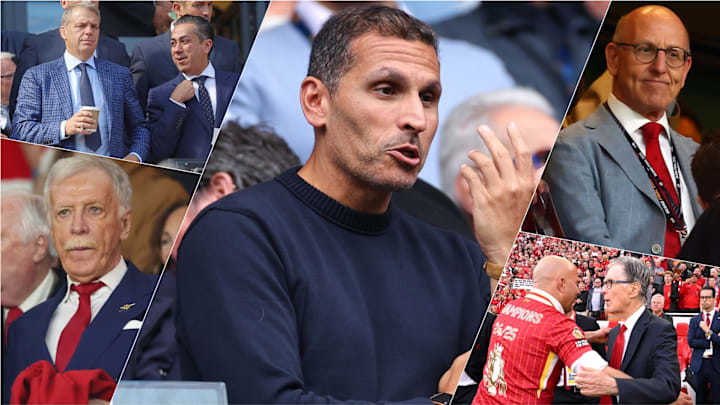
Backed by Abu Dhabi’s oil money, City can move more quickly decisively than their rivals, US-owned clubs like Arsenal, Chelsea and Liverpool and part-owned Manchester United. Those four have been typically quiet in the window, and even Liverpool’s £60 million deal for France U21 international Jérémy Jacquet does not see the centre back arrive until the summer. That seems strange given their need for strengthening at centre back now. Maybe they have simply learned from their failure to land Guéhi last summer to tie up deals early.
On the whole, the American-backed clubs tend to seek more value and variety in the market in the summer. City also have the internal structure to react smartly. It’s all built around Pep Guardiola. With wealthy owners, strong PSR (financial rules and leeway) from sales and revenue, City react quickly, not simply with transfer fees and agents’ costs but with wages. When other clubs know City are in for a player, they tend to withdraw from the chase.
The Big Risk of Buying Mid-Season

Buying in January can be a gamble. Signings don’t have a pre-season with new team-mates to bed in emotionally and tactically. They are landing in unfamiliar terrain, don’t always speak the language, and may be uprooting family in the middle of the school year. Many factors come into play.
Even weather. I once met Andrey Arshavin, the Russian winger, wandering through the Emirates on transfer deadline in winter 2009, hoping his move from Zenit to Arsenal was going through. His Premier League registration was held up by a snowstorm engulfing London. Arshavin was his usual self, laid-back and smiling, but even he saw the irony of snow in England delaying matters rather than in Russia where it snows rather more seriously. The deal got done after the Premier League extended the deadline.
City move earlier in the window, but also in January they have tended to move for players as development projects, prospects that can be moulded by Guardiola or sent out on loan. This January was different. They needed to respond to immediate on-field issues, namely a rise in injuries and drop-off in form. City are playing chess but able to replace lost pieces with quality replacements. They currently have three experienced centre backs, Ruben Dias, John Stones and Joško Gvardiol out injured, so Guéhi was a must.
The England international had seem destined for Liverpool last summer but they left it late, Crystal Palace couldn’t find a replacement and Guéhi discovered his dream move to Anfield was off while having his medical on deadline day.
City moved quickly this window and swooped for Guéhi for £20m on Jan. 19. Guéhi was running down his contract at Palace, who weren’t prepared to let him go for nothing so cashed in now. If £20 million might appear a lot for what could be 20 games this season it’s actually shrewd work by City. Having signed a five-and-a-half-year contract, Guéhi will now be valued at £70m+, more if he enjoys a good World Cup with England.
The Evolving of Manchester City’s Strategy

Needing more energy and options in attack, especially on the right where Savinho has not delivered, and Phil Foden is more effective inside, City triggered Semenyo’s £65m release clause at Bournemouth on Jan. 9. City often buy players to develop but Semenyo and Guéhi are Premier League-hardened and ready to drop in. Semenyo has four goals in five games. With Arsenal looking increasingly confident at the top of the Premier League, City needed such reinforcements.
There is also the vexed issue of when the verdict on the 115 charges for alleged financial breaches will finally be announced. City strenuously deny all allegations. One possible punishment is a transfer ban.
Guéhi is 25, Semenyo 26. A year ago, City focused on younger players in the window from overseas, spending almost £180 million. They gave Lens £33.6 million for the promising but raw centre half Abdukodir Khusanov, who was 20. They spent £59 million on the more polished attacker Omar Marmoush from Eintracht Frankfurt. He was 25 when he moved, but still had to learn the rigours of the English game. Vitor Reis cost £29.6 million from Palmeiras and the 19-year-old centre back was loaned out to Girona after four games. Nico González was 23 when he arrived from Porto for £50 million.
None have become regulars like Guéhi and Semenyo already are. City may have “won the window” but looking through it revealed a Guardiola concerned about Arsenal’s title form.
Going back over the previous five years, City have often focused on youthful Argentinian talent in January. Claudio Echeverri arrived in 2024 for £12.5 million from River Plate and promptly returned on loan. He’s now on loan at Girona via Bayer Leverkusen. The Argentinian forward is only 20 and has already played in four different leagues. It’s all part of his development, part of City’s long-term development. He may prove good enough for the first team or they will sell him on for a profit.
In 2023, midfielder Máximo Perrone arrived at the Etihad from Vélez Sarsfield for £7.9 million, played twice, disappeared on loan and was sold to Como last year for £13 million. City did arguably their greatest piece of business on January 31, 2022, investing £14 million in River Plate’s exciting attacker Julián Alvarez. He helped City to the 2023 Treble (Premier League, Champions League and FA Cup), to another title in 2024 and was then sold to Atlético Madrid for £81 million. That’s an astonishing return even for a player who contributed 36 goals in 103 appearances. City’s ability to spend liberally is helped by clever sales.
Not Every Team Follows the Same Path

Time and again, City get moves done while Arsenal, Liverpool and United apply more caution. In January, 2025, United looked to the future with Ayden Heaven, the teenaged centre back brought in from Arsenal much to the Londoners’ frustration. Patrick Dorgu joined the same time for £25 million from Lecce, and shone under Michael Carrick before injuring a hamstring. Amad Diallo has also proved a success since signing for £19 million from Atalanta in 2021. But otherwise United focus on the summer.
Liverpool are rarely active in January: Cody Gakpo was £37 million in PSV Eindhoven in 2023; Luis Díaz was £37.5 million from Porto in 2022. Arsenal were last busy in the January window in 2023 with Leandro Trossard arriving from Brighton & Hove Albion for £21 million, Jakub Kiwior from Spezia for a similar fee and Jorginho for £12 million from Chelsea. This was modest given that six months later they were spending £65 million on Kai Havertz and £105 million—a then-British transfer record— on Declan Rice.
They were linked in this January window with Newcastle United’s Sandro Tonali—numbers somewhat depleted in north London following a serious injury to Mikel Merino and lots of competitions to balance—and that is of course a factor in itself. Reacting to a personnel crisis, juggling the workloads of others who have niggles. Do you spend and undo months of planning and research to tide you over for the next four months? Things can change quickly.
We are actively looking at options. We will continue to do that.Mikel Arteta after Mikel Merino’s injury

Chelsea are a law unto themselves in the transfer market but tend to buy young, allowing them to develop and be traded. Usually such recruitment is done in the summer. Chelsea did spend £12.5 million on Mathis Amougou from St-Etienne in January 2025, a teenage midfielder who was promptly moved on Strasbourg, Chelsea’s sister club. Is he any good? He’s started only two games in Ligue 1 (and six in the Europa Conference League). Players mature at different ages and Amougou may come good.
Chelsea’s owners, the consortium led by Todd Boehly and Clearlake Capital, bought the club in May 2022, so were always going to splash the cash in early transfer windows. In January 2023, David Datro Fofana arrived from Molde for £11 million, was loaned out and is currently bottom of the Turkish Super Lig with Fatih Karagümruk. Benoît Badiashile came in from Monaco and has done little. Chelsea lavished £88.5 million on Mykhailo Mudryk who struggled with the physicality and intensity of the Premier League and currently fights a doping charge. He denies all wrongdoing.
Chelsea did enjoy successes that January. Noni Madueke cost them £29 million from PSV Eindhoven and made them a £20 million profit when sold to Arsenal 30 months later. The defender Malo Gusto has done well since coming from Lyon for £31 million. Enzo Fernandez has been a star since his £106.8 million switch from Benfica.
In years before that, the American-owned clubs have found value in the January window: Bruno Fernandes, Nemanja Vidic and Patrice Evra at United; and Philippe Coutinho, Luis Suárez and Virgil van Dijk at Liverpool. Arsenal fans eventually fell out of love with Pierre-Emerick Aubameyang, who arrived at the Emirates in January 2018 for £56 million, scored an impressive 92 goals in 163 games, won the FA Cup, gradually became difficult, and departed on a free to Barcelona in 2022.
Nothing is guaranteed with winter recruits, not even who's “won the window.”
READ HENRY WINTER’S WEEKLY SPORTS ILLUSTRATED COLUMN
 Add us as a preferred source on Google
Henry Winter has been voted the UK’s Football Writer of the Year seven times, has covered nine World Cups, written for The Independent, Telegraph and London Times, and is a Ballon d’Or judge. He captained the England media team until losing the dressing-room in Kazakhstan.
Follow henrywinter