%20%20--%3E%0A%3Csvg%20version%3D%221.1%22%20id%3D%22Layer_1%22%20xmlns%3D%22http%3A%2F%2Fwww.w3.org%2F2000%2Fsvg%22%20xmlns%3Axlink%3D%22http%3A%2F%2Fwww.w3.org%2F1999%2Fxlink%22%20x%3D%220px%22%20y%3D%220px%22%0A%09%20width%3D%2239px%22%20height%3D%2240px%22%20viewBox%3D%220%200%2039%2040%22%20enable-background%3D%22new%200%200%2039%2040%22%20xml%3Aspace%3D%22preserve%22%3E%0A%3Cpath%20fill%3D%22%23FFFFFF%22%20d%3D%22M38.5%2C7H28.2v26h10.3V7z%22%2F%3E%0A%3Cpath%20fill-rule%3D%22evenodd%22%20clip-rule%3D%22evenodd%22%20fill%3D%22%23FFFFFF%22%20d%3D%22M26.1%2C25.5c0%2C5.8-4.1%2C7.5-12.9%2C7.5C3.9%2C33%2C0%2C31.2%2C0%2C25.2v-1.1h11.6%0A%09v2.4c0%2C0.7%2C0.1%2C1.4%2C1.2%2C1.4c1%2C0%2C1.2-0.4%2C1.2-1.3v-0.9c0-1.6-0.9-1.6-3.5-2.2C2.2%2C21.7%2C0%2C19.7%2C0%2C15.3v-0.9C0%2C9.3%2C5.5%2C7%2C12.9%2C7%0A%09c10.2%2C0%2C12.8%2C2.6%2C12.8%2C7.4v1.8h-11v-2.9c0-0.6-0.4-1.1-1.2-1.1c-0.6%2C0-1.2%2C0.4-1.2%2C1.1v0.9c0%2C1.5%2C0.9%2C2%2C3.3%2C2.5%0A%09c8%2C1.6%2C10.5%2C3.3%2C10.5%2C7.5V25.5z%22%2F%3E%0A%3C%2Fsvg%3E%0A)
Mikel Arteta’s Damning Admission Puts Arsenal Stars—and Himself—Under the Spotlight
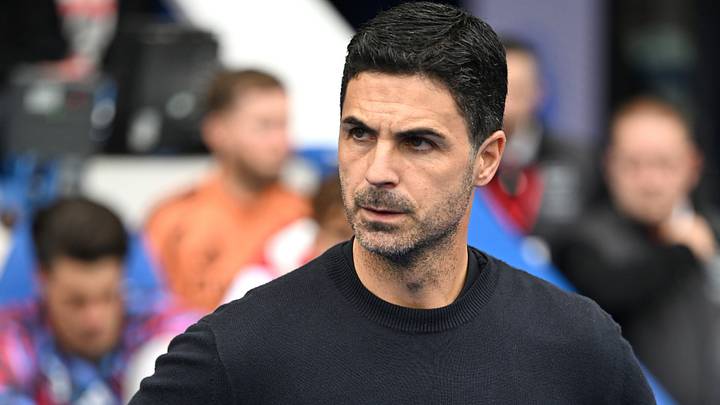
FALMER, England — Mikel Arteta admitted that he knew his Arsenal side would be on the back foot from the first throw-in of Saturday’s trip to Brighton & Hove Albion, lamenting that the chasm in intensity was “so clear.”
The beaten boss was not alone in identifying the gulf early on, but as the only person at the Amex with the ability to address those painfully-obvious deficiencies, Arteta’s brutal honesty only served to turn the spotlight onto himself as well.
Brighton romped to an entirely deserved 3–0 lead on the club’s 125th anniversary, pressing their dozy visitors into submission and their heaviest defeat in more than three years. The Seagulls didn’t take the lead until the 31st minute through Pascal Groß’s crisp swipe into the bottom corner, but the tone had been set in the opening seconds.
“In the first throw, you could sense it, it was so clear,” Arteta fumed, his voice barely raised above a furious whisper as he scowled through his postmatch media duties. “We put ourselves in trouble one time, two times, three times, and we need to get out of that much quicker. And that’s one of the biggest lessons that we have to take from the game.”
The fearsome nature of Brighton’s press was no surprise for Arsenal. The Seagulls came into the contest dominating every available off-ball statistic and were fresh from running Manchester United into the ground at Old Trafford. “The first thing that we had discussed, it was about the first pass,” Arteta confirmed. “If you don’t get out of that first pass as winners, it will be extremely difficult to dominate the game, and you don’t have any probability of winning the game.
“We knew that, but that’s again, credit to them for what they’ve done, because they overcame us, and they had another edge than we did, and that’s something that, at this level, it’s extremely important to respect and to understand before anything else.”
Arteta admitted through gritted teeth that Brighton “had another bite.” “There was a lot of moments when the ball is 50-50, and it changes hands, and most of the time it was for them.”
Why Arteta Didn’t Intervene Against Brighton

If it was all so obvious from his technical dugout before the rot had even set in, then it begs the question of why Arteta didn’t act decisively. The Basque boss was asked whether he had been tempted to make any substitutions at halftime. “I was,” Arteta admitted after a moment of reflection, “but I would believe it wasn’t the right moment to do that with the things that we wanted to change for the second half.”
The personnel remained the same, but they could not carry out Arteta’s new message. Arsenal continued to try (and invariably fail) to play their way through Brighton’s press, with Kai Havertz dropping off the frontline to take his turn of giving up the ball. Unlike many of his teammates, Havertz managed to concede a corner rather than set up a Brighton shot. Unfortunately for the German, Chema Andrés nodded in the resulting set piece.
“At halftime we tried to change it, we started the second half and we made again two or three really difficult decisions that put us under pressure,” Arteta lamented, visibly bereft while reliving the numerous “technical errors” of his team. “The moment we could get some momentum, it was probably too late.”
 Add us as a preferred source on Google
Grey Whitebloom is an Associate Editor for SI FC. He has more than half a decade of experience in sports media across all its various guises, from the fast-paced demands of news articles and match reports to in-depth research required for features. Whitebloom graduated with a First Class Honours from University College London and found himself named on the Dean’s List—which, despite his initial fears, was a form of praise rather than a punishment. He specialises in the Premier League and Champions League, while also boasting an extensive track record of La Liga coverage.