%20%20--%3E%0A%3Csvg%20version%3D%221.1%22%20id%3D%22Layer_1%22%20xmlns%3D%22http%3A%2F%2Fwww.w3.org%2F2000%2Fsvg%22%20xmlns%3Axlink%3D%22http%3A%2F%2Fwww.w3.org%2F1999%2Fxlink%22%20x%3D%220px%22%20y%3D%220px%22%0A%09%20width%3D%2239px%22%20height%3D%2240px%22%20viewBox%3D%220%200%2039%2040%22%20enable-background%3D%22new%200%200%2039%2040%22%20xml%3Aspace%3D%22preserve%22%3E%0A%3Cpath%20fill%3D%22%23FFFFFF%22%20d%3D%22M38.5%2C7H28.2v26h10.3V7z%22%2F%3E%0A%3Cpath%20fill-rule%3D%22evenodd%22%20clip-rule%3D%22evenodd%22%20fill%3D%22%23FFFFFF%22%20d%3D%22M26.1%2C25.5c0%2C5.8-4.1%2C7.5-12.9%2C7.5C3.9%2C33%2C0%2C31.2%2C0%2C25.2v-1.1h11.6%0A%09v2.4c0%2C0.7%2C0.1%2C1.4%2C1.2%2C1.4c1%2C0%2C1.2-0.4%2C1.2-1.3v-0.9c0-1.6-0.9-1.6-3.5-2.2C2.2%2C21.7%2C0%2C19.7%2C0%2C15.3v-0.9C0%2C9.3%2C5.5%2C7%2C12.9%2C7%0A%09c10.2%2C0%2C12.8%2C2.6%2C12.8%2C7.4v1.8h-11v-2.9c0-0.6-0.4-1.1-1.2-1.1c-0.6%2C0-1.2%2C0.4-1.2%2C1.1v0.9c0%2C1.5%2C0.9%2C2%2C3.3%2C2.5%0A%09c8%2C1.6%2C10.5%2C3.3%2C10.5%2C7.5V25.5z%22%2F%3E%0A%3C%2Fsvg%3E%0A)
Why Surprise MLS Club Is the Perfect Gamble for Former Barcelona, Arsenal Legend
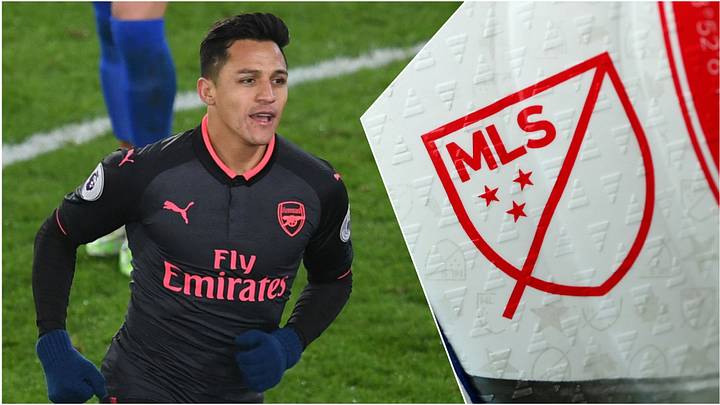
Alexis Sánchez is the latest European headliner to make his way to Major League Soccer, signing with Canadian side CF Montréal for the remainder of the 2026 season and through the 2027 sprint season.
Although Chile’s all-time leading goalscorer (51) has spent the last 18 years of his career in Europe— starring for the likes of FC Barcelona, Arsenal and Manchester United, MLS will present a new set of challenges that he cannot take lightly.
Sánchez, 37, is bound to deliver an immediate impact for CF Montréal in one way or another, and making a move outside of Europe’s top competitions should present him more time on the ball and greater ability to change the game. This isn’t the MLS of 10 years ago though, with no assurances of top performances from aging veterans, as Colombian star James Rodríguez found out in a dismal six-game spell with Minnesota United earlier this season.
A Safe Bet for Both Sides

Sánchez had four goals and two assists for La Liga’s Sevilla last season, marking a sharp decline in production from his days as one of the game’s most influential and dynamic attacking pieces. At the same time, he shifted to playing as a No. 10 or false No. 9, slowing down the pace of his possession. Stepping into MLS is likely the best shot he has to continue playing at a prominent level where he can make a significant difference.
Meanwhile, for Montréal, the move can’t hurt. The team is struggling, sitting 14th in the Eastern Conference standings, and has only made the MLS Cup playoffs once in the last nine years. Sánchez marks its biggest name-recognition signing since Didier Drogba in 2015 and brings quality that could move a competitive team without a killer instinct higher up the standings. Yet if the transfer goes poorly, things can’t get much more dire.
Alexis Sánchez est Montréalais 🔵⚪️⚫️
— CF Montréal (@cfmontreal) August 12, 2026
New DP in MTL 🇨🇱
El Niño Maravilla es montrealés 👊#CFMTL pic.twitter.com/qREEGAfaYm
In the best-case scenario, Sánchez can find the form that brought him to the 18-goal mark with Marseille in 2022–23, or the 17-assist seasons with Milan in 2019–20 and 2020–21. If he does that, Montréal would recover from being the sixth-worst attack in MLS.
Yet, the reality remains that Sánchez’s greatest strength lies in being a leader for a Montréal side looking to maximize young, cheaper talents. Montréal’s average age without Sánchez is 24.5. He will also be expected to bolster leading forward Prince Owusu, 29, who has 10 goals in 17 games this season.
“The arrival of Alexis Sanchez represents an important step in our sporting project,” said Luca Saputo, Montréal’s managing director of recruitment and sporting methodology. “Alexis possesses exceptional technical quality and experience at the highest level of world football.
“His personality, leadership and competitive mindset fully align with our club's identity and ambitions...We are of firm belief that he will have an immediate impact both on the field and in the locker room.”
Sánchez Signing Marks Outdated MLS Roster Approach

It’s Owusu, and that’s pretty much it. As Sánchez gets started in Montréal, it will soon become even more apparent how little talent Montréal has compared to some of the other MLS clubs and even those around Montréal in the table. With no other Designated Players (DPs) and just two U-22 Initiative players—U.S. defender Jalen Neal and Ukrainian midfielder Hennadii Synchuk, there isn’t a ton of quality that will surround Sánchez.
Even Owusu, who has been a potent goalscorer in MLS, has struggled to make a difference on a team that is pushing to do anything. His success, with 32 goals and 10 assists across 88 games with Montréal and Toronto FC combined, has never come close to the MLS Cup playoffs.
Sánchez’s introduction to Montréal marks a return to a past trend in MLS, where the aging veteran was supposed to be the key piece, as opposed to a complementary or leading asset to an already competitive roster.
It’s what makes Sánchez’s move different, and concerning in some ways, if there aren’t other major additions to follow. It’s a far cry from when Antoine Griezmann, who joined an underperforming Orlando City this summer, teamed up with DPs Martín Ojeda and Marco Pašalić, or when Chicago Fire’s Robert Lewandowski instantly had Philip Zinckernagel and Jonathan Bamba to support him.
Go back to last summer, and Vancouver Whitecaps’ signing of Thomas Müller came as a finishing piece when the team was already atop the MLS standings. Son Heung-min’s LAFC introduction complemented Denis Bouanga.
The lack of DPs has massively held Montréal back in recent years. Sánchez will be no guarantee of success not only given his age and poor production in recent years, but also given the lack of support around him, making the signing more akin to the 2016 version of MLS than it is to 2026.
How Much Will Sánchez Play for CF Montréal?

Another concern for Sánchez might be how much he can be on the field in the twilight of his career. His minutes dwindled in the later stages of his European career, and he will now be faced with the changing playing surfaces and long-distance travel that is unique to MLS.
It’s evident he doesn’t have the same recovery timeline as he used to, and facing the physical challenges MLS presents will also be difficult long term. Yet, he could be the perfect fit for the remaining 16 games in Montréal’s 2026 season and the 14-game MLS sprint season.
Durability will be Sánchez’s biggest concern in MLS, but the condensed schedules could give him some buffer, as well as Montréal’s natural playing surface in what look to be the club’s final years at the outdoor Stade Saputo before moving to an expected artificial surface at the Stade Olympique. It’s more than a worthwhile bet for both Montréal and Sánchez to take.
 Add us as a preferred source on Google
Ben Steiner is an American-Canadian journalist who brings in-depth experience, having covered the North American national teams, MLS, CPL, NWSL, NSL and Liga MX for prominent outlets, including MLSsoccer.com, CBC Sports, and OneSoccer.
Follow BenSteiner00