
Willy Adames' Giants Rebound Starts with One Lost Skill
In this story:
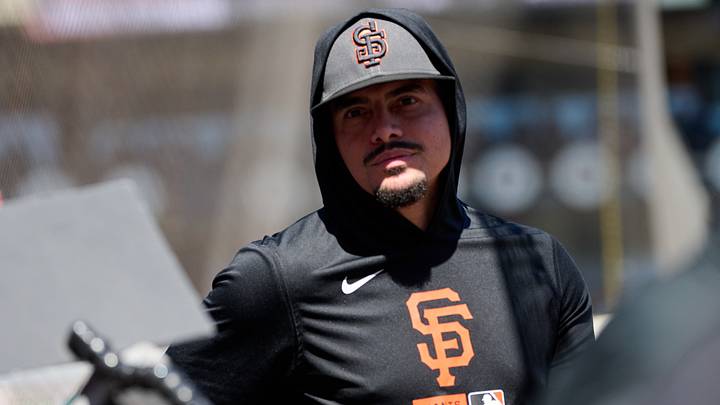
The San Francisco Giants should make recovering Willy Adames’ plate discipline a central part of their 2027 offensive plan.
The Giants received a .230/.289/.424 line with 21 home runs from their shortstop in 121 games. A year earlier, he hit .225/.318/.421 with 30 homers in 160 games.
His batting average and slugging percentage increased slightly, but his on-base percentage fell 29 points. That combination directed attention toward an important difference between the two campaigns.
San Francisco could pursue outside help this winter and still need more from Adames. His walk total showed one area where improvement could strengthen the lineup without requiring another acquisition.
The Decline Went Beyond Playing Fewer Games

Adames walked 37 times in 505 plate appearances in 2026, compared with 80 walks across 686 plate appearances in 2025.
His walk rate fell from 11.7% to 7.3%. The reduced total therefore reflected more than the time he missed. He also drew walks less frequently when he played.
The Baseball Savant data identified a related change in his decisions. His chase rate increased from 26.8% to 31.6%, while his swing rate at pitches inside the strike zone fell from 67.8% to 65.9%.
That meant he swung more often at pitches outside the zone and less often at pitches inside it. The figures did not establish a single mechanical cause, but they supplied a useful place for the coaching staff to begin.
The Giants should examine which pitch types and locations produced those decisions. A general instruction to be patient would leave too much unresolved. Adames needs an approach that preserves aggression against pitches he can drive while helping him abandon swings that put him behind.
Set a More Useful Standard for His Rebound

San Francisco should judge progress through his decisions as well as the resulting hits.
A hitter could chase a difficult pitch and still collect a single. He also could take a close pitch correctly and receive an unfavorable call. Reviewing those decisions over time would help coaches determine whether his approach actually changed.
The Giants’ projected infield priorities continued to include Adames at shortstop. Giving him a clearer offensive plan would support that commitment while preserving accountability for his performance.
His 2025 campaign also provided a recent reference for a more productive walk rate. The goal should be to understand what supported that approach and which elements he could recover.
Better decisions would give Adames more ways to contribute when his power went quiet. San Francisco should make that work a priority rather than treating a rebound as something that would happen automatically with another year in the lineup.
 Add us as a preferred source on Google
