%20%20--%3E%0A%3Csvg%20version%3D%221.1%22%20id%3D%22Layer_1%22%20xmlns%3D%22http%3A%2F%2Fwww.w3.org%2F2000%2Fsvg%22%20xmlns%3Axlink%3D%22http%3A%2F%2Fwww.w3.org%2F1999%2Fxlink%22%20x%3D%220px%22%20y%3D%220px%22%0A%09%20width%3D%2239px%22%20height%3D%2240px%22%20viewBox%3D%220%200%2039%2040%22%20enable-background%3D%22new%200%200%2039%2040%22%20xml%3Aspace%3D%22preserve%22%3E%0A%3Cpath%20fill%3D%22%23FFFFFF%22%20d%3D%22M38.5%2C7H28.2v26h10.3V7z%22%2F%3E%0A%3Cpath%20fill-rule%3D%22evenodd%22%20clip-rule%3D%22evenodd%22%20fill%3D%22%23FFFFFF%22%20d%3D%22M26.1%2C25.5c0%2C5.8-4.1%2C7.5-12.9%2C7.5C3.9%2C33%2C0%2C31.2%2C0%2C25.2v-1.1h11.6%0A%09v2.4c0%2C0.7%2C0.1%2C1.4%2C1.2%2C1.4c1%2C0%2C1.2-0.4%2C1.2-1.3v-0.9c0-1.6-0.9-1.6-3.5-2.2C2.2%2C21.7%2C0%2C19.7%2C0%2C15.3v-0.9C0%2C9.3%2C5.5%2C7%2C12.9%2C7%0A%09c10.2%2C0%2C12.8%2C2.6%2C12.8%2C7.4v1.8h-11v-2.9c0-0.6-0.4-1.1-1.2-1.1c-0.6%2C0-1.2%2C0.4-1.2%2C1.1v0.9c0%2C1.5%2C0.9%2C2%2C3.3%2C2.5%0A%09c8%2C1.6%2C10.5%2C3.3%2C10.5%2C7.5V25.5z%22%2F%3E%0A%3C%2Fsvg%3E%0A)
The 10 Most Devastating Regular Season Collapses in MLB History
In this story:
The final month of the MLB season has arrived, meaning it’s officially crunch time for teams looking to cement their place in the postseason. September can make or break teams. A spell of poor results can turn what was initially viewed as a successful campaign into a massive failure.
We’re going to look back at some of the most brutal final-month collapses in MLB history, highlighting some teams that lost their momentum at the worst possible time and ended up missing the postseason as a result.
10. 2010 Padres
The Padres had the NL West lead for practically the entire 2010 season, but when it came time to lock up the division in September, they faltered in just about the worst way. Approaching the end of August, San Diego had a 6 1/2 game lead over the second-place Giants, then lost six in a row to end August as well as the first four games of September. That 10-game losing skid started a 14–23 stretch to end the season. The Padres ended up at 90–72, two games back in the NL West behind the eventual World Series champions in San Francisco and out of the postseason.
9. 1969 Cubs
The Cubs were the top dog in the newly formed National League East division from mid-April through the start of September, holding the division lead for over 150 days. Chicago endured a shaky August that saw their lead shrink from nine games to 4 1/2 over the Mets. They then lost eight of their first nine games in September, ceding the top spot to New York.
Chicago’s collapse of ‘69 can best be remembered by the infamous black cat incident. During a Sept. 9 game against the Mets, a stray cat got onto the field at Shea Stadium and stared directly into the visiting dugout, which many interpreted as a troublesome omen for the struggling Cubs. That game was the last time Chicago was atop the division. After the black cat incident, the Cubs went 8–13 the rest of the way, ultimately losing the division by eight games.

8. 1938 Pirates
Pittsburgh entered September with a seven-game lead over the Cubs after catching fire in June and July. The wheels would eventually fall off, though, as the Pirates logged a 12–16–1 record in September while Chicago gained steam. Pittsburgh still held a 3 1/2 game lead on Sept. 23 with just 10 games left to play, but went 3–7 during that stretch, including getting swept by the Cubs in their penultimate series of the season.
During one game in that series, on Sept. 28, the Pirates were walked off by Cubs player-manager Gabby Hartnett, who hit a home run that was coined the “Homer in the Gloamin.” The Pirates won just one more game after that, and lost the division by two games in the oldest collapse on this list.
7. 2009 Tigers
The Tigers were hot at the start of September, winning their first six games and taking a seven-game lead over the Twins in the AL Central. But they only went 11–15 the rest of the way, splitting a four-game series with Minnesota at the end of the month, which included a loss in extra innings that ultimately helped seal their fate. Detroit ended the season tied with the Twins atop the division, which forced a 163rd game to settle the tiebreaker. The Tigers lost the tiebreaker in excruciating fashion via a walk-off single from Alexi Casilla in the 12th inning that ended their season.
6. 2011 Braves
The 2011 Braves were comfortably atop the NL wild card race at 81–55 heading into September with an 8 1/2 game lead over the Cardinals. But Atlanta limped to a 9–18 finish to cough up the lone wild-card berth. In what was their most crucial series of the season, a three-game set on the road in St. Louis, Atlanta came away with nothing. In the final game of the regular season, the Braves were stunned in a 13-inning heartbreaker by the Phillies––part of a five-game losing streak that enabled the Cardinals to edge out the Braves by the narrowest of margins.

5. 1995 Angels
Toward the end of August, the Angels were 8 1/2 games clear of the Mariners in the AL West, but they got cold at the worst possible time. The team then known as the California Angels endured a pair of nine-game losing streaks from Aug. 25 to Sept. 3 and Sept. 13–23, the latter of which enabled Seattle to leapfrog them in the division. A late five-game winning streak gave them a shot to redeem themselves in a one-game tiebreaker, but the Halos lost to the Mariners, 9–1, to end the season with a resounding thud.
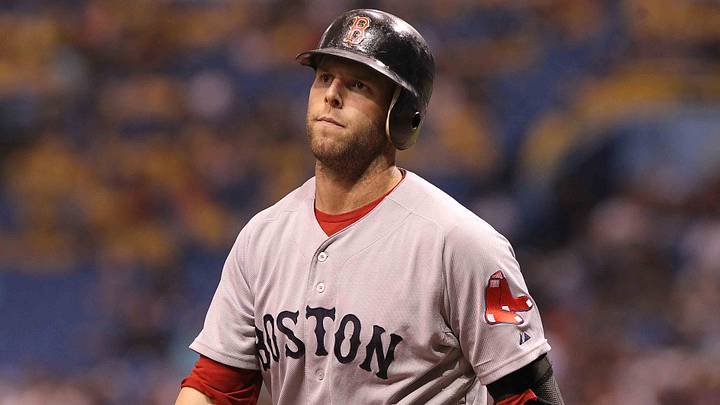
4. 2011 Red Sox
The Red Sox entered September not just in playoff position, but as the American League's No. 1 seed at 83–52. They held a 1 1/2 game lead in the AL East over the Yankees and were nine games ahead of the top wild card team. They labored to a 7–20 record in September, however, and ended the season seven games back of New York and one game behind the Rays for the lone wild-card spot. How they ended up there on the final day of the regular season couldn’t have been scripted more dramatically.
Boston held a 3–2 lead over the Orioles and would’ve sealed a spot in the postseason with a win, but lost on a walk-off single. The Rays, meanwhile, mounted a miraculous seven-run comeback against the Yankees to win, 8–7, in extra innings, completing the Sox’ epic downfall. Combined with Atlanta’s aforementioned collapse that came in at No. 6 on this list, it made for one of the most memorable regular season conclusions in MLB history.
3. 1964 Phillies
A collapse so bad it generated its own nickname. Philadelphia’s struggles in September of the 1964 season has been coined “The Phold,” and for good reason. On Sept. 20, the Phillies were 90–60 with a 6 1/2-game cushion before a catastrophic 10-game losing streak saw them crash out of the top spot with two games left to play in the regular season. In ‘64, there weren’t divisions, so the winners of the American League and National League went straight to the World Series. The Phillies looked on track to make it before their historic fumble, but instead live on in infamy.
2. 1951 Dodgers
The Brooklyn Dodgers were up as many as 13 games over the New York Giants in the National League in mid-August. It appeared they had the NL locked up, so much so that manager Chuck Dressen infamously declared that, “The Giants is dead!” That was not the case.
Brooklyn went ice cold toward the end of August while the Giants won 17 of 19 to enter September red-hot. The Dodgers still had a seven-game lead over New York to start September, but they split their final 30 games as the Giants continued to set the world on fire. New York ended the regular season on a 37–7 run that left them in a tie with Brooklyn, forcing a three-game tiebreaker to determine the National League champions.
The Dodgers lost the first game, 3–1, before dominating in the second game, 10–0. That set up a decisive third game that would be remembered for generations. Brooklyn had a 4–1 lead heading into the bottom of the ninth inning before Giants outfielder Bobby Thomson hit a historic three-run, walk-off shot to give New York the lead and the National League pennant, a home run that went on to be known as “The Shot Heard ‘Round the World.”

1. 2007 Mets
In mid-September, the Mets were the best team in the National League and had a seven-game lead in the NL East over the Phillies. With an easy schedule looming, including multiple series against two of the league’s worst teams (seven games against the Marlins and six against the Nationals), it didn’t seem like it’d be a difficult task for New York to stay afloat. They went on to suffer what we’re deeming the most stunning regular season collapse in MLB history.
The Mets were swept in a brutal three-game series by the Phillies, narrowing the gap between the two sides. They then lost two of three against the Nationals but bounced back by winning three of four against the Marlins. After that, they cratered entirely. They were swept in their next three-game series against Washington before dropping a make-up game against the Cardinals and finishing the campaign by losing two of three against Florida. Their 5–12 record in the final 17 games of the season lost them the division lead and even put them behind both the Rockies and Padres in the wild-card race, keeping them out of the postseason in painstaking fashion that had Mets fans wondering what they’d done to deserve such a fate.
 Add us as a preferred source on Google
Karl Rasmussen is a staff writer for Sports Illustrated. A University of Oregon alum who joined SI in February 2023, his work has appeared on 12up and ClutchPoints. Rasmussen is a loyal Tottenham, Jets, Yankees and Ducks fan.
Follow Karlras920