
Pelicans’ Recent Poor Decisions Are Fueling Dire State of Current Roster
In this story:
The New Orleans Pelicans have spent plenty of money, traded valuable draft picks, and reshuffled their roster without getting much closer to winning. But some of the franchise's most damaging decisions may be the ones it never made.
There's a strange contradiction in how New Orleans operates. The front office has been willing to gamble on questionable investments while hesitating to address problems that have been obvious for months, sometimes years. It's been aggressive when caution might have served it better and patient when the situation called for action.
Joe Dumars inherited a mess from David Griffin. But after two full offseasons and a regular season, the Pelicans are still trying to figure out what kind of team they want to be.
Plenty of Moves, Not Much Progress
Take the trade that brought Derik Queen to New Orleans. The Pelicans gave Atlanta the No. 23 pick and an unprotected 2026 first-rounder to move up to No. 13 in the 2025 NBA Draft.
Queen continues to show promise. But giving up an unprotected future first-round pick was an enormous gamble for a team coming off a 21-win season. No matter what Queen does or who Atlanta took, the opportunity to select a player in a deep draft was worth more. Instead, Dumars bet that the Pelicans were much closer to turning things around than their record suggested.
The Jordan Poole trade came with similar questions. New Orleans sent CJ McCollum and Kelly Olynyk to Washington in a deal that brought back Poole and Saddiq Bey, among other assets. Poole could score, but his defensive shortcomings and inconsistent play were well established. The Pelicans added another expensive guard without solving the problems already holding them back.
The smaller moves haven't been much more convincing.
New Orleans picked up Jordan Hawkins' fourth-year rookie-scale option despite his struggles to become a dependable rotation player. It was another guaranteed year for a former lottery pick who hadn't shown enough to earn that confidence.
By the time the Pelicans signed Kevon Looney, several other potential free-agent centers were already gone. Looney contributed little, and the later addition of DeAndre Jordan raised another question about the front office's priorities.
Jordan was supposed to bring experience and leadership. However, he was tasked with preserving a culture that hadn't yet been established.
The Pelicans have approached free agency like shoppers who show up after the best merchandise has already been taken off the shelves. They wait for the market to settle, then try to make something out of what's left.
Financial limitations are real, but they make preparation and creativity even more important. A good front office finds ways to get deals done and understands when it's time to change course.
Dumars has been willing to make moves. Whether those moves have brought the Pelicans closer to building a good basketball team is something else.
The Decisions That Couldn't Wait
Dejounte Murray is the clearest example of what happens when the front office waits too long.
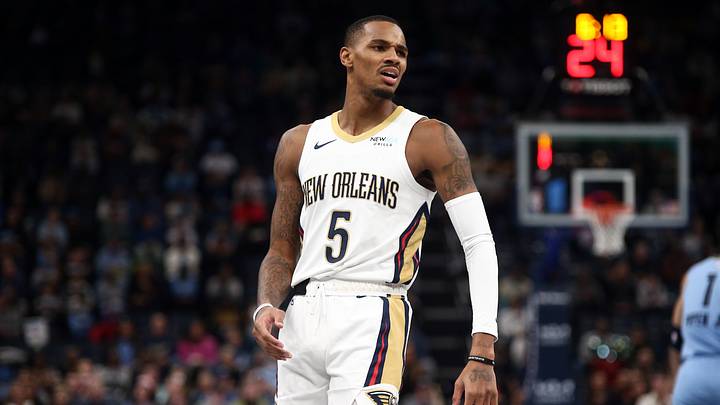
According to Yahoo Sports, Murray was unhappy in New Orleans last season, and the decision to draft Jeremiah Fears only made things worse. Still, the Pelicans brought Murray back, even though they had invested a high draft pick in a young point guard who needed the ball in his hands to develop.
Now Murray wants out, and rival executives reportedly believe New Orleans may have to attach as much as a first-round pick to move his contract. His Achilles injury complicated the market, but executives are paid to find trade partners and work through tough situations before they become untenable.
The Pelicans had an entire offseason to figure out what to do with Murray. Instead, they entered the season with an unhappy veteran and a young guard whose best basketball is played when Murray isn't on the floor.
And Murray isn't the only player the Pelicans have held on to while the team's outlook continued to deteriorate.
Zion Williamson remains an exceptional talent, but his injury history and skill set have made it increasingly difficult to build around him. Trey Murphy III and Herb Jones have both attracted interest, yet New Orleans has continued to hold on to them as the losses pile up.
There was a time when the Pelicans could reasonably believe this group might grow into something special. After years of disappointment, that belief is more questionable than ever.
What could New Orleans have received for those players a year ago? What could it get today? And how much longer can the franchise afford to wait before choosing a direction?
The handling of Willie Green might be the most inexcusable example of all. Dumars kept Green after a 21-win season, then fired him just twelve games into the new campaign following a 2-10 start. What did those twelve games tell Dumars that the previous 328 of Green's tenure hadn't?
The offseason offered an opportunity to start fresh. Instead, the Pelicans waited until another offseason was already going badly to make a change that could have happened months earlier.
Griffin deserves plenty of criticism for building a roster that never delivered on its promise. But Dumars was hired to make things better, and the decisions made since his arrival deserve the same scrutiny.
The Pelicans have been willing to surrender draft picks for Queen, gamble on Poole, and commit money to players such as Hawkins, Looney, and Jordan. Yet they've been far less decisive when it comes to the biggest questions surrounding their roster and leadership.
They keep investing in the players and ideas they already have while opportunities to take a different direction pass right on by.
The Pelicans have spent years waiting for the right moment to turn things around.
Maybe the bigger problem is how many of those moments they've already let slip away.
 Add us as a preferred source on Google
