
LaMelo Ball Got a Wake-Up Call He Needed in Timberwolves' Loss
In this story:
The Minnesota Timberwolves nearly came all the way back from a 19-point deficit against the New York Knicks on Thursday night, but they ultimately fell short in a 102-99 loss at Target Center.
The fourth quarter showed what Minnesota's defense is capable of doing against a team of New York's caliber. It also showed something the Wolves will need to clean up offensively, and LaMelo Ball was at the center of it.
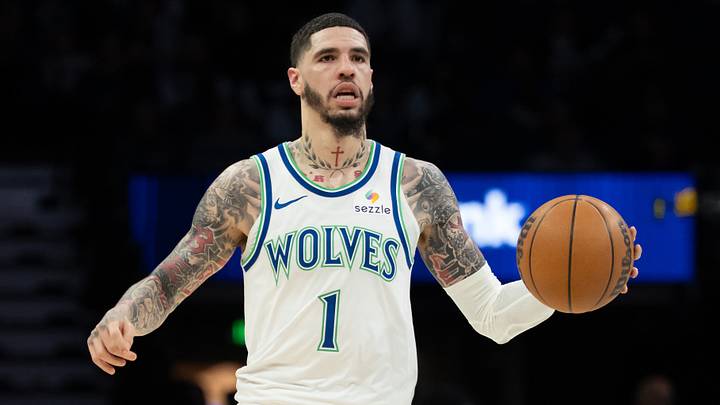
Ball finished with 15 points on 6-of-21 shooting and missed seven of his eight three-point attempts. The numbers alone don't tell the whole story, though. The bigger issue was how Minnesota's offense looked when the game tightened up and the Knicks stopped giving the Wolves easy opportunities.
Chris Finch didn't mince words after the game.
"We were wild, just way too wild," Finch said. "I thought turnovers were sloppy and unnecessary. I felt that there was too much kind of hero ball down the stretch. We don't need that."
That comment applies to more than one player, but Finch specifically pointed toward Ball when asked about the point guard's performance.
"It starts with LaMelo," Finch said. "He's got to get back to playmaking a little bit more than trying to score in all those situations."
That is the part of Thursday's loss that should stick with him.
LaMelo Ball still working on being what Timberwolves need in biggest moments
This wasn't just a night where his shots weren't falling for him. Ball has had poor shooting nights before and Minnesota has still found ways to win. The problem against New York was that the Wolves needed their point guard to control the game as the Knicks' lead disappeared, and some of his decisions down the stretch worked against what Minnesota was trying to accomplish.
Ball's job in those moments isn't necessarily to always take over the game as a scorer. It is to create an advantage and break down the defense, force them to react and make the next pass when the help comes.
Finch pointed to the team's best closing stretches this season as an example.
"When we've had some of our best closing moments this season, it's been him certainly creating advantage situations and being able to get into the paint and make the right situation," Finch said.
The Wolves did get some tough breaks against them late. The most obvious example came with 1:36 remaining. Ball missed a shot, and Rudy Gobert grabbed the offensive rebound and kicked the ball out to Ayo Dosunmu. He knocked down what appeared to be a game-tying three, only for the officials to stop the play and review whether Ball's shot had hit the rim. The replay showed that it had, which everyone on the court knew live.
The whistle, however, had already stopped the action, so Dosunmu's game-tying three did not count. Minnesota retained possession but couldn't turn the opportunity into points, and the Wolves eventually went scoreless for the rest of the game.
That call will understandably dominate some of the conversation surrounding the loss, but it shouldn't completely obscure what happened before and after it. Minnesota had opportunities to win this game.
Ball had another one of them with 9.9 seconds remaining. He got the ball with the Wolves down three and tried to tie the game, but his shot came up short. New York secured the loose ball and closed out the victory.
However, Ball didn't run from the criticism afterward, either. When asked whether he was satisfied with the shots he took down the stretch, Ball acknowledged that there were better options available.
"I feel like every shot is good, but there's always better ones, and there's always better stuff you can do," Ball said.
The Wolves don't need Ball to stop being aggressive. In fact, they need him to keep being aggressive because of what he can do when he gets downhill and is getting his team open looks. Minnesota simply needs him to be more productive.
The Knicks gave a different kind of challenge than many of the teams the Wolves have handled during their strong start to the season. New York was able to make the game uncomfortable, take away easy looks and force Minnesota to execute in the half court with the margin for error shrinking by the possession.
That is where Ball's role becomes even more important.
He is not being asked to become a different player. He is being asked to recognize when the game requires something different from him.
There were stretches Thursday when Minnesota looked capable of completing a comeback that once seemed unrealistic. The Wolves defended, generated second chances and kept getting closer. But against a team like New York, getting close isn't enough. The final possessions have to be organized, and the player running the offense has to make the defense pay for whatever it gives him.
Ball's struggles became more costly in that setting. That doesn't make Thursday's loss a referendum on his season or trading for him, nor does it erase everything he has done well for Minnesota. It does give him a useful film session and things he can learn.
The Wolves are going to play more tight games like this, they just won one like it against Portland on Tuesday. They are going to face teams that can really push them to their limit, take away their first options and turn the final five minutes into a possession-by-possession game.
When those games arrive, Minnesota needs LaMelo Ball to be the player who creates the advantage, rather than the player who feels like he has to create the entire offense himself.
Thursday night was a reminder of how much the difference can matter.
Get Timberwolves On SI straight to your inbox: sign up for our free newsletter here.
 Add us as a preferred source on Google
