%20%20--%3E%0A%3Csvg%20version%3D%221.1%22%20id%3D%22Layer_1%22%20xmlns%3D%22http%3A%2F%2Fwww.w3.org%2F2000%2Fsvg%22%20xmlns%3Axlink%3D%22http%3A%2F%2Fwww.w3.org%2F1999%2Fxlink%22%20x%3D%220px%22%20y%3D%220px%22%0A%09%20width%3D%2239px%22%20height%3D%2240px%22%20viewBox%3D%220%200%2039%2040%22%20enable-background%3D%22new%200%200%2039%2040%22%20xml%3Aspace%3D%22preserve%22%3E%0A%3Cpath%20fill%3D%22%23FFFFFF%22%20d%3D%22M38.5%2C7H28.2v26h10.3V7z%22%2F%3E%0A%3Cpath%20fill-rule%3D%22evenodd%22%20clip-rule%3D%22evenodd%22%20fill%3D%22%23FFFFFF%22%20d%3D%22M26.1%2C25.5c0%2C5.8-4.1%2C7.5-12.9%2C7.5C3.9%2C33%2C0%2C31.2%2C0%2C25.2v-1.1h11.6%0A%09v2.4c0%2C0.7%2C0.1%2C1.4%2C1.2%2C1.4c1%2C0%2C1.2-0.4%2C1.2-1.3v-0.9c0-1.6-0.9-1.6-3.5-2.2C2.2%2C21.7%2C0%2C19.7%2C0%2C15.3v-0.9C0%2C9.3%2C5.5%2C7%2C12.9%2C7%0A%09c10.2%2C0%2C12.8%2C2.6%2C12.8%2C7.4v1.8h-11v-2.9c0-0.6-0.4-1.1-1.2-1.1c-0.6%2C0-1.2%2C0.4-1.2%2C1.1v0.9c0%2C1.5%2C0.9%2C2%2C3.3%2C2.5%0A%09c8%2C1.6%2C10.5%2C3.3%2C10.5%2C7.5V25.5z%22%2F%3E%0A%3C%2Fsvg%3E%0A)
SI:AM | The 76-Team NCAA Tournament Isn’t the End of the World, But It Still Stinks
Good morning, I’m Dan Gartland. Yesterday’s news is a great excuse to watch this classic video from The Onion about NCAA tournament expansion.
In today’s SI:AM:
😒 NCAA’s silly expansion decision
🔥 WNBA returns to Portland
🗽 Why Yankees are the AL’s best
If you’re reading this on SI.com, click here to subscribe and receive SI:AM directly in your inbox each morning.
No one asked for this
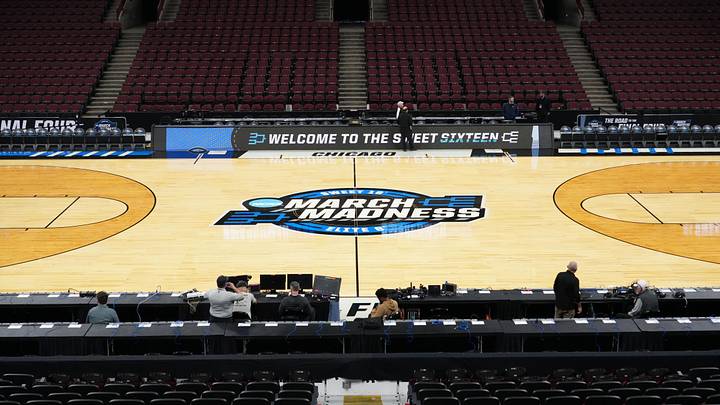
The worst-kept secret in college sports became a done deal on Thursday when the NCAA Division I men's and women's basketball committees voted to approve expanding both March Madness tournaments to 76 teams.
The committee members appear to be the only people alive who think this is a good and necessary change. The format of the men’s tournament had been essentially unchanged since it first expanded to 64 teams in 1985, with the addition of one play-in game in 2001 and the creation of three more 10 years later serving as only modest alterations to the unimpeachable 64-team structure.
Further deviation from that familiar format is annoying, but not disastrous. At its core, March Madness will still look mostly the same. The NCAA isn’t creating an entirely new bracket with No. 18 seeds or anything like that. The added teams will face off in play-in games, just like with the First Four, but the play-in phase will now be a 12-game bonanza featuring nearly one-third of the tournament field. Come Thursday of tournament week, the field will still be 64 teams seeded in four regions of 16 each.
The added teams will be the 12 lowest-seeded automatic qualifiers and the 12 lowest-seeded at-large bids. In the simplest terms, that means the NCAA is adding eight at-large teams and making room in the bracket for them by forcing champions from small conferences to play each other before they earn the right to face the big boys in the field of 64.
That’s perhaps the most frustrating aspect of the expansion. It seems destined to be a Cinderella killer. Teams that would have been seeded as high as 14th in the traditional bracket will now be forced to win a play-in game before getting to the real tournament. That means less rest, more travel and less preparation time before their upset bid.
Casual fans might not think much about the changes when the tournament tips off in its traditional Thursday afternoon timeslot, but they will certainly notice the secondary impacts like the reduced number of upsets and the increased number of mediocre high-major teams in the field. Mostly, they’ll probably complain about how confusing it is to fill out a bracket after the teams are selected on Sunday and before the play-in round concludes on Wednesday night.
The NCAA didn’t fully ruin the tournament with this expansion, but it certainly made it worse. The only beneficiaries will be teams in the bottom half of power conferences that previously were left out of the tournament. Remember how exhausting the discussion was this year about whether the Auburn men deserved an at-large bid with a record of 17–16? Now we’re going to have arguments like that every year about teams that possibly have even worse résumés.
The most positive spin you can put on this is that Americans should at least be used to people with money and influence making elements of their life incrementally worse. Having to pay to pick your seat on an airplane and Chipotle skimping on the amount of chicken in your burrito didn’t make you swear off air travel or fast-casual dining forever, but it definitely made you less enthusiastic about them. The 76-team March Madness is no different. The NCAA found a way to extract a bit of extra money at the expense of its consumers in a way that annoyed them but didn’t turn them off completely.
The best of Sports Illustrated

- The Fire went out more than 20 years ago, but now it’s burning again in Portland. Emma Baccellieri chronicles the return of one of the WNBA’s original franchises for the league’s 30th season.
- After a whirlwind offseason, which ended with a new collective bargaining agreement and a condensed free agency period, Clare Brennan and Dan Falkenheim provide everything to know about each WNBA team before the season kicks off today.
- The Yankees are only one of four American League teams with a winning record. Stephanie Apstein explains why the franchise is the league's overwhelming favorite.
- The Rams and 49ers are following the Seahawks’ blueprint in the hopes of winning a Super Bowl. Gilberto Manzano grades their offseason moves, along with the rest of the NFC West.
- Pat Forde criticizes the NCAA’s decision to expand March Madness as a greedy mistake.
- Bryson DeChambeau and others kicked off LIV Golf Virginia with music blaring, writes Bob Harig, but the happy scene on the ground wasn’t enough to mask the uncertainty ahead.
The top five…
… things I saw last night:
5. Jalen Chatfield’s shorthanded goal to give the Hurricanes the lead over the Flyers. Carolina is undefeated (7–0) in this year’s playoffs after a 4–1 win in Philadelphia.
4. Carolina defenseman Jaccob Slavin’s quick reaction to save a goal.
3. Cade Cunningham’s step-back dagger late in the Pistons’ win over the Cavs.
2. Xander Bogaerts’s very strange RBI single. He checked his swing but still made contact and the ball traveled 264 feet to right field.
1. Jakob Marsee’s leaping catch in deep center.
 Add us as a preferred source on Google
Dan Gartland writes Sports Illustrated’s flagship daily newsletter, SI:AM, and is the host of the “Stadium Wonders” video series. He joined the SI staff in 2014, having previously been published on Deadspin and Slate. Gartland, a graduate of Fordham University, is a former Sports Jeopardy! champion (Season 1, Episode 5).
Follow Dan_Gartland