%20%20--%3E%0A%3Csvg%20version%3D%221.1%22%20id%3D%22Layer_1%22%20xmlns%3D%22http%3A%2F%2Fwww.w3.org%2F2000%2Fsvg%22%20xmlns%3Axlink%3D%22http%3A%2F%2Fwww.w3.org%2F1999%2Fxlink%22%20x%3D%220px%22%20y%3D%220px%22%0A%09%20width%3D%2239px%22%20height%3D%2240px%22%20viewBox%3D%220%200%2039%2040%22%20enable-background%3D%22new%200%200%2039%2040%22%20xml%3Aspace%3D%22preserve%22%3E%0A%3Cpath%20fill%3D%22%23FFFFFF%22%20d%3D%22M38.5%2C7H28.2v26h10.3V7z%22%2F%3E%0A%3Cpath%20fill-rule%3D%22evenodd%22%20clip-rule%3D%22evenodd%22%20fill%3D%22%23FFFFFF%22%20d%3D%22M26.1%2C25.5c0%2C5.8-4.1%2C7.5-12.9%2C7.5C3.9%2C33%2C0%2C31.2%2C0%2C25.2v-1.1h11.6%0A%09v2.4c0%2C0.7%2C0.1%2C1.4%2C1.2%2C1.4c1%2C0%2C1.2-0.4%2C1.2-1.3v-0.9c0-1.6-0.9-1.6-3.5-2.2C2.2%2C21.7%2C0%2C19.7%2C0%2C15.3v-0.9C0%2C9.3%2C5.5%2C7%2C12.9%2C7%0A%09c10.2%2C0%2C12.8%2C2.6%2C12.8%2C7.4v1.8h-11v-2.9c0-0.6-0.4-1.1-1.2-1.1c-0.6%2C0-1.2%2C0.4-1.2%2C1.1v0.9c0%2C1.5%2C0.9%2C2%2C3.3%2C2.5%0A%09c8%2C1.6%2C10.5%2C3.3%2C10.5%2C7.5V25.5z%22%2F%3E%0A%3C%2Fsvg%3E%0A)
MLB’s 10 Most Improved Players
In this story:
This article is a part of Verducci’s View, a new weekly baseball newsletter from Sports Illustrated senior writer Tom Verducci. Every Monday, Tom empties out his notebook over email and covers MLB’s hottest topics, provides in-depth analysis through both text and video breakdowns, looks forward to what’s worth watching during the week and more. If you want to be featured in his new mailbag, please email newsletters@si.com with any questions about MLB or his decades in the sport.
Welcome to September. It is too late for flukes. The players who began as early season surprises and who have maintained an elite level into a sixth month are legit breakout stars. Here are the 10 most improved players in MLB—and how they did it.
1. Jacob Misiorowski, RHP, Brewers
Sure, we knew he could throw hard. But after an offseason dedicated to adding weight and strength in his lower half, Misiorowski has become a strike-throwing tower of strength and consistency who repeats his delivery. He cut his walk rate by almost half and boosted his first-pitch strike percentage from 57.9% to 66.4%. Oh, he also has the second biggest increase in whiff rate (+7.9%).
VERDUCCI: The Tao of the Miz
2. Pete Crow-Armstrong, OF, Cubs
He found untapped power with a new setup, leg kick, bat path and another 2.2 mph in bat speed. The hitter from two years ago who most resembled Brandon Nimmo now looks like Kyle Schwarber with speed: a pull-side, airball masher. PCA’s pull-side extra base hits by year starting in 2024: 15, 44, 53 (by far the most in baseball).
PHILLIPS: Pete Crow-Armstrong Is the MVP Baseball Needs

3. Dylan Cease, RHP, Blue Jays
Toronto pitching coach Pete Walker promised to “Robbie Ray” Cease—get him in the strike zone more with his wipeout stuff—and he delivered, perhaps even with another Cy Young Award for a Blue Jays addition. No starting pitcher lowered the slugging percentage against him more than Cease (-.135). A tweak in his delivery and a new changeup have helped Cease lead the league in hits per nine, homers per nine and strikeout rate.
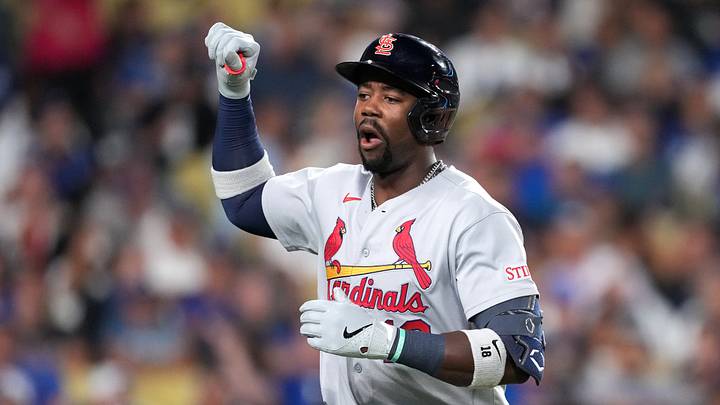
4. Jordan Walker, OF, Cardinals
A groundball machine last season, Walker visited Driveline last offseason and then needed a three-day tuneup from the St. Louis staff in spring training (while held out of games). Walker learned how to load on his back hip like Aaron Judge to stop the forward drift in his swing. The result: the biggest increase in slug by any hitter this season (+.193), as the groundball rate dropped from 47.5% to 41.6%, the ninth-biggest drop in MLB.
5. Miguel Vargas, 3B, White Sox
Vargas spent time last winter with underload/overload bat training to increase bat speed. It paid off. Vargas added 3.3 mph to his bat speed, the biggest jump in MLB along with Cam Smith of the Astros. He also changed his setup to be more upright with his bat flatter as a precursor to springing into his legs as he loads. Toss in a more stable base (no more back foot sliding out) and a career .204 hitter is posting an .848 OPS and leading the league in runs.

6. Luis Garcia Jr., 1B, Yankees
He became a different hitter this year. Entering this season, Garcia was a career .410 slugger. When the Nationals traded him to the Yankees at the deadline, he was leading the NL in slugging. Only Walker and Ty France have boosted their slugging more this year. How did he do it? He added almost 2 mph in bat speed while committing to hitting balls in the air to the pull side, something he never had done before. His exit velocity, pull percentage and air percentage are all career highs.
7. Jacob Latz, LHP, Rangers
Latz, who turned 30 in April, worked last winter with Dominick Johnson, a private pitching coach. They performed a deep biomechanical and analytical dive into how he might be better than he’d shown. Part of the result was a slightly shorter arm stroke in which he keeps his body between the hitter and the baseball. (Last year the hitter could see the baseball swing behind him on takeaway.) His fastball has elite induced vertical break and pairs exceptionally well with a killer changeup (.075 opponents’ batting average) and two breaking balls. A converted starter, Latz is the rare closer who is a master at sequencing.
8. Bryan Baker, RHP, Rays
Baker joined Tampa Bay July 10 last year in an otherwise unnoticed trade from Baltimore in which the Rays sent Baltimore the No. 37 pick in the draft. With hardly anyone noticing, the Rays got themselves a power-armed closer with swing and miss stuff and 3 ½ years of control. What did the Rays do with Baker? They encouraged him to lean into his changeup, a great pitch hiding in plain sight. As recently as 2024, Baker was throwing more sliders than changeups. Tampa Bay changed that. The slider is virtually gone. The changeup is a weapon he uses 45% of the time, up from 17% with the Orioles. The magic in Baker’s changeup is in the 11-mph separation in velocity from his fastball.

9. Otto Lopez, SS, Marlins
Entering this season no one would have guessed that Lopez, 27, would be the only MLB shortstop to hit .300 with 5.5 WAR. In more than 1,000 previous career plate appearances he was a below average hitter (OPS+ of 91) who already had been tossed aside by the Blue Jays (sold) and Giants (waived). But over the winter he overhauled his hitting approach. At setup he sinks more into his legs and holds the bat higher in a pre-set loaded position. At contact, he remains lower as he uses his legs more to generate power. A groundball hitter, his grounders are getting through infields with greater exit velocity. His batting average on groundballs has jumped from .230 to .313.
VERDUCCI: How Otto Lopez Radically Transformed Into MLB’s Best Pure Hitter
10. Cade Cavalli, RHP, Nationals
The universe of pitchers with 10 punchouts per nine innings and a sub 3.20 is tiny. Population: 8. Cavalli is one of them because ... well, because he’s healthy. Cavalli threw only 355 innings over his first six years in pro baseball. A natural supinator, he blew out his arm chasing velo and vert. Back to his natural hand/wrist position and a simpler delivery, Cavalli produces cut-ride on his heater and uncorks some of the nastiest breaking pitches in baseball. He has thrown 1,067 curves and sweepers and allowed six extra-base hits on them (one since June).
Honorable mentions: Andy Pages, CF, Dodgers; Ty France, 1B, Padres; Oneil Cruz, CF, Pirates; Michael Harris II, CF, Braves; Joey Ortiz, INF, Brewers; Jake Bauers, 1B, Brewers; Cal Quantrill, RHP, Rangers; Louis Varland, RHP, Blue Jays; Eduardo Rodriguez, LHP, D-Backs
 Add us as a preferred source on Google
Tom Verducci is a senior writer for Sports Illustrated who has covered Major League Baseball since 1981. He also serves as an analyst for FOX Sports and the MLB Network; is a New York Times best-selling author; and cohosts The Book of Joe podcast with Joe Maddon. A five-time Emmy Award winner across three categories (studio analyst, reporter, short form writing) and nominated in a fourth (game analyst), he is a three-time National Sportswriter of the Year winner, two-time National Magazine Award finalist, and a Penn State Distinguished Alumnus Award recipient. Verducci is a member of the National Sports Media Hall of Fame, Baseball Writers Association of America (including past New York chapter chairman) and a Baseball Hall of Fame voter since 1993. He also is the only writer to be a game analyst for World Series telecasts. He lives in New Jersey with his wife, with whom he has two children.