%20%20--%3E%0A%3Csvg%20version%3D%221.1%22%20id%3D%22Layer_1%22%20xmlns%3D%22http%3A%2F%2Fwww.w3.org%2F2000%2Fsvg%22%20xmlns%3Axlink%3D%22http%3A%2F%2Fwww.w3.org%2F1999%2Fxlink%22%20x%3D%220px%22%20y%3D%220px%22%0A%09%20width%3D%2239px%22%20height%3D%2240px%22%20viewBox%3D%220%200%2039%2040%22%20enable-background%3D%22new%200%200%2039%2040%22%20xml%3Aspace%3D%22preserve%22%3E%0A%3Cpath%20fill%3D%22%23FFFFFF%22%20d%3D%22M38.5%2C7H28.2v26h10.3V7z%22%2F%3E%0A%3Cpath%20fill-rule%3D%22evenodd%22%20clip-rule%3D%22evenodd%22%20fill%3D%22%23FFFFFF%22%20d%3D%22M26.1%2C25.5c0%2C5.8-4.1%2C7.5-12.9%2C7.5C3.9%2C33%2C0%2C31.2%2C0%2C25.2v-1.1h11.6%0A%09v2.4c0%2C0.7%2C0.1%2C1.4%2C1.2%2C1.4c1%2C0%2C1.2-0.4%2C1.2-1.3v-0.9c0-1.6-0.9-1.6-3.5-2.2C2.2%2C21.7%2C0%2C19.7%2C0%2C15.3v-0.9C0%2C9.3%2C5.5%2C7%2C12.9%2C7%0A%09c10.2%2C0%2C12.8%2C2.6%2C12.8%2C7.4v1.8h-11v-2.9c0-0.6-0.4-1.1-1.2-1.1c-0.6%2C0-1.2%2C0.4-1.2%2C1.1v0.9c0%2C1.5%2C0.9%2C2%2C3.3%2C2.5%0A%09c8%2C1.6%2C10.5%2C3.3%2C10.5%2C7.5V25.5z%22%2F%3E%0A%3C%2Fsvg%3E%0A)
How Steve Cohen and the Mets Made MLB History Again With Tarik Skubal
In this story:
Scott Boras, the agent for Tarik Skubal, was out of breath, having climbed a 22-degree grade on his usual Sunday walk along the Pacific Ocean near his Orange County, Calif., home. His phone had been off, owing to the steepness preventing a walk-and-talk. With the device back on, he saw Mets owner Steve Cohen was calling. He picked up, still gulping for air.
“What are you doing?” asked a concerned Cohen.
It didn’t take long for Boras to catch his breath and lock down with Cohen a nine-year, $450 million contract for Skubal, the largest by far ever given to a pitcher only. After a series of phone calls with other teams and with Skubal and his wife, Jessica, Boras was nearly home looking at the Pacific and Catalina Island from a bluff when he signed off on the deal with Cohen.
Boras and Cohen reprised their record collaboration from two years ago on the contract for Juan Soto, the highest paid player in MLB history at $765 million over 15 years. The Mets have two players under contract for $1.2 billion, which was the entire MLB payroll in 1998. Soto, 28, will be paid through age 40. Skubal, 30, will be paid through age 38.
The deal comes eight days before the end of the league’s collective bargaining agreement and the start of an expected lockout initiated by the owners as they seek a cap-and-floor salary system. The players association has characterized such a system as a non-starter. Such is the disconnect that both sides can look at the Skubal contract as more proof that their position is right.
Boras likes to say that baseball, because of rising franchise valuations, has become an “asset class” investment for billionaires, pointing out how teams such as Baltimore, San Diego, Tampa Bay and Boston are owned by billionaires and how the Yankees recently took on a partnership with Apollo Global Management.
“All teams could have signed Skubal,” Boras says. “They chose not to.”
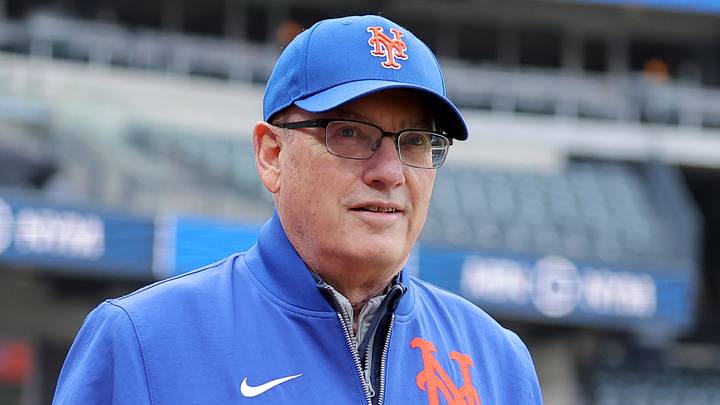
There is no denying Cohen’s influence on the game. In trying to build the Mets’ first championship team since 1986, he has signed Soto away from the Yankees and Skubal away from the Dodgers, writing off the expensive mid- and late-30s decline phases of their careers as the cost of acquisition. He goes where even the Yankees and Dodgers don’t: offering record average annual values and length of contract.
The Mets have missed the playoffs eight times in the past 10 years, including an 88-loss season this year in which they were not relevant before school was out for the summer and suffered a 15% drop in attendance. And yet Cohen convinced Skubal to leave the annual pennant contender that is the Dodgers.
RASMUSSEN: Mets Have No Excuses Left After Landing Tarik Skubal
According to Boras, the Dodgers’ baseball operations department was all in on valuing Skubal at nine years, but ownership was not proceeding at a pace to get a deal done. The Mets swooped in with a more aggressive posture, a commitment made stronger once they sat down with Skubal, Boras says. Cohen, president of baseball ops David Stearns, manager Andy Green and pitching coach Justin Willard were impressed with Skubal’s knowledge of the players in the Mets system and how he could make them better.
For instance, Skubal was enthusiastic about working with Nolan McLean, the talented Mets righthander with elite skills for shaping and spinning pitches. He emphasized how McLean can control count leverage more by filling the zone with first-pitch strikes. McLean threw only 59.5% first-pitch strikes last season, below the MLB average of 61.3%. Skubal threw 68.9% first-pitch strikes, more than any pitcher except Trevor Rogers.
“We don’t often agree on your valuations,” Boras says an impressed Stearns told him after the meeting, “but on this we can agree.”
Skubal, Boras says, was encouraged by the young core of the Mets, especially the outfield of Soto, who plays next year at 28, Carson Benge, 24, and A.J. Ewing, 22, and pitchers McLean, 25, Christian Scott, 28, and Zac Thornton, 25.
“This is good for baseball, it really is,” Boras says. “It’s something about when you have a generational pitcher and a generational player playing together. It’s the element of having two Hall of Fame talents playing together in their prime.”
Skubal can be proud of a fascinating rise to such historic status. As a high school kid from Kingman, Ariz., he was throwing 84–86 mph. A prime showcase in front of scouts went poorly because the night before he played center on his high school football team. He had one college offer: Seattle University.
As a junior, he underwent Tommy John surgery, which dropped him from a first- or second-round pick in 2019 to the ninth round—to Detroit after teams picked 255 other players. A second surgery, flexor tendon surgery, followed in ’22. This year he recovered quickly from having loose bodies removed from his elbow.
Skubal told me two years ago, “I was from a small town. There's not a ton of exposure there. So yeah, it's not like I have a chip on my shoulder, but … I went to a smaller school. And then the draft, probably some health questions at that time … It's a cool story for sure, so it's something I'll cherish the rest of my life.”
He is the epitome of the modern pitcher, built to throw fewer innings (he has thrown 162 innings to qualify for league leaderboards only twice) with fewer pitches (he has thrown more than 105 pitches only three times) and with more days of rest to maximize dominance. He is an F1 race car, not an off-road SUV. There is no one in baseball quite like him: a lefthander who can throw 100 mph with the best swing-and-miss changeup in the game, elite command and a fierce competitive streak as someone who never forgets his humble start. With pure stuff, savvy and intellect, he can influence Mets pitchers the way Greg Maddux did with the Cubs, drawing the best from them.
Before Sunday, no team had committed more money to a pitcher than the $325 million the Dodgers gave Yoshinobu Yamamoto. Skubal blew that away by 38%. Before Sunday, no team had given a pitcher a contract for more than three years with an AAV greater than the $37 million the Rangers gave Jacob deGrom over five years. Skubal blew that salary away by 35%.
But Skubal is that good and this free agent class that weak that the money is not that huge of a surprise. Before this weekend, using Gerrit Cole’s 2019 contract with the Yankees as a guide and factoring inflation, I put Skubal’s value at nine years and $423.9 million. I missed the Cohen Effect: with another $26.1 million, you push the AAV to a beautifully rounded $50 million and, like a piece of art at auction, you make sure you get what you want.
 Add us as a preferred source on Google

Tom Verducci is a senior writer for Sports Illustrated who has covered Major League Baseball since 1981. He also serves as an analyst for FOX Sports and the MLB Network; is a New York Times best-selling author; and cohosts The Book of Joe podcast with Joe Maddon. A five-time Emmy Award winner across three categories (studio analyst, reporter, short form writing) and nominated in a fourth (game analyst), he is a three-time National Sportswriter of the Year winner, two-time National Magazine Award finalist, and a Penn State Distinguished Alumnus Award recipient. Verducci is a member of the National Sports Media Hall of Fame, Baseball Writers Association of America (including past New York chapter chairman) and a Baseball Hall of Fame voter since 1993. He also is the only writer to be a game analyst for World Series telecasts. He lives in New Jersey with his wife, with whom he has two children.