%20%20--%3E%0A%3Csvg%20version%3D%221.1%22%20id%3D%22Layer_1%22%20xmlns%3D%22http%3A%2F%2Fwww.w3.org%2F2000%2Fsvg%22%20xmlns%3Axlink%3D%22http%3A%2F%2Fwww.w3.org%2F1999%2Fxlink%22%20x%3D%220px%22%20y%3D%220px%22%0A%09%20width%3D%2239px%22%20height%3D%2240px%22%20viewBox%3D%220%200%2039%2040%22%20enable-background%3D%22new%200%200%2039%2040%22%20xml%3Aspace%3D%22preserve%22%3E%0A%3Cpath%20fill%3D%22%23FFFFFF%22%20d%3D%22M38.5%2C7H28.2v26h10.3V7z%22%2F%3E%0A%3Cpath%20fill-rule%3D%22evenodd%22%20clip-rule%3D%22evenodd%22%20fill%3D%22%23FFFFFF%22%20d%3D%22M26.1%2C25.5c0%2C5.8-4.1%2C7.5-12.9%2C7.5C3.9%2C33%2C0%2C31.2%2C0%2C25.2v-1.1h11.6%0A%09v2.4c0%2C0.7%2C0.1%2C1.4%2C1.2%2C1.4c1%2C0%2C1.2-0.4%2C1.2-1.3v-0.9c0-1.6-0.9-1.6-3.5-2.2C2.2%2C21.7%2C0%2C19.7%2C0%2C15.3v-0.9C0%2C9.3%2C5.5%2C7%2C12.9%2C7%0A%09c10.2%2C0%2C12.8%2C2.6%2C12.8%2C7.4v1.8h-11v-2.9c0-0.6-0.4-1.1-1.2-1.1c-0.6%2C0-1.2%2C0.4-1.2%2C1.1v0.9c0%2C1.5%2C0.9%2C2%2C3.3%2C2.5%0A%09c8%2C1.6%2C10.5%2C3.3%2C10.5%2C7.5V25.5z%22%2F%3E%0A%3C%2Fsvg%3E%0A)
How We Test and Rate Prediction Markets

At Sports Illustrated, we test prediction market platforms the way real traders use them: Opening an account, depositing funds, trading event contracts, waiting for settlement, and withdrawing winnings. Our reviews cover both desktop and mobile experiences, using real-money transactions to assess each step.
We examine everything from account verification and trading costs to contract execution and payout speed, with our findings contributing to seven scored categories that determine each platform's overall rating.
🧪 Inside SI's prediction market testing process
Sports Illustrated evaluates the top prediction market apps through hands-on testing, real-money trading, and expert analysis. Our reviewers examine the complete user experience, from account registration and deposits to contract execution, settlement, and withdrawals.
Here's a snapshot of the testing standards behind our prediction market reviews:
| SI testing category | How we evaluate platforms |
|---|---|
| 🔍 Platforms evaluated | 10+ including: Kalshi, Polymarket US, Novig, ProphetX, FanDuel Predicts, OG, Underdog, and other available platforms |
| 💵 Real-money testing | Account funding, event contract purchases, trade execution, settlement and withdrawal requests |
| 📊 Rating methodology | Seven weighted categories covering security, liquidity, market variety, trading costs, usability, payments and promotions |
| 📱 Devices tested | Desktop websites and mobile trading experiences, including dedicated apps where available |
| ⏱️ Performance checks | Order execution, displayed versus actual trade prices, contract settlement and withdrawal processing |
| 🔄 Review updates | Reviews revisited when significant changes occur to platform fees, promotions, features or state availability |
| ✍️ Lead prediction markets tester | Geoff Ulrich, Sports Illustrated Prediction Markets Specialist |
| 📅 Methodology updated | Oct. 30, 2026 |
Our ratings reflect the platform features, trading conditions, and promotional terms available at the time of testing. Market prices, execution times, fees, and withdrawal processing can change. When transaction results are illustrated rather than independently documented, we identify them as examples.
Who tests the prediction markets?
Our prediction market reviews combine years of sports betting industry experience, firsthand trading knowledge, and a structured testing methodology. Sports Illustrated's specialists evaluate platforms such as Kalshi, Polymarket, and FanDuel Predicts to help readers understand trading costs, market selection, promotional offers, and the overall user experience.
Our prediction market expertise at a glance
| 10+ years | Since 2016 | 7 categories |
|---|---|---|
| Industry content experience from SI prediction markets specialists Geoff Ulrich and Kyle Collis | Editorial leadership experience at Minute Media from VP of Betting Content Brian Giuffra | Weighted evaluation criteria used in SI's prediction market rating methodology |
Our coverage is produced by specialists who actively follow sports prediction markets, including Geoff Ulrich and Kyle Collis. Together, they bring well over a decade of experience in sports betting and trading, with firsthand knowledge of platforms including Kalshi, Polymarket, and Novig.
SI's evaluation process looks beyond advertised welcome bonuses and headline features. Our methodology examines account registration, trading costs, contract pricing, liquidity, platform usability, settlement rules, and withdrawal options to help readers identify each platform's advantages and limitations.
Brian Giuffra, VP of Betting Content at Minute Media, supports editorial oversight and has been with the company since 2016.
Readers can learn more about the experience and credentials of the specialists behind our reviews by visiting the author profiles linked above. Each review also identifies its author, so readers can see who wrote the analysis.
How we judge prediction market welcome offers
A welcome offer or new user bonus is only worth what you can keep. That's why we score our top prediction market promos separately from platform tests, and why the advertised figure (or the total bonus amount) plays a small part in our result.
For example, a "$1,000 deposit bonus" that requires a 5x playthrough and high trading volume, expires in a week, or only applies to long-shot contracts can be worth far less than a $100 bonus with clear terms, a small deposit requirement, and no qualifying trade.
Before we assess any offer, we open an account, observe community feedback and reviews, read the full promotional terms, and, where the platform allows, complete the qualifying steps ourselves.
We then judge the offer on five factors.
| Factor | What we check | What a strong offer looks like |
|---|---|---|
| Bonus value vs. requirements | The reward set against the minimum deposit, the qualifying trade amount and any volume or playthrough requirement | A reachable qualifying trade and little or no extra volume required |
| Time limits | How long we have to claim the offer, finish qualifying trades and use any credits that are awarded | A window long enough to trade without forcing rushed positions |
| Withdrawal rules | Whether bonus funds can be cashed out or must be traded, and whether profits earned from bonus credits can be withdrawn | Profits withdrawable, with any credit restrictions stated up front |
| Contract eligibility | Which contracts qualify, including exclusions by price (for example, trades at 80¢ or higher) or by probability range | Credits usable across a broad range of markets and prices |
| Terms and clarity | Eligible states, new-customer rules, payment-method exclusions and any other conditions in the fine print | Terms that match the headline and are easy to find |
How we work out the real value
We translate each offer into what we call effective value: the amount a typical new trader could reasonably expect to withdraw after meeting every condition.
We also look at the required deposit, the capital exposed while qualifying, the required trading volume, and the share of the reward that can be withdrawn from the account.
Offers where the money can only be used as trading credit are valued below offers that pay out in withdrawable cash.
What we don't do
We do not rank offers by size, and we do not let a promotion offset weak fundamentals. Welcome offers carry 5% of a platform's overall rating (see the weighting table below). Because offers are short-term and can change without notice, we record the terms we tested, note the date, and update the review when the platform changes them.
Our goal is simple: to point readers toward welcome offers with clear, achievable requirements and real value, not simply the biggest number in the advert.
From testing to a rating
Every platform's rating is based on the same real-money tests, conducted the same way on desktop and mobile. Each test step contributes to one or more of seven scored categories, which are combined using the weights below.
We give the most weight to the categories that determine whether a trader can enter a market, trade at a fair price, and withdraw their money. Liquidity, resolution reliability, and trust rank highest, followed by variety, fees and limits, and deposits and withdrawals.
| Category | Weight | What we score | Comes from |
|---|---|---|---|
| Market liquidity | 20% | Depth of the order book, bid-ask spreads and how closely the price we saw matched the price we were filled at | Steps 3 and 4 |
| Resolution reliability and trust | 20% | How clearly contracts are defined, how settlement is handled, how disputes are resolved and the platform's regulatory standing | Steps 3 and 5 |
| Market variety | 15% | Breadth of contracts across sports, politics, economics and other categories, and how clearly each one is worded | Step 3 |
| Fees and limits | 15% | Trading fees, deposit and withdrawal charges, and position or account limits | Step 4 |
| Verification, deposits and withdrawals | 15% | Account verification/creatoion and KYC time. Funding options, processing speed, banking options, and reliability | Steps 2 and 6 |
| User experience | 10% | App and site design, order flow, account tools and quality of customer support | Steps 2, 4, and 7 |
| Bonuses and promotions | 5% | Effective value and clarity of the welcome offer | Welcome offer evaluation |
| Total | 100% |
Why the weights look like this
In our view, most of the difference between a good and a poor prediction market comes down to three things: whether you can trade size without moving the price, whether contracts settle the way the rules say they will, and whether withdrawals arrive on time. These categories carry the most weight (55% combined, counting deposits and withdrawals).
How the overall rating is calculated
Each category is scored on its own, multiplied by its weight and added together to give the overall rating. Any deal-breaker cap (see below) is then applied, so a strong score in one area cannot hide a serious problem in another.
Where trader feedback fits
Our own testing sets the score, but it is not the only thing we look at. We also follow app store reviews, reader messages, and public trader discussions to spot recurring problems, such as a settlement that looks wrong or withdrawals that stall. When the same issue shows up repeatedly, we try to reproduce it in our own account or put it to the platform, and we only adjust a score if we can confirm it.
Deal-breakers that affect our ratings
Some problems are serious enough to cap a platform's rating however well it scores elsewhere. We apply these caps after the category scores are combined, so a high score for liquidity or bonuses cannot hide a failure that puts a trader's money or access at risk.
| Deal-breaker | What triggers it | Effect on the rating |
|---|---|---|
| Unclear settlement rules | Subjective or ambiguous contracts with no transparent resolution criteria, or no meaningful way to dispute a result | Overall rating may be capped |
| Excessive withdrawal delays | Unexplained withdrawals taking longer than 10 business days after funds become eligible to leave the account | Rating review and possible score cap |
| Limited customer support | No support outside standard business hours, especially when traders cannot get help with urgent account or settlement problems | User experience score may be reduced |
| Regulatory enforcement | Serious regulatory action that affects a platform's authorization, operational safety or ability to serve customers | Rating may be suspended pending review |
| Unresolved patterns of complaints | Repeated, documented problems that we have confirmed and the platform has not addressed | Trust or user experience score may be lowered |
How caps are applied and lifted
We explain the reason for any cap on the platform's review page, along with the date it was applied. When a platform fixes the problem, for example, by publishing clearer settlement rules, clearing a withdrawal backlog, or adding round-the-clock support, we retest and update the rating.
Our priority is trader protection. Strong promotions or an extensive market selection should never outweigh significant concerns about fund access, transparent settlement or regulatory compliance.
Step 1 – Before we sign up: Is the prediction market legal and safe?
Every review starts before we create an account or deposit a dollar. We first confirm the platform is legitimate, open to U.S. traders, and has public rules. We don't rate a platform that fails any of these checks, no matter how polished its app looks.
| What we check | What we look for |
|---|---|
| Federal regulation | Oversight by the CFTC, either as a Designated Contract Market or through a partner exchange that holds that status |
| State availability | The states where the platform accepts customers, and any states where it limits or blocks certain contracts |
| Minimum age | Whether new customers must be 18 or older, or 21 or older, which varies by platform and state |
| Published contract rules | Clear, public rules that spell out what each contract covers and how it settles |
| Enforcement history | Any regulatory or enforcement action involving the platform, its owners or its exchange partner |
Platforms that are on a waitlist or still in pre-launch, such as ROLR, may appear on our pages for reference, but we do not rate them until they are live and we have completed our testing.
Why availability varies by state
Rules for sports event contracts differ across the country, so what a trader can access in one state may not be available in another. We rate the experience most U.S. traders can expect, and we flag any restrictions in each review so you can see what applies where you live. For a closer look at your state, see our guides for California, Florida, Georgia, New York, and Texas.
Example: how we verify state access on OG
Published availability lists can lag behind what a platform actually allows, so we confirm access ourselves. Here is how that check works for OG, one of the platforms we test.
- Read the rules first. We review OG's published terms and help pages for any stated state limits, then compare them with the state guides on our site.
- Start the sign-up flow. We begin registration from a device physically located in the state, select the state of residence and note whether the platform accepts or blocks us.
- Run the location check. We complete the platform's location verification on desktop and mobile, because access can depend on where you are, not only where you live.
- Browse the live market list. We open the sports and non-sports categories and record which contracts are visible and which are missing or locked.
- Record the result. We log the state, device, date and what we could and could not access, and we repeat the test when the platform updates its rules.
That testing sorts a state into one of three groups. Here is how OG's access looks across the U.S. at the time of our review:
| Access level | What traders can do | States |
|---|---|---|
| Full access | Trade sports and non-sports contracts | Most states, including California, Florida, Georgia and Texas |
| Non-sports only | Trade politics, economics, crypto, weather and other non-sports contracts, but not sports | Illinois, Massachusetts, Maryland, Michigan, New Jersey, Nevada and Ohio |
| Not available | Cannot open an account | Arizona |
If you want to confirm your own access before you deposit, start OG's sign-up screen, choose your state, and let the location check run.

If the market list shows no sports categories, or the app blocks you, that is the platform's current rule for your location. Rules change, so check again if your state's status is different from what you expected.
Step 2 – Opening an account and funding it
Once a platform clears our legal and safety checks, we open a real account and put real money in it. This is where many traders first run into friction, so we time every stage and record exactly what happens.
| What we do | What we verify |
|---|---|
| Sign up on the website and in the mobile app | How easy registration is on each device, and what information is requested |
| Time identity verification from start to approval | How long a new trader waits before they can fund the account and place a trade |
| Verify the deposit methods advertised by the platform | Does each method work as advertised? How quickly do funds arrive? And do any fees apply? |
The results feed our verification, deposits, and withdrawals score, which counts verification speed alongside the range of funding options and how reliably money moves in and out. We often repeat the funding tests on desktop and mobile and note any differences between the two.
Example: 🔷 FanDuel Predicts
Here is what this step looked like when we tested FanDuel Predicts.
| Stage | What we measured | Result |
|---|---|---|
| Account setup and verification | Time from starting sign-up to an approved account | Under 10 minutes |
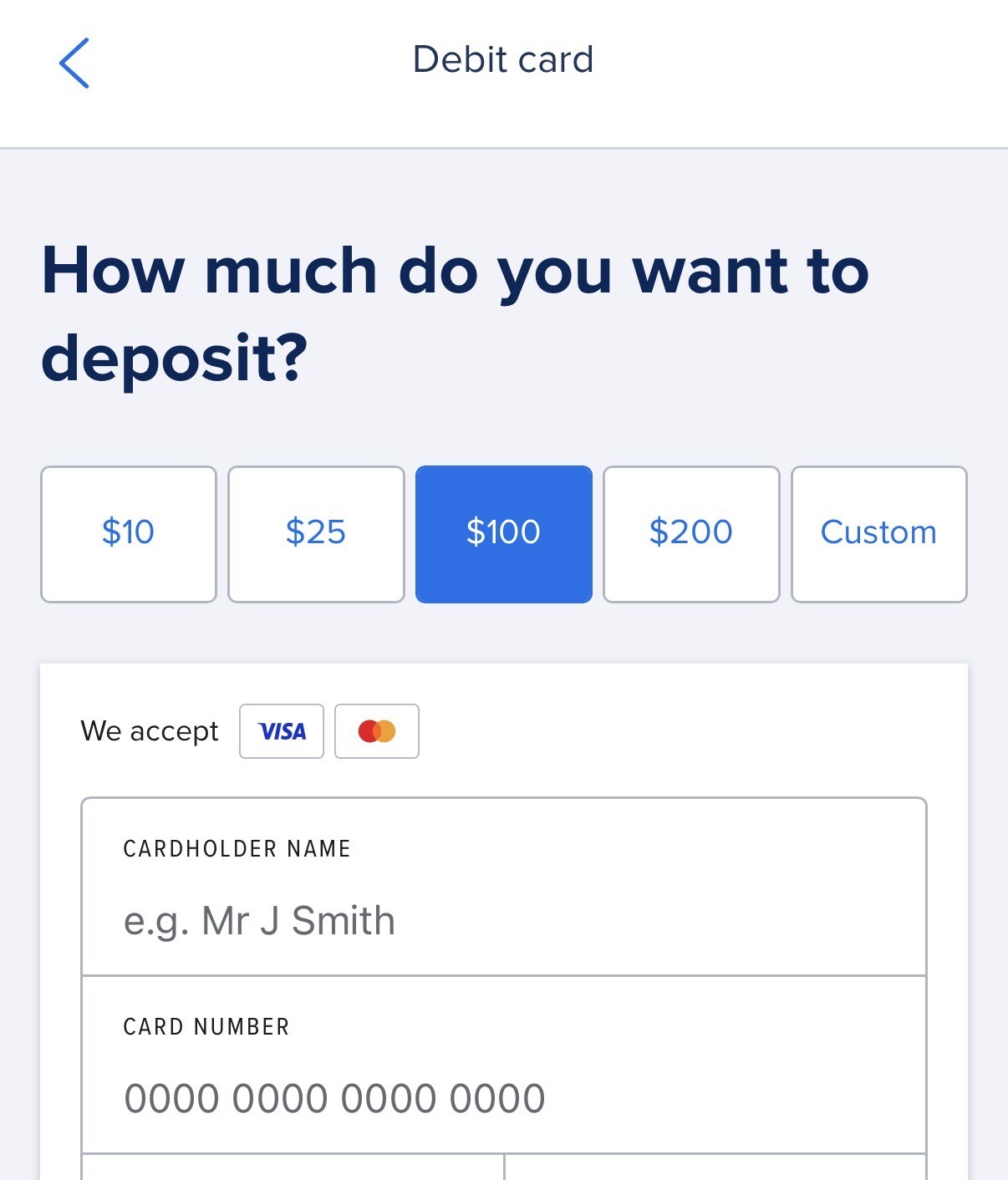
| Deposit by debit card | Time for funds to appear and become available to trade | Instant |
| Withdrawal to debit card | Time from requesting a withdrawal to receiving the funds | Under 5 hours |
A fast setup and instant deposit mean a new trader can start trading almost immediately.
A withdrawal that arrives within hours strongly suggests the platform takes getting money out as seriously as getting it in. We repeat the withdrawal test later in our process, as described in Step 6, so a platform has to deliver on both sides of the account to be considered one of the top prediction markets for payouts.
Results reflect conditions on the day we tested and can vary by payment method, account history, and bank.
Step 3 – The markets themselves
Before we look at the trading screen, we look at the product: what a platform lets you trade, how clearly each contract is written and how easily you can get in and out. Three questions drive this step.
| What we assess | What we look for | Scored under |
|---|---|---|
| Range of markets | Coverage of sports, politics, economics, crypto, culture, weather and other categories, and how quickly new events are listed | Market variety |
| Contract design | Whether each contract states exactly what counts as a "Yes," when trading closes and which source decides the result | Resolution reliability and trust |
| Depth | Order-book depth, bid-ask spreads and trading volume on headline events compared with niche ones | Market liquidity |
A platform with hundreds of markets is not necessarily a good one. A contract with vague wording is a risk before the first trade, and a market with no one on the other side is a problem when you want to sell. That is why we read the rules and test the order book on the same markets across every platform.
Example: the Super Bowl winner test
The Super Bowl winner market is our benchmark for depth because every platform we review lists it, it has a clear outcome, and it mixes busy contracts with quiet ones. We compare the same teams on each platform at the same time, so any differences come from the platform, not the news cycle. For each one, we pick three contracts: the favorite, a mid-priced contender, and a long shot.
| What we record | How we measure it | Why it matters |
|---|---|---|
| Spread | The gap in cents between the best Yes bid and best Yes ask on each contract | A tight spread means a lower cost to enter and exit |
| Order-book depth | Dollars available within 2¢ of the best price on both sides | Shows how much you can trade before the price moves |
| Fill quality | The average price we receive on a $100 and a $500 test order, compared with the price shown before we trade | Shows what size really costs, which spreads alone do not |
| Trading volume | Cumulative dollars traded on each contract, with note of whether the platform reports dollars or number of contracts | Shows how active a market is, but only when volume is measured on the same basis |
| Field consistency | The combined price of every team's Yes contract, compared with 100% | A total far above 100% means traders are paying extra to take any position |
| Contract wording | Whether the rules state what counts as a win, when trading closes and who decides the result | Shows how much of the outcome is left to interpretation |
We also compare the favorite with the long shot, because a platform that is liquid only on its most popular contracts is much less useful than one with workable spreads and depth throughout the field.
Example result: 🟢 Kalshi
When we tested Kalshi in October 2026, the Super Bowl winner market had roughly $206.6 million in total trading volume. We looked at the order book on the favorite, the San Francisco 49ers, and on a long shot, the Atlanta Falcons.
| Contract | Best bid / best ask | Spread | Depth within 2¢ of the best price |
|---|---|---|---|
| 49ers (favorite, 16%) | 15¢ / 16¢ | 1¢ | About $93,500 of bids and $171,800 of asks |
| Falcons (long shot, 2%) | 1¢ / 2¢ | 1¢ | About $3,000 of bids and $61,000 of asks |
The favorite was deep on both sides, with a one-cent spread and six figures of resting orders either way, so a trader could enter or exit a sizable position without moving the price much.

The long shot held up better than we expected: buyers could find about $61,000 of supply within 2¢ of the best ask. The weak spot was the other side. Only about $3,000 sat on the bid at 1¢, so anyone trying to sell a large long-shot position would face a thinner market. A one-cent spread is also a bigger share of a 2¢ contract than of a 16¢ one.
That is the pattern we look for in this step: the platforms with the best liquidity are the ones that stay workable on both sides of the field, not only at the top.
Where a platform does not publish trading volume in a comparable form, we say so, and we weight spreads, depth and fill quality more heavily. Prices and volumes move constantly, so we record the date and time of every trading snapshot and price.
Step 4 – Trading on the platform
After reviewing eligibility, verification, funding, and markets, we start testing real trades. This step shows what trading costs once the price on the screen turns into money leaving your account, and how easy the platform is to use while you do it.
| What we assess | What we do | Scored under |
|---|---|---|
| Getting filled | Compare the price we are filled at with the price listed when we placed the order | Market liquidity |
| Costs | Record trading fees, costs, and any position limits | Fees and limits |
| Interface on web and mobile | Test market discovery, order types, portfolio tools, order books, and charts | User experience |
Example: a $100 order on Novig
For our Novig example, we used the Cowboys-at-Eagles NFL game and entered a $100 order on the Eagles to win.

| What we checked | What the screen showed |
|---|---|
| Price and payout | The Eagles at 33.5%, so $100 pays $298.50 if they win (a $198.50 profit) |
| Order type | "Take," which buys at the best price already available |
| Combined price of both sides | 67.0% for the Cowboys plus 33.5% for the Eagles, or 100.5%, so the gap between the two sides is half a percentage point |
| Depth at the best price | $46,462 available on the Eagles at 33.5%, and $200,857 across the three price levels shown |
| Fee line | None shown on the order slip for this pre-game order |
| Market activity | $4.0M in volume on the game |
What stands out is the order book size compared with the trade. A $100 order is a small fraction of the $46,462 sitting at the best price, so it should fill in full at that price with no slippage.
The half-point gap between the two sides is a simple way to see what a platform charges for being in the middle: the narrower it is, the less a trader gives up before the game starts. The order slip also shows the payout before we confirm, so it's easy to see exactly what is at stake.
Combos and parlays
Combos, which many platforms also call parlays, bundle several outcomes into one trade. They pay more when they win, and they hide more of the cost, so we test them separately from single-market trades.
| What we check | What we look for | Why it matters |
|---|---|---|
| Maximum legs and same-game combos | The most outcomes a trader can add to one combo, and whether legs from the same game can be combined | Sets how much flexibility a trader has and how the platform handles legs that are linked to each other |
| Combo price vs. the individual legs | The combined price compared with the price of each leg on its own | Shows how much extra a trader pays for the convenience of bundling |
| Early exit | Whether a combo can be sold before every leg settles, and at what price | Determines whether a trader is locked in until the last game ends |
| Void legs | What happens to the combo if one leg is cancelled, postponed or otherwise voided | So users can understand the implications of having a voided leg across multiple platforms |
How we compare combo prices
We price each leg separately, multiply the probabilities, and compare the result with the platform's combo price. The gap is the extra cost of bundling. For example, two legs priced at 60% and 50% multiply to 30%. A combo priced at 33% costs three percentage points more than the legs separately, and that premium usually grows as you add more legs.
We repeat the comparison at several leg counts because a platform that prices two-leg combos fairly can still charge heavily on longer ones.
Early exits and void legs
We check whether a combo can be sold before it settles by placing one and looking for an exit price. When an exit is offered, we compare it with the value of the remaining legs and note whether the combo can still be sold once some legs have finished. For void legs, we read the rules before we trade, then check the platform's help pages and trade confirmations to see what the platform says it will do. The best platforms explain whether the combo continues with the remaining legs, how they recalculate the payout, and when they return the stake.
Step 5 – When markets settle
A prediction market is only as good as its last step: paying out correctly. We follow contracts through settlement, check each result against the platform's rules, and assess how the platform protects the money and the account throughout.
| What we look for | What we check |
|---|---|
| Settlement speed | How long it takes from the end of an event to a final result and a payout |
| Resolution source | Whether the contract names the source that decides the outcome, and whether that source was used |
| Dispute handling | Whether a trader can challenge a result, how, and how the platform responds |
| How customer funds are held | Who holds the money, whether it is kept separate from the platform's own funds and how that is explained |
| Account security | Protections such as two-factor authentication (2FA), login alerts and recovery options |
These checks feed our Resolution reliability and trust score. They also explain why unclear settlement rules and weak fund protections are treated as deal-breakers.
Example: account security on 🟢 Kalshi
Account security is easy to overlook until something goes wrong, so we read each platform's documentation and test the setup ourselves. Here is what Kalshi's help center says about it.
| Feature | What Kalshi says |
|---|---|
| Verification codes | Codes are sent by text message by default. A code is needed once every 30 days when logging in |
| Authenticator app | Traders can switch to an authenticator app, such as Google Authenticator, under Account & Security. Codes are generated on the device, so nothing is sent by text or email |
| Lost phone or number | Traders can recover access through the website by choosing the option for when they no longer have their phone, or by contacting support |
| Delayed codes | Text codes can take up to 20 minutes to arrive, and the help center explains how to fix common delivery problems |
| Withdrawal holds | Funds withdrawn to a different method than the original deposit can be held for up to 2 days after settlement. There is no hold for withdrawals by PayPal or Venmo (U.S. only), crypto or wire |
We like that Kalshi offers an authenticator app option and publishes clear recovery steps. Text codes are convenient, but an authenticator app is generally the stronger choice, so we recommend turning it on. The withdrawal hold shows another security layer, and it also shows why we measure withdrawal times separately in Step 6.
Where customer money sits
We also look at who holds trader funds. Kalshi's help center says it holds deposited money with its clearinghouse, which the CFTC has approved to clear its contracts. That is useful, but it is not the same as federal deposit insurance. We tell readers what a platform says about holding funds, and we mark clearly where a platform does not explain whether customer money is kept separate from its own.
Step 6 – Withdrawing your money
Getting paid is the most important part of a prediction market. After our trades settle, we request a withdrawal and time how long it takes for the money to reach a bank account, debit card, or supported wallet, using the same amount and method on every platform where we can.
Three stages, three different timelines
A platform's "withdrawal time" can mean different things, so we measure each stage separately.
| Stage | What it means | What we record |
|---|---|---|
| Approval | The platform accepts and processes the withdrawal request | Time from request to approval, and any extra checks |
| Eligibility | The money becomes available to withdraw, for example after a deposit security hold or after open positions close | Whether a hold applies and how long it lasts |
| Arrival | The funds show up in the bank account, card or wallet | Time from approval to funds in hand |
For every platform, we also log the payment methods offered, minimum withdrawal amounts, fees, verification requirements, and any delays caused by security holds. A fast headline number means little if the funds sit in a hold first, so we count the full wait from request to arrival.
Kalshi vs. Polymarket US: How do withdrawals compare?
Kalshi and Polymarket U.S. both let U.S. traders withdraw dollars, but the experience depends on the payment method and the account. The table compares what each platform publishes with what we found in testing.
| Withdrawal feature | Kalshi | Polymarket US |
|---|---|---|
| Payment methods | Debit card, bank transfer (ACH), PayPal and Venmo (U.S. only), crypto and wire | Debit card and bank transfer |
| Fees | No fee on Venmo withdrawals; we record any other charges on each method we test | No standard platform fee listed; third-party fees may apply |
| Deposit security holds | Withdrawing to the same method as the deposit is available once the deposit settles, and withdrawing to a different method can take up to 2 days after settlement. There is no hold for PayPal or Venmo, crypto or wire | We check whether any hold applies to new deposits |
| Open positions | Funds in open positions cannot be withdrawn until the position is closed | We check how open positions affect withdrawals - but generally funds in open positions cannot be withdrawn until the position is closed |
| Extra checks | Name on the payment account must match the Kalshi account for Venmo, and compliance reviews can apply | Identity and payment verification may apply |
| Arrival time and top features | Published by method, or timed in our own tests. Documented fast debit card withdrawals | Published by method, or timed in our own tests. Flexible USD funding and withdrawal options |
Kalshi publishes the clearest rules on holds, including which methods carry them and which do not. That makes it easy for a trader to plan around the wait. Polymarket US supports debit card and bank withdrawals, but we found fewer guarantees on arrival time in its public information, so we judge its speed by test transactions and don't assume it matches Kalshi.
How this affects the rating
We test the same methods on each platform whenever possible, so the comparison reflects real experience, not advertised speed. These results feed our deposits and withdrawals score. If a withdrawal goes unexplained for more than 10 business days after the funds become eligible, we trigger a rating review.
Step 7 – When something goes wrong
Every platform works well when nothing goes wrong. What matters is how it responds when something does. We try to send each platform similar support questions so we can compare the answers fairly.
- An account question, such as a login or verification problem.
- A money question, such as the status of a deposit or withdrawal.
- A settlement question, such as why a contract resolved the way it did.
For each one, we record:
| What we record | What we look for |
|---|---|
| Support channels | Whether help is available by live chat, email, phone or a help center, and how easy each is to find |
| Support hours | Whether support is available outside standard business hours, including evenings and weekends |
| Response time | How long it takes to get a first reply, and how long to get a full answer |
| Quality of the answer | Whether we got a real answer to the question we asked, not a generic reply or a link to a help page |
These results feed into our User experience score. A platform that cannot help with urgent account or settlement issues outside business hours may see that score drop, as explained in our deal-breakers below.
Our editorial standards
At Sports Illustrated, our prediction market reviews are guided by editorial independence, transparency, and accuracy. Our goal is to give readers trustworthy information based on firsthand testing, research, and clear rating criteria.
How we make money
Sports Illustrated may earn a commission when readers register or trade through links on our pages. However, prediction market operators cannot pay for a higher rating, better ranking, or favorable review. Commercial partnerships do not determine our editorial recommendations.
Who determines our ratings?
Our prediction market ratings are determined exclusively by SI's editorial team, based on the seven scoring categories outlined above. Commercial partners do not have access to unpublished ratings and cannot influence, approve, or change scores before publication.
How often do we update our reviews?
We regularly revisit our prediction market reviews to keep information accurate and relevant. A complete reassessment of every rated platform takes place [review frequency to be confirmed].
We also prioritize immediate updates and targeted re-testing whenever a platform changes its trading fees, welcome offers, state availability, payment methods, or major features. Significant court rulings, regulatory decisions, and changes to a platform's operating status also trigger an editorial review.
Corrections and reader feedback
We take accuracy seriously and encourage readers to report outdated information or factual errors. Corrections can be submitted through [confirmed SI editorial contact method].
When we verify a material error, we update the affected content and include a dated correction notice explaining what changed.
For more information about our commitment to independent recommendations and commercial transparency, read Sports Illustrated's Affiliate Link Policy.
Trading responsibly
Prediction markets involve financial risk, and traders can lose their entire investment in an event contract. At Sports Illustrated, we encourage readers to establish a budget, understand the risks and avoid trading money they cannot afford to lose.
Minimum age requirements vary by platform. Kalshi and Polymarket US generally accept users aged 18 and older, while platforms such as Novig require traders to be at least 21. Users must also meet their platform's identity verification and state eligibility requirements.
Many prediction market platforms offer responsible trading tools to help users manage their activity:
- Deposit limits: Kalshi allows users to set monthly funding caps, while Novig offers daily, weekly and monthly deposit limits.
- Loss and trading limits: Some platforms, including Novig, provide controls designed to restrict trading activity, losses or financial exposure.
- Trading breaks and self-exclusion: Platforms such as Kalshi and Novig allow users to temporarily suspend trading or exclude themselves for longer periods.
We examine these protections as part of our platform reviews and encourage traders to use them before problems develop.
Help is available. Anyone experiencing difficulty controlling their trading or gambling can contact 1-800-GAMBLER or the National Council on Problem Gambling's current national helpline at 1-800-MY-RESET. State-specific resources include 1-800-BETS-OFF in Iowa, 1-800-NEXT-STEP in Arizona and 877-8-HOPENY in New York.
Readers can also find additional guidance in Sports Illustrated's responsible gambling resources or access the National Council on Problem Gambling's state-by-state support directory.
How we rate prediction markets FAQ

A full prediction market review typically involves several days of research and hands-on testing. Our reviewers assess account registration, identity verification, deposits, trading functionality, market liquidity, fees, and withdrawals. Testing may take longer when we need to wait for contracts to settle or withdrawals to process. We revisit platforms when important features or policies change.
Some prediction market platforms appear on SI before receiving a formal rating. This typically happens when an operator is in pre-launch, has a waitlist, or hasn't made its trading platform fully available for testing. We may also withhold ratings when we can't verify regulatory requirements or essential platform details. Listing a platform does not constitute an endorsement.
No, prediction market operators cannot purchase higher ratings, favorable reviews, or improved rankings. Although SI may earn commissions when readers register through certain links, commercial relationships do not determine editorial scores. Our reviewers independently assess each platform using established criteria, including liquidity, market selection, trading costs, usability, safety, and customer support.
Prediction markets and sportsbooks have different pricing structures, regulations, and trading mechanics. Our prediction market reviews emphasize contract liquidity, bid-ask spreads, trading fees, market variety, and settlement rules. Sportsbook reviews focus more on betting odds, wagering markets, promotions, and sportsbook-specific features. Learn more about how we rate sportsbooks.

