%20%20--%3E%0A%3Csvg%20version%3D%221.1%22%20id%3D%22Layer_1%22%20xmlns%3D%22http%3A%2F%2Fwww.w3.org%2F2000%2Fsvg%22%20xmlns%3Axlink%3D%22http%3A%2F%2Fwww.w3.org%2F1999%2Fxlink%22%20x%3D%220px%22%20y%3D%220px%22%0A%09%20width%3D%2239px%22%20height%3D%2240px%22%20viewBox%3D%220%200%2039%2040%22%20enable-background%3D%22new%200%200%2039%2040%22%20xml%3Aspace%3D%22preserve%22%3E%0A%3Cpath%20fill%3D%22%23FFFFFF%22%20d%3D%22M38.5%2C7H28.2v26h10.3V7z%22%2F%3E%0A%3Cpath%20fill-rule%3D%22evenodd%22%20clip-rule%3D%22evenodd%22%20fill%3D%22%23FFFFFF%22%20d%3D%22M26.1%2C25.5c0%2C5.8-4.1%2C7.5-12.9%2C7.5C3.9%2C33%2C0%2C31.2%2C0%2C25.2v-1.1h11.6%0A%09v2.4c0%2C0.7%2C0.1%2C1.4%2C1.2%2C1.4c1%2C0%2C1.2-0.4%2C1.2-1.3v-0.9c0-1.6-0.9-1.6-3.5-2.2C2.2%2C21.7%2C0%2C19.7%2C0%2C15.3v-0.9C0%2C9.3%2C5.5%2C7%2C12.9%2C7%0A%09c10.2%2C0%2C12.8%2C2.6%2C12.8%2C7.4v1.8h-11v-2.9c0-0.6-0.4-1.1-1.2-1.1c-0.6%2C0-1.2%2C0.4-1.2%2C1.1v0.9c0%2C1.5%2C0.9%2C2%2C3.3%2C2.5%0A%09c8%2C1.6%2C10.5%2C3.3%2C10.5%2C7.5V25.5z%22%2F%3E%0A%3C%2Fsvg%3E%0A)
Man Utd Reinforce Negative Stereotypes With Latest Money-Making Scheme
Manchester United’s former manager Louis van Gaal tried to warn Erik ten Hag off a move to Old Trafford in the summer of 2022. “Manchester United are a commercial club, so it’s a difficult choice for a coach,” the Dutchman scoffed as he remembered his time at the helm. “He’d better go to a football club.”
This idea of United as nothing more than a vehicle for making their owners a profit each year has been a sticking point for fans since the Glazer family completed a leveraged takeover in 2005.
The club’s former executive Ed Woodward put a fine point on the ownership’s priorities in a discussion with investment analysts during his spell at the club. “Playing performance doesn’t really have a meaningful impact on what we can do on the commercial side of the business,” he argued with a little too much candor.
Sir Jim Ratcliffe’s arrival as a minority co-owner in 2024 with control over sporting matters was billed as a shift in focus towards the actual action on the field. However, a string of contentious job cuts highlighted how it will always come back to the bottom line at an institution like Manchester United, which, after all, is a company listed on the New York stock exchange.
Ratcliffe infamously claimed that the club would have gone “bust at Christmas” of his first year at the helm had he not intervened so dramatically. The club’s era of austerity has been played out in the transfer market, where relatively limited funds have only been invested in one area of the pitch per window. In 2025, the attack was rejuvenated while this summer saw the midfield rebuilt on the cheap at the expense of any other major additions.
Premier League clubs have their allotted spending dictated by the amount of revenue generated—for teams in the Champions League, like United, they can only splash 70% of what they earn each year. Selling players is the most obvious (and quickest) route towards bolstering that revenue, but the Red Devils have embarked upon a quirky project to keep the funds ticking over.
Man Utd’s Pitch-Selling Scheme

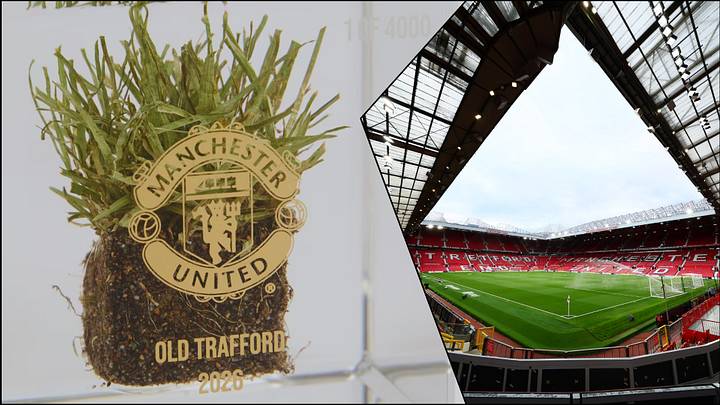
Manchester United have monetized the grass beneath the feet of their most saleable assets. Fans can now buy a 2.8-inch cube of turf preserved in acrylic for the not inconsiderable sum of £125 ($166). This expense will also get you a black case with a picture of the pitch on one of its inner panel to remind you what the chunk of dirt staring up at you is.
This summer was the first time in 14 years that United have relaid their pitch, ensuring that the cube of turf covers one of the most underwhelming periods in the club’s recent history. It was 13 years ago that Sir Alex Ferguson retired, leaving United to spend the subsequent years reeling in a new reality of mediocrity, thanks in no small part to a greater focus on money-making schemes like this literal sales pitch rather than sporting improvement.
In fairness to United’s creative marketing team, they are not the first club to cash in on the grass.
Man Utd Only Following the Pack

United are hardly the first club to monetize the feverish fandom of their supporter base. If anything, they haven’t been ruthless enough.
Barcelona are even more cash-strapped than their English counterparts and used their temporary move out of Camp Nou as a way to extract as much extra revenue as possible. The Catalans weren’t only selling chunks of the turf, or the seats in the stands, they were also offering fans the chance to purchase diamonds made out of soil from the pitch.
Arsenal employed the same approach over the summer, releasing a limited collection of 1,886 pieces of jewelry (to mark the year of the club’s foundation) made from the Emirates Stadium grass to immortalize the Premier League title-winning campaign.
 Add us as a preferred source on Google
Grey Whitebloom is an Associate Editor for SI FC. He has more than half a decade of experience in sports media across all its various guises, from the fast-paced demands of news articles and match reports to in-depth research required for features. Whitebloom graduated with a First Class Honours from University College London and found himself named on the Dean’s List—which, despite his initial fears, was a form of praise rather than a punishment. He specialises in the Premier League and Champions League, while also boasting an extensive track record of La Liga coverage.