%20%20--%3E%0A%3Csvg%20version%3D%221.1%22%20id%3D%22Layer_1%22%20xmlns%3D%22http%3A%2F%2Fwww.w3.org%2F2000%2Fsvg%22%20xmlns%3Axlink%3D%22http%3A%2F%2Fwww.w3.org%2F1999%2Fxlink%22%20x%3D%220px%22%20y%3D%220px%22%0A%09%20width%3D%2239px%22%20height%3D%2240px%22%20viewBox%3D%220%200%2039%2040%22%20enable-background%3D%22new%200%200%2039%2040%22%20xml%3Aspace%3D%22preserve%22%3E%0A%3Cpath%20fill%3D%22%23FFFFFF%22%20d%3D%22M38.5%2C7H28.2v26h10.3V7z%22%2F%3E%0A%3Cpath%20fill-rule%3D%22evenodd%22%20clip-rule%3D%22evenodd%22%20fill%3D%22%23FFFFFF%22%20d%3D%22M26.1%2C25.5c0%2C5.8-4.1%2C7.5-12.9%2C7.5C3.9%2C33%2C0%2C31.2%2C0%2C25.2v-1.1h11.6%0A%09v2.4c0%2C0.7%2C0.1%2C1.4%2C1.2%2C1.4c1%2C0%2C1.2-0.4%2C1.2-1.3v-0.9c0-1.6-0.9-1.6-3.5-2.2C2.2%2C21.7%2C0%2C19.7%2C0%2C15.3v-0.9C0%2C9.3%2C5.5%2C7%2C12.9%2C7%0A%09c10.2%2C0%2C12.8%2C2.6%2C12.8%2C7.4v1.8h-11v-2.9c0-0.6-0.4-1.1-1.2-1.1c-0.6%2C0-1.2%2C0.4-1.2%2C1.1v0.9c0%2C1.5%2C0.9%2C2%2C3.3%2C2.5%0A%09c8%2C1.6%2C10.5%2C3.3%2C10.5%2C7.5V25.5z%22%2F%3E%0A%3C%2Fsvg%3E%0A)
How the Summer Transfer Window Exposed Divide Between Mexico and European Soccer
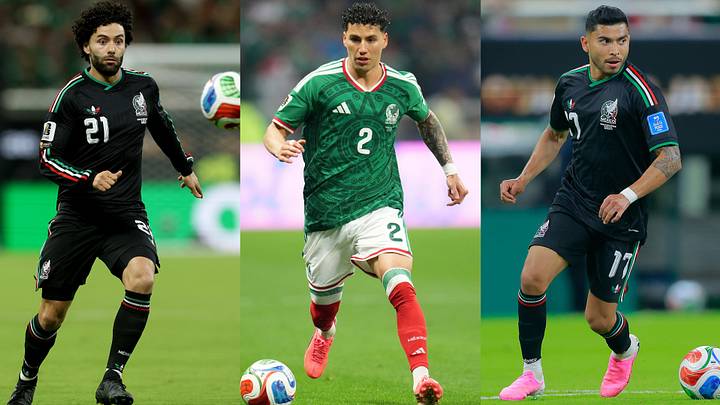
In a summer that was supposed to see a handful of Mexican players take the next big steps in their careers by leaving Liga MX, the opposite came true.
Mexico produced arguably its greatest-ever World Cup performance this summer, winning four games for the first time in a single tournament and pushing eventual third-place finisher England to the brink in a painful defeat. Beyond the strong results, El Tri played an attractive and effective brand of soccer, seeing a number of relatively unknown players shine on the global stage.
Liga MX players occupied 12 of the 26 spots in El Tri’s World Cup roster, with six of them starting Mexico’s two knockout games in the tournament. Given the strong individual and collective showings, the expectation was that a number of them would secure a move to big European clubs in the aftermath of the tournament.
Yet as the dust settles in the summer transfer window, only one of those 12 players departed Liga MX for the illustrious Europe. On the other hand, three Mexico internationals saw their European careers come to an end, returning to Liga MX after the World Cup.
Mexican Soccer’s Broken System

A variety of factors influence the scarcity of Mexican players currently competing in European leagues, but it all starts with Mexican soccer’s infatuation with maximizing profit at all costs. As a result, Liga MX clubs overprice their “star players”, demanding astronomical fees to part ways with their talents.
Unlike other leagues in Latin America, player sales aren’t the main source of income for Liga MX clubs: lucrative sponsorship deals and T.V. rights are. Elsewhere, in less economically powerful leagues—Argentina, for example—clubs view player sales as a necessity to finance the club and, in many cases, survive. This is why Argentinian league players have historically migrated to Europe for minuscule fees—barring highly-rated prospects. Teams need all the money they can get and, thus, don’t try to overprice their players, the exact opposite of what happens in Mexico.
Major League Soccer clubs and the league as a whole also doesn’t sustain themselves with the money from player sales, yet over the past decade, U.S. and Canadian talents in particular have migrated to Europe in numbers, following a completely different mindset of making a concentrated effort to funnel their players to the biggest leagues in the world.
"Mexican players don’t go to Europe because teams don’t let them,” former Mexico manager Gerardo Martino once famously said.
This summer, Vancouver Whitecaps standout and U.S. men’s national team midfielder Sebastian Berhalter completed a move to Championship side Middlesbrough for $2 million. Meanwhile, Club América reportedly rejected a bid in the region of $5 million from AS Roma for defender Israel Reyes, with the club asking for at least $8 million. Roma never sent a second bid for Reyes, instead pivoting to sign a proven commodity in Argentina international Nahuel Molina to cover their need at the position.
Although it’s true that the biggest reason why Mexico doesn’t consistently export talents to Europe is Liga MX and Mexican soccer’s broken system, it’s also undeniable that European clubs are hesitant to place their faith in Mexico internationals when reinforcing their squads.
A Series of Unsuccessful Ventures

In recent years, success stories of Mexican players that left Liga MX for Europe have become less and less frequent. There are many more examples of Mexico talents that have shined locally but then struggled to make their mark in Europe, ultimately returning to Liga MX after brief, unremarkable stints.
As a result, it’s clear that European clubs have lost faith in the ability of Mexican players—and Liga MX talents on the whole—to adapt to a more competitive league, regardless of how successful they were in Mexican soccer.
César Huerta, who played for Mexico in the 2026 World Cup, was the best player for Pumas for the better part of two years before moving to Belgian giants Anderlecht in the 2025 January window. After a season and a half where he battled constant injuries, Huerta returned to Pumas in the final week of the summer window and had telling comments upon closing his European soccer chapter.
“There’s been a lot of talk saying that I should’ve tried to hang on for longer over there [European soccer],” Huerta told reporters at the airport this week following his return to Pumas. “And I did that, I waited until almost the end of the window, which is in five days to see if an option presented itself.
“At the club [Anderlecht], they closed the doors on me. They told me they no longer counted on me. They separated me from the group. So I endured difficult weeks, but with the hopes of securing another opportunity in Europe. I didn’t get it. It was out of my hands, and now I’m very excited to come to Pumas.”

Similarly, a solid World Cup campaign didn’t suffice for El Tri fullback Jorge Sánchez, who returned to Liga MX with Atlas only six months and 11 games after joining Greek side PAOK.
Mexico, as a collective side, is capable of competing with and beating national teams that boast elite and proven European quality players, no clearer example than El Tri’s dominant win against Ecuador in the World Cup round of 32. But individually, European clubs don’t seem overly interested in recruiting Mexican players to their ranks—especially not at the price Liga MX teams value them. Furthermore, players that do move to Europe must deliver instantly, because evidence suggests they won’t benefit from a lengthy period of patience to adapt.
Players in Mexican soccer also often prefer to stay put in the comfortable oasis that is Liga MX, earning higher salaries than what they’d be offered in Europe and competing in a familiar environment where it’s easier to thrive.
All of these factors combine to make a perfect storm that has essentially eliminated a consistent pathway for Mexican players to migrate across the Atlantic Ocean.
What Comes Next For Mexican Players in European Soccer

Armando González is the only player from Mexico’s 2026 World Cup roster that has made the jump to European soccer this summer, with the 22-year-old striker joining Olympiacos from Chivas after a prolific year in front of goal.
Cruz Azul midfielder and World Cup standout Erik Lira is expected to join AS Monaco before the end of the window, but there’s still no agreement in place, and Cruz Azul already rejected the French club’s initial bid.
Meanwhile, apart from Huerta and Sánchez, Orbelín Pineda also bid farewell to his time in Europe with AEK Athens and is back in Liga MX with Monterrey. Just when it looked like this could be the summer where Mexico exported players in numbers, imports have been more popular, and more could still be coming down the pipeline. Álvaro Fidalgo is reportedly being pushed out at Real Betis, and he’s been heavily linked with a return to Club América only six months after he left the club to join the La Liga side.
It’s not an exaggeration to say that many are looking at 17-year-old Tijuana wonderkid Gilberto Mora as a beacon of hope for the future. The teenager, considered the best prospect Mexico has produced in decades, has been linked with some of the biggest clubs in the world for over a year now and seems destined to secure a marquee European transfer once he comes of age.
Su doblete nos dio una nueva victoria en casa, por ello, Gil Mora es el #JugadorEstrella ⭐️#DeLaFronteraPalMundo | @CarlsJrMx pic.twitter.com/DCYsSTk7us
— Xolos (@Xolos) August 29, 2026
Mora succeeding in Europe could potentially elevate the status and overall reputation of Mexican talents overseas. Putting such lofty expectations and pressure on the shoulders of a teenager is unfair, but that’s how strained the Mexico-Europe pipeline is currently.
This is a problem that has existed for years now, becoming dramatically exposed this summer when not even a strong World Cup campaign helped platform El Tri players. Change is required in Mexican soccer to help revitalize the export of talents to the most competitive leagues in the world, yet given that the issue does not truly affect Liga MX teams’ bottom line of maximizing profits, any improvement appears unrealistic for now.
 Add us as a preferred source on Google
Roberto Casillas is a writer for SI FC, focusing primarily on FC Barcelona, the Mexico National Team, Liga MX and all things Latin American football. Born and raised in Mexico City, he developed a deep passion for football from an early age and fell in love with Cruz Azul. The once future star of Mexican football still likes to showcase what’s left of his talent on the Sunday league pitch. He’s also a big fan of the New England Patriots—so much so he moved to the region for four years—, Chicago Cubs and is a life-long Formula 1 follower. When he takes a break from sports, he enjoys traveling the world, watching the latest great TV show, going to concerts and spending plenty of time with friends and family.