%20%20--%3E%0A%3Csvg%20version%3D%221.1%22%20id%3D%22Layer_1%22%20xmlns%3D%22http%3A%2F%2Fwww.w3.org%2F2000%2Fsvg%22%20xmlns%3Axlink%3D%22http%3A%2F%2Fwww.w3.org%2F1999%2Fxlink%22%20x%3D%220px%22%20y%3D%220px%22%0A%09%20width%3D%2239px%22%20height%3D%2240px%22%20viewBox%3D%220%200%2039%2040%22%20enable-background%3D%22new%200%200%2039%2040%22%20xml%3Aspace%3D%22preserve%22%3E%0A%3Cpath%20fill%3D%22%23FFFFFF%22%20d%3D%22M38.5%2C7H28.2v26h10.3V7z%22%2F%3E%0A%3Cpath%20fill-rule%3D%22evenodd%22%20clip-rule%3D%22evenodd%22%20fill%3D%22%23FFFFFF%22%20d%3D%22M26.1%2C25.5c0%2C5.8-4.1%2C7.5-12.9%2C7.5C3.9%2C33%2C0%2C31.2%2C0%2C25.2v-1.1h11.6%0A%09v2.4c0%2C0.7%2C0.1%2C1.4%2C1.2%2C1.4c1%2C0%2C1.2-0.4%2C1.2-1.3v-0.9c0-1.6-0.9-1.6-3.5-2.2C2.2%2C21.7%2C0%2C19.7%2C0%2C15.3v-0.9C0%2C9.3%2C5.5%2C7%2C12.9%2C7%0A%09c10.2%2C0%2C12.8%2C2.6%2C12.8%2C7.4v1.8h-11v-2.9c0-0.6-0.4-1.1-1.2-1.1c-0.6%2C0-1.2%2C0.4-1.2%2C1.1v0.9c0%2C1.5%2C0.9%2C2%2C3.3%2C2.5%0A%09c8%2C1.6%2C10.5%2C3.3%2C10.5%2C7.5V25.5z%22%2F%3E%0A%3C%2Fsvg%3E%0A)

01:16:14 |
Up Next

Inside Packers Camp: How Far Jordan Love Has Come | Albert Breer
Aug 12, 2026

Jerry Jones Didn't Delay Quinnen Williams HUGE Contract
Aug 12, 2026

The Lakers Shocking $12B Sale & The NBA Starts The Schedule Release
Aug 13, 2026

Browns QB Battle Is Wide Open | Top 5 Browns Camp Takeaways | Albert Breer
Aug 13, 2026
Inside Packers Camp: How Far Jordan Love Has Come | Albert Breer
Aug 12, 2026
Jerry Jones Didn't Delay Quinnen Williams HUGE Contract
Aug 12, 2026
The Lakers Shocking $12B Sale & The NBA Starts The Schedule Release
Aug 13, 2026
Browns QB Battle Is Wide Open | Top 5 Browns Camp Takeaways | Albert Breer
Aug 13, 2026

Albert Breer on Kyler Murray, Packers Optimism, New Regime in Cleveland
Aug 13, 2026

J.J. McCarthy Found Himself In A Trey Lance Situation
Aug 12, 2026

DJ Moore Is Making the Bills More Dangerous | Top 5 Bills Camp Takeaways | Albert Breer
10 hours ago

The Vikings Are Taking On Kevin O’Connell’s Identity | Top 5 Vikings Camp Takeaways | Albert Breer
Aug 12, 2026

Extend CJ Stroud or Wait for Loaded 2027 QB Class?
Feb 25, 2026

Tom Verducci Explains What Makes Konnor Griffin’s Swing Elite
Feb 27, 2026

UFC Middleweight Reinier de Ridder Calls for Major Weight Cutting Reform
Mar 5, 2026

The Biggest WINNERS of NFL Free Agency
Mar 10, 2026
Transcript
Hello and welcome back to SI's Daily Rings.
I'm Dan Gartland joined by Mitch Goldish.
Mitch, we got a fun show today with some guests, but before we get to that, I wanna just make sure everybody go back and listen to Monday's episode if you haven't yet.
That was our, you know, a really great primer for these Olympics , previewing every sport, we covered all our bases, so I want to stress right off the top, if you haven't got, if you haven't listened to that one, go back and do that because that's gonna get you set with everything you need before the games start this Friday.
Yeah, welcome everybody.
We are uh thrilled if there are new people who popped in on Tuesday.
It's been very fun.
Uh, now that we've got the show live and up in the feeds, and I've started hearing from people who listen to it, so hello and welcome.
Um, but yeah, like Gart said, I would definitely recommend checking out the Monday episode.
Um, I guess while we're at it, we can ask for the usual, uh, the housekeeping notes here.
You can find us in Apple and Spotify, and we're on YouTube every day, uh, if you want to see our, uh, what we look like.
Um , but yeah, we appreciate everybody who's been subscribing and checking it out and, and sharing with their friends, word of mouth, all that good stuff.
Yeah, so we've got, we've got 3 guests coming up.
Um, the first is our colleague, Michael Rosenberg from SI.
Really great conversation with him.
I'm, I, not to spoil anything, we've recorded all these before, so we know how the interviews went.
Um, yeah, great conversation with Rosenberg about, um, just some general Olympics topics.
Um, he was fantastic.
He's gonna be one of our people on the ground in Milan, so great to hear from him.
Um, he's gonna be, you know, having you all your coverage from the Olympics, from Milan, so he's a, a great guy to hear from.
Yep.
Second guest today is Roger Sherman, who is writing his own daily newsletter during the Olympics.
He has covered the Olympics a bunch of times, summer and winter.
He is one of my go-tos anytime we're talking about niche sports and things off the beaten path.
Uh, so it's fun to have him come in and do a segment, uh, all about some of the sort of under the radar sports and storylines, which of course we got into on Monday, and it's fun to talk a little bit more about some of those, uh, in a little bit more depth with Roger.
Yeah, and then rounding it out again with another SI colleague, senior editor Kristen Nelson.
Kristen's a big hockey fan, so great to have her on to, to fill us in in a little bit more detail on the men's and women's hockey tournaments, which we're both looking forward to a lot.
Yeah, so thanks everyone for checking this out.
Uh, I guess we should also say these episodes are a little different than what you can expect from us during the games.
We are going to be taping every day, recapping the full day's events and previewing what's coming up, uh, after that.
That's gonna start on Friday after the opening ceremony.
But, uh, it's nice to have a few days here with a little bit more, uh, space, uh, breathing room to bring in some guests and go a little bit deeper on a few topics.
So, uh, thanks everyone for checking it out and let's get right to those three interviews.
We are joined now by a repeat guest who our longtime listeners may remember from a preview episode before the Paris Olympics.
He is still a senior writer for Sports Illustrated.
Michael Rosenberg now getting ready to go cover the Milan Cortina Olympics for SI over in Italy.
Michael, thanks for coming back to the podcast to preview it with us.
Thank you so much.
For those who don't remember, uh, I predicted every medal accurately on that podcast.
Yes, exactly.
Well, uh, we're gonna get into a bunch of different topics.
Um, but I think maybe before we get into specifics, do you want to give us, uh, the, the general vibe of these Winter Olympics, uh, maybe like set the, uh, set the scene for us going in.
Yeah, you know, the Olympics, uh, fascinate me because, uh, first of all, they're so you can't really control the messaging.
It's just there are just too many variables, too many countries, too much involved, and every one of them really kind of has a different feel to it.
Uh, on the ground in Milan, what's going to be different is this is just so spread out.
I mean, the men's alpine and women's alpine are nowhere near each other.
Uh, normally we have like two clusters, you have the sort of city cluster and then the mountain cluster.
This is like 4 or 5, depending on how you define it.
And so, um, I do feel like that is going to have a real effect that.
You're, you're, you're in these like mini Olympics areas, you're just not going to see as many people around.
And then the other theme, uh, internationally, honestly, is just what's happened with the United States, uh, how the team is received.
Obviously, we've, there have been reports that ICE agents will be there.
I don't know what they'll be doing exactly, um, but the United States is standing internationally, it it it's a major issue that that will hover over all of this, I think, for the American athletes.
Yeah, there's a lot to unpack there.
Obviously, I think we will start with the, uh, the easier stuff.
You mentioned the, the spacing of these venues.
Um, how difficult is that for you as a reporter when you're deciding what to cover and when and when you have to make those decisions and just how much of a headache do you anticipate it being?
It got a lot easier when I realized I just can't do what I would normally like to do.
Um, yeah, it is like a 5 or 6 hour train ride, really, from one event to another.
And so, Um, nobody particularly cares about the plights of the sports writers who are covering the Olympics, and I would not expect them to do that.
Uh, but it is more a matter of, uh, crowds, you know, of family members of USOC or any other Olympic delegation.
Um, and honestly, especially, this isn't something that, um, Privilege or money can help you, right?
This may play a little bit to the United States' advantage in the medal count, because some of these countries, like they only have so many nutritionists, so many people on their medical team, and they have to spread them all over the place.
It's just gonna be harder to go.
From one place to another, where you would assume the USOC can get first class people for all of these things to all of their athletes.
Uh and I do think that could really sincerely be a factor because for some of these athletes, they're just not going to have some of the support people around that they would have in a, uh, you know, more closely tied together Olympics.
That is interesting.
I was ready to make the same joke you did that nobody cares uh how many hours you have to spend on a bus, but that, that's really interesting about the support staff and nutritionists and, and maybe even trainers and things like that.
That's, uh, that is a really interesting uh element to all of this.
Um, I also wanted to ask, I You and I talked off-air just a little bit.
Uh, it's the first Winter Olympics since Beijing 2022, which was an unusual games and still under COVID protocols.
And you think that that will have some sort of a carryover effect, just sort of the impact of this being the next games after those.
Can you tell us about that a little bit?
Absolutely, um, especially for those who were there.
I, I don't, again, I'm not saying this for my own plate at all.
I cannot, it's hard for me to even convey.
What those Olympics were like for the people that were there.
And I was in Tokyo for those COVID Olympics, and they were, it was kind of a sterile feel, you know, there was no people in the stands.
It was extremely hot.
I think it affected a number of athletes at that time.
Noah Lyles, who's such an extrovert, like he didn't have the, the people to play off of and hurt his performance, like you could see it.
Beijing was on a whole other level, and just to give some examples of what it was like there.
When it ended, OK, I was not allowed in the entire time there to literally step on a street.
Like you were going from your hotel to a bus, like you might go somewhere like within like a hotel to eat, and they were wearing these like hazmat suits, these the the the the people that are working there.
When it ended, went to the airport, there were no airline employees working in the airports, they were not allowed.
OK, it was just like government employees, all like, you couldn't see an inch of skin.
We got on the plane, uh, we were flying from Beijing to Paris.
I'm not going to test your geography here, but you might know, Seoul, South Korea is not on the way from Beijing to Paris.
We had to stop there, because they would not allow Delta to put food, to bring food that that would be on the plane.
We had to literally go to Korea to get food and then turn and go to Paris.
So that was the kind of like, I mean, there is no big brother big enough for me to describe the feeling at that Olympics.
Uh, and you know, again, I'm a writer, like, that's fine, but it really did affect the athletes, you know, and um, I talked to Jesse Diggins about this recently, the cross country skier.
Everybody was so nervous about getting COVID and being uh ineligible because the, the testing was every day, it was so strict.
She got like one meal at the dining hall, and then she just brought the rest of them back to her room, and then she got food poisoning anyway, and she's like, I'm not eating it at all.
And obviously, if you're a world class athlete, like that affects you.
All of this, you know, some of it, so much of it is mental.
So, I do think um with one highly decorated women's alpine skier in particular, it had an effect on her performance and, and I think it'll be hopefully a different day for Mikaela Shiffrin this time.
I think that's a really interesting thing to bring up because I think one of the things that was so successful and so enjoyable about the Paris games was just, you got this sense that finally the Olympics are returning to normal, and so the summer athletes got that two years ago, and now the winter athletes are gonna get it this time, and hopefully, like you're saying, it, it should uh play out, you know, on the field of competition.
Yeah, and look, 4 years ago is like a million years ago, right, with everything going on in like, in the world, it's just, it's always a long time, right?
And so, but for these athletes, like you get 1 shot every 4 years.
And now, with how the Olympics are and training and everything, they tend to the best ones do get 2 or 3 or 4 shots, but um it was, it's a big difference.
I mean, and it was extremely cold there.
I don't think it will be as cold uh in Italy, but um, yeah, that definitely had an effect on, on people's performances, no doubt.
Um, so I think we'll get into some specific athletes, and you've already mentioned a couple that we were going to ask you about, but, um, just your general experience, like what do you like about the Winter Olympics, as someone who has covered plenty of both in person, uh, what is it about the Winter Games that you like?
You know, the Olympics in general, um, I would say, for those who like to watch on NBC and I know it can feel overproduced or over choreographed or whatever, when you're there, it's like a 1000 high school sporting events happening at once.
Like it just does, it's totally different because it's, it's all over the place.
What's fun for me in the winter, it's a much more, maybe not this one because it's spread out.
It's an intimate feeling.
Um, it's, you know, you have certain countries that are, Just embrace winter so much, right?
And it's, I mean, they're like 11,000 athletes in the summer.
There's nowhere near that in the winter.
Um, it, it's, it's, it's quirky.
I think a big change in the past generation is that we now have a bunch of events that nobody ever heard of 30 years ago that are, frankly, where the US will pile up a lot of medals, but, um, I find those to be a lot of fun.
I mean, they've really kind of like the snowboard cross, the, the freestyle skiing.
Um, so, uh, it, it, it's, it's, it's quirky, it's, it's, um, if you think about it, if you're watching the Summer Olympics, right, and you're just the average American who's, you know, in your twenties.
How many of those events can you say, you've done some version of this.
There's a lot, right?
Like, obviously we run, play basketball, swim, you might have done archery at camp, like, maybe you rode a horse or something.
They're like so many things here that people have just never done, like, maybe they've played, like, how many people have even really played hockey, you know, and so, Um, the skill level is so high, uh, it's the athletes tend to know each other, uh, even better, I would say in the winter because there are fewer of them.
So that would be the biggest, those would be the biggest differences to me.
Now, in terms of all those different sports, right?
I think it's a good point, right?
Like, the Winter Olympics have done a good job of embracing more modern sports, you know, the extreme sports, the X Games stuff, the skiing, the snowboarding you mentioned.
So obviously you're a fan of those, um, you know, you mentioned the, the difficulty of the logistics of these Olympics.
Have you decided yet what events you're hoping to cover?
Uh, yes, pretty much anybody wearing skates, uh, that falls under my jurisdiction from what I can understand.
So that'll be, uh, figure skating, uh, hockey, speed skating, short track, um.
Yeah, so I think that that's cause that's what's there, you know, again, I, I love to do the different things, and that is what's fun for me is like, you know, I don't do a lot of snowboarding the other 4 years before this, so it's kind of fun to go out and, but, but it's just not logistically realistic.
I may end up writing about it, but I don't think I'll be able to actually watch it in person.
Well, uh, speaking of snowboarding, how about that transition there?
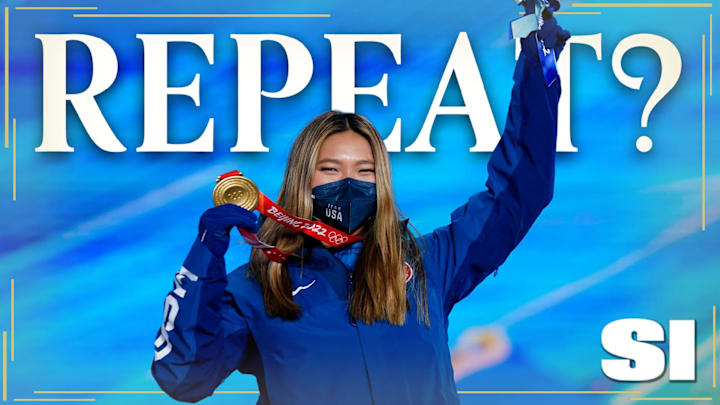
You did have a big story recently on Chloe Kim.
Um, so, and I would encourage people to check that out.
You can, uh, probably find it somewhere on SI's website or, uh, Google Michael Rosenberg, check out his whole archives.
But, uh, Michael, what can you tell us about, um, Chloe Kim and her mindset headed into the Olympics just from your time that you spent with her?
You know, I told her that for me, the most interesting part of an of an athlete's career is that sort of, they're like 80, 90% of the way through it, their athleticism has declined some, but their understanding of what they're doing, what they need to do and who they are, is so much higher that they're still kind of able to do it.
Like we've seen that with LeBron James, whatever in recent years.
That's Chloe Kim now and she's 25.
Like that's, that's kind of a strange thing to think about.
But uh she did tell me that she has a retirement date picked out of mind.
She would not share what it is, but she knows what it is, and she will not waiver on it.
I walked away from there thinking that will be shortly after this Olympics.
I don't know that, but that was the feeling that I got.
I think what has happened with her, which was really interesting is, you know, She chose essentially, she wanted this, right?
But by doing that, basically from 11 years old on, she is a corporation and she is kind of living in this little bubble.
But it's, she can see outside the bubble, and she sees what she's missing, and she's happy to be in there, and she's happy to be able to, you know, take care of her family, but she's also like, who am I if I'm not in this bubble?
And It kind of all reached a head where she really had some mental health challenges.
And in the last couple of years, she's really figured out who she is.
She's made sense of her childhood, she has made sense of her own brain.
I mean, she said she has uh ADHD now, she has uh vision issues that she's finally getting fixed.
Um, and so, I think she understands now.
All the effect of that, what she missed, what it meant to her to miss that, and what she wants to do for the rest of her life.
And that's why I say, I think she's going into this very much at peace saying, OK, I'm not defining my life anymore.
Like I did all those years for winning, like this has been exhausting.
I, I'm at peace with it now because I understand it, and I'm going to go through this, and then probably, again, my opinion, move on for the rest of her life, but we'll see.
Another great athlete who you profiled is not out yet as we record, it might be out by the time, uh, by the time people are listening to this, but I read a sneak preview.
You got a great profile of Jessie Diggins, the cross country skier.
Um, I think coming away from that, I was just, I was floored by just, you know, the way you, you, uh, express her personality, the way you convey that to the reader.
I think that's the thing that we love about the Olympics is getting to know these people.
So what can you tell us about Jessie Diggins and who she is?
Yeah, and she is just a delight to.
Converse, she, she's a, she's a connector.
That's basically what she is.
She wants to connect with people, she wants, um.
That feeling that of, of, of um being in it with other people, right?
She is, and she said that it took her a long time to really acknowledge this to herself and then longer to admit it because she was embarrassed by it, but she does not really enjoy competition.
Like she does not like the idea, I'm going to beat this person, like we are going after the same thing.
That's mine.
That's not yours, right?
And I put Michael Jordan in the story, but that Michael Jordan, Kobe Bryant, you know.
Um, if you think about, I'm going to talk football since that's where we're going to talk down to Mitch, he can handle the football .
No, I'm kidding.
But um, I would bet a lot of our listeners are familiar with football.
But, but like I think about someone like Peyton Manning, who not only is so driven toward the goal when he's playing, he is able to like bend the will and desires of almost everybody in that organization towards that same goal.
Like there's a special kind of person that can do that.
And that highly competitive person, she doesn't like that.
She said the hardest times for her are those kind of like sprints where she, it's, I could advance or the person next to me.
Like if it's against the clock, she can handle it.
And so, She is really, I think, a great lesson for a lot of people out there who struggle with that because she does not enjoy the competition against another person, the idea of being someone, but she is extremely driven to do well.
And if you look at what she's done, and she had this horrible bout of food poisoning four years ago, uh, and still ended up with a silver medal, like, it kind of shows you, you don't have to be that sort of, I want to destroy you, like I wanna talk trash person.
You can be who you are, I want to connect and still really excel at the highest level.
Yeah.
So, going all the way back, lots of amazing perks here at SII.
I read your Chloe Kim story as a PDF and then got to read the Jesse Diggins story in a Google Doc.
And yes, as our NFL editor, I am also currently in possession of Michael's Super Bowl prediction, though that cannot be revealed publicly until Thursday.
That will also be completely accurate as all of my Olympic predictions from 4 years ago were taking, taking people so far behind the curtain here.
Um, that is, I, I love that story about Jesse Diggins.
Um, I mean, does that remind you of other athletes you can think of who you've gotten to talk to that sort of non-competitive athlete cause it feels like it's so against how so many of these athletes are wired, the ones we hear about who are like, you know, I want to beat you and everything, and that's what they live for.
Like, who does that remind you of?
You know, there are really not that many athletes quite like that.
Uh, I'm actually like that myself.
So I could appreciate it.
Like, I don't, that feeling that that adrenaline rush people get from like competition.
For me, I'm like, I wouldn't like it, it's, it's not as much fun for me, you know, uh, I'm also not an athlete, but uh I guess the only one I would think of for a story I did was when I wrote that Trevor Lawrence story before the draft.
Um, and he was very open about saying like, I put everything I have into football, and it's important to me, but like, I'm living my life, like I'm not gonna look back in 40 years and say, did I win 3 Super Bowls and make the Hall of Fame or or I failed at life, you know, and uh he then had to deal with people saying he didn't care enough, and he's like, no, I care.
I just, it's just a mental wiring, you know, it's like you can have those priorities.
So that would be the one that would come to mind for me.
Well, the interesting thing about Diggins is, you know, she might not relish that competition against other people, but she certainly feels competitive with herself, right?
There's an anecdote in your story about how she says, you know, she's nearing the end of her Olympic career, but she says if you, if she ever misses that rush of, of competing, you know, as much as she does, if she ever misses that rush, she can always just start a stopwatch, put her skis on and go out in the woods and just see what she can do, you know, it's a, it's a different kind of competitive drive, even if it's not about competing against the people who are on the, the course with her .
Absolutely.
And you know, one thing, I mean, to me, maybe the coolest part of being a sportswriter is you get to see so many successful people and you can kind of learn from them.
And that right there what you just said Dan is, is essential.
You have to really love the work that goes into it, right?
Anyone would enjoy like winning the NBA Finals , but all the work that you'd have to go, if that is all a chore, like you're not going to last, you're not, you're never going to make it that far.
So she does love that grind, like she loves that part of it, that work.
Um, and I thought that that is where that kind of commonality comes from.
And I mean, I think about that sometimes when we think about the, um, and again, I put Michael Jordan in the story, but, You know, that he was cut from his high school varsity team, right?
All these other stories are, uh, we saw at the Last Dance, and I'm like, Nobody, nobody in the world was more complimented from 1991 to 1996 than Michael Jordan.
He was still pretty motivated, you know, so, he's seeking these things because it's like a little bit of fuel that morning, he doesn't really need them.
He likes the work, he's just driven that way.
It's just sort of a tool, and so she doesn't need that kind of fuel.
She has, she has it, recognizes it just comes internally.
Mhm.
So you brought up Mikaela Shiffrin earlier, and I think you said that, uh, before the podcast, you said she's under more pressure than maybe any other athlete who's going to be competing here.
So do you want to just share your thoughts on Mikaela Shiffrin, her, her 2022 Olympics, uh, and what we should expect, uh, or, or maybe just set up the story here in 2026.
I feel guilty even saying that because it feels unfair to her, and I know she's a huge fan of this podcast.
So I am concerned that that will ruin her Olympics.
Um.
I will tell you, um.
I don't know if this is a funny story, and it wouldn't be to her, but just for for listeners.
We had a photographer, and it was freezing in Beijing, who was trying to shoot, you know, Mikaela Shiffrin, and she again, we're like, how many medals will she win?
She never made it to him on the mountain.
Like she missed a gate .
He never, he never got a picture because she was out of each race before she even got to that stage of the mountain where she would then finish the race for people that remember.
And once it started happening, it was clearly not going to stop.
Like it was so in her head, she just couldn't get herself, and this is the best ever at her sport.
And I do believe the entire environment in Beijing, and you know, her, I mean, her dad had died suddenly, there's a lot there.
And what makes her so compelling and so endearing, really.
I mean, think about this, the best ever at her sport, missing gates, can't finish a race, every single time she would then come and she would stand by where like 20 of us were standing, and as long as we needed basically, and she was like open, vulnerable, honest, owning it, talking about how mentally she couldn't get, get herself to the right place, how it felt like it's, it's incredible, um, what she's really able to do, it's not easy in a public setting, and so.
If she has another Olympics like that, that becomes so much a part of her career story, that it's going to be rough, and she needs to kind of block that out and just You know, be Mikaela Shiffrin and, and it's skiing.
It's not like you would expect her to win 5 gold medals , but um I do think there will be a lot of pressure there for her based on what happened 4 years ago, because uh I'm not big on the whole, you know, legacy.
I, I just find that to be so overdone.
But if you can imagine, you know, Somebody like Absolutely at the top of their sport, in many ways the best ever, and then just in the, on the biggest stage, completely flopped repeatedly, and then they get back there, that's the kind of pressure that she's under.
So, um, hopefully she can manage it well.
I mean, I would, just as a human being, I would like to see that reward for her after 4 years ago.
It's kind of like, you know, as we're, as long as we're making comparisons to other sports, right, it's kind of like Clayton Kershaw in the playoffs, you know, he's a great regular season pitcher and then had this reputation for for flopping in the playoffs.
But you mentioned the, you know, how unusual the circumstances were in Beijing four years ago.
I'm sure that, you know, this more, more normal circumstance might help her.
I'm also curious, I think maybe, you know, as we're talking now, we're still waiting to hear the news about the extent of Lindsay Lindsey Vonn's injury.
But Vonn has become the skier, the US skier who sees the most headlines.
And I wonder if her prominence this year, maybe takes a little bit of pressure off of Shiffrin because it's not so many eyeballs that would otherwise be on her are now kind of being shifted toward Vonn instead.
You know, that that is an interesting question.
And honestly, it's a very, very interesting dynamic to me because, Uh, Lindsey Vonn is that kind of competitor, like she is that kind of mentality that that and she is not, I mean, she's the, the downhill like.
Go whatever, but, but as far as overall, all these different uh events, you know, Shiffrin has had, um, is, is a better skier, but I think about that as a, um, They're so their brains are wired so differently, like Lindsey Vonn, I think.
She's been able to do this comeback and we'll see if she's able to recover from this injury, I think because.
She wants to go there.
She like, she loves having those doubters, like the idea that this might not have worked doesn't faze her at all.
Like she's just, if it didn't work , she would.
She could handle it, you know what I mean?
She's so sure of herself, uh, and that's why she's been able to do it so far, um.
I don't know that effect on Shiffrin, like I don't, I think that they're so different, um.
I think one thing, and this goes back to an earlier question from mission, and I don't think the average person fully understands this.
This is especially true at the Winter Olympics, OK?
The pie is just not that big of all of the money that's out there, the endorsement money, appearance money, whatever, it's just not that big, and you will often have.
Naturally, People from like the same country that the whole country is saying, you guys are teammates, you love each other, and they are looking at each other going, if you beat me, that you're getting that bigger piece of the pie.
Like I need this, like that they, that competition can be fiercer than against other other countries, you know, because often, you know, you'll see that one country is especially good in the event, and so the gold, silver, bronze, like that's going to come from the same country sometimes.
And so, um, I think that that is there with Vonn and Shiffrin.
I mean, this is not obviously.
The biggest mainstream sport most of the time, and so Lindsey Vonn is a superstar.
Shiffrin comes gone by can passes her accomplishments, but is wired so differently.
I don't think, I think they have a relationship that's fine now, but I don't think that they're like close, and so, uh.
My view of this is that Shiffrin's presence fires up Vaughn.
Vaughn's presence could get in the head of Shiffrin.
I'm not saying that it will, but it could.
Yeah, well it, it's interesting cause if you asked me yesterday about an event to be most excited about the entire Olympics, people were, uh, you know, guessing about whether or not they could be teammates in the, in the one relay event, which would be like an all-time dream team kind of situation, and, um, you know, we'll see how healthy Lindsey Vonn is to compete at all, uh, let alone in, uh, multiple events, um.
Michael, any other athletes we didn't ask you about, but anyone in in other sports who you're just really excited about, uh, either covering in person or just, uh, if you're not able to get to that event, um, just sort of following the event from afar.
Um, I, I, I actually think, and I'm, I, I will be, uh.
You know, like I said, anyone on skates, I'll be, I'll be around it.
But um, I really do think that the, the hockey for the men and the women are going to be interesting in different ways.
Um, for the women, maybe one of the coolest events I've ever covered at the Olympics was in 2018.
The women's gold medal game, and like we can pretty much we think pencil in and now it will be US Canada again, and that is a crazy fierce rivalry, like that is like, there was like almost a brawl in a game that nobody was paying attention to outside of them a few years ago and um.
Uh, Kendall Coin Schofield, who's married to, uh, Michael Scofield, who played football at Michigan, she's like, I guess Michigan, Ohio State, maybe like they're crazy, but this is kind of like it is an intense, intense, intense thing, and Normally I feel like.
When you don't get the gold and you end up with the silver.
If you think about this, the vast majority of athletes really are happy.
They might be a little bit disappointed, but they're also celebrating, like, it's so cool to do it.
In this case, because of the assumption that they're going to be playing in that gold medal match, it's like you, you get all of it, or it feels like nothing almost, I think in the moment later they'll appreciate it.
And so I think that will be a great one.
And then with the men's hockey, I just, Canada is so clearly the most talented team, but it's hockey, you know, and um.
I would like to see what happens, especially after that Four Nations was such a good event.
I would like to see what happens if, if, if in an elimination game, especially with before like a medal round cut thing, if Canada is like trailing by 2 goals, like in the second period, I just think that is going to be an unbelievably tense and interesting atmosphere because of what that sport means to that country.
Well, and we talked about earlier, the, the politics of it.
I mean, that's a, that's a sport, especially where you saw last year that Four Nations, the politics came into it, and then on the Olympic stage, it could be an even bigger factor.
Yeah , and, and again, like you might have a, uh, you might have a couple of skiers who hate each other, but like they'll talk, they'll argue about it, like in the lodge or whatever.
In hockey, you just, it's just like you just physically take it out on each other.
And so, um, That is just so much ingrained in the sport that I do think, yeah, that that that that would be a spot where that might, um, kind of roll under the the the.
I almost had field of play, the rink of play.
So yeah, I hope the players are mic'd up so we can hear if anybody uses the word tariff in your trash talk.
That would be interesting trash talk.
Exactly.
Yes.
All right, well, thank you again, uh, Michael Rosenberg.
I definitely encourage people to, uh, check out your stuff.
And I guess, do you want to, before we go, do you want to plug yourself where people can find you and uh what they should be keeping an eye out for?
Um, yeah, I mean, our SI Olympics page, you know, Pat 40 will be out there as well.
And, um, We will be, uh, I always say I'm a volume shooter, you know, you get a lot, I mean, it'll be good , but, um, yeah, we'll be, we'll be covering it, and there are just so many incredible stories, uh, at any Olympics, and I know NBC tells some of them, but it's just different, I think, when you're able to, to.
To read about an individual and, and, and maybe some of these stories off the beaten path that um the drama of it I think is great.
So yeah, we would love for everybody to.
Read our coverage for sure.
All right, thanks, Michael.
Appreciate you joining us today.
Yeah, thanks a lot.
All right.
Quick shout out to one of my favorite things in my closet right now, Cozy Earth.
First off, their bamboo pajamas, ridiculous.
These are hands down the softest pants I own, like unbelievably soft.
I wear them when I'm working from home, running errands, even just lounging on the couch.
They somehow feel Cozy without being too warm, and they actually look good enough to leave the house in, which is rare for pajamas.
Whether it's for someone special or just for yourself, Cozy Earth makes it easy to bring comfort and care into your everyday life.
This Valentine's Day season, we are offering a buy one, get one pajama deal you won't see any other time of year.
These viral PJs are so good, they sold out during the holidays, and now they're back with an exclusive deal only available January 25th to February 8th.
Head to cozyEarth.
com and use my code, Daily Rings BOGO, that's Daily Rings B O G O to get these PJs for you and someone you love.
And if you get a post-purchase survey, be sure to mention you heard about Cozy Earth right here.
Celebrate everyday love with comfort that makes the little moments count.
So one of the fun things about the Olympics is when these sort of, let's call them niche sports, uh, rise into the mainstream briefly.
And I know there are a lot of people out there who love hockey and figure skating, uh, and some of the marquee events, alpine skiing, but here on this show, we love to, uh, share some love with the niche sports that people don't cover as much, and that's one of the things we pride ourselves on.
So our guest here now is someone who has been a go to follow for me for a long time.
Whenever we're talking about niche sports, that is true of the Summer Olympics, it's true of random tournaments in different countries that I didn't know, uh, were even happening, but He is Roger Sherman.
Uh, he's been at the Ringer before that, he was part of the famed SB Nation coaching tree.
He now has his own newsletter, uh, sports with Roger Sherman, and, uh, I'm excited to get into some, uh, Olympic stuff with Roger.
So Roger, how are you doing?
Welcome.
Yeah, I like talking about random sports nobody else watches and couldn't figure out how to name the newsletter.
So I just called it sports, sports with an exclamation point.
No one had done that before.
Perfect.
Excellent for SEO I'm sure.
Yeah, yeah, if you Google Sports, it's uh, it's the first thing that pops up.
And, and let me tell you, you want niche sports, the Winter Olympics has got you covered.
Like, Summer games, there's a lot of sports that like you've done before in your life, like running and swimming, and things that you've seen people do, and then you get to the Winter Olympics, there are so many types of skiing.
You had no idea there were this many ways to ski.
You could ski up the mountain, you can ski down the mountain, you can ski just flat, you can ski and shoot stuff, you can really tricks.
So many different types.
That's a good point.
You know, people do badminton at backyard barbecues.
Nobody's doing ski jumping in their backyard in a, in a winter barbecue.
Norway, probably, oh yeah, true, that's how they will.
You got a little ski jump out there, but no, you know how many luge, I, I, I, I looked this up the other day, but do you know how many luge tracks there are in the world?
Oh, that's a great question.
I don't know.
I bet it's a small number.
I would guess less than 20.
Mitch, oh, should I do 21, like Price is Right rules.
No, I, yeah, I'll say, uh, I'll say 21, yeah.
Shockingly good guesses by both of you.
It's 17.
Um man, so kind of Price is right, you should have guessed 1.
17 was actually a number that I had in my head for some reason, but then I, I feel like I was limiting myself when he said 20.
That was good.
You got it within 3, like that's, that's, that's unbelievable.
We've done our homework here.
Um, so, yeah, so you brought up, uh, that was actually going to be one of my first questions, uh, and you may be tempted to pander here cause we have an audience of people, uh, gearing up for the Winter Olympics, but comparing the two, which do you prefer, Summer Olympics or winter?
Oh, well, I kind of just blew, I kind of just blew it, didn't I?
But yeah, I blew it.
I, I, I'm, I'm more, I'm, I, I, I'm more of a summer guy.
Um, but like let's, I, we, we need to move on to the next topic so I don't say bad things about the Winter Olympics.
The Winter Olympics are fun.
I, I, you know, I mean, I, I love the curling.
I, I love all 11 different types of skiing.
Uh , it's, I'm, I am pretty excited about that.
So I feel like a bit of an interloper here because like Mitch and Roger are the Olympics guys.
I'm like a, a, a newcomer to the Olympic thing.
I was roped into this by Mitch in 2024.
We needed a co-host and I, look, I've taken up the mantle eagerly.
I, I've, I dove headlong into, into the, the Olympic Games with the, the summer and now the winter.
But I'm wondering for the both of you guys, for, for both Roger and for Mitch, how did you guys become Olympics guys?
Roger, you wanna go first?
I mean, it's just, it's really like just goes back to watching the Olympics as a kid and um.
I feel like it it almost came about because like.
Um, you know, big fan of maps.
First of all, the Olympics have to be the number one sporting event for maps, cause of all the countries, but also like, I remember watching like NBC every night, and, you know, they'd show you the, you know, the big gymnastics or the big track and field, and then they've been like, oh, and by the way, all this other stuff happened out in the world, uh , you know, we had the handball and we had, you know.
The, the shot put, and I'd be like, oh my God, I'm, I need to like figure that stuff out.
I need to learn what happens there.
Why aren't they telling me about this?
And I just remember not only being taken with like the pageantry of the Olympics itself, but also like the need to sort of investigate all these sports that they weren't telling you about, and that you can sort of do a deep dive into on your own and figure out like that those sports actually exist and how they work.
And The, the , the combination of, of Of those two things.
Also, like when I was six years old, you know, like watching the Dream Team and stuff like that, that's pretty, pretty sick.
The '96 Dream Team, I wasn't old enough for the 92 Dream Team.
Mhm.
Well, first of all, Gart, you're not giving yourself enough credit as my quadrathlon opponent for the, uh, Summer Olympics when I was doing the newsletter in 2021.
Uh, so you hopped on the bandwagon to that as well.
Yeah, that one was maybe more of a roping.
Um, yeah, so also, so Roger, I also, I love maps, which I guess is another thing we have in common here.
Uh, I had not previously thought about, uh, the connection that maybe my love of maps was how I got into the Olympics.
Um, but it sounds like we're like flags too, yeah.
Very, very into figuring out stuff, uh, various geography things.
Um.
Yeah, I, uh, we're around the same age, so I was, I was 9 years old when uh the in the summer of '96, and I've told this story before, but I don't know why.
I just like taped NBC's prime time coverage on VHS tapes like every single night.
I just like could tell it was awesome and was like, I'm gonna want to have this for some reason.
Um, when, when my parents moved out of my, uh, the house I grew up in, I was like finding things in my childhood bedroom where I had like VHS tapes of, uh, it was like the, the, I forgot the nickname that year if it was the Magnificent Seven or whatever the gymnastics team was, um, that was the Kerry Strugg year, um, and I just like had all of those on videotapes and was just like, and I don't know if it was just because it was, it was in Atlanta that year and the time zone was helpful, um, but I was just like obsessed with it and I mean, a huge sports fan growing up, but same thing, um, where it was just like all of these random sports that I'd never seen before were on all the time and like sports on in the afternoon is always great.
Um, I was a wrestler, uh, growing up and went to a big wrestling school, and so I remember like watching the, uh, Rulon Gardner match in 2000, which was just like that was awesome, a huge, huge deal, and I was like wrestling at the time, um, and then, yeah, I guess, uh, I, 2012 was, um, My first time like actually covering them professionally, I worked for NBC like a one month temp thing, um, like living in the, in Stamford, Connecticut, and that was the year that they had like live streams up for every single event.
And so it's a lot easier to just be like, I'm gonna open 4 windows on my laptop and I'm gonna watch fencing and judo and uh canoe slalom at the same time and just like try to follow as much as I can.
And I think from there 2012 laptop was just worrying that fan was going crazy.
Yes, definitely, um, but yeah, I don't know, I've just always been, uh, always been obsessed with the Olympics, and, uh, yeah, and the stories like I, I think, um.
You know, there's always such a focus on who's gonna win and who's gonna win a medal, and there's something about the Olympics where, uh, people are more understanding of like, let's celebrate the person who comes in last place and like this person representing a country that has never been here before or whatever, and it just leads to a ton of cool human stories about interesting people doing.
Interesting things.
Very cliche answer, but there you go.
Well, yeah, I mean, I, I feel the same way.
Like I, I've really embraced the Olympic thing since we talked about the 2024 podcast.
Like probably my one of my favorite projects I've done at SI, like a lot, a lot of fun to just sit down, really immerse yourself in the Olympics, and like you said, following all these.
These obscure stories, you know, things you might not, not see covered in on the NBC primetime coverage, but, you know, you saw it happen live.
Somebody from some, some small nation who, who wins or competes for the first time and yeah, you just, you know, you, you gain a lot of appreciation for just the, uh, the wide world of sports as it was to, you know, all these things are happening out there and all you gotta do to find out about it is, you know, fire up your Peacock subscription and, and see what, uh, what weird thing is on early in the morning.
The gold zone, gold zone was, was gone.
Gold zone is fantastic, a great way to consume the Olympics.
Yeah, very excited all those guys are back.
Um, so, OK, so niche sports, niche events.
Roger, what are you looking forward to?
Give us whether it's a, a favorite sport that is maybe under the radar or if you've got like a single event, um, what are the, the big niche events you're looking forward to?
Something I'm excited by is for the first time since 2002, we have a new Olympic sport.
Ski mountaineering.
I was hoping you would bring this up.
At the Summer Olympics, there's like a new sport every year basically, but there just aren't that many ways to go down a mountain.
There aren't that many things we could do with skis.
I've listed like 7 of them, but we've discovered an 8th.
It's ski mountaineering, uh, it's where you go on skis up a hill, kind of, it looks extremely grueling, um, and then.
There are some portions that you have to do with your skis on your back, and then you, there's at the end you descend and it's, it's a, it's a race to get up and down this little mountain course as quickly as possible.
It's the first new Olympic new Olympic sports since 2002 when they reintroduced skeleton.
But that, like I said, reintroduced skeleton had been in the Olympics like many decades earlier.
So it's actually like the first fully new Olympic Winter Olympic sport since snowboarding, which was a while ago, like that was in the 90s, I think they, they added that.
Um just not a thing that happens very often, and I'm curious to see how it goes.
Yeah, that's interesting context like this, the, the schemo.
So Mitch, as people listening to this, they've already heard Mitch and I preview every sport.
Skimo was mine, one of mine to, to preview.
And like you're saying , go back, check out the, please, please, it is exhaustive, almost to a fault, um.
No, I think , you know, that was uh something I really gained an appreciation for, um, you know, it's , it's, like you said, it seems grueling, right, uphill on the skis, they do the, the bootpacking where they're just in their ski boots going up the hill, back on the skis, down the hill.
I mean, it seems a lot of fun.
The thing that I, you Mention it being a new sport.
And the thing that I find interesting, it really fits into this trend in the Olympics lately, where when they are introducing these new sports, like you said, it's uncommon in the winter side, but on the summer side, they all fall into these categories of things that are easily digestible that happen very quickly.
Um, yeah, skimo, like the sprint race, it takes 2.5, 3.5 minutes, like, they're gonna be done in the blink of an eye.
If you're, if you watch a race and you decide you don't like it, fine, whatever, like, if you only wasted 3 minutes of your day.
But if you fall in love, you know, sit down and watch the whole competition every, every, uh, heat and all the finals and, and, you know, you might find something that you really like and it didn't take up all that much time, you could have been spent, you know, watching hockey or figure skating instead.
And it's another one of these things where they're introducing like a compact, intentionally choosing a compact version of the sport, cause like ski mountaineering historically, um, and they've been doing it for decades and you know there are world championships and there are races that are like huge endurance races like 2 hours of this grueling up and down a mountain, but they've.
It it's um sort of along the lines of like when they introduce climbing and you know that it's the speed climbing is one of the facets um where traditionally like sport climbing involved like other um.
Like more extended, more creative ways of climbing up something, but they did pack it into this like pretty understandable short races.
I'm sure there are people in the ski mountaineering world who are good at the 2 hour races, who are like devastated that when they finally got their shot in the Olympics, it was this 2 minute version, but it is, the races are pretty fun to watch cause.
They are so short and like you mentioned the transitioning between the different types.
If you watch the race like.
If you take like a second too long taking your skis on or taking your skis off it over the course of a 2 minute race, like it comes down to that.
Like it it it's, I'm excited to watch people take on and put off skis under intense pressure.
Yeah, the , uh, and I think we mentioned on the preview feels like the only sport we're aware of where you carry a backpack, uh, during competition.
And you know what I like the thing when you talk about like the, the new Olympic sports, uh, it's like.
Such a game changer for the act, the competitors in it, like these are often people who got into this sport.
Never even thinking that it would be in the Olympics, and they kind of have this one chance to shine, and it, it makes it interesting for that perspective or, or they've been waiting for so long for this to happen, and then it finally does.
I have a fact about the backpack that now that we are, we have a little bit of room to breathe here compared to our, our rapid fire preview.
So I was watching a race where, um, it was some, you know, World Cup race where there were two American announcers, one of them, she was a former skimo racer.
The other one was a guy, he was like, I don't know if he was genuinely dumb or just playing a character for effect, but he's basically like, he was like, hey, tell me how all this crap works, right?
And so he was, he was like, he basically said, hey, what's, The deal with the backpack.
And then the woman, this experienced racer, she said, well, you know, um, you're required to have the backpack for whatever, a variety of reasons.
It, it helps to keep the, the skis in place.
But one thing, he, he asked her, what do they put in the backpack?
He was like, are there snacks in there, right?
He's, you know, he's making a, a joke, but she said, no, in fact, what they put in there, uh, a lot of athletes put a balloon.
Because it helps press the backpack against your back to hold the skis more tightly.
So, yeah, there's all these little things you learn about these, these new sports, you would never have any idea about, like, like the balloon in the backpack.
The the, the wild thing that I wasn't expecting is, so they They put some sort of skin on the ski so that they can go uphill, like because other like if you put a ski and you're trying to walk uphill , you'll probably just kind of Fall downhill, I'm assuming.
So it's something that gives them a little bit more traction.
And then they get to the top of the slope, and it's time to do the descent.
And they do this sick move, where like, they reach down, they grab the skin from the bottom of the ski, and like they jump and remove it in one.
In one like pull, and I don't know why it seemed like the, like, it's like the dorkiest looking, extremely athletic thing that you're gonna see at the Olympics.
Yeah, and, and it's made out of goat's fur.
I didn't know it was made out of goat's fur.
It's goat's fur, it's goat's fur, and there's like, there's a term, I'm, it's escaping me now, but there's a term for that transition.
It's like a rip jump or a jumper or something like that.
There there's they have a , there's a term of art for the for the cool but dorky transition.
And, and I mean, there's so many cooler jumps happening at the Olympics.
You know, there's the ski jumping, there's the quadruple axles, but I, I, I'm gonna hold a little place in my heart for the rip jump, the jump rip, uh, and I, I, are we like.
I'm hoping still alive goats, like they're just shaving them.
That is a great question that I will not be looking into any further.
Knowing that he said skin and not fur.
I don't know how that, uh, he said fur, he said fur it's fur, I believe it is fur on a synthetic backing.
Don't hold me to that.
I'm sure PETA will tell us.
Um, it's also fun to think these are like the best skimo athletes in the world, and they've like adopted this form.
It's fun to think about like with the, the Fosbury flop in the high jump that like somebody could just come along and come up with a better idea that they all take, like, who knows, as the, as the sport evolves now that it's, uh, you know, that it's on the in the pinnacle in the Olympics, uh, you know, perhaps the sport will adapt and they'll all have a new move that they like 4 years from now.
Um, you mentioned sort of, well, you mentioned Gold Zone, uh, and I think Gart might have said there's like this sort of made for TV, uh, aspect of some of the newer sports, and I think that is true.
It's kind of like these Olympics, I think there are gonna be a lot of times where I'll just like throw on a hockey game or curling on my TV and then be like zipping around to different sports on my Laptop or iPad and Gold zone is gonna help to whip around.
But Roger, what is your sort of strategy, your viewing setup for, uh, like being able to just consume as much as possible ?
Like what is the Olympics gonna look like for you as a viewer?
I'm thinking most likely Gold zone will, will be carrying me, um, you, you know, probably that's gonna be on the TV and then like one specific event on a laptop or a tablet.
Um, but yeah, I, uh, you're going to be tweeting out those daily, uh, TV schedules, right?
Or sharing them.
Yeah, so that's, that's huge.
Um, just, uh, trying to Like I, I am a little bit glad that Europe is a little bit friendlier on the time zones than uh Pyeongchang and Beijing were, um , probably gonna get a little bit more sleep this time around.
Yeah, I, uh, last time around, I, I, I kind of maxed out the number of devices I could watch Peacock on.
So that was to get a little creative with now I'm using NBC.
com in some instances.
And so, yeah, there's a, if you want to watch everything, you can do it.
You just got to carefully manage your streaming properties.
You're, you're like, the thing is, it feels like every year or every Olympics, their presentation is slightly different.
You're asking me that now.
I can't give a great answer, but by day 3, I'll be locked in and have the format totally figured out.
Um, can you tell us about what you're going to be doing?
I, you know, I want to make sure you get a chance to plug your stuff where people can find you, but tell us, uh, what we can expect from you, your, uh, coverage during the Olympics.
Absolutely.
Uh, I'm going to be putting out daily newsletters at my newsletter, sports.
beehive.
com, uh.
Probably, I want that is a good SEO fact that I was able to just get sports.
beehive.
com.
But, um, every day, you know, probably.
Uh, right around the time that, uh, your podcast is coming out every day, I'll be putting out a newsletter and we'll force people to decide whether they like newsletters or podcasts more when they're choosing which, which way to consume what happened in the previous day.
Um, yeah, so gonna be doing that every day for 17 days, I think.
And uh I, I, I have more obscure sports if you'd like me to talk about them.
Oh absolutely.
I didn't, I'm just not trying to do the big hook and yank you off the stage.
Yeah, hit us, hit us if you want to go any niche sports, yeah, lightning round or rapid fire or whatever.
Give us some more.
I think I, I, I'm curious to see whether the US can win its first ever medal in biathlon with Campbell Wright, who's from New Zealand.
We got him in the transfer portal.
Um, I think we could maybe get some mixed doubles curling gold medal from, uh, from the, the Corey's.
I forget, I forget which Corey has which name.
Um, and I think, uh, Jordan Stowles might be the greatest speed skater of all time, and I, I wanna fight a Dutch person about it.
So we, we, we went in depth on Stolz's, uh, GOAT claim in the, in the preview episode, and I, I really tried my best to correctly pronounce the name of that Norwegian stat, the Adiscalender, that they combine all the different, uh, race times and to, to figure out who's the best of all time.
And actually by that number, he is the best.
So I think he's got a, you got a pretty good case to make there.
Different from the goats, but they, that they're either killing or shearing to make the ski skins.
Well, yeah, I think, I think, you know, are there are there's, are those all your storylines?
Is there anything else in, in, in particular that you're looking forward to that you've come up in, in your prep here, or, or are you, as it turns out that were the only Olympic events I care about.
We're done.
OK.
And not even the men's or women's curling, just mixed doubles.
Ah, you know, um, it is a little bit intriguing like I, I, the the next generation of, uh, of curl.
I watched John Schuster for so many years, men's, uh, men's US curler, uh, who was in like probably 4 or 5 straight Olympics.
Um, yeah, I think 2006 was his first one when he won a bronze, if I remember that right.
That's so many Olympics, and you know, I'm just, he, he did not win the, win the, uh.
When the trials, there's a new representative, and it's just going to take me some time to get used to it.
Well, that's part of what makes it fun, right?
You're, you, there's some familiar faces, but also that guys like Schuster helped get Americans into curling, and now they're gonna care about the new team just as much as, but, you know, because of the foundation that he laid.
I just liked the look of John Schuster.
I think really, he, he, he, he, he, he like just embodied curling to me for, uh, for two decades there.
And I'm, I'm, it's, it's tough to move on, you know, the, the, the goat of American curling.
I'm calling a lot of people goats here that I'm not necessarily sure how many of them are true, although the Norwegian curling stats.
Or the Norwegian speed skating scats, we need those for curling.
We, we don't have fact checkers on the podcast, so you can, you can call.
OK, OK, OK, go to American curling.
We're got, we're rolling with it.
We're rolling with it.
All right, well, I, I did not mean to prematurely rush you off earlier, but I am glad that you, uh, got to tell us about what you'll be doing.
I am definitely excited.
I'm subscribed.
I will be, uh, checking out your newsletters in my, I will not have a lot of, uh, spare time, I don't think, during the, uh, 3 weeks of the games, so I'll have to probably multitask.
That is, it's premium real estate on any of my screens that I read your newsletter on.
Um, but, and I, I didn't say this at the top, but, uh, one of the things I think about with you, Roger, is that you were, uh, I still vividly remember the day in 2016 when you were tweeting from the dressage venue on the day that smooth Horse happened.
Uh, and so that is, uh, a thing I associate you with, um, when it comes to talk about niche Olympic sports, um, but I, I've definitely been, that's how long I've been following you on the Olympics beat.
Uh, so I'm excited to see what you put out this time around.
The, the summer, another great thing about the Summer Olympics is that like if you get to cover them, all the venues are generally pretty close to each other, and apparently that's super not the case for these, it's like the most spread out Olympics ever and like they're just all on different mountains and stuff like that.
Yeah, it's, it's really chaotic.
Smooth horse, I was able to go see the dressage and then, you know , go see the, the water polo like later that day or whatever, but no, that, that, that dream would be impossible.
I could never capture smooth horse today in this climate.
Well, yeah , Roger, thanks for joining us.
I, I think, you know, people, I think you set up a, a, a false dichotomy there.
I don't know if people have to choose between the podcast and your newsletter .
I think there's room in, in their hearts and their phones for both, um, but you sound like somebody who's gonna be, who writes a daily newsletter for Sports Illustrated, and I also write a daily newsletter.
Letter, which actually will be in direct competition with yours, I think, to a degree, but, um, no, that, that'll not be all Olympics all the time.
If you want Olympics, go to Roger.
If you want NBA trade deadline, you know, stay with, with SIAM .
But, um, but yeah, no, I appreciate you guys taking the time and uh we're looking forward to what you're putting together for the Olympics.
Thanks for having me and um it's a it's a it's, it's not a sprint unlike the mountaineering.
It's it's it's a marathon.
That's true.
A ski marathon.
All right, thanks, Roger.
Appreciate it.
Thanks for, thanks again .
We're joined now by SI senior editor Kristen Nelson.
Kristen's probably the biggest hockey fan we have on staff.
We figured why not have her join to talk about hockey for the Olympics .
Kristen, thanks for joining us.
No, thanks for having me.
Always love a little hockey talk.
So I think obviously the big headline here is that the NHL is back, right?
It's for the first time.
Time in 12 years, you've got NHL players in the Olympics.
I guess we'll just start with how excited for you, how excited are you to have those top pros back in the Olympics?
I'm super excited because I think, you know, the Olympics is always supposed to be, no matter what the sport is, the best of the sport, right?
And now we finally will get with the NHL guys there, best on best, and we saw with the Four Nations last year that There's a big reason why we want that, and it's gonna be so exciting.
We have so many of these players who are at like the prime of their careers that are really gonna.
Show off, I think.
So I know the uh NHL paused its season to be able to make this happen.
Um, can you just tell us like what was the reaction to this sort of the first, the willingness of the NHL to make this happen, and then second, like how excited were the players?
Was it the kind of situation where they were all just raising their hands immediately to be a part of this?
Yeah, I think the, the players are the ones who fought for this.
This is something that happened at the bargaining table a few years ago.
Um, they were supposed to be able to play in 2022 back in Beijing, but because of the concerns around the pandemic still at that point, they didn't get to, but Um, after 2018 of not being able to go, the players were pretty upset.
I think I remember Alex Ovechkin saying back then he was gonna go anyways.
Um, but this time around, yeah, the players really fought for this, you know, there's been concerns about maybe ice conditions in the arena over there, but the players wanna go regardless.
Uh, the NHL themselves, it took a little bit of convincing, um, but they've made it happen and they're taking the big long break for it, and I think.
We're all gonna be we're all gonna benefit from that.
You mentioned the Four Nations face-off, right?
So just for our listeners who might not know, that was a tournament the NHL held last year instead of the traditional All-Star Game where they had basically, uh, national teams from the US, Canada, Sweden, and Finland compete in a compact international tournament, um, produced a lot of really great moments, a great US-Canada final.
Um, how did that event help with the appetite for these Olympics?
I think it just It was like the appetizer to what this entree is gonna be over in Italy.
Um, we saw the rivalry that is US Canada on display, the, the viewership that that tournament got was through the roof compared to All-Star game that they've done in the past, and I think it's gotten new hockey fans excited, and I think it's gotten the traditional hockey fans even more excited.
Um, it was a very, both games, both in the preliminary game and the final that for the, uh, Four Nations title were.
Tight, close games between US and Canada, and I think it's just gonna get, it got more people excited for what's gonna happen a year later in the Olympics.
So those 4 countries uh in that tournament were the US, Canada, Finland, and Sweden.
So now, uh, moving ahead to the Olympics, those 4 are obviously medal contenders again.
Um, any other, uh, countries outside of that group of 4 that you look at as real, uh, medal threats we should be keeping an eye on?
I think outside of those top 4, you could see Switzerland making some competitive games, but I don't think, uh, anyone's gonna really challenge those 4 when it comes to medal contention.
So in terms of, we talked about the teams a little bit, in terms of players, one guy I'm really really looking forward to seeing is Macklin Celebrini, the young Canadian who's come on really strong in his second NHL season here playing for the Sharks.
Um, really thrilled to see him.
He's had a great year.
I think it's gonna be a big breakout for him.
Who, what other players should we, should we be keeping our eyes on, on the men's side?
I think for me, and this was one of like the biggest surprises when the announcements for the rosters were made was Tom Wilson.
Um, I think a lot of like more casual hockey fans, especially around the playoffs, will know him as being a bit of a bruiser.
He's a menace on the ice, he can really get under your skin, but Canada added him, he didn't compete in Four Nations last year.
Canada added them to their forward group because he's on pace for one of his best careers statistically, and I think that is.
Because he hasn't had suspensions interrupting that from a dirty place or whatever, um, and I think he's also going to be a really good counterpunch, um, that Team Canada can use for the Chuck brothers on the Team USA and really kind of meet them with that really grinding and hard-nosed hockey.
I think he.
It's going to be a bit of an X factor for Team Canada in that sense.
Um, you mentioned the ice surface and any potential concerns about the, uh, the ice being soft.
Um, and, you know, we've talked a little bit this week about the sort of the construction and all the concerns about the arena, but I understand the, the rink is not the size that they expected it to be.
Are there any concerns or any, any commentary about like , uh, how that might affect the actual play on the ice, just that the dimensions of the rink will not be what the players who come from the NHL are used to.
I think it's gonna be fast.
I mean, when it's almost 4 ft shorter than what uh the 200 ft that they've used in the NHL, so the neutral zone is gonna be shorter, and I think that's just gonna increase the pace of play going up and down the ice.
Um, I think you have to remember that they're all gonna be playing on the same ice, so it's a bit of a level playing field in that sense.
Um, this is also, I believe, the same size ice that they used last year or at the previous Olympics, um , and We've gotten a little taste of NHL players playing on this size ice too.
This season, uh, the Penguins and the Predators played in Sweden, and it was the same dimensions and, um, didn't really seem to be a factor in their play.
I think when you talk about the, the softness of the ice, that is a bit of a concern because it is such new ice and when they did their warm up events there a couple weeks ago, there was a hole that just kind of appeared in the middle of the ice.
That stuff can be fixed, um.
So you hope that it, you know, it can withstand 3 periods of play, and you have both a men's and a women's tournament being competed competing onto the ice, so I think it will be a bit soft, but, you know, come playoff time, a lot of these guys are used to playing on not the best ice conditions, uh, when you have playoffs running into June.
So I think it will, um, it will be the talk at the beginning, but as they get used to it and, you know, the, the maintenance team.
Figures out a flow for keeping the ice, uh, the best that it can be, I think it'll start to be kind of a non-factor towards the end.
One thing about, you mentioned Wilson, and I think one thing that fans who are tuning into Olympic hockey for the for the first time since 2014, 1 thing they might not realize or one thing they're going to notice immediately.
international size ice is typically 14 ft wider than in the NHL, right?
So, internationally, they use this, this much larger ice sheet that leads to, it's, it benefits more skilled players.
So, you know, but in this case, now if you're using this NHL size or slightly smaller NHL size ice, you're gonna, it's gonna favor physicality.
So, you know, teams that can check like you're mentioning with Canada and adding players like Wilson, they're gonna have an advantage in this situation.
Yeah, I totally agree.
And, you know, it's always like the first thing you have to get adjusted to when it comes to Olympic hockey is like just how wide the ice usually is, and now it is that part, the width is going to be much closer to the NHL size.
So again, that's going to be quicker puck movement, it's going to be a lot of finessing around the boards, but it is also going to be a lot of, uh, body checks, a lot of hard nose hockey that I think, um, is just gonna.
Turn into a lot of like highlight.
Worthy goals in plays.
So if we shift our attention here to the women's game, um, it's an interesting roster, I think the US has constructed.
There's some really, you know, uh, really great experience on the roster.
You've got players like Hilary Knight and, uh, Alice Carpenter, Kendall Coyne Schofield, some of these names that, that, you know, American fans, they're gonna be familiar with from having seen them at previous Olympics, the 5th Olympics for Knight, in fact.
Um, but at the same time, a lot of youngsters, they've got 9 players who are 23 or younger.
What should we make of this US women's roster?
I'm excited about it.
Um, I think there's a fantastic balance between that experience, the veteran leadership, and the kind of youthful spark that the team needs to keep, keep things moving when it gets like to turn into a grind, uh, later in the tournament.
I think, um.
The one thing to be excited about is, you know, even with those veteran players, Hilary Knight is playing some of the best hockey that she's ever played.
She was one of the top scorers last year in the PWHL and now that these women have consistent.
Hockey every night and it's best on best in the new league that they're ready to play at a level we haven't seen them play at the Olympics before.
But, uh , you've spoiled my next question just a little bit.
I was gonna ask you because I, I did see, so Hillary Knight already has the US record for most games played, and I saw she has 3 goals and 6 points shy of the US Olympic records.
So I was gonna ask you, should we still expect her to be out there scoring goals, or is her playing time gonna go down?
Um, but it sounds like you probably then expect her to set these records during the course of these Olympics.
Uh, if it's.
If you need a taste of it, I would go look back.
The US and Canada played a rivalry series in November and December.
She had a hat trick in one of those.
So I don't think we're going to uh be left wanting in more of Hillary Knight.
I think she's gonna be there every night just at the top of her game.
Now, you alluded to the new league, the new women's league in North America.
Um, that's new since the last Olympics.
It's so much more high profile than its predecessor.
Um, tell us a little bit about, you know, that new league, what preceded it and how that new league might impact the play we see at the Olympics.
Yeah, I they're in their 3rd season, the Professional Women's Hockey League, um, they You know, the women really fought for this league for a long time.
There were several iterations of pro leagues here in North America, and some of them were competing with each other, some of them didn't pay, some of them, uh, you know, I think there were rumors that The Connecticut team in the NWHL didn't have the proper facilities at their facility, and players had to use a trash can to use the bathroom.
Um, so they fought really hard to get a very professional league that they, you know, could just think about the hockey.
That all the other stuff didn't matter anymore in the way that it does on the men's side too.
Um, they are now, you know, they have the trainers, they have the nutritionists, they have the practice schedule that is very structured.
They don't have to worry about carrying their bags everywhere, um, and it's just allowed them to be the best players that they can be, and they're now competing best on best on a nightly basis too.
Um, and they're also played in a more physical league than we've seen in the past.
Uh, the PWHL allows for, um, like a hybrid body checking style, so it's a very fast and hard and just, um, some of the best women's hockey we've probably ever seen.
I will say I went to one of those Connecticut, uh, P, uh, they were the PHF at the time.
I went to one of those games.
It was the, the rink like you alluded to, just terrible.
It's an embarrassment.
There's a little local rink in a, in like the 7th largest city in Connecticut, and I couldn't believe the level of hockey being played in such an embarrassing place.
I mean, it was like it, the, it did not match the the skill level versus the surrounding facility.
A crazy dichotomy and um I'm glad that now they're actually playing in NHL arenas in major cities and and they're not playing at the Danbury ice rink and sharing ice time with the with the Mighty Mites.
You know, back in the day, I mean, I think even Hilary Knight said this, she called it like they were being treated like a beard league, like they weren't getting the respect that they needed, but yeah, you talk about, you know, playing in the NHL arenas now , they're setting, they're setting records for attendance like.
On a weekly basis, and they've been doing that since the puck dropped on the first season, uh, in January 2024.
Yeah , I was, I was gonna ask if you could just tell us a little more about the PWHL.
Just give us a sense of the scope, like how many teams and how many games per season, um, just to give us more of an idea of, um, you know, this experience that a lot of these Olympic players are gonna, uh, that have been getting the last couple of years.
Yeah, so they're midway through their third season.
They started, uh, it was pretty rapid start, so I think they announced the league, it was like late summer of 2023.
Um, and it was within, they were on the ice by January.
Um, so if they start out with 6 teams, they didn't have team names at the time, and now, um, they've actually expanded to 8 teams.
They started in Vancouver and Seattle this year, um, to go with Minnesota on, uh, Ottawa, Toronto, Boston, oh God, New York.
In Montreal.
Um, so they are, they've hit the ground running, um, kind of exceeding expectations.
They did not expect to expand this quickly from, you know, what I've talked to Jayna Hefford, who's the executive VP of hockey ops for the league, um, they just They wanted to kind of see how it goes, and they've also been touring the country, uh, doing like neutral, um, competitions to see like where else in the US and then in Canada they think they can um expand to, but the, the league has been like an instant success compared.
Just on its own level, but compared to previous iterations of professional women's hockey, it is by far the best we've ever seen.
They have a CBA in place that's 8 years long.
They have an investor who really, um, believes in the, the vision that this league has.
And, you know, they're not expecting to turn profit immediately.
They're in it for the long term and I think that's what's going to allow this to succeed so well is that it is a big picture vision instead of just like the instant gratification, even though they are having that instant success.
So we're talking about all these pro players, but also, there's many, many college players on the US roster, 7 of them, in fact.
Um, one of them is Layla Edwards.
What, what can you tell us about her?
Leila is a part of the Wisconsin Badgers team, uh, always a stalwart in women's college hockey.
Um, she's actually from the Cleveland Heights area and, you know, America's favorite Cleveland Heights podcasters have actually helped sponsored her way, uh, to Italy.
Um, both Travis and Jason Kelsey have, uh, helped her out to make, cause, you know, being a college student, she doesn't necessarily have all the money available to travel for a big tournament like this.
Um, so they've helped sponsor the way, and she's actually the first black woman to be named to a US Olympic, uh, women's hockey roster.
Um, so she, I have a lot of big expectations of her.
She's going to meet the moment and, and all of that.
Um, she's a very strong player.
Um, so I think we talked a little bit, uh, earlier in the week about the unusual format of the women's tournament, um, where sort of the Group A, they're all gonna move on.
Um, seems like everybody pretty much expects a USA Canada gold medal match.
Um, any other country, I guess, who are the country's, um, top contenders for bronze, uh, that we should be keeping an eye out for, um, if you're, if people are tuning in for some of those early games and they want to see a good opponent.
Yeah, so for the last several Olympics, the top competitor for bronze has been Finland, and I think they're still gonna be in probably in that bronze medal match if they're not, you know, making noise ahead of time.
Um, but Checha has really risen the ranks in the last 4 years.
Um, a lot of that has to do with their coach, uh, Carlin McLeod, who is the head coach of the Ottawa Charge in the PWHL.
Um, they have won 2 of the last 4 bronze medals on the world stage at the World Championships, and they have only competed in 2 Olympics, I believe, but, um, I think they've made huge strides in the last few years.
They also have like almost 12 players in the PWHL, um, who, you know, are used to like this style of play that they're gonna see over in the Olympics, like from the US and the Canadian teams.
Um, so I think those are the two to look out for.
I think those are the ones that maybe even cause a little trouble during the preliminary round as well.
I think, you know, maybe a good place to go out on, we've danced around it a little bit.
We've, we've said the US and Canada in both men's and women's, you know, they're the two favorites.
Uh, do you want to make a pick in each of those tournaments as to which one you think is going to come out on top?
Who, um, I think on the men's side, I'm gonna have to go Team Canada.
Uh, I think.
They're just so stacked on offense, it's not even fair.
They have Connor McDavid playing at the best he's played , they have Nathan McKinnon playing the best he's played, who's gonna be paired with Sidney Crosby, who over 20 years later is still pretty freaking good, um, and it's just unfair.
Just how deep they are and the, the snubs for Team Canada, it's insane how many good players just didn't even get to make it because of just the options that they have.
I think the US is gonna still compete and be up there, but, um, There's some questions about just, you know, they can play hard and they can really grind, but, you know, Matthew Tchuck, who was a big part of the Four Nations last year, he just came back from an injury a couple weeks ago, he finally scored last night, but um I think it's gonna be.
A bit of rust to shake off on the US side on the men's, and I think Canada is just, they're just too elite that it's, it's gonna be hard to root, uh, to bet against them.
Um, on the women's side, I'm gonna have to go to the US.
I think this is the first time in a long time the US is the favorite, um, going in .
To an Olympic tournament, and, you know, I mentioned the rivalry series that happened in November and December.
The US swept all four games.
Um, they outscored Canada, I think it was 24 to 7 through those four games.
Um, now a big factor of that is Canada did not have Sarah Nurse for any of those four games, and she broke the record last tournament of points scored in a single Olympic tournament.
She had 18.
Um, so I think having her back on the ice for Canada is gonna balance that out a little bit.
I don't think the US is going to run away with it the way they did in the rivalry series, but I do think, um, This is probably one of the best US rosters we've ever had and on both sides, but the US women's, I think, uh, this being Hilary Knight's last last go around, I think they're gonna send her out properly.
All right.
Well, thanks so much.
This is great.
Uh, really appreciate you making the time.
Uh, as, uh, I don't know if Gart said at the top, a puck knower, if that's, I don't know, uh, I am not one typically when we talk hockey, so good to be able to bring somebody in who can, uh, give us some actual knowledge on what's happening here.
Uh, but I'm excited to follow along and, uh, thanks for, uh, coming in and talking with us, Kristen.
Always happy to do it.
All right, I hope everybody enjoyed those conversations.
I know we did a lot, Mitch and I both.
Um, while we're at it, and just again, another, we can't stress it enough , like, subscribe, you know, give us a review, all that stuff.
YouTube is, you know, a really a big emphasis for us during these Olympics.
We had some success there last Olympics and looking to build on that.
So, you know, if you like what you heard, there's plenty more where that came from, so make sure you're following us along.
Yeah, short shelf life with a three-week podcast.
So it'd be wonderful to wake up to a bunch of uh iTunes, or Apple Podcast reviews, uh, so that people know that we're out here and we can game the algorithm a little bit.
Um, while you're at it, you can also follow us on social media.
Um, I'm on Twitter.
We're both on Blue Sky.
I know a lot of people are.
Newer to Blue Sky.
I also, I created a, a Winter Olympics starter pack.
So if you're looking for, uh, Winter Olympics voices over on Blue Sky, you can find us and also find a lot of people who are going to be talking about the Olympics.
Um, so yeah, like Dan said, all that, uh, that good stuff, like and subscribe, all that business.
Uh, thanks everyone, we'll talk to you again tomorrow.