%20%20--%3E%0A%3Csvg%20version%3D%221.1%22%20id%3D%22Layer_1%22%20xmlns%3D%22http%3A%2F%2Fwww.w3.org%2F2000%2Fsvg%22%20xmlns%3Axlink%3D%22http%3A%2F%2Fwww.w3.org%2F1999%2Fxlink%22%20x%3D%220px%22%20y%3D%220px%22%0A%09%20width%3D%2239px%22%20height%3D%2240px%22%20viewBox%3D%220%200%2039%2040%22%20enable-background%3D%22new%200%200%2039%2040%22%20xml%3Aspace%3D%22preserve%22%3E%0A%3Cpath%20fill%3D%22%23FFFFFF%22%20d%3D%22M38.5%2C7H28.2v26h10.3V7z%22%2F%3E%0A%3Cpath%20fill-rule%3D%22evenodd%22%20clip-rule%3D%22evenodd%22%20fill%3D%22%23FFFFFF%22%20d%3D%22M26.1%2C25.5c0%2C5.8-4.1%2C7.5-12.9%2C7.5C3.9%2C33%2C0%2C31.2%2C0%2C25.2v-1.1h11.6%0A%09v2.4c0%2C0.7%2C0.1%2C1.4%2C1.2%2C1.4c1%2C0%2C1.2-0.4%2C1.2-1.3v-0.9c0-1.6-0.9-1.6-3.5-2.2C2.2%2C21.7%2C0%2C19.7%2C0%2C15.3v-0.9C0%2C9.3%2C5.5%2C7%2C12.9%2C7%0A%09c10.2%2C0%2C12.8%2C2.6%2C12.8%2C7.4v1.8h-11v-2.9c0-0.6-0.4-1.1-1.2-1.1c-0.6%2C0-1.2%2C0.4-1.2%2C1.1v0.9c0%2C1.5%2C0.9%2C2%2C3.3%2C2.5%0A%09c8%2C1.6%2C10.5%2C3.3%2C10.5%2C7.5V25.5z%22%2F%3E%0A%3C%2Fsvg%3E%0A)
Brendan Sorsby Eligible to Play for Texas Tech in 2026 After Winning Injunction
In this story:
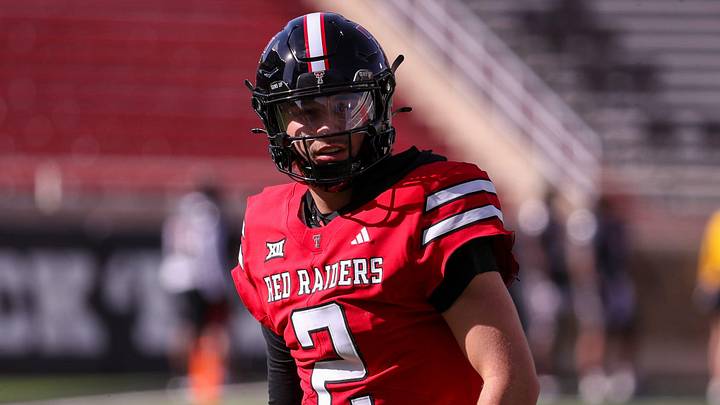
Texas Tech quarterback Brendan Sorsby is back.
Sorsby has won an injunction against the NCAA that will allow him to play for the Red Raiders in 2026, a Lubbock County, Texas, district court indicated Monday morning.
The stunning ruling concludes a six-week legal saga that kicked off April 27, when the NCAA announced it was investigating Sorsby on allegations of gambling while he played played for Indiana in 2022. As Sports Illustrated’s Pat Forde noted in May, the filing stated Sorsby placed at least 40 wagers on the Hoosiers’ fortunes in ’22, though never on games in which he participated). That same day, Sorsby announced he would enter rehab for a gambling addiction, and the Red Raiders stated their intent to support him.
Now, that support seems to have paid off, with coach Joey McGuire’s team’s chances for Big 12 and national title contention saved—at least for the immediate future.
What the verdict means for Sorsby, Texas Tech and the NFL
From a timing standpoint, the way Sorsby and his legal team approached the injunction application process suggested that the quarterback wanted to enter the NFL supplemental draft. The deadline to enter that draft is June 22, and Sorsby’s lawyers wanted a hearing by June 15 (they received one last Monday, much earlier than that).
It now appears that Sorsby won’t have to deal with preparing for the supplemental draft on short notice—because he can simply play for Texas Tech and enter the conventional NFL draft in 2027. The Red Raiders, who won the Big 12 title last season before a shutout loss to Oregon in the Orange Bowl, can now recoup on the field their substantial offseason investment in the Cincinnati transfer.
Meanwhile, quarterback-needy NFL teams with an interest in snapping Sorsby up in the supplemental draft will have to wait until next year. In all likelihood, they’ll find an intriguing football prospect there: with the Bearcats last year, he threw 27 touchdown passes against five interceptions and ran for nine touchdowns.
What the verdict means for college sports at large
“The NCAA strongly disagrees with the court’s ruling in Sorsby's case and is deeply concerned about the damaging, far-reaching and broadly destabilizing ramifications of this outcome—which undermines and corrupts the integrity of sports,” college sports’ governing body said in a statement. “The NCAA is committed to supporting student-athlete mental health but must continue to aggressively defend against actions that defraud college athletics and threaten competitive integrity, such as betting on one's own sport.”
Charlie Baker, the president of the NCAA, echoed the organization’s statement, writing that “there is no better example of why targeted intervention from Congress is necessary.”
The Sorsby verdict seems unlikely to be popular with a public increasingly hostile to the influence of the gambling industry over professional and collegiate sports. On Friday, for instance, the NCAA banned four Alabama State players on allegations that they conspired to fix a game against Southern Miss during the 2025 season. Gambling scandals have similarly rocked Major League Baseball and the NBA in recent seasons.
For the NCAA, Sorsby’s successful bid for an injunction continues a streak of court losses over topics such as eligibility and concussions.
More College Football From Sports Illustrated
Listen to SI’s college sports podcast, Others Receiving Votes, below or on Apple and Spotify. Watch the show on SI’s College YouTube channel.
 Add us as a preferred source on Google
Patrick Andres is a staff writer on the Breaking and Trending News team at Sports Illustrated. He joined SI in December 2022, having worked for The Blade, Athlon Sports, Fear the Sword and Diamond Digest. Andres has covered everything from zero-attendance Big Ten basketball to a seven-overtime college football game. He is a graduate of Northwestern University's Medill School of Journalism with a double major in history .
Follow PAndres2001