
Twins Most Realistic Offseason Moves: What Should and Shouldn't Happen
In this story:
The Minnesota Twins have enough talent to justify contending in 2027. They also have enough unanswered questions to make a winter built around one spectacular addition a risky proposition.
The Twins finished 77-85 and missed the postseason for the third consecutive year. Chairman Tom Pohlad promised a higher payroll, but he did not announce a spending target.
Minnesota should use that flexibility to strengthen several parts of the roster. As the Twins’ payroll outlook explains, existing contracts, arbitration raises and replacement costs will absorb money before the club fills its remaining needs.
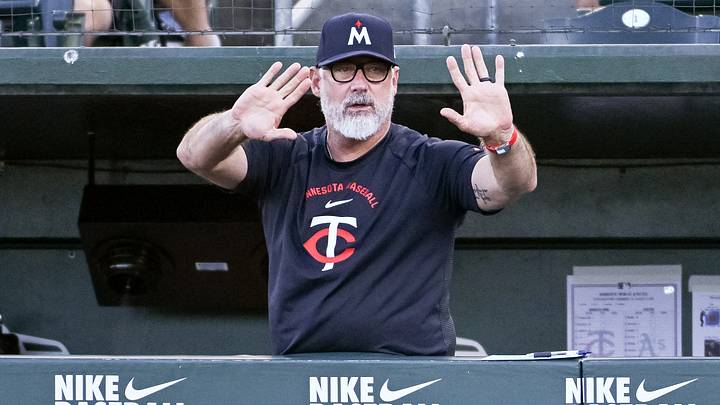
A realistic plan should produce two established bullpen additions, a settled catching tandem, and clearer opportunities for young hitters. Those improvements would give manager Derek Shelton more ways to navigate the problems that disrupted the club in 2026.
What the Twins Should Do

Start with the bullpen, which finished 2026 with a 4.74 ERA. Minnesota should add a reliever capable of handling late leads and another who can provide reliable work ahead of the ninth inning. Jeff Hoffman’s presence should give the club a foundation, rather than a reason to stop shopping.
A return for A.J. Minter or pursuit of impending free agent JoJo Romero would address the left-handed opening. Romero’s fit with Minnesota extends beyond his October appearances: he offers experience handling full innings. The Twins should compare those options while also seeking a right-hander, spreading their investment across multiple useful arms.
Resolve catcher alongside those conversations. Ryan Jeffers hit .256/.353/.461 with 14 home runs in 2026, giving Minnesota a strong reason to pursue a reunion.
The club should establish a competitive offer and a limit. If another team exceeds that valuation, the alternative should be a veteran capable of sharing substantial work with Victor Caratini. Allowing Jeffers to leave without securing a credible replacement would turn a payroll decision into a significant roster problem.
General manager Jeremy Zoll should also explore a Trevor Larnach trade for pitching that can contribute in 2027. The case for considering that move rests on roster balance: Walker Jenkins and Emmanuel Rodriguez have reached the Majors, creating competition for outfield at-bats.
A worthwhile return could improve the pitching staff while opening playing time. Keeping Larnach remains sensible if the offer amounts only to marginal depth. Minnesota should move him to improve the team, with salary relief serving as a secondary benefit.
The Tempting Moves Minnesota Should Avoid

Don't let a pursuit of Tarik Skubal determine the entire offseason. The impending free agent would improve any rotation, and ownership is free to authorize a serious offer. But the Twins should have a complete plan that works if he signs elsewhere.
One expensive starter would still leave the club needing relief help and a catching answer. Waiting for that auction to finish before addressing other positions could shrink the available alternatives.
Minnesota should also resist trading Joe Ryan to fund those additions. Moving a leading starter would create a new need for innings. Another starter could be dealt if the return justified it, but a projected surplus deserves scrutiny while Pablo López continues his rehabilitation.
The latest assessment of Lopez’s return timetable explained why an encouraging target should not be treated as guaranteed availability. Useful rotation depth has value even when everyone appears on a spring depth chart.
The same caution applies to the lineup. Eduardo Tait and Vahn Lackey should advance according to their development, rather than an Opening Day vacancy behind the plate. An immediate need should not dictate a young catcher’s timetable.
Finally, avoid giving an expensive veteran an everyday outfield job that closes the path for Jenkins or Rodriguez. Another bat should address a specific weakness, particularly at first base or designated hitter, while leaving room to evaluate players already in the organization.
The Twins should measure this winter by the choices Shelton has next spring: multiple pitchers for difficult innings, two credible catchers, and competition that rewards performance. Achieving that would require meaningful investment and disciplined decisions, both within the organization’s control.
 Add us as a preferred source on Google
