
3 Things the Colts Should Prioritize in Their General Manager Search
In this story:
The Indianapolis Colts are in need of a new general manager.
Indianapolis' new hire will inherit an organization at a crossroads. After years of consistent mediocrity under Chris Ballard, the franchise has an opportunity to start fresh in its football operations department and turn an average team into a perennial contender in the AFC. Getting that hire right will be crucial to determining whether the Colts can accomplish that feat.
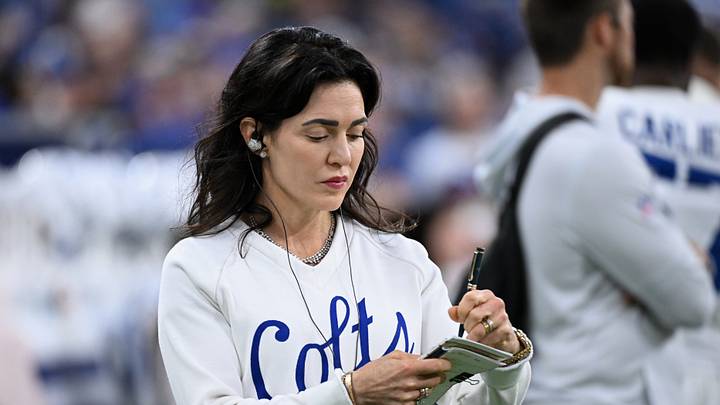
Indianapolis Colts' principal owner and CEO Carlie Irsay-Gordon's search should be about more than finding someone with an impressive résumé or experience in a successful front office. Indianapolis needs to identify an executive who understands how to build a winning roster, recognizes where the organization has fallen short and is unafraid to take a different approach.
There are several qualities that should separate the right candidate from the rest of the field. From experience and leadership to roster-building philosophy and the authority to shape the organization, Indianapolis needs to be deliberate about what it wants from its next general manager. Here are three areas the Colts should prioritize.
A Winning Background

The Colts should begin their search by identifying executives who have played meaningful roles in building successful organizations.
Previously holding the general manager title shouldn't be as important as their body of work. In fact, doing so would limit the talent pool significantly. Some of the most qualified candidates are assistant general managers, directors of player personnel or other front-office executives who have helped shape winning rosters without being the face of the project.
The Buffalo Bills, San Francisco 49ers and Detroit Lions stand out as three organizations Indianapolis should examine closely. All three have established themselves as consistent playoff contenders in recent years, with front offices that have demonstrated an ability to identify talent and build competitive rosters, and do so sustainably. The Colts should look beyond the people at the top and evaluate which executives have played meaningful roles in those organizations' success.
Simply working for a successful franchise doesn't automatically make someone a strong general manager candidate, so the Colts will have to understand each candidates responsibilities, the outcomes they were most in charge of producing and how consistently they did so. A candidate who has consistently demonstrated an ability to contribute to a winning culture should carry considerable weight in the search.
Just as important is finding someone with a well-rounded background. Player evaluation and scouting are essential, but the general manager's job extends far beyond identifying prospects and free agents. Roster construction, contract negotiations, salary-cap management and the ability to oversee an entire football operation are all part of the responsibility. Indianapolis needs someone who can balance those demands rather than excel in one area while relying entirely on others to handle the rest.
The Colts' own experience under Chris Ballard provides a clear example of why that balance matters. Ballard built a reputation as a strong talent evaluator, particularly through the draft, but his shortcomings in other areas ultimately limited the organization's ability to improve. His approach to free agency was often too conservative. In the trade market, he tended to be too aggressive. Additionally, despite always having some of the most cap space available of any team in the league, Ballard always failed to maximize his resources.
Finding talented players through the draft is important, but it cannot be the only avenue through which a team builds its roster. The Colts need a general manager who can identify talent and maximize every resource at his disposal.
The next person in charge should also be a collaborative but decisive leader. Building a successful organization requires input from a variety of departments, and the person in charge needs to be willing to listen to those around them. At the same time, they must be comfortable making difficult decisions, holding people accountable and establishing a clear direction for the franchise.
Ultimately, the Colts should be looking for someone who has helped build a winner and is ready to lead an organization of their own. Previous experience in the GM chair would be a valuable qualification, but it shouldn't outweigh a candidate's actual track record, football knowledge and ability to lead.
A Modern Approach to Roster Construction

The Colts need a general manager who understands that building a winning roster requires more than identifying talented players and waiting for the right opportunities to present themselves. The NFL is an increasingly competitive league, and teams must be able to adapt their approach to personnel decisions as the game continues to evolve. Indianapolis should prioritize an executive who embraces modern evaluation methods, understands the value of analytics and is willing to take calculated risks to improve the roster.
Analytics have to be a fundamental part of that process. The next general manager should understand how to combine film evaluation, scouting reports and advanced data to develop a more complete picture of a player's value. Analytics can help teams identify undervalued talent, evaluate positional value and make more informed decisions when weighing a player's projected production against the financial commitment required to acquire him. The goal should be to use every available resource to gain an advantage instead of leaning on more traditional metrics.
James Gladstone in Jacksonville is a great example of a general manager who leans into analytics and has seen rapid results. Since taking over the Jaguars in 2025, Gladstone has quickly turned the franchise into the best in the AFC South with a 20-7 record and a division title. The Colts would be wise to try a similar plan.
Just as important is finding someone who isn't afraid to be aggressive when opportunities arise. The Colts have often approached free agency with the mindset of waiting for the right value rather than actively pursuing players who could make an immediate impact. That philosophy can leave a team sitting on financial flexibility while other organizations address their biggest weaknesses. Indianapolis needs a general manager who is willing to spend when the right player becomes available, explore the trade market and use draft capital to pursue talent rather than hesitating.
That same mindset should carry over to the draft. Draft picks are valuable, but they are not guaranteed contributors, and the Colts shouldn't be afraid to move up the board or package selections to acquire a player they believe can change the trajectory of the franchise. There is a balance between making smart investments and being too cautious to take advantage of opportunities. The next general manager needs to understand that difference.
None of this is an argument for reckless spending or sacrificing the future for short-term gains; aggression must be calculated. Every signing, trade and draft-day move needs to be supported by a clear evaluation of the player's ability, financial value and fit within the roster.
Indianapolis cannot afford to be passive. The next GM should be willing to take measured risks, use every resource available to them and pursue talent through every avenue necessary to build a contender.
A Clear Vision for the Future

Beyond experience and philosophy, Indianapolis needs a general manager who understands the current state of the roster and has a clear plan for getting the franchise back into contention. The Colts have several areas that need attention, and their next hire must be capable of identifying which positions require immediate investment and which can be addressed over time. That vision should guide everything from free agency and the draft to the team's long-term financial commitments.
Quarterback should be the organization's top priority. The position remains the most important in football, and the Colts have failed to find an answer after Andrew Luck's retirement in 2019. The next general manager will have to determine whether Anthony Richardson can still develop into that player or whether Indianapolis needs to explore other options. Either way, the organization cannot afford to let uncertainty at quarterback dictate its future indefinitely.
Beyond quarterback, strengthening the defensive and offensive lines should be near the top of the priority list. Ballard failed to deliver a consistently productive pass rush in his tenure, and fixing that problem will go a long way towards establishing a defensive identity moving forward. Maintaining the strength of the offensive line should also remain a priority even if it isn't the most pressing need. If Ballard deserves credit for anything, it's for establishing a new standard on the offensive front.
The receiving corps also deserves significant attention. Indianapolis clearly has the worst group of wide outs in the league right now, and improving their talent there must happen quickly. The secondary needs continued investment as well since neither Charvarius Ward nor Sauce Gardner have proven they can be healthy every week.
Just as important as the personnel plan is the authority to execute it. The Colts are expected to hire a general manager before making a final decision on Shane Steichen's future, and that structure makes sense.
The person responsible for building the roster should have a significant say in who leads the coaching staff. Whether that means retaining Steichen or bringing in someone new, the next GM and head coach need to share a vision for how the team should operate. A misalignment between those positions can create organizational friction and undermine the entire operation, leading to further dysfunction.
The next general manager also must have the freedom to build his own personnel department and establish the structure he believes gives Indianapolis the best chance to succeed.
That doesn't mean operating without accountability or oversight from ownership. It means giving the person hired to lead football operations the authority to make meaningful decisions and assemble a staff that shares his philosophy. The Colts need a unified, harmonious operation, not conflicting visions between the front office and coaching staff.
Ultimately, Indianapolis needs more than someone who can identify the team's weaknesses. It needs a general manager with a realistic plan to address them, the flexibility to adjust as circumstances change and the authority to see that plan through. The Colts have spent years trying to find the right formula. Their next hire must be prepared to establish one.
 Add us as a preferred source on Google
